

Energy-efficient upgrades are no longer just a nice-to-have for homeowners—they are crucial for saving money and preparing your home for the future. With installation costs at record lows in 2024 and attractive incentives, it’s easier than ever to cut utility bills and reduce your environmental impact. But before you make the leap, it’s important to understand both the benefits and the real-world challenges.
Key Takeaways
- Energy-efficient upgrades like solar panels provide an average 10% ROI and can save homeowners up to $1,500 per year on electricity.
- Federal incentives in 2024 cover up to 30% of installation costs, bringing the average solar system cost down by around $5,700 instantly.
- Technical integration, unexpected permitting delays, and compatibility with existing home systems are common hurdles—knowing what to expect is essential.
- The Core Concept: Why Invest in Energy-Efficient Upgrades?
- Step-by-Step Guide: How to Plan and Implement Energy-Efficient Upgrades
- Advanced Analysis & Common Pitfalls
- Conclusion: Putting Energy-Efficient Upgrades to Work
- FAQ
The Core Concept: Why Invest in Energy-Efficient Upgrades?
Energy-efficient upgrades—especially solar panels—offer a direct route to reduce monthly expenses, boost property values, and lessen your home’s carbon footprint. In 2024, the numbers speak for themselves: the average residential solar investment brings a 10% ROI with most homeowners breaking even in just 7.5 years. Not only are you locking in lower energy bills (often saving $1,500 or more annually), but you’re also protecting yourself as electricity rates continue to rise.
Even better, solar installations typically add $15,000-20,000 to your home’s value according to recent reports, with solar-equipped homes selling for 6.9% more than their non-solar neighbors. This is a significant boost if you’re thinking about resale.

Looking even broader, energy-efficient upgrades like smart thermostats, high-performance insulation, or smart home improvements work hand-in-hand with solar to maximize your ROI and turn your home into an efficient, comfortable space.
Environmental advantages are equally compelling. In Virginia, for example, an average home solar array offsets nearly 14 tons of CO2 per year—a carbon savings equivalent to planting 323 trees, as detailed by Paradise Solar Energy.
Step-by-Step Guide: How to Plan and Implement Energy-Efficient Upgrades
-
Assess Your Home’s Current Energy Use
Begin with a utility bill review and home energy audit—either DIY or professional. This will spot where you’re likely wasting energy and which upgrades will give the best payoff. Look closely at insulation, old appliances, heating and cooling, and lighting. -
Compare Upgrade Options & Potential ROI
While solar is often top-of-mind, don’t neglect other improvements:- Smart Home Automation: Smart thermostats and adaptive lighting can reduce energy waste by up to 15%.
- Heat Pumps: Offer both heating and cooling with high efficiency.
- High-Performance Insulation: Cuts energy loss year-round.
Remember: Combining upgrades often multiplies savings. See a direct side-by-side comparison in the Advanced Analysis section below.
-
Request Quotes From Reputable Contractors
Always get at least three bids for any major energy-efficient upgrade. For solar, insist on quotes that detail equipment brands, warranty lengths (look for 25+ years), and actual estimated system output. Transparency is a must. -
Investigate Incentives and Financing
The federal 30% tax credit in 2024 is straightforward—subtract $5,700 from a typical $19,000 installation cost immediately [source]. Check for additional rebates through your state energy office or local utility. Third-party ownership (TPO), such as leases, is on the rise but has implications for ownership and future home sales. -
Check Compatibility With Existing Systems
Confirm that your electrical panel, appliances, and smart home systems can accommodate new solar or energy-saving tech—a topic often skipped by installers. -
Schedule Installation and Prepare for Permitting
Understand up front: the real timeline for going solar involves consultations, permitting, inspections, and potential delays due to local utility coordination. Average installation to full activation can stretch six weeks or longer. -
Maintain and Track Performance
Use app-based monitoring and integrate with existing smart home systems to optimize performance post-install.
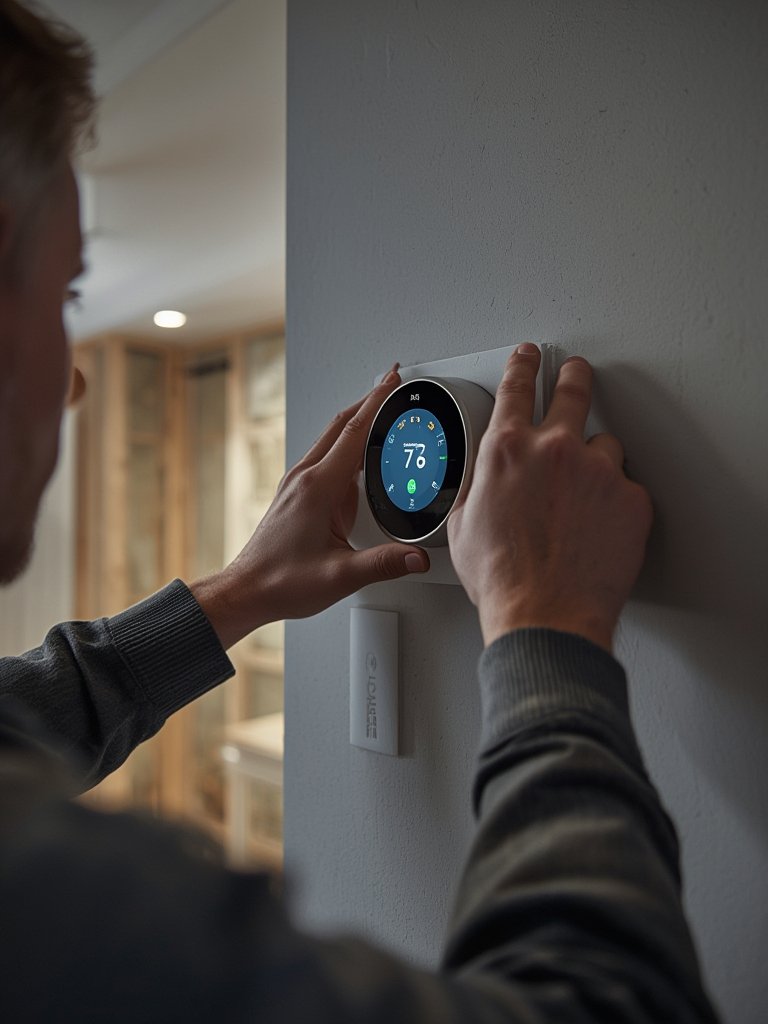
For more detailed strategies to prevent device conflicts and promote seamless upgrades, check out our proven guides to smart home improvement and remodeling for maximum ROI.
Advanced Analysis & Common Pitfalls
Getting the most from energy-efficient upgrades often means navigating technical, financial, and real-world barriers. Let’s explore where things can go wrong—and how to steer clear of the top traps.
Common Pitfalls
- Integration Issues: Not all solar arrays, batteries, or smart home devices communicate smoothly. Home electrical panels may need costly upgrades, and legacy appliances may not “talk” with modern home energy management systems (learn more about home automation systems).
- Permitting & Delays: Municipal approval and utility interconnection can stall installations—sometimes for several weeks beyond contractor promises.
- Upfront Costs & Financing Surprises: Even with incentives, out-of-pocket costs are significant. Third-party ownership (like leases or PPAs) can save on upfront spending but may hurt property resale value or complicate refinancing.
- Overestimating Savings: Panel shading, sub-optimal roof orientation, and underestimated ongoing maintenance will reduce real-world ROI. Always insist on conservative, site-specific estimates.
- Lack of System Monitoring: Failing to monitor your system after installation can conceal underperformance, inverter failures, or unnoticed utility rate changes.
ROI and Upgrade Comparison Table
| Upgrade | Avg. ROI | Payback | Est. Annual Savings | Lifespan |
|---|---|---|---|---|
| Solar Panels | 10% | 7.5–15 years | $1,500 | 25-30 years |
| Heat Pump | 4–8% | 7–12 years | $700–$1,200 | 15–20 years |
| Spray Foam Insulation | 6–10% | 3–7 years | $500–$900 | 20+ years |
| Smart Thermostat | 4–6% | 1–3 years | $140–$300 | 10+ years |
| Combined Upgrades | 12–18% | 5–10 years | $2,000–$3,000 | Varies |
When you combine upgrades—say, solar plus smart thermostats and insulation—you often see a faster payback and higher overall ROI. For more on combining smart tech, explore Ultimate Smart Home Improvement Ideas or check our ROI boosting remodeling guide.
Market Trends for 2024 and Beyond
- Solar and battery system prices reached historic lows in 2024, though the US market is currently turbulent (Solar Power World).
- Federal incentives are expected to remain stable through at least 2032 thanks to the Inflation Reduction Act.
- Third-party owned systems (leases/PPAs) are now nearly half of new residential installations. However, they may create headaches for future home sales and financing options.
For a full breakdown of home automation device savings, see our post on energy-efficient smart home devices.

Conclusion: Putting Energy-Efficient Upgrades to Work
If you want reduced energy bills, a higher home value, and a lighter environmental footprint, energy-efficient upgrades are a direct, actionable path—especially now, with federal incentives at an all-time high. But it’s essential to plan for realistic costs, technical requirements, and occasional snags. For more project ideas and to see how upgrades like smart home systems play a role, check our smart home improvement guide. Make your move now for the biggest payoff—energy savings and peace of mind. If you’re ready to start, request quotes from trusted local installers and explore which energy-efficient upgrades will best fit your home.
Discover even more savings and convenience by combining upgrades—our guides to remodeling for ROI and building a connected home can show you how.
FAQ
What’s the typical payback time for a home solar panel system in 2024?
The national average is roughly 7.5 years, though it can range from 8 to 13 years depending on factors like system size, local utility rates, and regional incentives.
What incentives are available for energy-efficient upgrades in 2024?
The federal government offers a 30% tax credit for residential solar installations, saving most homeowners $5,700 or more. Additional rebates may be available through local utilities or state programs.
Will solar panels work with my existing smart home devices?
Most smart devices pair smoothly with new solar arrays, but you should confirm compatibility—especially if planning to add battery storage or connect older appliances. If in doubt, consult with both your solar installer and smart home provider.
What are the most common problems people face during installation?
Permitting delays, electrical compatibility issues, and unexpected costs for panel or battery upgrades are frequent. Working with reputable, transparent contractors helps reduce surprises.
Is it better to own or lease a solar system?
Owning provides the best ROI and adds value to your property. Leasing can lower your upfront cost but may limit future home sale and financing options.

[…] in upgrades beyond art—like energy-efficient lighting or accessible design—see our guides on energy-efficient upgrades and aging in place home modifications for more ways to make your home […]
[…] interchangeable frames, or adjacent decor like plants and shelves for a gallery effect. Check out energy-efficient upgrades for ideas to integrate lighting […]
[…] more ways to maximize your renovation outcome, see our guide on Energy-Efficient Upgrades and Bathroom Remodeling Ideas to boost both lifestyle and […]
[…] Homeowners exploring energy efficiency or smart home upgrades as part of a larger renovation can benefit from pairing projects. For guidance, see our Energy-Efficient Upgrades guide. […]
[…] LVP upgrades with other home efficiency renovations. For example, check out expert strategies for energy-efficient home improvements that lower utility bills and add […]
[…] you’re upgrading your home, pairing eco paints with energy-efficient upgrades (see our guide: Energy-Efficient Upgrades: 7 Amazing Ways to Maximize Savings) or DIY décor projects can boost both comfort and long-term […]
[…] you are considering eco-friendly upgrades alongside energy-efficient improvements or as part of DIY home decor projects, eco-conscious paints are a realistic way to align health, […]
[…] There are two main types: active (with circulating pumps and controls) and passive (simpler, relying on natural convection). While the technology isn’t new, advances in durability and efficiency have made solar water heaters attractive to more homeowners—especially those already investing in smart home improvement ideas or energy-efficient upgrades. […]
[…] If you’re also considering other energy-efficient upgrades, check out these practical ideas on solar panel home improvements and how they can work alongside solar water heating […]
[…] decarbonization programs, and a growing appetite for comfort and smart homes. For those pursuing energy-efficient upgrades or smart home improvement ideas, underfloor systems represent a major next […]
[…] in retrofits—and upfront costs can be significant. If you’re planning a broader energy-efficient home upgrade or a smart home remodel, underfloor heating can play a major […]
[…] look at whole-home upgrades, check out these ultimate smart home improvement ideas and learn about energy-efficient upgrades that complement underfloor heating […]
[…] If you’re exploring technology upgrades for your bath, you may also find inspiration in smart home improvement ideas or practical energy-saving extras such as solar panel home improvements. […]
[…] Internal tip: For a full breakdown of smart devices that complement these upgrades, check our proven guide to saving with smart energy devices. […]
[…] to upgrade your space? Explore more ideas and guides on DIY home decor or go deeper with energy-efficient upgrades for a home that’s unique and […]
[…] and anyone sensitive to strong odors. They also align well with other green upgrades like energy-efficient improvements and smart home […]
[…] pairing a solar water heater with existing home solar upgrades—like the steps found in our energy-efficient upgrades guide—can further amplify your home’s long-term savings and […]
[…] ways to boost property value, lower utility expenses, and cut emissions. If you’re focused on energy-efficient upgrades with high ROI, solar is now among the top contenders. This is especially true for sun-rich regions, though newer […]
[…] on Ultimate Smart Home Improvement Ideas for more inspirations. Solar water heaters also complement other solar panel home improvements for maximizing utility savings and property […]
[…] projects are a perfect complement to broader smart home upgrades and energy-efficient improvements. With a little foresight, your garage can become one of your home’s most modern and secure […]
[…] entire homes and even commercial spaces. If you’re planning a major renovation—or exploring energy-efficient upgrades—this technology deserves a hard […]
[…] more actionable ways to save? See our guide on 7 ways to maximize savings with energy-efficient upgrades and learn how small tweaks like smart lighting or a programmable thermostat drive big […]
[…] Energy-Efficient Upgrades: Maximize Savings & Solar ROI […]