

aging in place home modifications are now a priority for millions of older adults across the US as the population ages and demand for accessible living spaces surges. If you want to make your home safe, functional, and future ready, here’s what you need to know in 2024—including the real challenges few talk about.
Key Takeaways
- 93% of adults aged 55+ aim to stay in their homes, but only 10% of US homes are “aging ready.”
- Most homes lack essential features like step-free entries and accessible bathrooms, exposing real daily hazards and frustrations.
- Tech solutions and smart upgrades can help, but affordability and incomplete remodels are persistent barriers.
- What Is Aging in Place Home Modification? And Why It Matters
- How to Upgrade Your Home for Aging in Place: A Step-by-Step Guide
- Advanced Analysis & Common Pitfalls
- Conclusion
- FAQ
What Is Aging in Place Home Modification? And Why It Matters
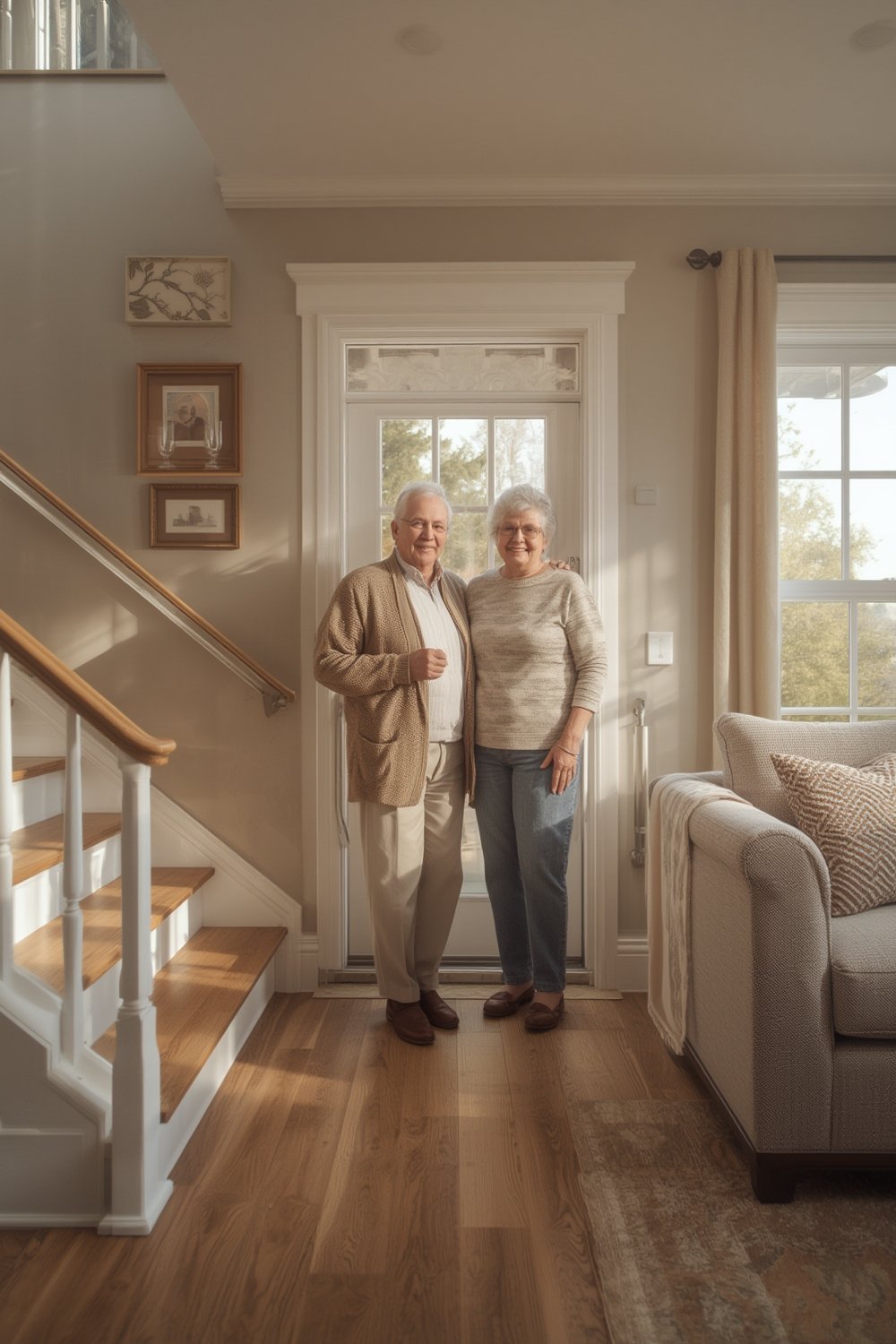
Aging in place home modifications refer to upgrades and remodeling projects designed to make your living space safer and more accessible as you age. The goal is to let older adults remain in their own homes comfortably, rather than relocating to assisted living facilities. In 2024, this is especially significant—US adults aged 65+ now total 61.2 million, and the vast majority want to remain at home (source).
Despite this, only about one in three older Americans say their homes definitely have the right features, while four million report real difficulties doing everyday tasks (research). The right modifications—like step-free entryways, grab bars, and accessible baths—prevent falls, reduce injury risk, and make navigation easier. Smart home devices are now playing a key role, offering new convenience and safety (smart home improvement tips).
How to Upgrade Your Home for Aging in Place: A Step-by-Step Guide
If you want to make your home “aging ready,” here’s a practical, stepwise approach you can follow. These are the proven steps experts use, but also include tech-forward and budget-conscious ideas.
Step 1: Do a Full Safety Audit
- Walk through the home with a safety checklist: look for slippery surfaces, awkward thresholds, loose rugs, and poor lighting. See what daily tasks are hardest—bathing, cooking, stairs, getting in/out.
- Invite a Certified Aging-in-Place Specialist (CAPS) or occupational therapist for a professional assessment.
- Small DIY fixes (like brighter bulbs or removing throw rugs) can provide instant benefits.
Step 2: Update Entryways and Halls
- Install at least one step-free entrance using a portable ramp or permanent threshold solution. Only 10% of US homes have this (source).
- Widen doorways to 32 inches or more. This allows for walkers and wheelchairs later on.
- Add lever-style door handles and low threshold transitions.
Step 3: Remodel the Bathroom for Real Accessibility
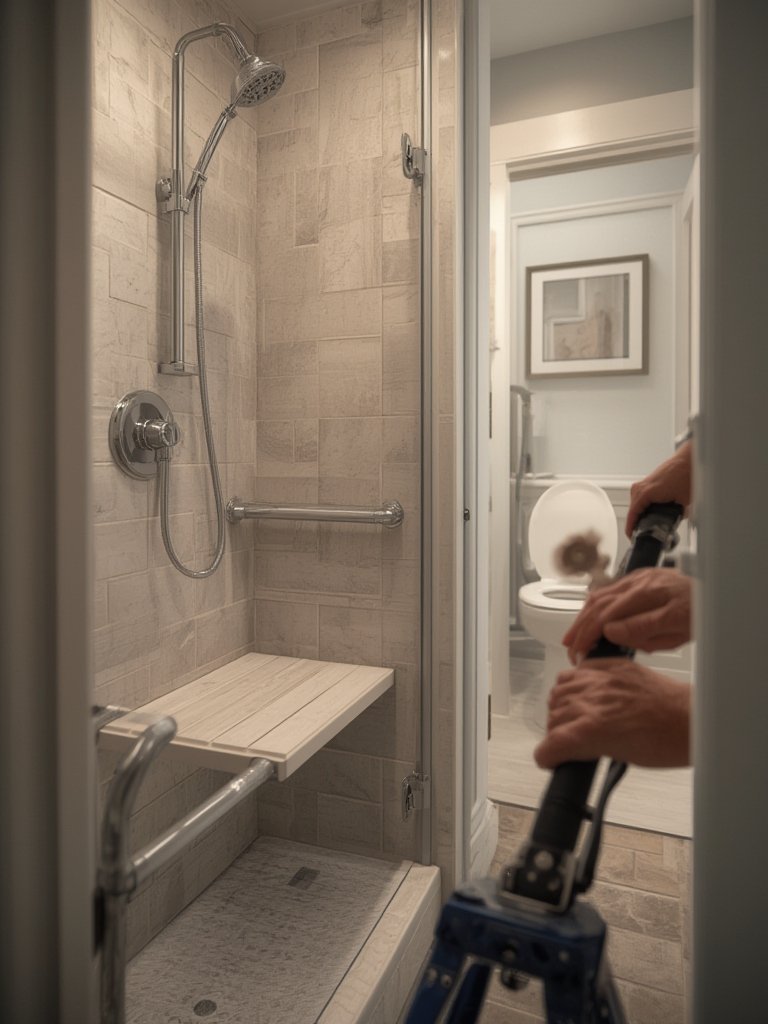
- Replace tubs with curbless walk-in showers with seating and a handheld sprayer. Install grab bars near the toilet and shower.
- Raise toilet seats and opt for a comfort-height toilet.
- Install non-slip flooring and add bright, glare-free lighting for clear visibility.
Step 4: Modernize the Kitchen for Comfort and Reach
- Switch to D-style cabinet pulls and pull-down shelves to minimize bending and straining.
- Use induction cooktops and smart appliances for safer, easier cooking (smart upgrades).
- Lower countertop sections and add non-slip mats for safety.
Step 5: Integrate Technology for Security & Independence
- Add video doorbells, motion sensor lighting, and medical alert systems. These upgrades are simple to install and can reduce anxiety about living alone (see remodeling ROI tips).
- Try voice-activated assistants for hands-free control—great for those with limited mobility.
- Automated lighting and smart thermostats boost comfort and reduce energy costs (energy-saving ideas).
Step 6: Plan for Ongoing Maintenance and Adaptation
- Expect needs to change over time. Leave room in your budget for future updates or repairs.
- Keep cables, throw rugs, and clutter to a minimum to prevent new hazards as mobility shifts.
Looking for a room-by-room approach? Our bathroom remodeling ideas guide covers smart spa upgrades that boost both ROI and usability.
Advanced Analysis & Common Pitfalls
While aging in place home modifications bring independence and peace of mind, the process is rarely perfect. Here’s what research and real homeowners reveal about the honest roadblocks and regrets.
Common Pitfalls: What Goes Wrong Most Often
- Incomplete modifications: Many homeowners do only a portion of what’s needed (like installing grab bars but skipping step-free entries), thinking it’s “enough.” This leads to bottlenecks and new hazards later.
- Unrealistic budgets: With a median net worth of $335K for adults 75+, larger projects can stretch finances. Many skip necessary upgrades like full bathroom conversions due to cost (source).
- Poor contractor selection: Not all professionals have experience with true accessibility needs. Cheap shortcuts or skipped permits can result in failed inspections.
- Lack of long-term planning: Overlooking adaptable designs (e.g., future wheelchair access) leads to repeated renovations as needs change.
- Ignoring local codes or guidelines: ADA and local building codes exist, but updates for 2024 are sparse. Still, check carefully—mistakes can lead to denied insurance claims or forced rebuilds.
| Modification | Estimated Cost Range | Pitfall | Pro Solution |
|---|---|---|---|
| Curbless shower installation | $3,000 – $7,000 | Improper slope causes leaks; barrier still present | Use a certified installer and inspect sloping before tile install |
| Doorway widening | $800 – $2,500 per door | Can weaken walls; may impact electrical/plumbing | Hire a builder who does accessibility retrofits |
| Smart home integration | $150 – $2,000+ | Overly complex systems confuse users; tech neglect | Start simple: motion lighting, video entry, voice assistants |
| Grab bars/toilet riser | $300 – $800 | Poorly mounted bars can rip out under weight | Always mount to studs or use wall anchors rated for load |
If you want to see how smart technologies can help prevent some of these issues, see our guide on ultimate smart home improvement ideas or learn more about smart bathroom remodels for aging in place.
Many homeowners later wish they had prioritized accessibility earlier, or regret running out of budget for the finish they really wanted.
Conclusion
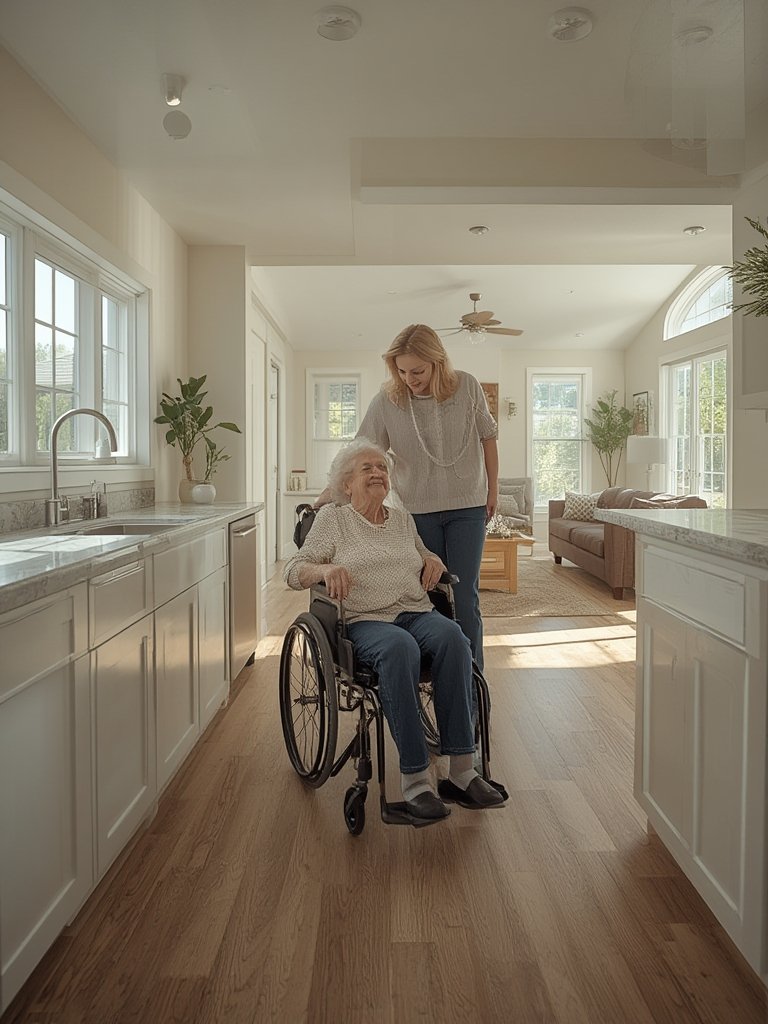
Aging in place home modifications can deliver lifelong security, comfort, and savings compared to assisted living, but planning and execution matter. Upgrading your home now helps you enjoy independence longer and cuts unexpected costs later on. If you want the most from aging in place home modifications, focus on essential upgrades, room-by-room safety fixes, and practical smart tech—then review periodically as your needs change.
Ready to take the next step? Review your home with these tips, check out our smart home improvement guide, or contact a CAPS-certified specialist in your area today.
FAQ
What are the most important aging in place home modifications for beginners?
Start with bathroom safety first—install grab bars, a walk-in shower, and non-slip mats. Next, make at least one entry step-free and add lever-style door handles. Upgrading lighting also provides instant safety benefits.
How much do basic bathroom modifications cost?
Expect to spend between $3,000 to $7,000 for a full curbless shower, with simple grab bars and toilet risers starting at $300. Costs will rise if major plumbing or structural changes are needed.
Are smart home devices really helpful for aging in place?
Yes, smart devices like motion-activated lighting, video doorbells, and voice assistants are increasingly common and make home navigation safer and more convenient for older adults. Learn more about the latest options in our smart home guide.
Can renters make aging in place upgrades?
Many accessibility upgrades are now renter-friendly, such as tension-mounted grab bars, portable ramps, and non-permanent lighting changes. Always check with your landlord and choose non-destructive solutions.
Is there financial help available for aging in place home modifications?
Resources vary regionally, but some states offer grants or loans for accessibility modifications. Your local Area Agency on Aging or a Certified Aging–in–Place Specialist can guide you to local assistance programs.
[…] Define Your Goals & Priorities List essential needs (e.g., more bedrooms, open kitchen) versus nice-to-have features (like built-in audio or custom windows). Consider how your renovation supports long-term plans such as aging in place (see Aging In Place Home Modifications). […]
[…] See expert aging in place modifications for future-ready […]
[…] Design for Accessibility and Comfort Include level transitions, wide walkways, grippy non-slip surfaces, and comfortable seating heights. Thoughtful lighting improves safety and night-time ambiance. Learn more about maximizing space and accessibility in our guide on aging in place home modifications. […]
[…] For aging-in-place or accessibility, see our accessible bathroom design tips. […]
[…] doorways, and adopting smart home technology. For a deeper dive into practical modifications, see expert tips for home modifications or get bathroom-specific options with bathroom remodeling ROI […]