
### Blog Post:
Aging in place home modifications are quickly becoming a high priority for older adults who want to stay in their homes as they age. As the demand rises, understanding the best ways to modify a home for safety, accessibility, and comfort is essential for both homeowners and caregivers. This guide gives you clear steps, up-to-date statistics, and practical tips—so you can make smart, future-ready decisions for yourself or your loved ones.
Key Takeaways
- Over 90% of adults over 55 want to stay in their homes, yet only about 10% of U.S. homes are truly “aging ready.”
- Simple modifications like grab bars and zero-threshold showers make bathrooms safer; planning ahead avoids costly mistakes.
- Funding options are limited, so start exploring grants and local resources before beginning major home changes.
- What Is Aging in Place and Why Does It Matter?
- How to Plan & Execute Aging in Place Home Modifications
- Advanced Analysis & Common Pitfalls
- Conclusion
- Frequently Asked Questions
What Is Aging in Place and Why Does It Matter?
Aging in place means making your home safer and more functional so you can live independently for as long as possible, even as health or mobility needs change. Instead of moving to a care facility, homeowners are adding smart upgrades—like accessible bathrooms, ramps, smart technology, and wider doorways—to reduce daily risks.
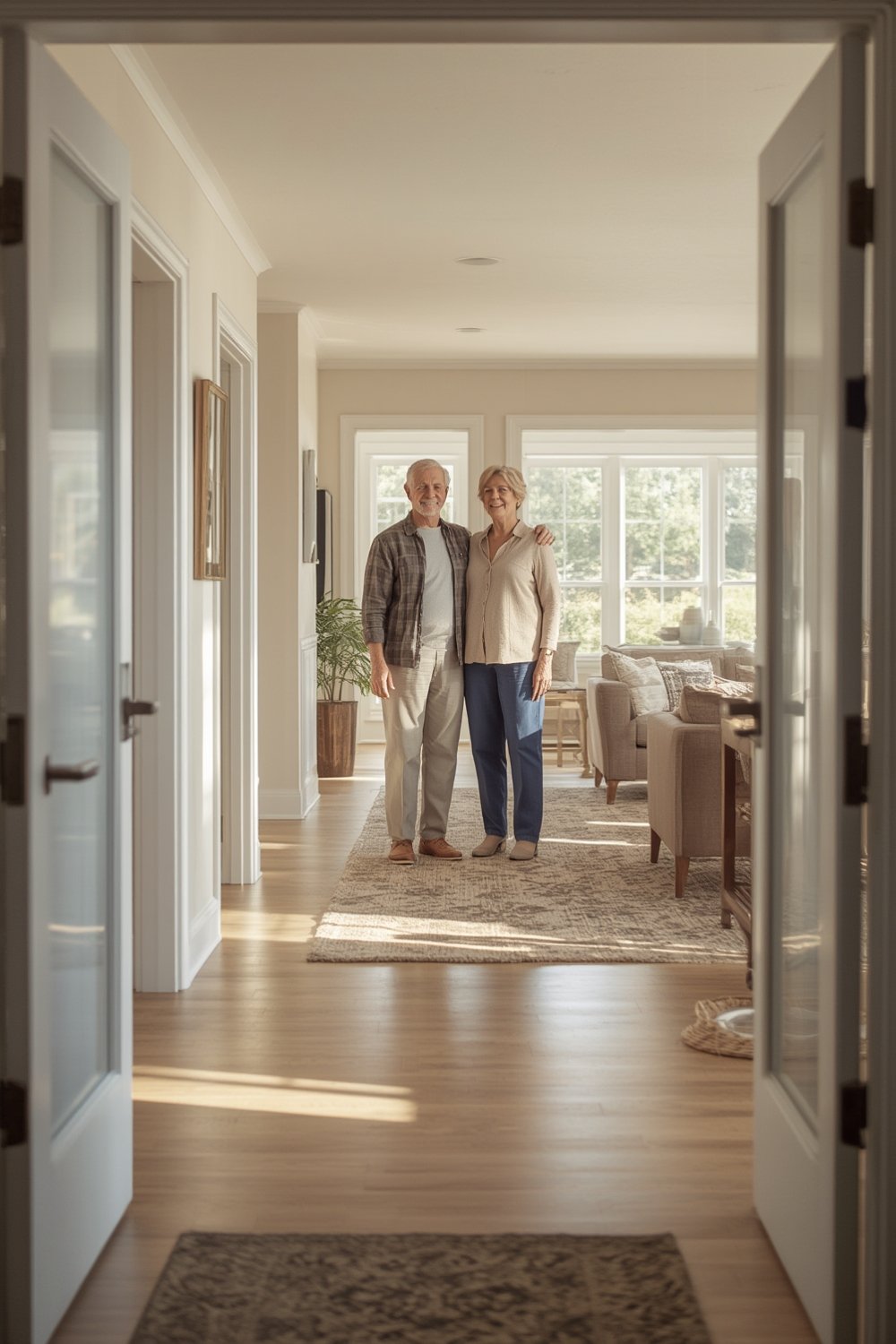
Recent data shows more seniors want to remain in their homes than ever before. In fact, 93% of Americans over age 55 and 88% aged 50-80 say it is very important to stay put, but fewer than 1 in 3 homes actually have all the features needed for safe aging. That gap is driving a surge in home upgrades—for bathrooms, entryways, and beyond.
Simple changes can mean the difference between independence and frequent falls or hospital visits. Many of these improvements also boost your home’s value and appeal, especially with the rise of smart home technology. If you want your home to be safe now and in the future, planning aging in place home modifications is one of the smartest investments you can make.
How to Plan & Execute Aging in Place Home Modifications
Getting started with aging in place home modifications doesn’t have to be overwhelming. Use this simple, step-by-step approach to assess your needs, set your priorities, and execute upgrades that make daily life easier and safer.
- Start With a Safety Audit: Walk through your home room by room. Write down every barrier you see—steps, slippery floors, narrow doors, poor lighting, or high shelves. If possible, assess with a physical therapist or certified aging in place specialist for expert insights.
- Focus on the Bathroom: Most slips and falls happen here. Consider installing a curbless (zero-threshold) shower, grab bars near the toilet and shower, non-slip flooring, and a comfort-height toilet. An accessible bathroom design not only reduces injuries but offers privacy and control for longer.
- Fix Entryways and Hallways: Add ramps or eliminate steps at main entrances. Widen doorways to 36 inches for wheelchair or walker access. Install lever-style door handles and motion-sensor entry lights. These upgrades make coming and going easier for everyone.
- Upgrade Lighting and Flooring: Swap dim or overhead-only lighting for layered fixtures and automatic night lights. Use non-slip mats and low-pile flooring to cut tripping hazards. Smart lighting systems, as described in our Ultimate Smart Home Improvement Ideas guide, can instantly brighten dark spaces without the need for rewiring.
- Integrate Smart Technology: Voice-activated assistants, video doorbells, smart thermostats, and automated locks add security and help compensate for vision, hearing, or movement challenges. For practical tips, see our Smart Home Improvement guide.
- Budget and Seek Funding Help: Costs are highly variable: walk-in tubs can range from $2,000 to $10,000, grab bars $50 to $300 each, zero-threshold showers $2,500 to $15,000, and doorway widening $500 to $2,500 per entry. Check local city or state grants, Medicaid waiver programs, and nonprofit resources—but understand funds are limited and competition is high. According to AARP, federal support has hardly kept pace with growing demand.
- Hire Reputable Contractors: Insist on experience with accessibility upgrades and ask for references. Poor installation of grab bars or showers often causes more harm than no upgrades at all.
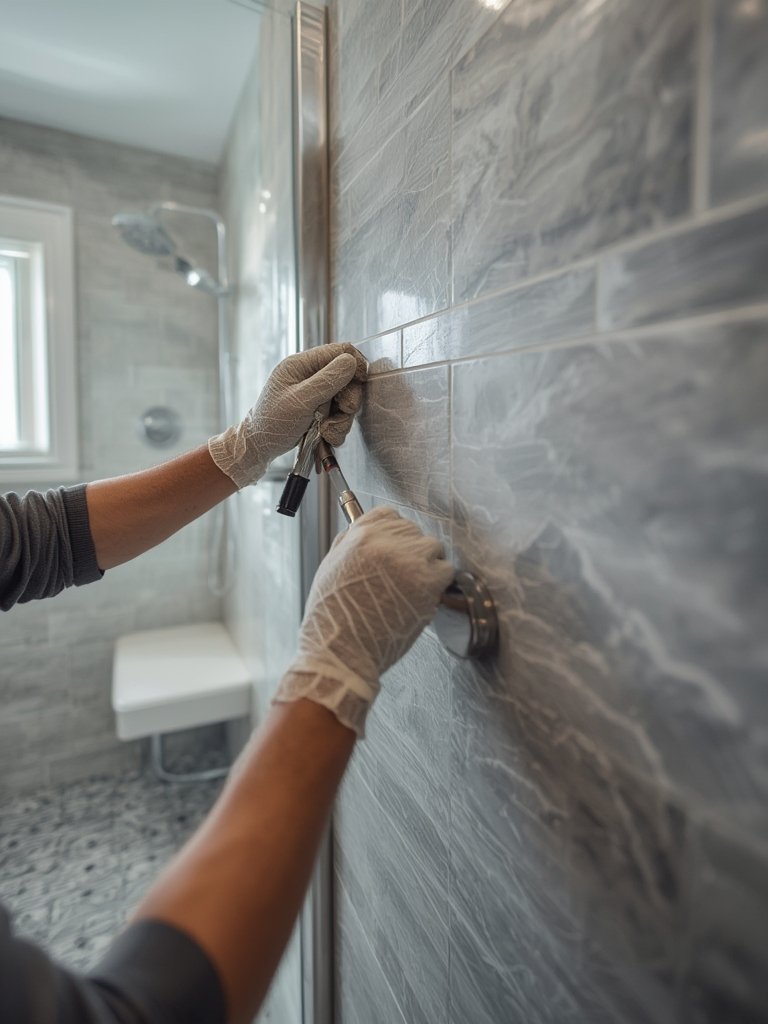
Always inspect completed work to ensure installations are solid and surfaces are safe. Regular maintenance is as important as the initial investment.
Ready to see how smart home features can boost safety and convenience? Explore more with our dedicated guides on smart home improvement and spa bathroom remodeling.
Advanced Analysis & Common Pitfalls
Even with the best intentions, many aging in place home modification projects run into critical snags. Here’s what can go wrong—and how to sidestep expensive or dangerous setbacks.
| Common Pitfall | Why It Happens | How to Solve |
|---|---|---|
| Underestimating Costs | No clear budget, skipping detail on finishes, or not accounting for unexpected repairs. | Get 2-3 bids, use itemized contracts, and add 15% buffer for surprises. |
| Choosing Looks Over Function | Prioritizing trendy features (like high-end tile) over crucial safety upgrades. | Make needs-based lists; invest in grab bars, non-slip flooring, and easy-access fixtures first. |
| Poor Installation | DIY or unlicensed work, especially grab bars and showers—can result in injury or leaks. | Hire certified contractors; always check references. |
| Unsupported Funding | Lack of research on local resources, resulting in full out-of-pocket expense. | Apply to local programs before starting. Consider staged renovations if funding is tight. |
| Skipping Universal Design | Failing to follow universal design guidelines means upgrades may have to be redone later. | Consult an accessible design specialist for layouts that benefit all ages and abilities. |
What Competitor Guides Overlook
- Project Delays: Permitting, backordered materials, and contractor scheduling can push projects from weeks to several months—few guides address what to do when timelines stretch.
- Realistic Bathroom Safety Gaps: Many articles discuss trends, but overlook basic needs assessments or practical ADA guidelines for bathrooms, which are the areas with the highest injury risk.
- Sustainable, Low-Disruption Upgrades: Utilizing temporary and adaptable solutions is rarely covered but essential for renters or those with limited budgets.
For inspiration and practical advice on bathroom upgrades that pay off, see our companion resource on bathroom remodeling ideas for maximum ROI.
Conclusion
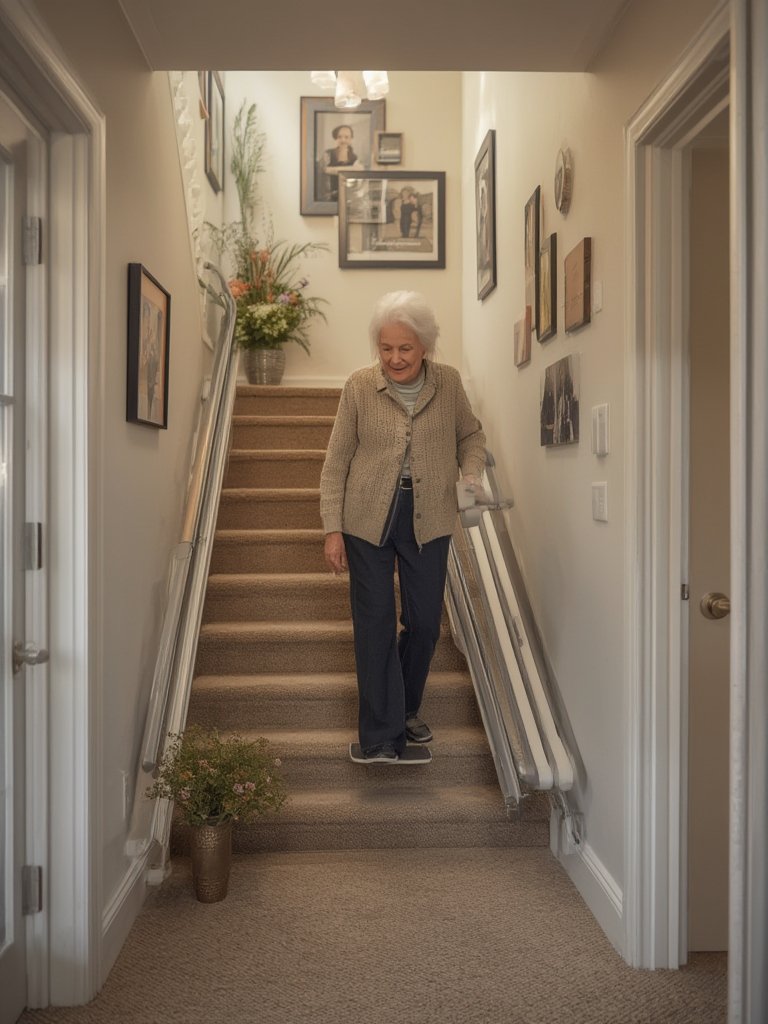
With careful planning and the right upgrades, aging in place home modifications can help you remain independent, comfortable, and safe well into the future. Start by auditing your space, focus on high-impact improvements like bathroom safety and entryway accessibility, and lean on local resources for support. The market is shifting, but funding is still limited—so the sooner you take steps, the more you safeguard your investment and peace of mind. For a deeper dive into smart tech upgrades and accessible bathroom design, see our related resources linked above—and begin your journey to a safer home today.
Ready to future-proof your space? Share this guide or connect with local experts to make your aging in place home modifications a reality.
Frequently Asked Questions
What are the most important aging in place home modifications to start with?
Start with bathroom safety—install grab bars, non-slip flooring, and a zero-threshold shower. Next, focus on entryways with ramps or step-free entries and widen main doorways. Good lighting and smart home tech help as well.
How much do aging in place home modifications usually cost?
Costs range widely. Simple modifications like grab bars or lever handles may cost under $500, while bathroom remodels with walk-in tubs or zero-threshold showers can run $5,000 to $15,000 or more. Get several estimates and budget a contingency fund.
Does insurance or Medicare cover home modifications for aging in place?
Traditional Medicare doesn’t cover home modifications, but some state Medicaid programs or long-term care insurance policies may help. Local grants and non-profit programs offer small assistance, but most upgrades are out-of-pocket expenses.
What if I rent? Can I still make aging in place modifications?
Many upgrades, like removable grab bars or non-slip mats, don’t require permanent changes. Always ask your landlord before making structural modifications. Temporary solutions can offer immediate safety with less hassle.
How long does it take to complete home modifications?
Basic installs like grab bars or lights can be done in a day. Major renovations—such as bathroom overhauls or doorway widening—typically take 2 to 6 weeks, but delays from materials or labor shortages are common.