

home organization & storage solutions are transforming homes in 2024, offering practical answers for anyone trying to make the most of limited space and modern living needs. As homes get smaller and lifestyles get busier, efficient organization solutions are more important than ever—especially in North America and Europe, where market growth is surging.
Key Takeaways
- North America leads global demand for innovative, space-maximizing home organization & storage solutions, with Europe quickly catching up as DIY and premiumization rise.
- Custom storage options may maximize space and comfort, but it’s vital to consider technical quality, hidden costs, and practical user challenges before investing.
- Urban residents and remote workers are driving new trends—selecting features focused on adaptability, sustainability, and space efficiency for modern homes and lifestyles.
- What Is Home Organization & Storage Solutions and Why It Matters in 2024
- Step-by-Step Guide to Implementing Home Organization & Storage Solutions
- Advanced Analysis & Common Pitfalls of Home Organization & Storage Solutions
- Conclusion
- FAQ
What Is Home Organization & Storage Solutions and Why It Matters in 2024
Home organization & storage solutions refer to any systems, products, or approaches that help people reduce clutter, optimize space, and bring order to their homes. This includes everything from custom closets and modular shelving to clever under-bed storage and garage cabinetry.
Why does it matter now? The market for these solutions is growing fast. In the US alone, home organizers and storage products reached a value of $15 billion annually with a strong trend toward minimalism, smaller living spaces, and sustainable design. North America currently leads, with a region value of USD 13.69 billion and a CAGR of over 4% for 2024. Meanwhile, Europe is set to reach USD 9.23 billion by 2026, fueled by thriving DIY culture and premiumization, especially in countries like the UK, Germany, and France (source).
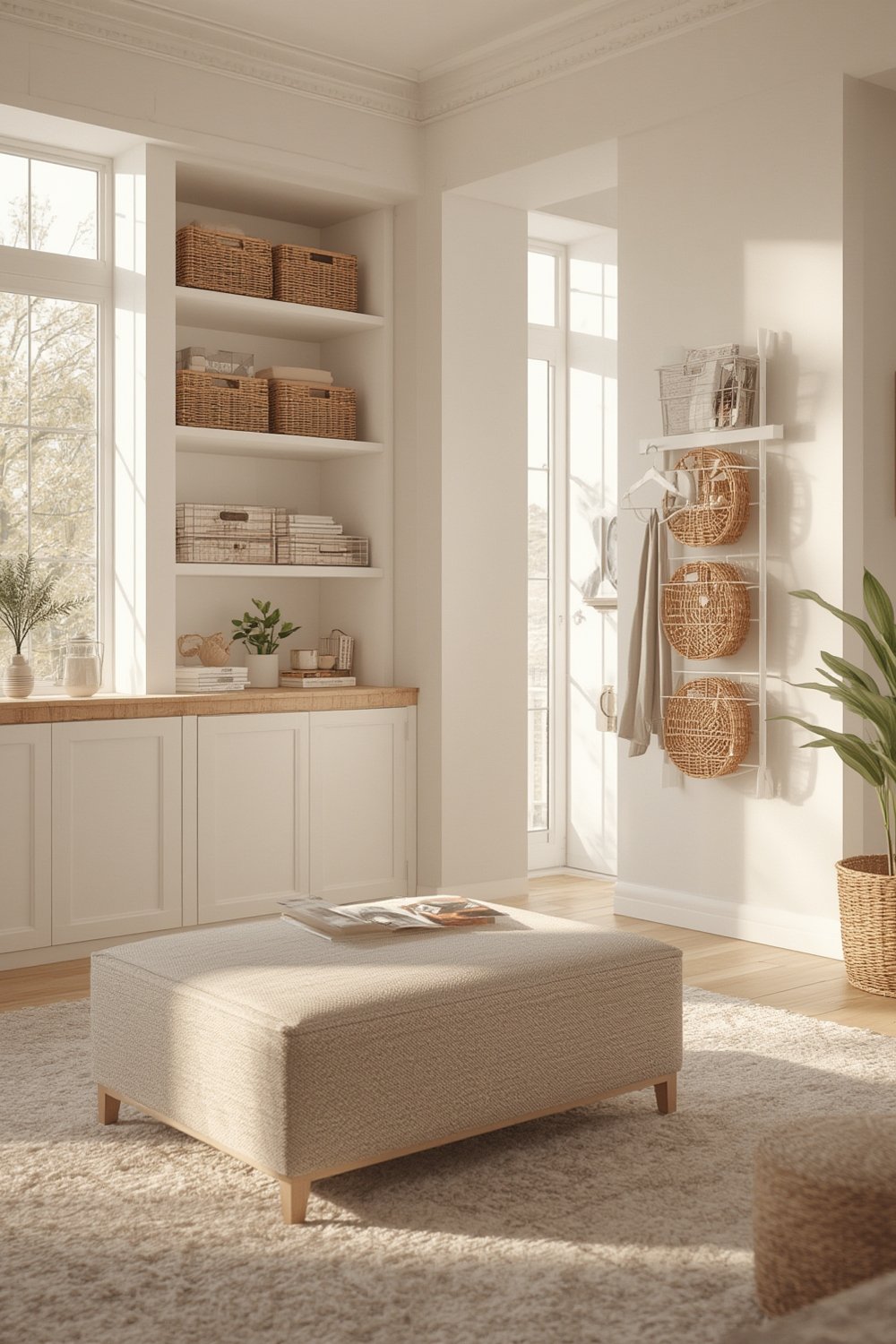
At its core, adopting high-impact organization solutions is about maximizing comfort and functionality—without creating extra headache or hidden costs. The choice between simple, off-the-shelf options versus custom — and whether to DIY or hire professionals — matters now more than ever in shaping the space you live in.
You can even pair these storage upgrades with smart tech (see our smart home improvement guide) to add real efficiency and convenience to your daily routine.
Step-by-Step Guide to Implementing Home Organization & Storage Solutions
Ready to bring order and calm to your home? Here’s a clear, actionable process for getting started with modern home organization & storage solutions in 2024—whether you want a basic upgrade or a custom transformation.
1. Audit Your Space and Needs
Assess how you use each room. Take inventory of what gets left out, what never seems to have a place, and which items you actually use regularly. Identify high-impact zones (closets, cabinets, under-bed, garage).
2. Research Storage Solutions That Fit Your Dimensions and Lifestyle
Explore the range of home organization & storage solutions on the market—modular shelving, foldaway units, vertical cabinets, custom built-ins, or off-the-shelf baskets and bins. Make a short list based on your measurements and your typical daily routines.
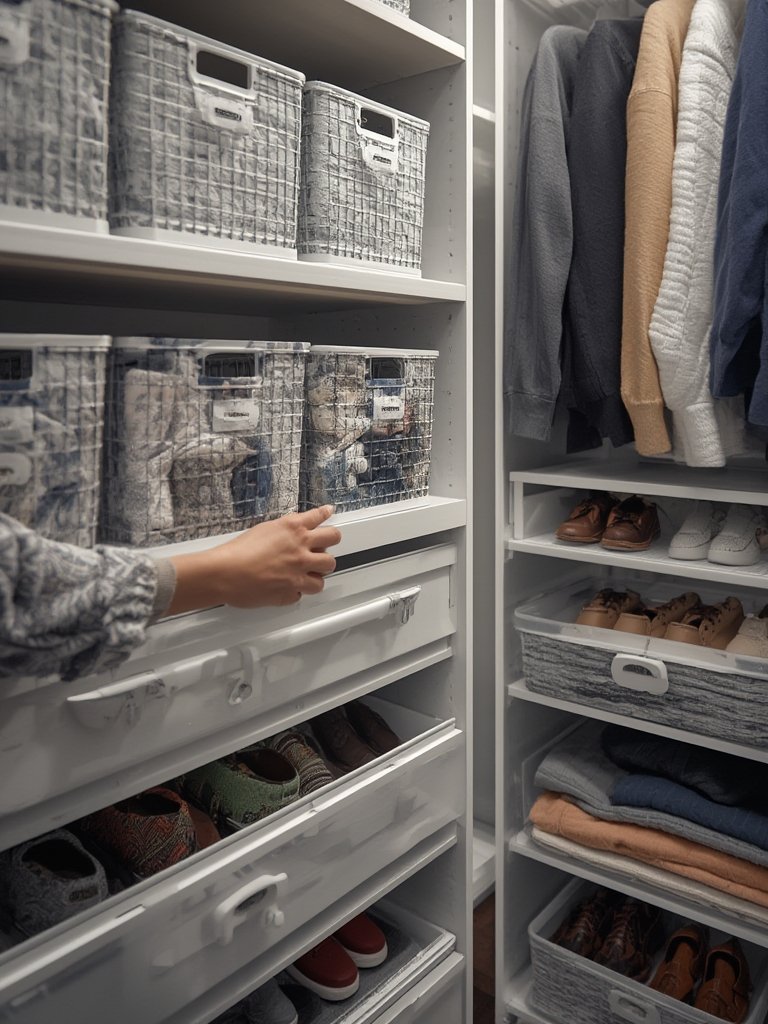
3. Set a Budget for Materials AND Installation
Decide how much you want to spend—not just on materials, but on tools, delivery, installation, and any add-ons. Be realistic. Installation (especially for custom closet systems) can add 30% or more to the ticket. Look for “hidden” costs: disposal of old materials, necessary permits, ongoing maintenance, or warranty fees. DIY options are more affordable but demand time and skill.
4. Shop for Quality Materials and Features
Select products or systems with proven technical specs—solid wood or metal over particleboard, thick shelves that won’t sag, smooth-rolling hardware, and adjustable components. If you want true customization or longevity, these factors matter more than color or brand.
Don’t forget to check features like cable management, soft-close drawers, and anti-tip hardware if safety matters in your space.
Learn more about long-term ROI and quality material choices in our bathroom remodeling ideas guide—the same best practices apply.
5. Install—DIY vs. Professional
If you choose DIY, block out extra time for measuring, leveling, and following instructions closely. Custom closet systems may require special tools. Professional installation will add cost but can save frustration (and is often necessary for complex or wall-mounted systems).
Anticipate a learning curve or minor mistakes. Even experienced DIYers sometimes mis-measure or encounter missing fasteners.
6. Maintain and Iterate
Once installed, live with the system for a few weeks. Notice what works, which areas still get messy, and whether anything needs to be adjusted or expanded. Good storage solutions should be flexible and evolve with your needs.
To complement your upgrades, consider integrating smart automation with these DIY home decor ideas for walls or energy-efficient home improvements for broader impact on home value and usability.
Advanced Analysis & Common Pitfalls of Home Organization & Storage Solutions
No system or storage solution is perfect. Users encounter real-world issues—many tied to hidden costs, technical limitations, or plain old design oversights. Here’s what the research and experience reveal:
Pitfalls and Realistic Problems
- Hidden Costs: Installing custom closet systems or full-home organization often involves extra fees for mounting, delivery, demo, or even city permits. Off-the-shelf solutions appear cheaper but may not last, costing more in the long run.
- Quality Gaps: Some budget products use particleboard or weak hardware and suffer from shelf sag, wobble, or chipped finishes within months. High-quality options often use solid wood, powder-coated steel, or premium laminates with better connections and warranty support.
- Poor Fit/Function: Mis-measurement or lack of adjustability can mean shelves that waste vertical space or drawers that stick. Non-modular solutions rarely adapt well when your storage needs change.
- No Universal Solution: What solves clutter in one home may be useless in another, depending on family size, hobbies, and daily habits.
| Feature/Aspect | High-Quality Custom System | Budget Off-the-Shelf Option |
|---|---|---|
| Material | Solid wood, thick steel, premium laminate | Particleboard, MDF, plastic hardware |
| Adjustability | Modular, highly adjustable | Limited or fixed shelves/drawers |
| Installation | Often requires professional or skilled DIY | Basic assembly, DIY-friendly |
| Longevity | 10+ years, with warranty options | 1–5 years, prone to sag or damage |
| Cost Range | High ($1,500–$8,000+ installed) | Low ($100–$750 per unit) |
| Best Use Case | Permanent homes, high customization needs | Rentals, small budgets, short-term fixes |
Important Demographics & Trends
Urban dwellers and affluent suburbanites in coastal states (like California, New York, Florida) dominate adoption, driven by smaller living spaces, higher home values, and the need to maximize every square foot (source). In Europe, remote work and a thriving DIY spirit are boosting demand for adaptable, premium storage—even though off-the-shelf options still fill gaps for renters and those new to homeownership.
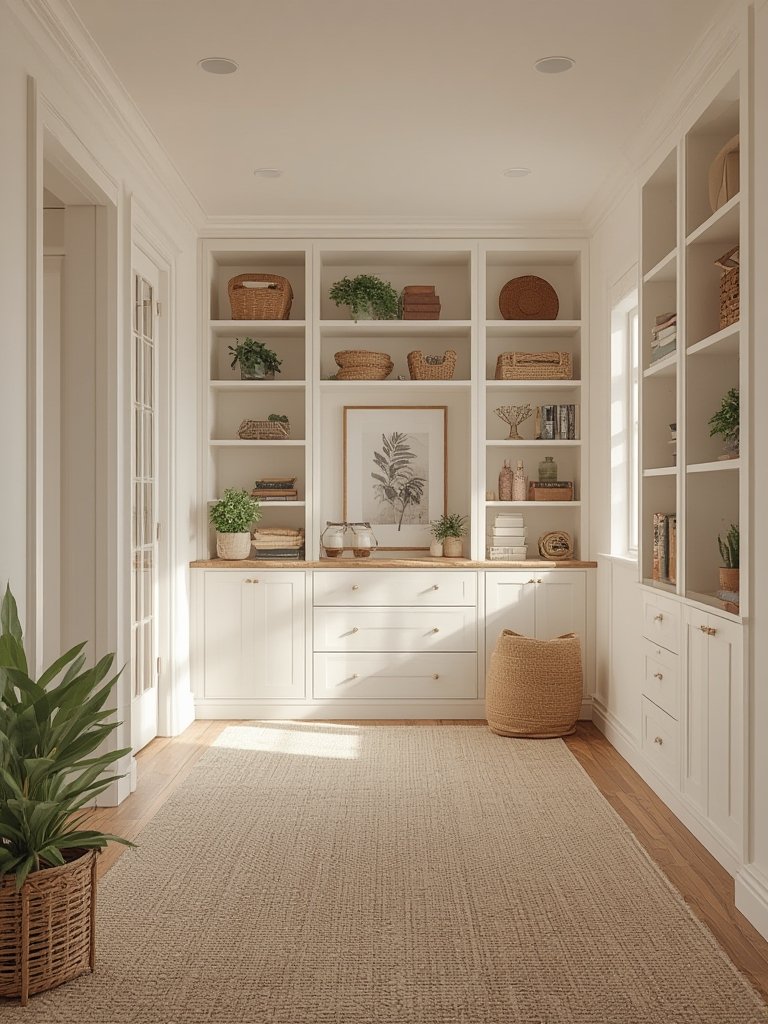
No matter where you live, expect a learning curve and potential regrets if you don’t match your chosen solution to actual household needs. For deeper integration with smart features, explore our Ultimate Smart Home Improvement Ideas guide.
Conclusion
In today’s market, home organization & storage solutions are not one-size-fits-all. Data shows surging demand in North America and Europe, but your real-world results depend on honest needs assessment, budget planning, and matching technical quality to your expectations. Combining smart planning, flexible materials, and good maintenance will make even small spaces feel open and calm—without breaking the bank. To keep your momentum going, blend these upgrades with DIY home decor ideas or the latest energy-efficient upgrades for a truly modern living space. Start your journey toward better organization today, and unlock the full potential of your home organization & storage solutions.
FAQ
How much does a custom closet system cost in 2024?
Costs vary: basic DIY kits start around $200–$800 total, but full custom closets—especially with installation—can reach $1,500–$8,000 or more. Expect additional fees for delivery, removal of old shelving, and upgrades.
Are custom closet systems better than ready-made options?
Custom systems maximize every inch and are built for your specific needs. Ready-made options are more affordable but can waste space or lack needed features. Consider your budget, permanence, and future flexibility before choosing.
Do these storage solutions increase home value?
High-quality, permanent storage increases appeal for buyers—especially in urban or premium markets. Cost-effective upgrades such as adjustable closet kits add short-term comfort, though may not add much resale value on their own.
What features should I look for in a quality storage system?
Look for strong materials (solid wood or steel), modular parts, safety features (anti-tip hardware), and adjustable shelving. Avoid thin particleboard, fixed units, or flimsy connectors if you want longevity.
Who benefits most from advanced storage solutions?
Urban homeowners, affluent suburbanites, and remote workers see the biggest gains—making every square foot count and boosting daily comfort as lifestyles change.
[…] in your home. Measure three times—small errors matter more here than in big houses. Consider custom closet systems or shelf hacks even in awkward […]
[…] your home must serve—sleeping, cooking, working—and what can be omitted or combined. Visit our storage solutions guide for inspiration on prioritizing […]
[…] Choose the Right Modular Pieces Select units that can be reconfigured for different uses. Popular options include stackable shelves, fold-away desks, and beds with built-in drawers. For kitchen or bath remodels, custom closet systems offer space efficiency (see Home Organization & Storage Solutions: 7 Amazing Ways to Maximize Space). […]
[…] organized and avoids the most common money-wasting traps. For more space-maximizing approaches, see Home Organization & Storage Solutions: 7 Amazing Ways to Maximize Space (Proven Guide) and Tiny Home Renovations: 7 Amazing Ways to Maximize […]
[…] for more ideas to optimize every corner of your home? Discover home organization solutions that maximize space and tie seamlessly into your smart home […]
[…] Double-check tech essentials Stable high-speed internet, surge-protected outlets, good webcam/microphone, secure Wi-Fi. If you’re upgrading, see storage and organization tips here. […]
[…] next project with these outdoor kitchen ideas and check out related guides on DIY Home Decor and Home Organization & Storage Solutions for a full-home transformation. Don’t wait—your backyard upgrade is just a few strategic […]
[…] when ordering online. 🔥 Hacks & Tricks: Try combining modular furniture with custom closet systems or stackable organizers. This lets you double your storage capacity without crowding the room, […]
[…] Rate Necessary Repairs vs. Aspirational Upgrades Address water leaks, faulty door openers, and energy inefficiency before splurging on epoxy floors or built-in cabinetry. If needed, revisit home organization fundamentals with these expert storage strategies. […]
[…] to declutter beyond your office? Our home organization & storage solutions guide offers step-by-step help for staying tidy across your whole […]
[…] all day. For deeper integration, see these modular furniture ideas or discover more about storage upgrades for tight […]