

Large scale renovation planning is one of the most ambitious projects a homeowner can take on, promising major lifestyle upgrades but also introducing serious risk if not handled carefully. Budget overruns, delays, and legal obstacles are common—and costs in 2024 are at record highs. Before you start, get the latest facts, avoid hidden traps, and follow proven expert steps to ensure your renovation delivers real value.
Key Takeaways
- National average renovation costs have risen sharply in 2024—know your numbers before starting.
- Nearly 40% of homeowners blow their renovation budget due to hidden costs and project changes.
- Detailed planning, budgeting, and understanding ROI by region are critical for successful large scale renovation planning.
- What Is Large Scale Renovation Planning and Why Does It Matter?
- Step-by-Step Guide: Large Scale Renovation Planning in 2024
- Advanced Analysis & Common Pitfalls
- Conclusion
- Frequently Asked Questions
What Is Large Scale Renovation Planning and Why Does It Matter?
Large scale renovation planning means mapping every detail for major remodeling or home additions—think adding new suites, gutting kitchens, finishing basements, or even doubling your home’s footprint. This process involves not just picking finishes, but researching costs, ROI, schedules, regulatory hurdles, and contingencies from day one.
In 2024, costs for large scale renovations have jumped. A midrange primary suite addition averages $164,649, while an upscale suite can cost $339,513. Major kitchen overhauls can run $79,982 (midrange), or $158,530 for luxury designs. ROI varies: high-end projects often recoup less at resale than mid-priced ones, and regional factors can increase or decrease your returns dramatically. Learn more about national averages and ROI here.

Why does it matter? Because overspending and project stress are the rule—not the exception. According to a recent 2024 research report, US renovation spending hit $463 billion in Q1 alone. 40% of homeowners bust their budgets, often due to price creep, scope expansion, or missed estimates. Regional ROI can swing hundreds of percent—planned right, you protect your investment and sanity.
Homeowners exploring energy efficiency or smart home upgrades as part of a larger renovation can benefit from pairing projects. For guidance, see our Energy-Efficient Upgrades guide.
Step-by-Step Guide: Large Scale Renovation Planning in 2024
Success with large scale renovation planning hinges on disciplined process and informed decisions. Here’s a step-by-step guide to protect your investment and avoid the mistakes that cost homeowners tens of thousands in 2024.
-
Research Current Costs and ROI in Your Region
- Use reliable sources like Premier Mortgage to check 2024 cost benchmarks for specific project types.
- Calculate resale ROI in your area—returns on kitchen and bathroom remodels differ sharply by region.
-
Define Scope and Must-Haves (Versus “Nice-to-Haves”)
- Make a detailed, prioritized wish list. Separate essentials from upgrades you could postpone or DIY.
- Discuss early with family or future occupants to avoid late-game “add-ons” that balloon costs.
-
Set a Realistic, Flexible Budget
- Add 20%+ to your working estimate. Median kitchen costs jumped to $24,000 in 2024 and are climbing.
- Get multiple contractor bids and check if appliances, cabinetry, and inserts are truly included.
- Don’t forget permitting, design, demolition, and contingency funds.
-
Start the Design & Permitting Process Early
- Engage a licensed architect or designer with large project experience.
- Proactively check with municipal officials about zoning, building code, and inspection requirements. Delays here are more common than you might expect.
-
Schedule Construction and Plan for Disruption
- Request a written schedule with key milestones from your contractor. Include start and end dates for major phases—kitchen, bathroom, structural work.
- Anticipate at least some delays; labor and supply shortages still affect timelines.
- If living on site, create strategies for cooking, bathing, and privacy amid chaos.
-
Monitor Progress, Quality, and Spending
- Hold regular check-ins with your contractor—weekly is best.
- Keep a change log if your scope or finishes shift. Approve all cost increases in writing.
-
Document Everything for Final Inspection and Re-Sale
- Retain all permits, inspection records, invoices, and modification orders. Read our money-saving renovation checklist here.
- Request a final walkthrough with the contractor before full payment.
For homeowners planning upgrades as part of aging-in-place or accessibility projects, our in-depth Aging In Place Home Modifications guide provides additional vital tips.
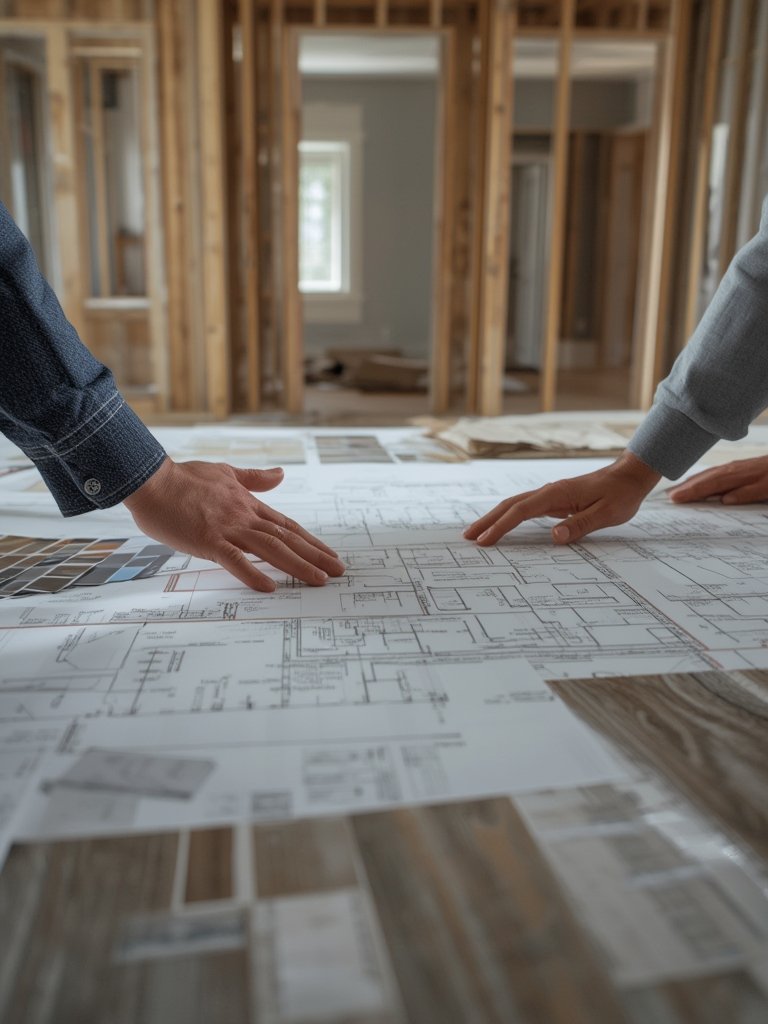
If you’re including home technology, automate project scheduling and energy efficiency upgrades with suggestions from our smart home improvement ideas.
Advanced Analysis & Common Pitfalls
Even seasoned renovators stumble into the same traps. Here’s what research and experience say to watch for—plus how your choices can impact ROI in 2024.
| Common Pitfall | Typical Impact | Actionable Solution |
|---|---|---|
| Underestimating Budget | Nearly 40% go over initial budget—sometimes by tens of thousands (source). | Add 20%+ for overruns; check every bid for what’s included. |
| Scope Creep & Mid-Project Changes | Material upgrades and late changes add cost; cabinetry and inserts are big drivers. | Rank priorities; freeze design before contract; approve all changes in writing. |
| Legal/Permitting Problems | Major city rules can halt projects or lead to expensive delays/fines. | Consult city officials, pull permits before demo starts, document everything. |
| Poor Contractor Vetting | Low bids can mask missing scope; disputes or quality issues can stall projects. | Check references and licenses; insist on detailed contracts; never pay in full up front. |
| Poor Communication | Untracked changes, unclear timelines, or missed mistakes until too late. | Hold weekly meetings and keep a project binder or digital log. |
It’s easy to get excited and skip the fine print. Technical requirements—like zoning, inspections, or new building codes—in major cities can mean extra delays and unplanned expenses if overlooked. Unfortunately, most competitor guides provide little actionable detail on this front.
For homeowners seeking to maximize storage or improve organization during renovations, be sure to explore space-maximizing solutions to avoid clutter buildup as new spaces are added.

Conclusion
Renovating on a grand scale demands more than vision—it demands rigorous large scale renovation planning. From escalating 2024 costs to legal landmines, it’s the details you control up front that protect your time, budget, and future home value. If you want more inspiration for smart, energy-efficient systems or organizing your new space, our Energy-Efficient Upgrades and Home Organization Solutions guides can help.
Ready to get started? Use these proven steps as your roadmap—and revisit this guide whenever your large scale renovation planning process hits a crossroads.
Have questions about your own renovation? Leave a comment below or explore expert guides linked throughout this page for deeper insights and checklists.
Frequently Asked Questions
How much does a large scale home renovation cost in 2024?
National averages show a midrange primary suite addition costs $164,649 and a major kitchen remodel $79,982 in 2024. Upscale versions can double those numbers. Always budget for at least 20% more than baseline estimates due to hidden costs. See source.
What causes the most budget overruns in large renovations?
The main culprits are opting for pricier materials during construction, design or scope changes midway, and unanticipated project complications. Meticulous early planning and a generous contingency fund are the best defense.
Do I need permits for a major home addition?
Absolutely. Most cities require permits for anything that changes your home’s structure, size, or systems. Always check with your local permitting office before starting—even if a contractor says you can skip it.
How can I avoid delays and legal headaches during renovations?
Start planning permits early, work only with licensed professionals, and check that your plans comply with local zoning and building codes. Document all communications and keep printed or digital records of every permit and inspection.
Is investing in smart home upgrades or energy efficiency worth it during a major remodel?
Yes—integrating energy-efficient systems or smart technology as part of your large scale project can boost ROI, improve comfort, and make your home future-proof. For ideas, see our smart home improvement ideas.

[…] For further guidance on regulatory hurdles, you may want to read about avoiding legal pitfalls in large renovations. […]