

Outdoor kitchen ideas are soaring in popularity as Americans invest in multifunctional, stylish living spaces that blur the line between indoors and out. Whether you’re planning a gourmet backyard grilling station or a weatherproof dining retreat, getting it right means balancing design, budget, and year-round usability.
Key Takeaways
- The U.S. outdoor kitchen market is booming in 2024, with modular, weatherproof, and multi-functional designs leading the way.
- Most homeowners spend more than $30,000 on custom setups, but modular systems offer faster, more affordable alternatives.
- Weatherproofing, regional climate, and selecting the right materials are critical to lasting results and low maintenance.
- What Makes Outdoor Kitchen Ideas a Must-Have in 2024?
- Step-by-Step Guide: Designing and Building Your Outdoor Kitchen
- Advanced Analysis and Common Pitfalls
- Conclusion
- Frequently Asked Questions
What Makes Outdoor Kitchen Ideas a Must-Have in 2024?
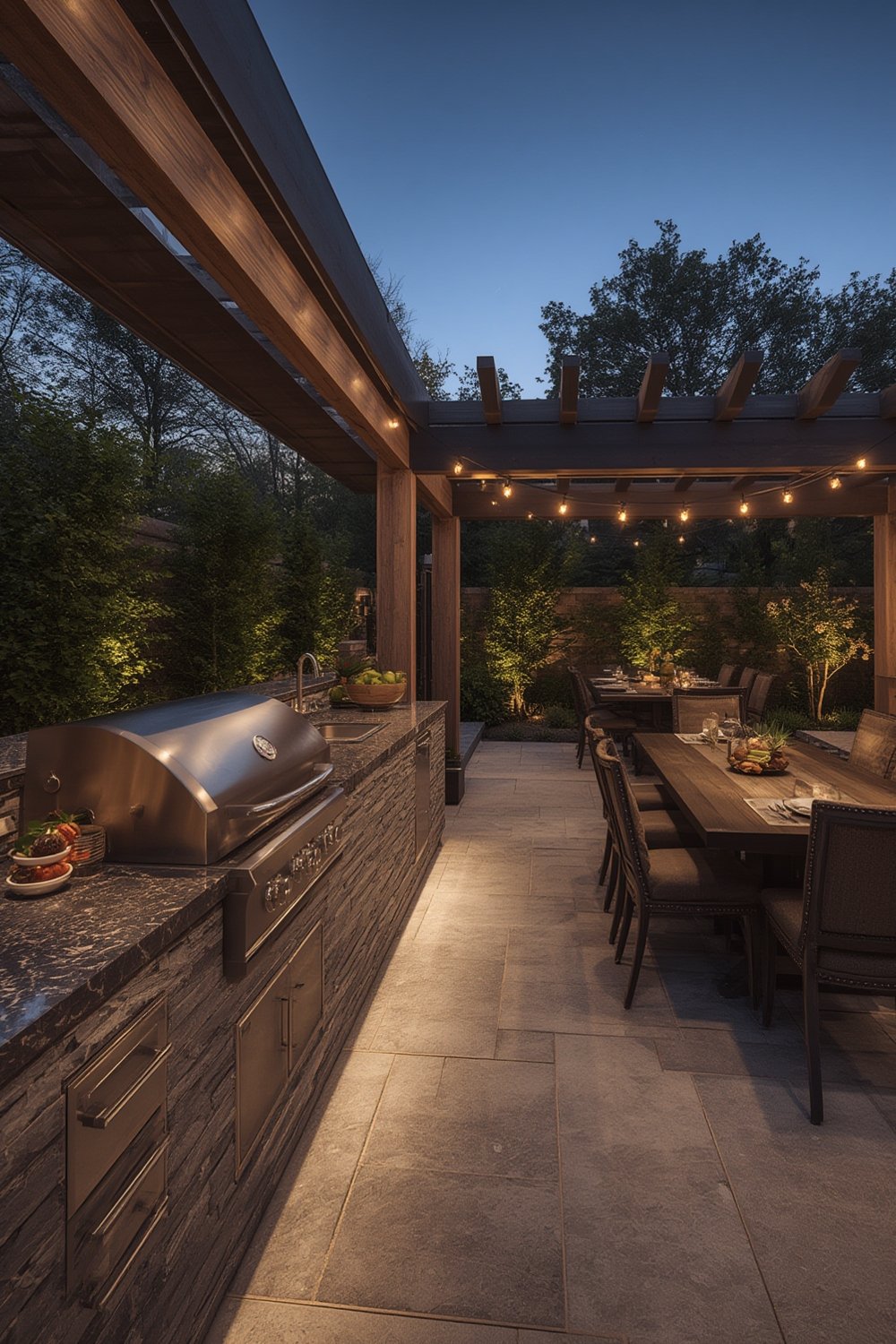
Outdoor kitchen ideas combine timeless backyard entertaining with cutting-edge trends and smart investments. The U.S. outdoor kitchen market exceeded $9 billion in 2024 and is set to double by 2033, driven by desires for all-season cooking, personalized outdoor lounges, and seamless indoor-outdoor living. Households in Sun Belt states, such as California and Texas, prioritize designs with modular cabinets, built-in griddles, pizza ovens, and weatherproof storage to enjoy grilling culture year-round.
Not only do these spaces enhance lifestyle, but they also boost property values. Features like multi-functional cooking areas and pre-assembled modules mean faster installation and flexibility if your needs change. With nearly half of homeowners now adding outdoor kitchens or living spaces, staying ahead of these trends ensures your investment returns value and daily enjoyment.
Step-by-Step Guide: Designing and Building Your Outdoor Kitchen
Building an outdoor kitchen that lasts and fits your needs isn’t just about picking attractive appliances. It’s a strategic process that integrates layout, materials, and climate readiness. Follow these steps for a stress-free install and a kitchen you’ll actually use.
- Assess Your Space and Local Climate: Measure your available area. Consider sunlight, wind, and how seasonal changes will affect use. Durable, weatherproof materials are essential for humid or rainy states. In high-temperature regions, choose UV-resistant finishes.
- Set a Realistic Budget: Custom kitchens average over $30,000, including professional installation and top-tier appliances. Modular kits and BBQ pods are more affordable and can be set up in hours rather than months. Remember to factor in costs for utility hookups, foundation, and required permits if your area demands them.
- Choose a Functional Layout: Decide on built-in versus freestanding. Popular options include grills with integrated sinks, fridges, prep counters, and storage. U-shaped or L-shaped layouts maximize flow but require more space. Plan separation between hot zones (grill) and cold zones (refrigeration).
- Select Materials for All-Weather Use: Stainless steel and outdoor-grade polymers handle moisture, heat, and insects best, according to recent trends (source). Avoid particleboard, which deteriorates quickly outdoors. Composite or recycled-content cabinets are sustainable alternatives worth exploring.
- Install Utilities Safely: Plan water, gas, and electrical runs well in advance. Always use licensed professionals. Factor in local codes or HOA requirements—some areas need permits for gas lines or covered kitchens.
- Incorporate Custom Features: Extras like pizza ovens, smokers, wine fridges, or smart lighting (read more in our Smart Home Improvement Ideas guide) set your setup apart.
- Consider Year-Round Use: Add heaters, enclosures, or fire pits for colder months. Weatherproof cabinets and retractable awnings make the kitchen usable no matter the forecast.
- Plan Furnishings and Décor: Outdoor furniture with weather-resistant cushions is a must. Durable rugs and built-in seating leave a lasting impression (and boost ROI, as seen in spa bathroom upgrade strategies).
Advanced Analysis and Common Pitfalls
Even the best outdoor kitchen ideas can backfire if common mistakes aren’t addressed up front. Here’s what to watch for, based on market research and what most articles tend to overlook.
- Hidden Costs and Delays: Custom setups often run over $30,000 and exceed 3 months in build time. Only 16% of homeowners DIY the entire project; most pay more for professionals (source).
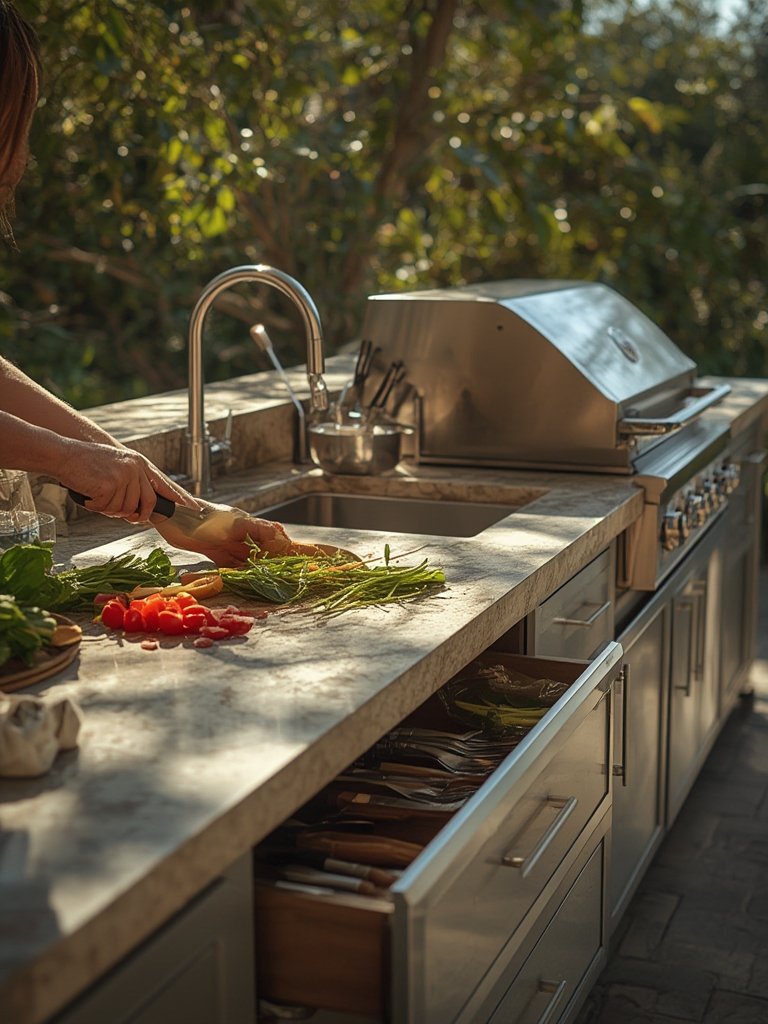
- Poor Weatherproofing: Skimping on cabinet materials or install quality in humid or hot regions leads to rapid decay and constant maintenance. Sun Belt states invest most in stainless steel or polymer cabinetry for this reason (source).
- Layout Mistakes: Placing grills too close to the house, or failing to separate hot and cold zones, causes safety hazards and makes cooking awkward.
- Skipping Permit and Utility Checks: Local codes vary. Failing to obtain permits for water, gas, or electrical runs can require costly tear-outs later.
- Insufficient Climate Adaptation: No heaters or enclosures in cold climates means you’ll use the kitchen a lot less than planned.
- Rushing to Furniture and Decor: Buying trendy (but non-weatherproof) outdoor furniture wastes money. Always opt for performance fabrics and quick-dry cushions—see similar advice in our storage solutions guide.
| Factor | Custom-Built Kitchen | Modular/Pre-Assembled Kitchen |
|---|---|---|
| Approximate Cost | $30,000+ | $6,000–$15,000 |
| Installation Time | 2–4 months | 1 day–1 week |
| Durability | High (if premium materials used) | Moderate–high (varies by kit) |
| Customization | Maximum | Limited/modular |
| Permit Requirements | Often required for utilities | Varies (may be simpler with non-permanent systems) |
For a smooth experience, build a checklist for each stage—or download one from a trusted home improvement platform. Staying organized saves money and reduces surprises.
Conclusion
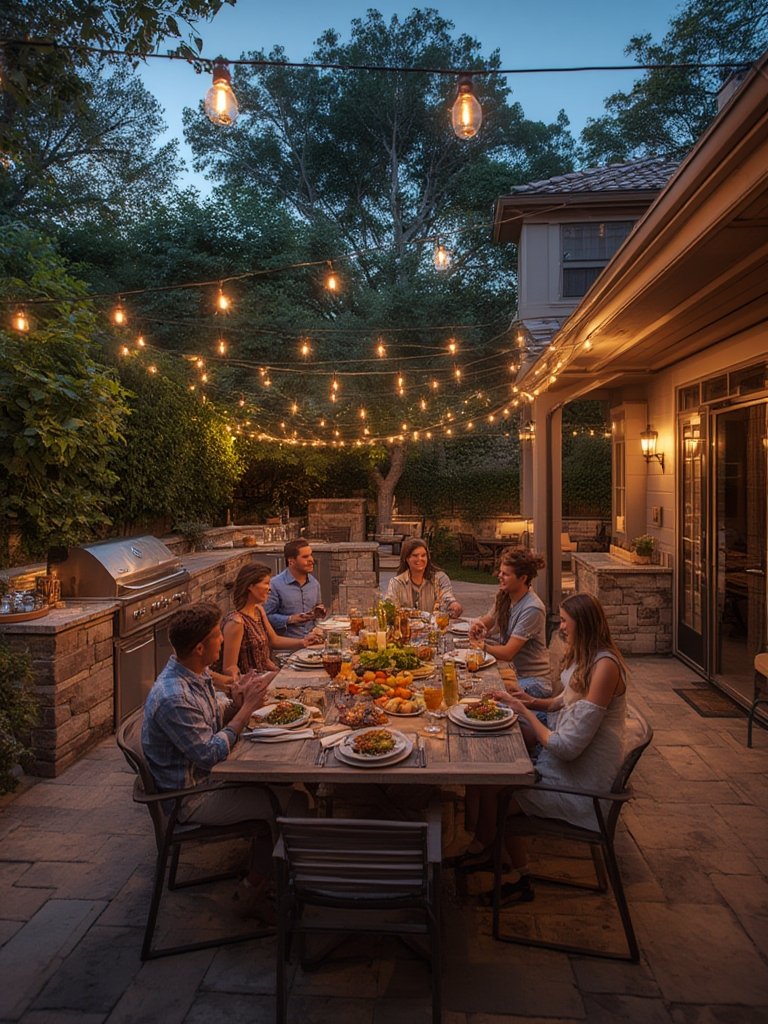
The outdoor kitchen ideas trending in 2024 blend durability, convenience, and style for everyone—from dedicated grillers to family-focused entertainers. Whether you opt for a high-end custom setup or a fast modular kit, success depends on proper weatherproofing, material selection, and thorough planning. Don’t forget to leverage climate-specific features and adapt for all-season use; your investment is more rewarding when it’s truly usable all year.
Want to get even more from your home? Explore upgrades like smart lighting or storage systems in our energy-efficient upgrades guide or plan a streamlined remodel using tips from our large scale renovation planning article. Ready to create an outdoor space you’ll love? Start designing your outdoor kitchen ideas today for maximum value and enjoyment.
Frequently Asked Questions
How much does it cost to build an outdoor kitchen in 2024?
Most custom outdoor kitchens cost over $30,000. Modular and BBQ pod-style setups can cost between $6,000 and $15,000, depending on features and materials. Costs are higher in regions with year-round use, like California or Texas.
What materials last the longest in outdoor kitchen setups?
Stainless steel and outdoor-ready polymers are favored for durability and weather resistance, especially in humid or hot climates. Avoid untreated wood and particleboard, which are prone to rot and warping.
Will I need permits or professional installation?
If your kitchen includes gas or electrical lines, or is covered, you’ll likely need permits. Almost 84% of homeowners hire professionals for at least part of the installation to ensure code compliance and safety.
Can I use my outdoor kitchen year-round?
Yes, if you plan for it. Install features like heaters, weatherproof cabinets, and retractable awnings for protection in all seasons. In colder areas, incorporate windbreaks or infrared heaters to boost usability.
What are the biggest mistakes to avoid?
Common pitfalls include not planning for climate, choosing poor materials, skipping utility planning, and underestimating the total cost. Failing to consider functional layout or storage needs can also reduce long-term value.
[…] you want inspiration, check out these backyard grill setups that show how flexible outdoor kitchen ideas can be in […]
[…] you want to further enhance your outdoor experience, consider integrating an outdoor kitchen for grilling and cooking, which pairs well with modern patios. Smart lighting and other home automation devices can also […]
[…] to add an outdoor kitchen or grill area? Check out these outdoor kitchen ideas for 2024 for tips on building year-round entertaining spaces that boost home […]
[…] This convergence is at the center of modern home improvement, connecting with larger trends in energy efficiency and advanced backyard […]