

### Blog Post:
Tiny home renovations are reshaping the way people optimize limited space for comfort and function. Whether you’re looking to increase livability, boost efficiency, or personalize your micro home, understanding the latest trends and truths about the process is crucial. This guide breaks down exactly what to expect, key challenges you’ll face, and actionable strategies to make the most of every square foot—without sugarcoating the hard parts.
Key Takeaways
- The global tiny homes market reached up to $21.9 billion in 2024, with North America holding a major share, but renovation data is scarce and most sources focus on new builds.
- Space optimization in tiny home renovations often relies on lofts, modular construction, and customized storage, yet dweller-reported renovation challenges and regrets are rarely published.
- Costs, timeframes, and comfort outcomes for tiny home renovations are rarely covered—be prepared for unexpected complexities and always plan for real user needs, not just the latest trends.
- What Are Tiny Home Renovations and Why Do They Matter?
- How to Renovate a Tiny Home: Step-by-Step Action Plan
- Advanced Analysis & Common Pitfalls in Tiny Home Renovations
- Conclusion: Should You Renovate Your Tiny Home?
- Tiny Home Renovations: Frequently Asked Questions
What Are Tiny Home Renovations and Why Do They Matter?
Tiny home renovations involve updating, reimagining, or expanding the functionality of living spaces typically under 400 square feet. Unlike traditional remodels, these projects demand creativity and precision due to severe space constraints and unique building codes.
In 2024, the tiny homes market is estimated between $5.8 billion and $21.9 billion globally, with North America leading, driven by affordable housing demand and friendly ADU laws. But, actual numbers on renovations versus new builds remain scarce (Today’s Homeowner). Most growth is linked to consumers seeking minimalism, sustainability, and lower costs (Cognitive Market Research).
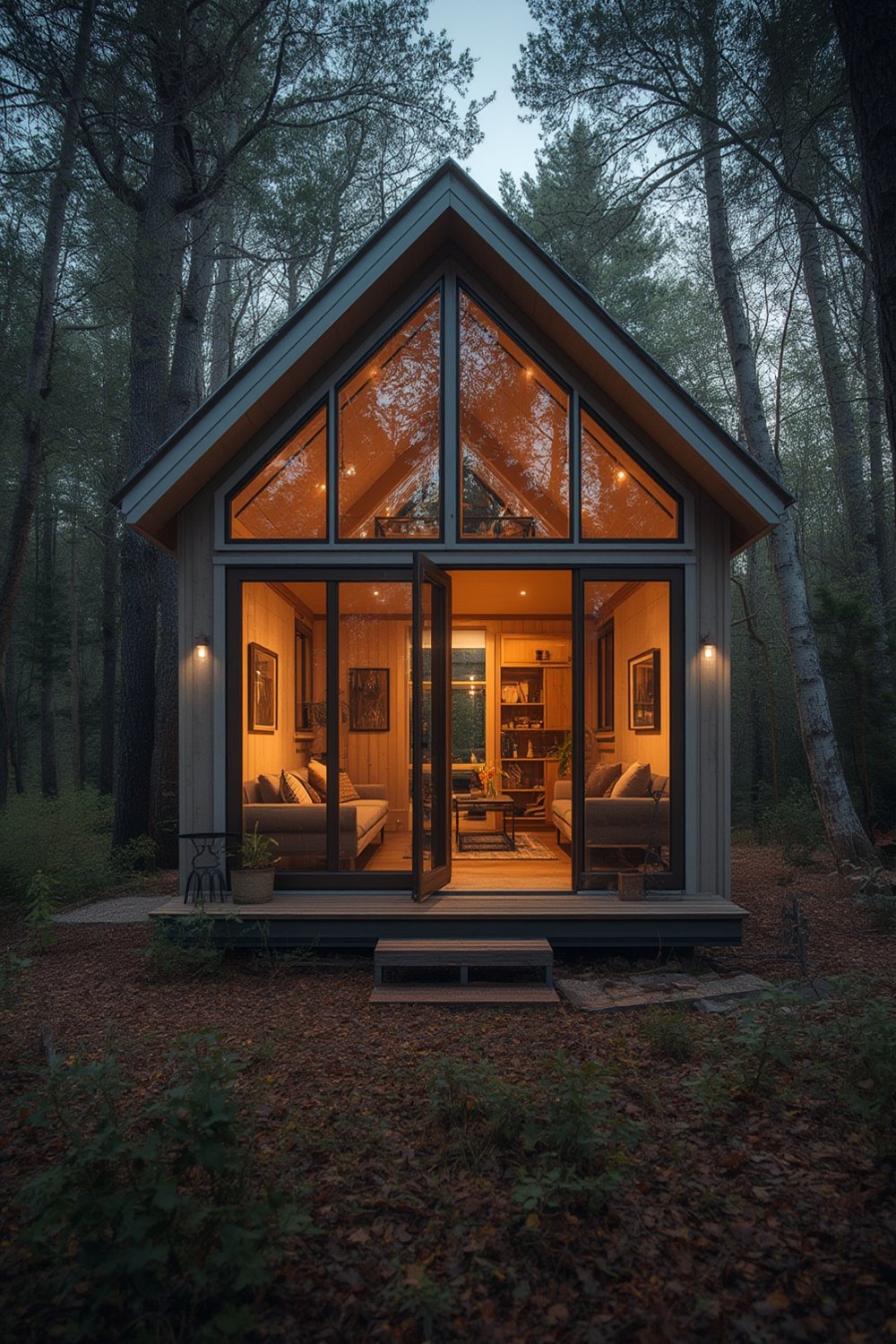
Unlike large-scale renovations (learn how to control costs here), tiny home remodels require genuinely thoughtful investment in storage, multipurpose use, and energy efficiency. Smart, technical design choices make the space, comfort, and daily living possible.
Staying realistic is essential. Data on specific renovation outcomes is lacking. It pays to focus on design principles with proven space-maximizing track records—such as lofted sleeping areas, sliding or hidden furniture, modular construction, and personalized storage. Skipping style for functionality, when it matters, is the path to long-term satisfaction.
How to Renovate a Tiny Home: Step-by-Step Action Plan
Renovating a tiny home is as much about problem-solving as it is about style. Below is a practical, no-nonsense approach to updating your space for maximum value and livability.
-
Space Audit:
Document every storage nook, vertical surface, and open pocket in your home. Measure three times—small errors matter more here than in big houses. Consider custom closet systems or shelf hacks even in awkward corners.
-
Set Priorities:
What limits your daily routine? Is it a lack of workspace, a cramped bathroom, or poor storage? Rank your top 2-3 must-fix issues, then focus the bulk of your budget there. Consider advice from bathroom remodel ROI tips for wet areas.
-
Choose Space-maximizing Upgrades:
- Install a sleeping loft or elevated storage;
- Opt for slide-out or fold-away furniture for dining and work zones;
- Leverage open shelving, hooks, and multipurpose cabinetry—see inspiration from DIY home decor trends.
-
Plan for Light & Air:
Don’t block windows and consider installing skylights or transoms to enhance natural light. Good ventilation prevents stuffiness, especially post-renovation or during wet seasons.
-
Go Smart:
Integrate smart home technology for lighting, temperature, and security. Efficient controls make small homes feel bigger and more comfortable. See smart home improvement ideas for practical tips.
-
Material Selection:
If you want to boost long-term performance, consider new popularity in prefab and concrete modules for durability, or 3D-printed elements for custom storage (Technavio Market Analysis). Prioritize products with proven insulation and moisture control.
-
Conceal and Think Vertically:
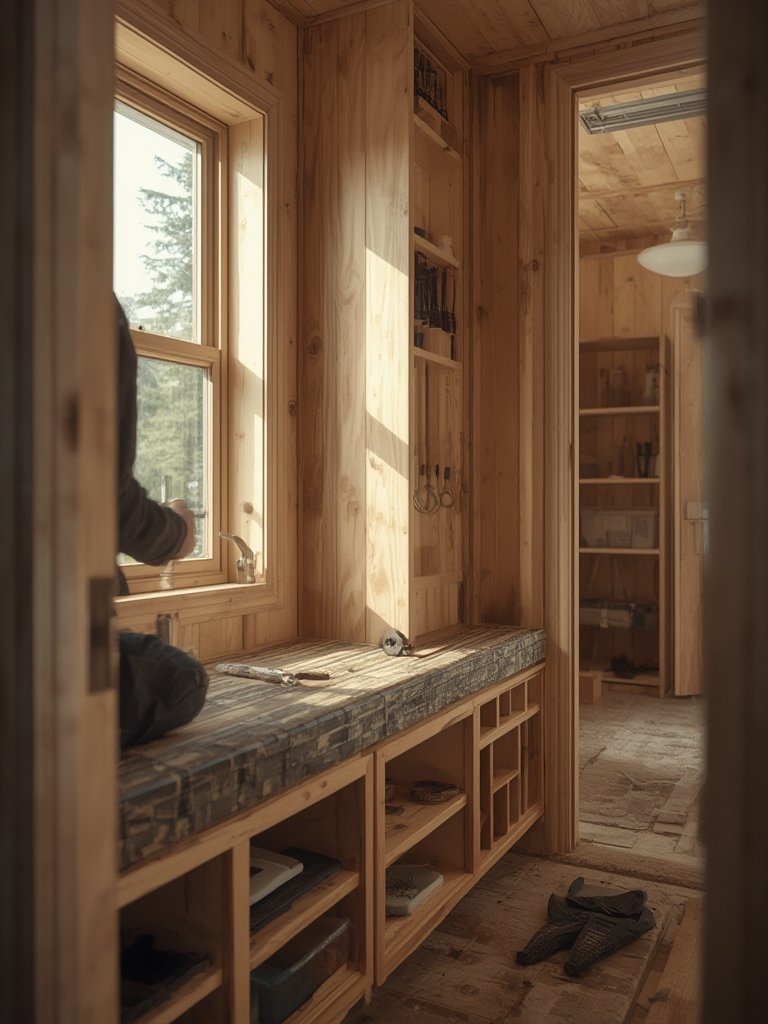
Install wall-integrated storage, ceiling-hung racks, or even lofted plant shelves. Rethink wasted airspace. Large art or bold paint can help rooms feel taller—see DIY decor: large wall art trends for ideas.
-
Energy Efficiency:
Add weatherstripping, insulation layers, or consider solar-powered upgrades. For ROI calculations, reference energy-efficient upgrades.
-
Small Details Matter:
Use pocket doors instead of swinging ones; swap out clunky fixtures for slimline, multi-purpose versions. Every inch adds up.
-
Test Before You Finish:
Temporarily set up furniture or storage upgrades (even with cardboard mockups) before final installation to check flow and ease. Not everything that looks good online fits tiny spaces in real life.
Advanced Analysis & Common Pitfalls in Tiny Home Renovations
Most renovation guides romanticize tiny home life, but real-world problems can offset the excitement without careful planning. Based on compiled research and market data, here are the most realistic pitfalls and challenges to expect:
- Lack of Space for Mechanical Systems: Upgrading HVAC, plumbing, or adding a washer/dryer is often impossible without major demolition. Always leave access panels and routes for maintenance.
- Material Sourcing Headaches: 2024 reports warn about raw material shortages and price hikes. Plan for flexible supply options and potential delivery delays.
- Noisy or Uncomfortable Results: Over-insulating or closing off areas can make homes stuffy and humid. Under-insulating leads to temperature swings and high bills. Test airflow carefully.
- Regulatory Surprises: Municipal rules for tiny home renovations can shift quickly—get all permits, and confirm ADU status or mobility rules upfront to prevent expensive legal issues.
| Aspect | Typical Tiny Home Renovation | Traditional Home Renovation |
|---|---|---|
| Project Size | Under 400 sq ft | 1500–2500+ sq ft |
| Average Budget | Highly variable; data scarce; full rebuilds $30–60K* | $100K–$300K for major projects |
| Timeframe | 4–12 weeks (for minor renovations) | 3–12+ months |
| Space Optimization Tactics | Lofts, modular builds, multipurpose storage, convertible furniture | Expansion, additions, room conversion |
*Source: Today’s Homeowner
Most importantly, leading articles rarely address post-renovation regrets or comfort tradeoffs. Many dwellers later cite poor ventilation, limited seating, or difficult resale as ongoing challenges (though formal surveys are rarely published). Renovators should expect a learning curve and a few missteps—prioritize flexible storage and consult local regulations closely.
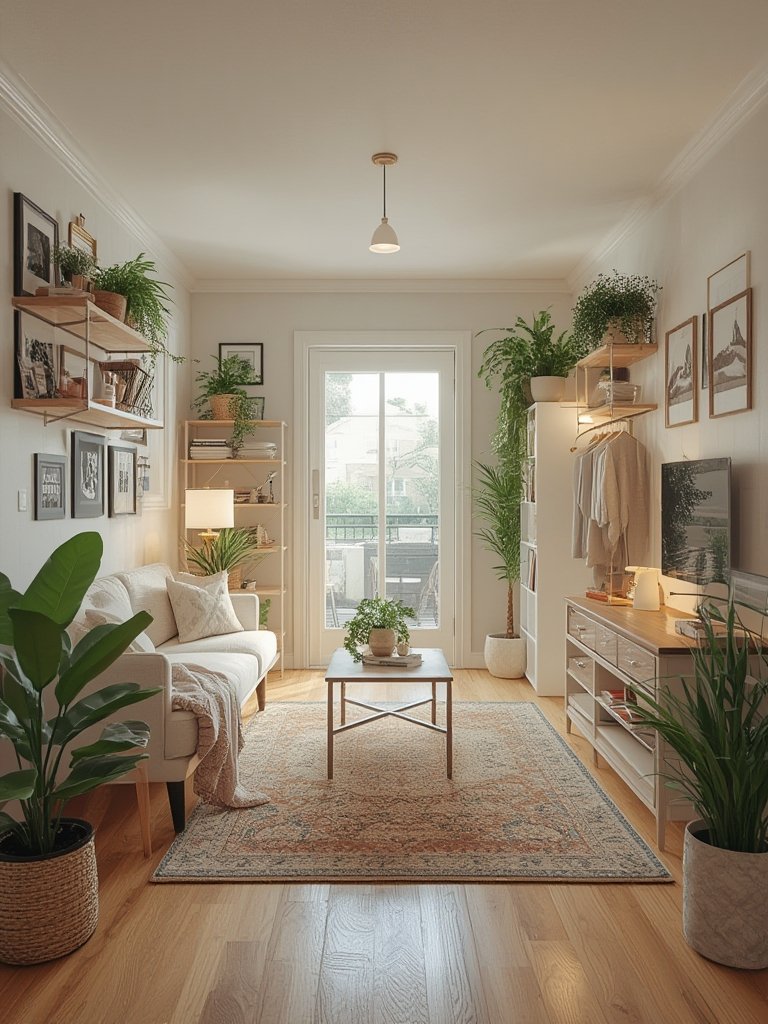
Conclusion: Should You Renovate Your Tiny Home?
Tiny home renovations can be life-changing, but only with smart planning, honest expectations, and an eye for functional design. There is no one-size-fits-all solution, so prioritize real needs over trends and expect surprises along the way. Remember, the most successful projects use strong space-maximizing principles, invest in practical upgrades, and rely on up-to-date market insights—even when industry data is incomplete.
If you’re ready to turn research into results, start simple: audit your space, set clear priorities, and leverage proven tiny home renovation hacks. For more space-saving solutions, check out our guides on organization & storage or dig into smart home upgrades. Taking the first step in your tiny home renovations journey today can set you up for years of streamlined, enjoyable living—start planning and make every square foot count.
Tiny Home Renovations: Frequently Asked Questions
How much does it cost to renovate a tiny home in 2024?
Comprehensive data is lacking, but full rebuilds often match the price of a new tiny home—roughly $30,000 to $60,000. Smaller upgrades can range from $2,000 to $15,000 depending on the scope and material choices. Always budget for hidden expenses.
What are the most effective ways to maximize storage in a tiny home?
Lofted beds, modular shelving, convertible furniture, and built-in storage are among the top tactics. Using vertical space and installing smart home devices can further improve livability and efficiency.
Are prefab or 3D-printed elements worth it for tiny home renovation?
In some cases, yes—prefab concrete modules and 3D-printed storage offer durability and faster installation. However, check technical specs and compatibility with your build before investing, as supplier choice impacts quality.
What are common regrets after completing a tiny home renovation?
While detailed homeowner feedback is limited, known regrets include insufficient ventilation, lack of flexible seating, and unexpected maintenance complexity. Planning for future needs and building in adjustability help avoid these pitfalls.
Where can I learn more about space-saving solutions for all home sizes?
Explore our in-depth resource on home organization & storage for actionable insights on maximizing every inch, whether your space is tiny or expansive.

[…] even more tips on space-savvy designs, explore Tiny Home Renovations: 7 Amazing Ways to Maximize Space. And if your storage dreams go beyond the garage, don’t miss the insights at Home Organization […]
[…] Pick a location based on traffic, noise, and privacy. If possible, avoid multi-use spaces like the kitchen table. Even if you’re in a studio or small apartment, a compact “office zone” can be carved from a corner—use bookcases, folding screens, or large plants as simple boundaries. For ideas on maximizing small spaces, see our guide on Tiny Home Renovations. […]
[…] inspiration on maximizing efficiency in every corner, check out our guides on tiny home renovations and modular furniture for small […]
[…] even more on space-smart strategies, see our deep-dive on tiny home renovations and modular […]
[…] For advanced tips on making the most of your living space, see these guides on smart home upgrades and micro home design. […]