

Tiny home renovations have never been more popular as homeowners seek to maximize every inch of space, save on costs, and embrace a minimalist, sustainable lifestyle. But transforming these compact dwellings isn’t as simple as resizing a traditional remodel. The smallest missteps can lead to big regrets—and big bills. Here’s your real-world guide to getting tiny home makeovers right in 2024, using proven strategies and data-backed insights.
Key Takeaways
- Micro home renovation trends for 2024 center on cost-efficiency, sustainability, and multifunctional space solutions—but market and supply challenges persist.
- Real ROI is not just measured in dollars, but also eco-impact, customization, and personal fit—resale and regulations often create unexpected hurdles.
- Success comes from smart layout planning, innovative storage, and making every material, fixture, and region-specific rule work for you, not against you.
- The Core Concept: Why Tiny Home Renovations Matter in 2024
- Step-by-Step Guide: Planning and Executing a Tiny Home Renovation
- Advanced Analysis & Common Pitfalls
- Conclusion
- FAQs
The Core Concept: Why Tiny Home Renovations Matter in 2024
Tiny home renovations stand at the intersection of affordability, sustainability, and changing lifestyle priorities in 2024. As the global tiny home market surges—valued at $5.95 to $21.9 billion and growing by 21 percent or more annually—interest is skyrocketing among Gen Z and Millennials. North America now hosts over 10,000 tiny homes, with most under 400 square feet and average costs far below traditional homes. Rising housing prices, inflation, and a push for environmental responsibility have made micro home design more relevant than ever.
Renovating a tiny home isn’t a smaller version of a regular remodel. Space constraints, regulatory hurdles, and a need for highly functional, multi-use design make every decision critical. Today’s top trends include lofted spaces, modular furniture, 3D-printed customization, and eco-features like solar integration—not just for sustainability but to free up valuable floor space. For those considering a renovation, success lies in understanding both the unique benefits and the pitfalls of going tiny.
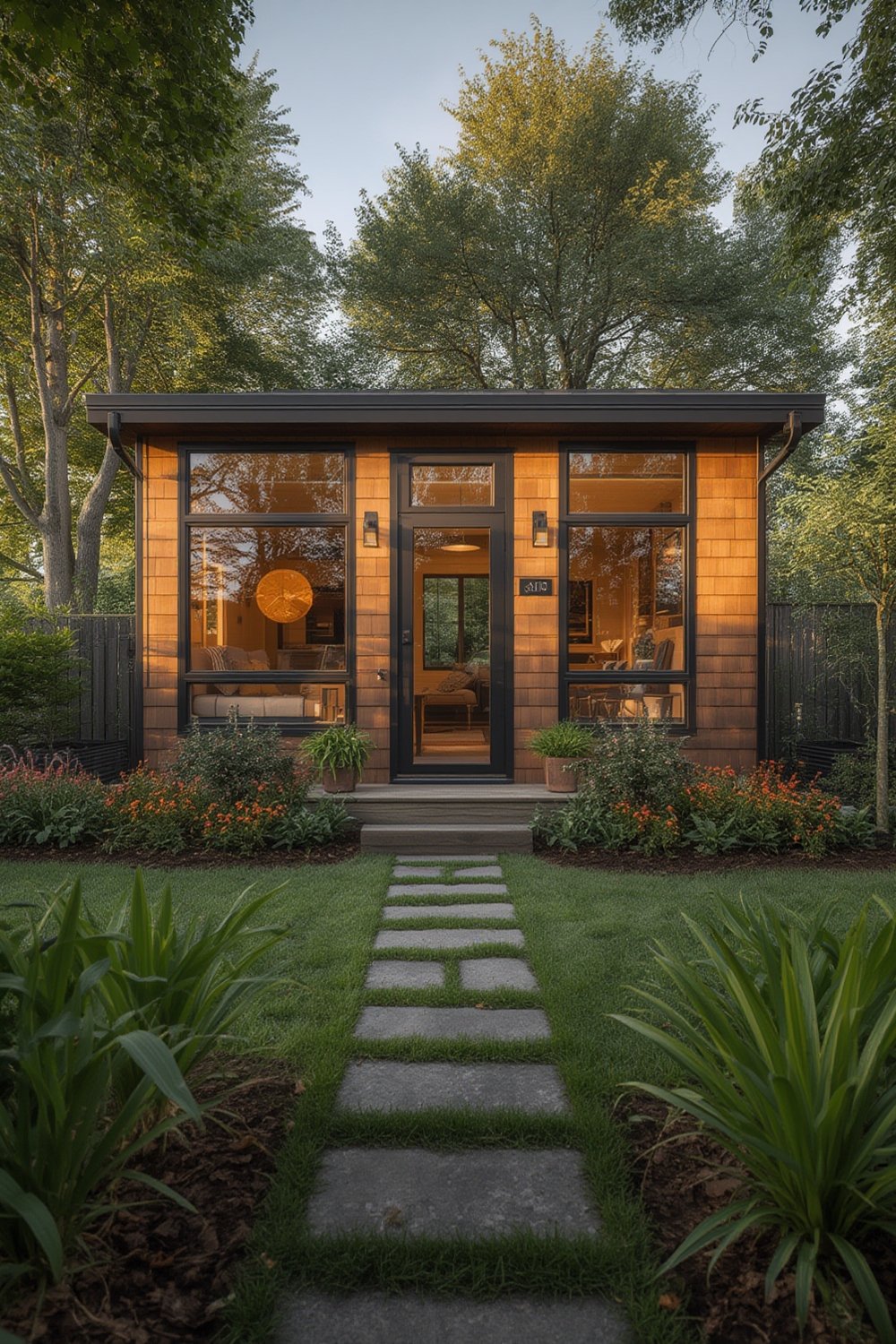
Step-by-Step Guide: Planning and Executing a Tiny Home Renovation
Ready to rethink your tiny space? Here’s a realistic, stepwise approach for remodeling a micro home in 2024.
-
Assess Needs vs. Wants
Make a brutally honest list. Consider what functions your home must serve—sleeping, cooking, working—and what can be omitted or combined. Visit our storage solutions guide for inspiration on prioritizing essentials. -
Set Your Budget and Timeline
With supply fluctuations and labor delays still common, price hikes can bite. Average tiny home builds (including renovations) run $30,000 to $60,000, but customizations—especially lofts and high-end modular installations—add premium costs. Build in a 10-20% buffer for unexpected material or land costs. -
Tackle Legal and Zoning Issues Early
Zoning and land restrictions vary widely. Check local ordinances before purchasing materials or scheduling trades. The 2024 market saw more flexibility in North America, but don’t assume your region is in the clear. For stationary/movable hybrids, double-check wheel and mobility regulations. -
Maximize Space with Multi-Purpose Furniture and Vertical Layouts
Prioritize convertible sofas, fold-down tables, and lofted beds. Modular designs let one feature serve many functions—important if you work from home or host guests. Consider micro home design trends here for example layouts. -
Leverage Innovative Materials and Prefab/3D-Printed Solutions
Prefab units and 3D-printed components can cut installation time, customize storage, and reduce waste. Explore eco-friendly materials like Cube Two concrete or solar-paneled walls for durable, sustainable upgrades. -
Plan for Utilities and Infrastructure
Efficient solar integration, composting toilets, and rainwater systems aren’t just eco-friendly—they free valuable square footage that would be lost to utility closets or traditional tanks. Check our energy-efficient upgrades guide for more info. -
Think Through Maintenance and Resale
Simplicity pays off in upkeep and future marketability, but run the real numbers on what makes sense for your region and lifestyle. Custom, handcrafted touches appeal to many buyers; ultra-specific layouts might become a resale hurdle.
Before building out storage, test your layout with blue painter’s tape. Mark actual furniture footprints on the floor and walls, then “move in” to live with the configuration for a week. You’ll catch awkward bottlenecks and dead zones before spending a dime.
Use the underside of loft platforms to conceal retractable desks, fold-out stairs, or seasonal storage. Magnetic strips on walls and doors double as minimalist organizers for utensils, keys, or tools without drilling extra shelves.
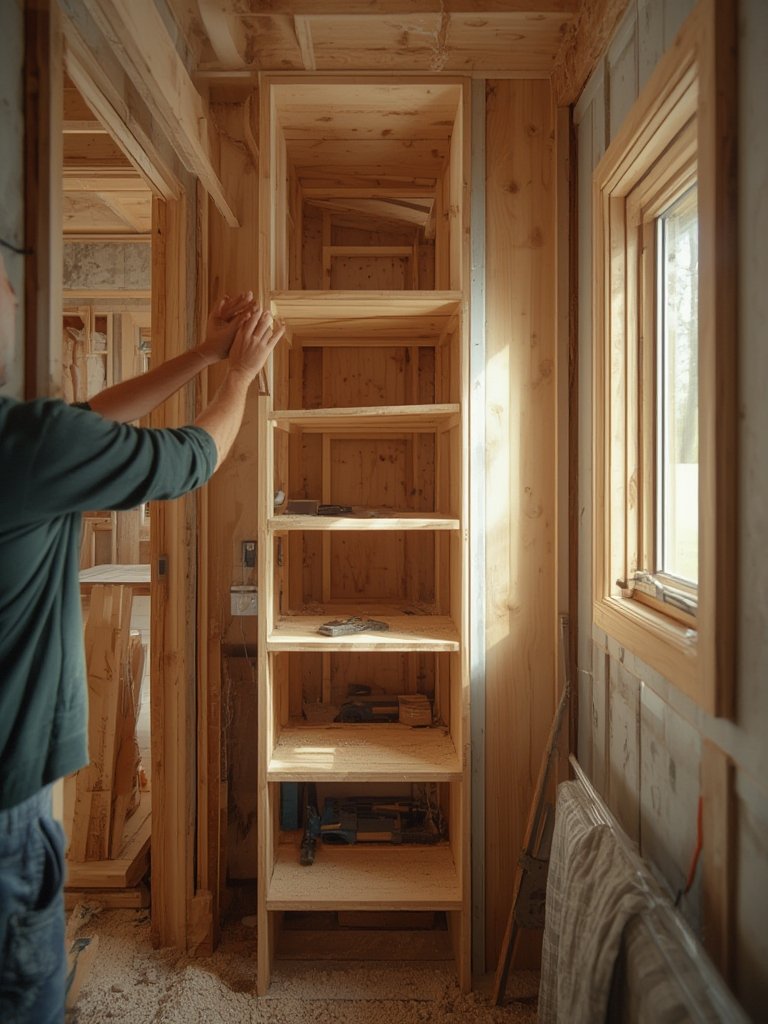
For more actionable design ideas, explore our DIY home decor guide on creative, space-saving transformations, or see how large scale renovation planning applies even to compact properties.
Advanced Analysis & Common Pitfalls
Many tiny home renovations fail for predictable reasons. Here’s what most overlook:
- Material & Supply Delays: Ongoing supply chain disruptions mean long waits and price jumps for basic items. Buying in bulk or considering local prefab/3D-printed alternatives can help.
- Regulatory Surprises: Zoning and permit issues can halt a project before it begins—especially for homes under 130 square feet or mobile units. Regions with recent bylaw changes may still have slow-moving approvals.
- Hidden Costs: Land acquisition, updated hookups for utilities, and mobility-enabling fixtures can erase expected savings fast.
- Poor Space Planning: Overly ambitious built-ins or non-retractable storage can turn a micro home into a claustrophobic one. Vertical expansion (lofts, overhead shelves) works only if it leaves floor areas accessible and safe.
- Eco-Features Gone Wrong: Solar panels, composting, and rainwater systems save space and costs long-term [source], but retrofitting for these can create compatibility or code headaches.
- Resale Barriers: Hyper-customized layouts appeal mainly to like-minded buyers. Features that are hard to reverse or relocate lower resale value, especially in areas still catching up with market trends.
- Financing Friction: Non-standard homes may not qualify for traditional loans or refinancing, creating cash-flow pinch points mid-renovation.
| Feature/Material | Impact on Space | Maintenance | Effect on Resale |
|---|---|---|---|
| Modular, multi-purpose furniture | Maximizes living space, flexibility for changing needs | Low—most are designed for easy cleaning/removal | Medium—universally appealing but not always a resale “wow” |
| 3D-printed custom lofts | Expands vertical storage or sleeping zones | Very low—materials are robust but hard to replace | Variable—hyper-custom solutions wow some buyers, deter others |
| Convertible fixtures (e.g., wall beds, fold-down desks) | Allows multi-use rooms, frees up floor during day | Moderate—moving parts can require upkeep | High if removability is easy, lower if overbuilt |
| Eco materials (solar panels, water-saving fixtures) | May reduce need for bulky utility closets | Low—less grid reliance, but monitor components | Increasingly positive—Green appeal is growing, especially among millennials |
If you’re planning a tiny home remodel, make use of best practices found in our smart home improvement guide—energy efficiency and automation now matter just as much in small homes as in large ones. For custom storage and vertical space tips, check out the organization and storage solutions guide as well.
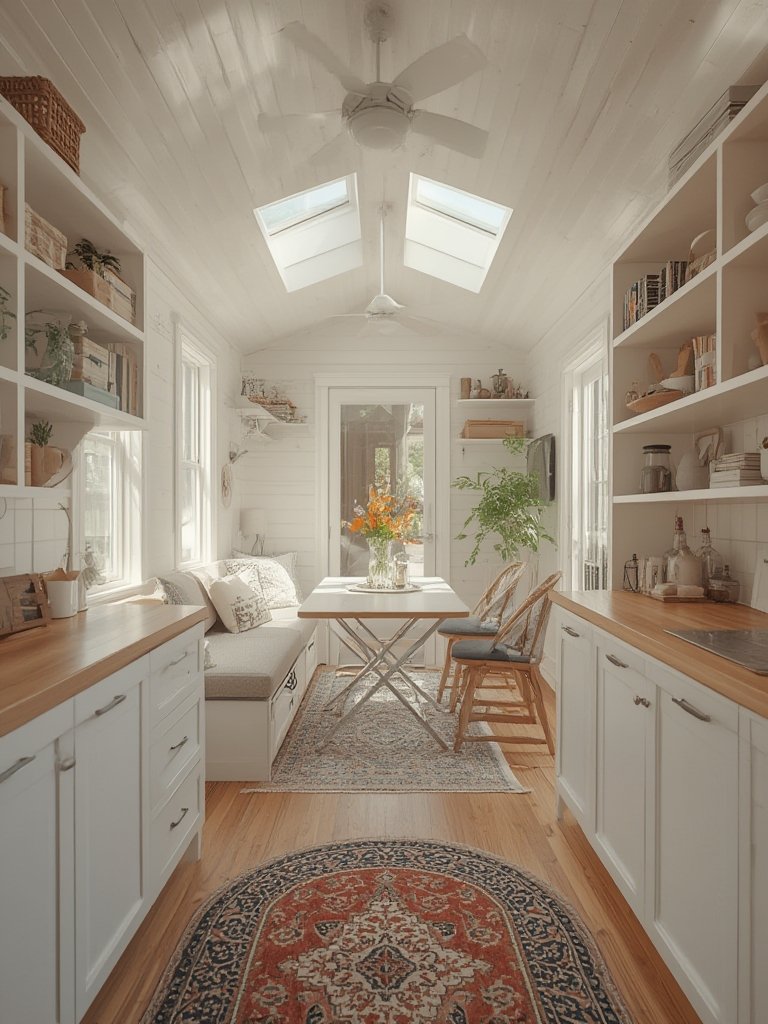
Conclusion
Tiny home renovations in 2024 offer immense potential for style, sustainability, and cost savings—but success depends on detailed planning, region-specific knowledge, and a willingness to rethink every inch. Smart storage, legal prep, and innovative materials make the difference between a cramped afterthought and a tiny triumph. If you’re ready to embrace the next chapter in home design, start small, think big, and let research (and your gut) guide your decisions.
Looking for more proven insights on tiny home renovations? Browse our expert guides or contact us for step-by-step advice, and transform your micro home into a maximized masterpiece today.
FAQs
What is the average cost of a tiny home renovation in 2024?
Most tiny home renovations cost between $30,000 and $60,000, depending on the size, scope, materials, and whether you’re using prefab, custom, or 3D-printed features. Highly custom or luxury upgrades can push costs higher.
How do I solve tiny home zoning or permit issues?
Start by researching your city or county’s current zoning codes. Many areas have updated rules in 2024, but enforcement and interpretation can vary. Always consult a local expert before committing to land or major upgrades.
Which layout solutions best maximize space in small homes?
Lofts, modular or retractable furniture, multi-purpose rooms, and hidden storage are essential. Leveraging vertical space and convertible features (like wall beds) typically offer the most usable area gains.
Are tiny home renovations a good investment?
Renovations can provide solid ROI through lower ongoing costs, smaller ecological footprints, and customization. However, overly niche layouts or materials may impact resale value, especially if regulations shift or buyer trends change.
Do eco-features like solar panels really save space?
Yes—removing or downsizing traditional utility infrastructure frees up room. Integrating solar or water-saving fixtures from the start makes the process easier and boosts ongoing savings and appeal.

[…] of the market as more people retrofit existing cabins, trailers, and urban micro-apartments. Smart micro home design brings major benefits: lower maintenance costs, reduced energy usage, and surprising […]
[…] Use internal links to power new supporting pages. For example, boost your smart home content by linking from Ultimate Smart Home Improvement Ideas to Upgrade Your Living Space or enhance tiny home trends with Tiny Home Renovations: 7 Amazing Ways to Maximize Space (Proven Guide). […]