

Eco-friendly paint options are changing how homeowners create healthier, more sustainable living spaces. If you want better indoor air quality and less environmental impact without sacrificing style, choosing the right paint matters.
Key Takeaways
- Eco-friendly paints—like low VOC, zero VOC, and bio-based types—are growing much faster than conventional options and can significantly improve indoor air quality.
- Not all green paints are equal; understanding product limitations, certifications, and realistic trade-offs is essential before starting any project.
- Practical application tips and smart selection help you avoid common pitfalls and maximize benefits from sustainable paints.
- What Are Eco-Friendly Paint Options and Why Should You Care?
- How to Choose and Apply Eco-Friendly Paint: Step-by-Step Guide
- Advanced Analysis and Common Pitfalls (What Others Won’t Tell You)
- Conclusion
- Frequently Asked Questions
What Are Eco-Friendly Paint Options and Why Should You Care?
Eco-friendly paints are designed to reduce the health and environmental problems associated with traditional paints. These options include low VOC (volatile organic compound), zero VOC, bio-based, non-toxic, and other green coatings chosen for homes, schools, and offices.
Market trends confirm why this matters: the eco-friendly paints segment now grows two to three times faster than conventional paints, thanks to government support, health-conscious homeowners, and building standards like LEED and WELL [source]. Europe is leading adoption for bio-based options, while Asia-Pacific focuses heavily on non-toxic paints due to indoor air quality concerns [source].
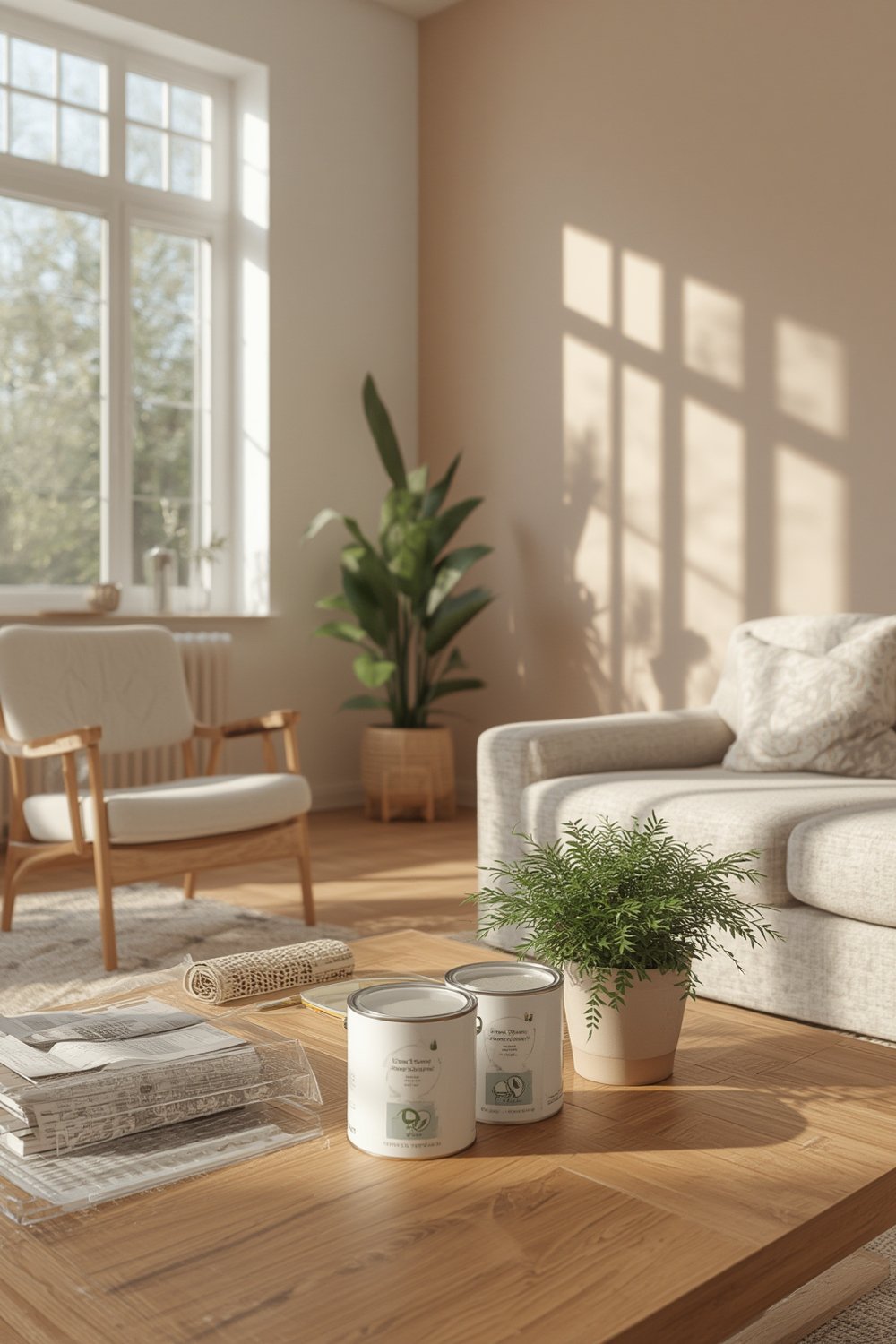
The main benefits are:
- Reducing harmful emissions inside your living space
- Improving air quality and reducing allergy/aggravation triggers
- Helping global sustainability efforts by lowering environmental footprint
Eco-friendly paint options are now widely available at most retailers. However, not all products are created equal. You need to know how to evaluate claims, understand certifications, and recognize if performance or finish will fit your needs.
If you are considering eco-friendly upgrades alongside energy-efficient improvements or as part of DIY home decor projects, eco-conscious paints are a realistic way to align health, values, and design.
How to Choose and Apply Eco-Friendly Paint: Step-by-Step Guide
Here’s a clear, actionable process to select and use eco-friendly paint for any room or surface:
- Identify Your Needs: Are you painting walls, trim, exterior, or high-traffic areas? Match your paint option—such as low VOC or non-toxic—to the job.
- Check Certifications: Look for LEED, WELL, or BREEAM labeling. Top paint-specific third-party labels (especially in North America) include Green Seal and EcoLogo, though not all products carry them.
- Review Product Data: Scrutinize the technical datasheet for VOC content (ideally <50g/L for low VOC, <5g/L for zero VOC), color range, finish options, and drying times. If technical specs are missing, ask your retailer.
- Estimate Costs: Eco-friendly options may run higher due to natural ingredients and limited economies of scale, especially with bio-based paints.
- Surface Prep: Clean thoroughly and repair flaws. Some eco-friendly paints have less forgiving coverage, so priming helps ensure even results.
- Application: Use the recommended tools—some paints may work better with brush, roller, or spray as detailed by the manufacturer.
- Ventilation: Low/zero VOC isn’t chemical-free—always ventilate well during application and curing.
- Maintenance: Some paints may need gentler cleaning; check label recommendations before using harsh cleaners.
Don’t forget that these techniques can complement your larger home upgrade plans. For more inspiration, see ultimate smart home improvement ideas or combine eco-painting with your next bathroom remodel for a bigger ROI.
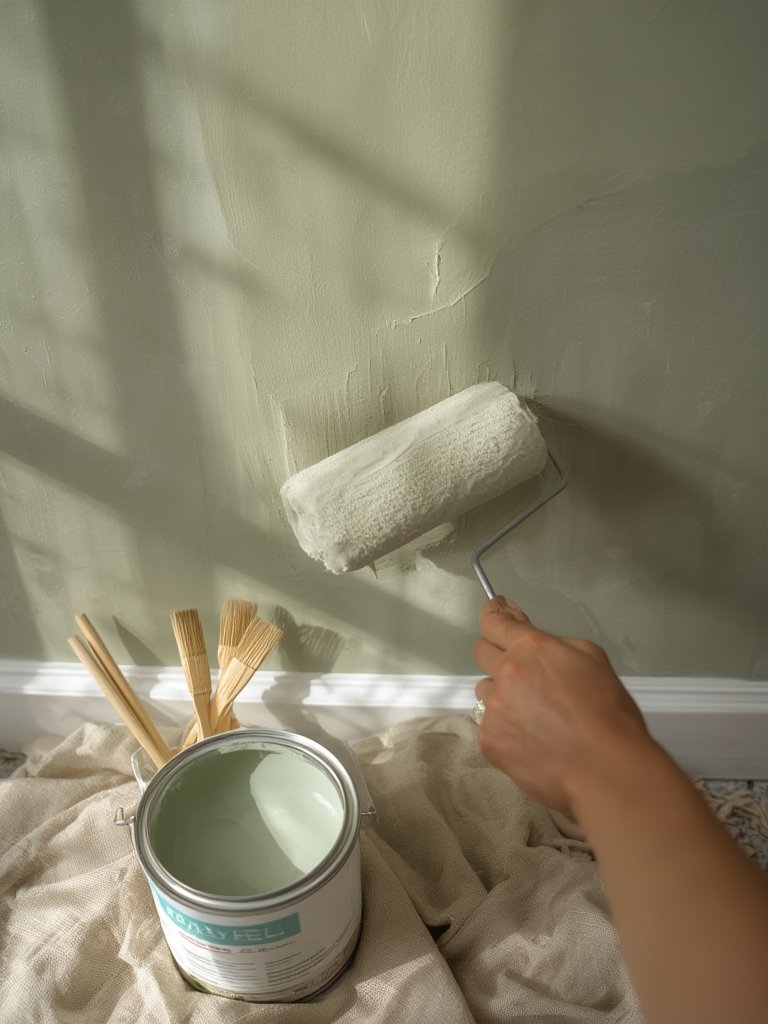
After painting, dispose of leftover materials responsibly—eco paint still shouldn’t go down the drain. Some retailers accept eco-friendly paint for recycling or reuse.
If you’re doing a larger wall project, get tips from our DIY wall decor guide to ensure the most impressive results.
Advanced Analysis and Common Pitfalls (What Others Won’t Tell You)
Eco-friendly paint options carry real benefits, but you should approach your project with clear eyes. Here’s what’s often left out of the sales pitch:
- Limited Color/Finish Range: While improving, some lines still lack the depth of sheen options (matte, satin, gloss) or bold colors found in conventional lines.
- Cost and Coverage: Expect higher price per gallon, and sometimes reduced coverage per gallon—especially with pure bio-based or mineral paints.
- Durability Issues: In heavy-duty or high-moisture areas, some eco-friendly formulas may not match the long-term wear or washability of premium conventional paints.
- Label Confusion: “Low VOC” is loosely defined and does not always guarantee safer indoor air. Zero VOC does not always mean zero emissions—colorants and additives can introduce new chemicals.
- Lack of Transparent Data: Even well-known brands may not publish ppm test data or detailed third-party certifications beyond green building logos.
Stay skeptical and demand MSDS (Material Safety Data Sheets).
| Paint Type | VOC Content | Common Cost (per gallon) | Coverage (sq ft/gal) | Typical Uses |
|---|---|---|---|---|
| Standard Latex | 50-150 g/L | $30-$60 | 350-400 | Interior/exterior |
| Low VOC | <50 g/L | $40-$80 | 300-400 | Bedrooms, living rooms, offices |
| Zero VOC | <5 g/L | $50-$90 | 250-350 | Children’s rooms, hospitals |
| Bio-Based/Mineral | Varies (some near zero) | $70-$120 | 200-300 | Restoration, premium finishes |
Note: Pricing is illustrative; actual prices vary by region and retailer. Always check current labels for technical details.
Research shows that while nanotechnology is helping bridge some performance gaps [source], higher bio-based input costs and raw material limitations remain challenges for manufacturers.
Want to see more real-world limitations and tips? Check out this in-depth eco-friendly paint analysis for unbiased pros and cons.
Conclusion
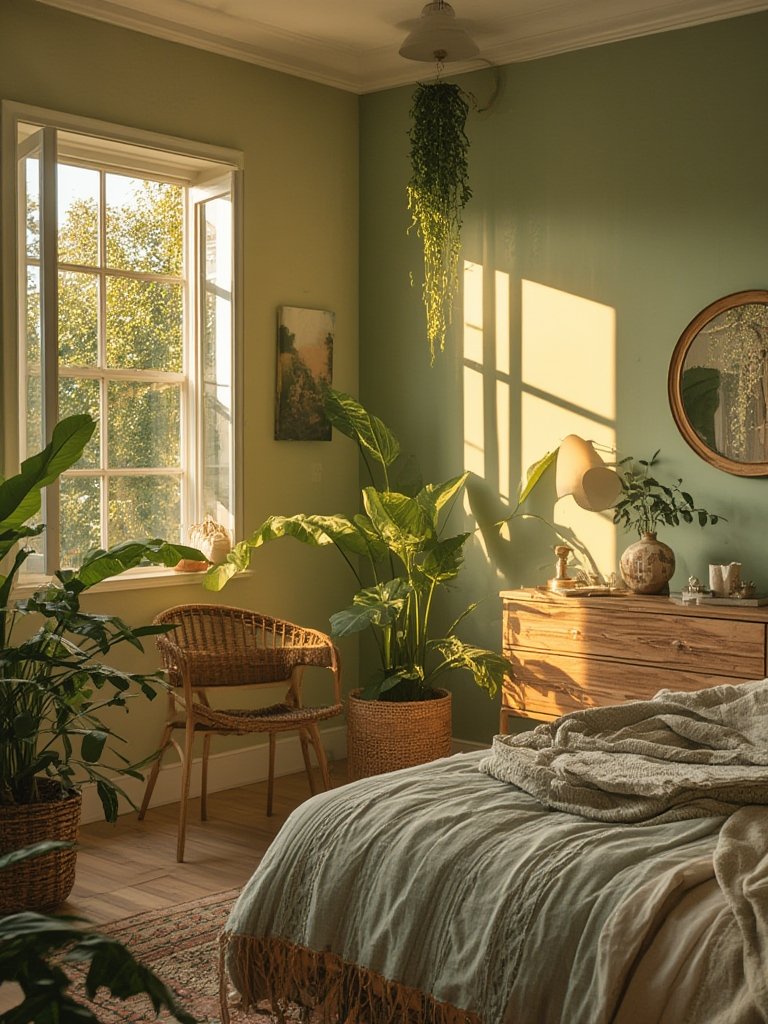
Switching to eco-friendly paint options is one of the most effective ways to create a healthier and greener home. You trade some convenience and possibly pay a bit more—but you gain improved air quality, lower emissions, and a home that better matches your values. Done smartly and with the right product, the results can rival conventional paints while delivering wellness and sustainability benefits.
Ready to upgrade? Use this guide to compare choices, plan your steps, and get the best out of eco-friendly paint options. For next steps and more sustainable home strategies, consider combining eco painting with DIY wall art or energy-saving upgrades.
Start your project with eco-friendly paint options today and take a real step toward a safer, greener home.
Frequently Asked Questions
What is considered an “eco-friendly” paint option?
Eco-friendly paint options reduce or eliminate harmful chemicals and emissions. These paints may be labeled low VOC, zero VOC, bio-based, or non-toxic, and often carry green certifications like LEED, WELL, or Green Seal.
Are eco-friendly paints more expensive than regular paint?
Yes, eco-friendly paints often cost more per gallon than standard latex paints due to higher material costs and smaller production runs, especially for bio-based and mineral paints.
Do eco-friendly paints perform as well as traditional paints?
Performance is improving but may vary. Some eco-friendly paints have slightly less coverage, fewer color and finish options, or can be less durable under heavy wear than high-end conventional paints. Always check product reviews and test a patch before full-scale use.
How can I be sure a paint is really eco-friendly?
Look for independent certification from known bodies, demand full VOC disclosures, and review technical datasheets. Certifications like Green Seal, EcoLogo, or compliance with LEED standards are good indicators.
Should I still ventilate when using low-VOC or zero-VOC paint?
Absolutely. Even the safest paint can emit some odors or chemicals, especially if mixed with colorants. Open windows and use fans during and for at least a few hours after application.

[…] If eco-credentials matter, check for recycled quartz content or granite sourced from responsible quarries. Ask suppliers about production emissions and recycling options at end-of-life. Europe already leads in sustainable quartz. For improving overall home air quality, review our eco-friendly paint tips. […]
[…] The global eco-friendly paint market is growing fast—valued at $29.1 billion in 2023 and projected to reach $55.2 billion by 2032, thanks to stricter regulations, more health-conscious consumers, and construction sector demand (source). Asia-Pacific is seeing the fastest adoption, while North America and Europe continue steady, mature growth. Choosing these paints can significantly improve indoor air quality and help create safer, more sustainable homes—a topic explored in-depth in our eco-friendly paint application guide. […]