

Key Takeaways
- Modular furniture adapts to changing needs, layouts, and lifestyles, making it ideal for small spaces or multi-use rooms.
- Quality connection systems such as clips and magnets set premium modular pieces apart from cheaper alternatives.
- Modular setups demand honest evaluation—consider durability and realistic daily use, not just looks or marketing claims.
- What Is Modular Furniture and Why Does It Matter?
- How to Use Modular Furniture: A Realistic Step-by-Step Guide
- Advanced Analysis & Common Pitfalls: What Most Guides Skip
- Conclusion & Action Steps
- Frequently Asked Questions
What Is Modular Furniture and Why Does It Matter?
Modular furniture is a system of separate, interchangeable pieces—think sofas, shelves, or tables—that connect, stack, or arrange in multiple ways. Unlike traditional furniture, there’s no commitment to a single fixed setup. Want to create a corner sofa today, then split it for separate seating tomorrow? Plug in a new shelf or reorient an expandable table to fit a dinner party or workspace? Modular design makes all that not just possible, but easy.
As cities get more crowded and living spaces shrink, modular furniture delivers the key benefit: flexibility. You only use what you need, when you need it. Families with growing kids, renters, and homeowners alike can avoid expensive replacements or renovations by reconfiguring layouts on the fly. It’s a space-saving, sustainable approach that pushes furniture to keep up with real life—whether that means entertaining guests, carving out a work-from-home corner, or moving across town.
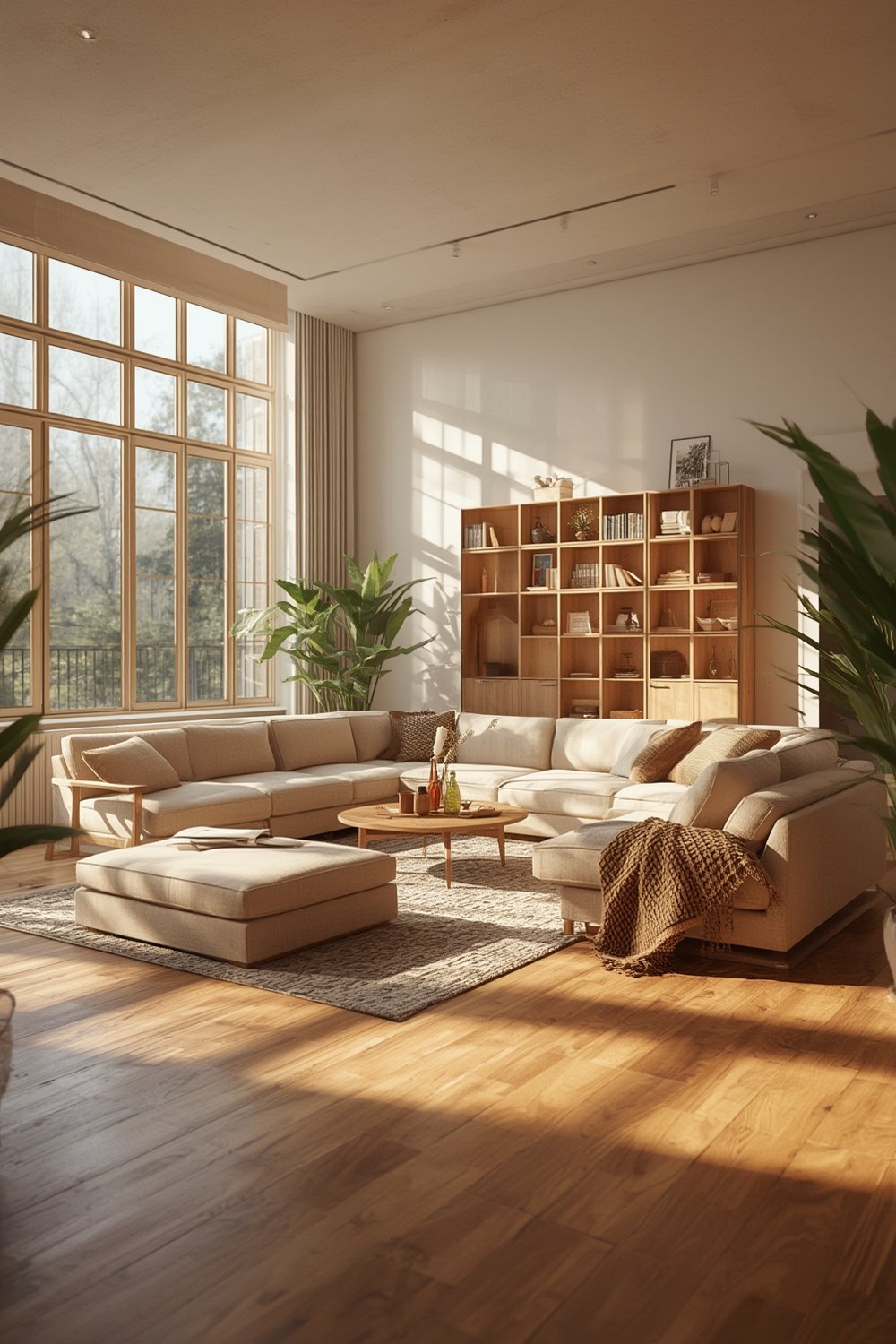
Unlike fixed pieces, modular furniture such as these magnetic interlocks or stackable shelves can adapt instantly to your life’s changes—no tools, no hassle, and no compromise. Modular systems also open up fresh possibilities for tiny home renovations and modern home organization approaches where every square foot counts.
How to Use Modular Furniture: A Realistic Step-by-Step Guide
Curious about incorporating modular furniture into your everyday life? Here’s exactly how to get started for functional, clutter-free spaces—no design degree required.
-
Analyze Your Space and Needs
- Measure every usable area (not just floor space—think vertical, corners, under windows).
- Look for dead zones: awkward corners, under-used walls, or rooms that double as offices/gyms/playrooms.
- Rank what you need: more seating, extra storage, flexible work areas, sleep solutions for guests, etc.
-
Choose True Modular Pieces (Not Just “Multi-Position” Furniture)
- Seek products that offer individual modules rather than limited preset shapes.
- Look for features such as universal connectors (clips, magnets, or brackets) that hold configurations firmly together [source].
- Ask about material durability, upholstery type, or repairability—avoid “modular” pieces that are only semi-permanent.
-
Design Your Layout—Test and Prototype
- Use painter’s tape or cardboard cutouts to outline possible arrangements on your actual floor.
- Start with a basic configuration, then experiment by rearranging or removing modules as your needs shift.
- Document which setups feel most comfortable or work best for your routines with family or roommates.
-
Plan for Future Flexibility
- Buy only the modules you need now, but confirm you can add more later—don’t lock yourself out of future upgrades.
- If you move, check that pieces will work in new layouts (are they truly “universal” or only made for one room type?).
- For compact homes, prioritize solutions that fold, nest, or stack when not in use.
-
Maintain, Rearrange, and Expand Thoughtfully
- Check connectors, fabrics, and surfaces every few months for wear or loosening.
- Swap or rotate modules seasonally, or when needs change—don’t wait for something to break.
- Keep instructions or access manufacturer resources for fixes or reconfigurations—many have video guides online.
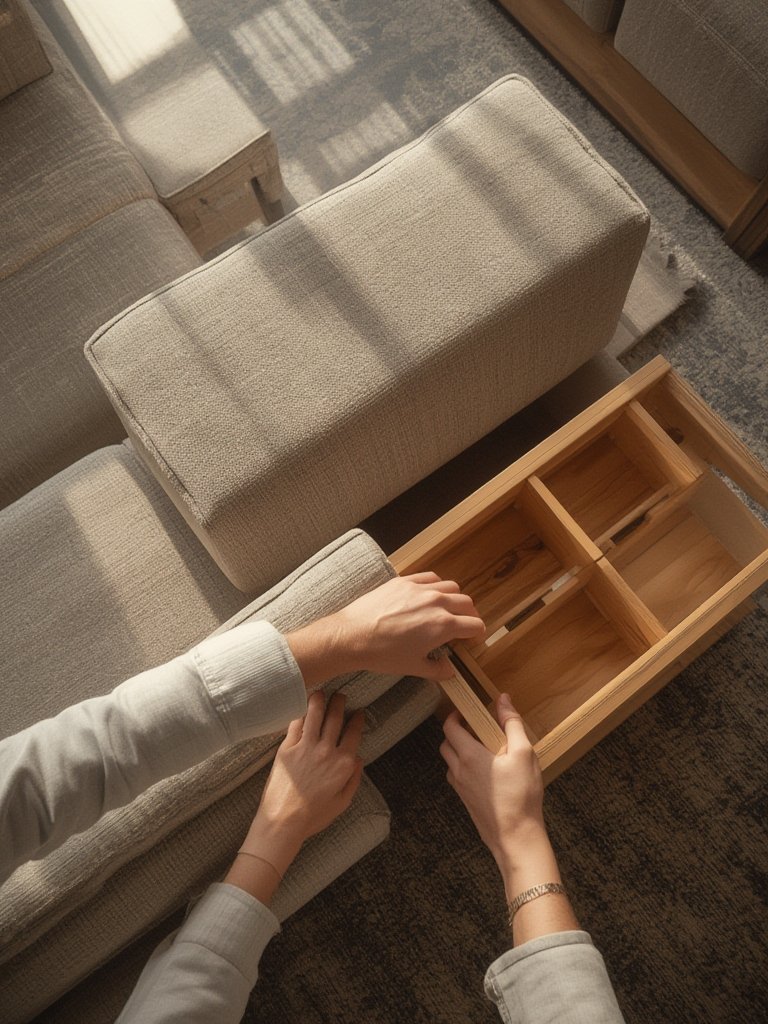
Looking for even smarter home upgrades? Modular setups play perfectly with smart home technology and energy-efficient design—boost both flexibility and your property’s value without major renovations.
Need help maximizing storage? Use modular shelving in tandem with custom closet systems for a seamless, clutter-free look. For very small rooms, combine modular seating with tiny home micro space planning principles for dramatic results in a single weekend.
Advanced Analysis & Common Pitfalls: What Most Guides Skip
Truthfully, modular furniture is not a one-size-fits-all miracle. Here’s what buyers and renters need to know that most guides gloss over:
- Hidden Fragility: “Modular” items at low prices often cut corners—thin board, weak plastics, and connectors that fail with repeated moves. If you’ll reconfigure frequently (families, students, renters), test or review connection system quality before buying. Magnetic or high-quality clip connectors last far longer than basic slot-and-tab joints [source].
- Assembly Can Still Be Tricky: While most modular furniture is easier to build than traditional pieces, oversized or poorly guided systems can frustrate. No research data suggests major complaints, but always check online for video walkthroughs or manuals.
- Costs Add Up: Since cost ranges aren’t transparent online, know that expanding modular setups often gets expensive—especially with premium finishes or branded add-ons. Starting with a core set is smart, but planning for upgrades or additional modules in your budget is even smarter.
- Limited Technical Specs: Unfortunately, most brands don’t clearly list specs like weight limits, surface wear, or exact dimensions. Insist on warranty details, and avoid stores that won’t provide these. In premium options, extended warranties or lifetime repair programs can indicate durability focus.
- Looks VS. Practicality: The “ultra-minimalist” vibe of many showrooms hides comfort trade-offs. Test for seat depth, back support, or real-world wear. Read about successful use cases in actual living rooms, not just in design galleries.
| Feature | High-Quality Modular | Low-Cost Alternatives |
|---|---|---|
| Connector Type | Metal clips, magnets, sturdy locks | Plastic slots, friction-fit only |
| Materials | Heavy-duty wood, dense foam, durable fabrics | Thin particle board, fragile upholstery |
| Warranty | Multi-year or lifetime repair programs | Minimal or none |
| Customization | Custom colors, materials, expansion modules | Limited add-ons; no expansion |
For even more small space strategies, see how modular fits with DIY decor makeovers, or combine it with eco-friendly renovation tips for a healthier, modern home.
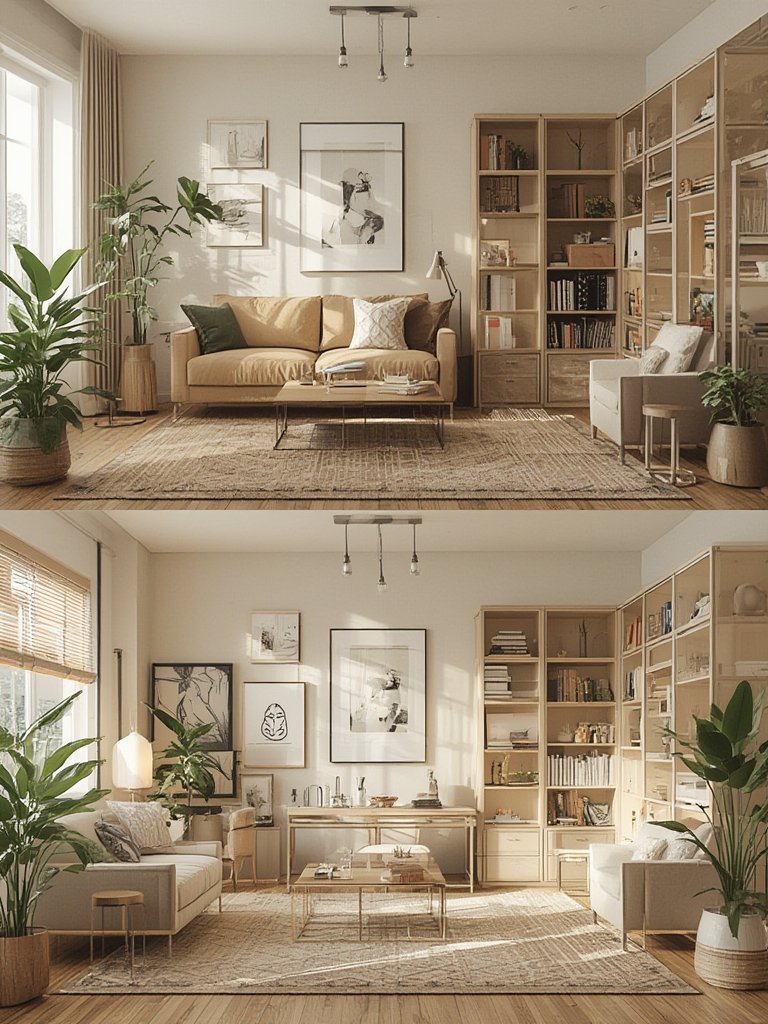
Conclusion & Action Steps
Modular furniture truly empowers homeowners, renters, and small-space dwellers to shape their environments rather than work around them. From easy reconfiguration to smart expansion of storage or seating, the main strengths are versatility and adaptability. Still, buyers should research connections, material quality, and realistic comfort before committing. With careful planning, modular furniture will keep your space flexible for years to come—without the heavyweight price tag or permanent renovations. Ready for a smarter, adaptable space? Start with a core modular set, test configurations, and build out as life changes.
Frequently Asked Questions
How easy is it to assemble modular furniture for the first time?
Most modular furniture is designed for simple self-assembly, often requiring no specialist tools. Look for systems using clips or magnets. Follow the included instructions or manufacturer’s videos for best results and fewer mistakes.
What should I check before buying modular pieces online?
Always confirm the connector type, any warranty or return conditions, and review accurate measurements. Request close-up photos or videos if possible—especially for joints and materials. Read real user reviews for honest feedback on comfort and longevity.
Can modular furniture really handle frequent rearrangements?
High-quality modular furniture with strong connection systems and durable materials is built for frequent changes. Cheaper options may loosen or wear with excess reconfiguration. As a rule, pay a little more for sturdier connectors if you’ll swap layouts regularly.
Is modular furniture worth the investment for renters?
Yes—modular pieces move and adapt with you, making them ideal for rented spaces. You can expand or shrink your setup, or fit awkward floor plans without committing to custom built-ins.
How do I keep my modular setup looking fresh without overspending?
Stick with neutral base modules and refresh your look by swapping covers, cushions, or add-on panels. This keeps your core investment intact while letting you try new styles seasonally or with changing tastes.