

Underfloor heating systems are changing the way homes and businesses stay warm, offering cleaner aesthetics, increased comfort, and energy-efficient solutions many traditional setups can’t match. Whether you’re planning a new build, a retrofit, or simply exploring heating upgrades, understanding the facts will help you decide if radiant floors are right for your space.
Key Takeaways
- Underfloor heating systems deliver even heat, reduce energy bills, and increase home comfort, especially in new builds.
- Europe leads in adoption, with hydronic systems being the most popular due to high energy efficiency and long-term savings.
- Pitfalls include upfront costs, setup complexity, and potential compatibility issues—know the pros and cons before installing.
- The Core Concept: What is Underfloor Heating and Why Use It?
- Step-by-Step Guide: How to Plan and Implement Underfloor Heating Systems
- Advanced Analysis & Common Pitfalls
- Conclusion
- FAQ Section
The Core Concept: What is Underfloor Heating and Why Use It?
Underfloor heating replaces visible radiators and forced-air vents with a grid of pipes or cables laid beneath your flooring. Instead of heating the air unevenly, radiant floor systems warm the entire floor surface, delivering consistent, draft-free heat from the ground up. There are two major types:
- hydronic systems: Use warm water circulated through pipes; best for large or new spaces.
- Electric systems: Use heating cables or mats; ideal for retrofits or smaller areas.
The main benefits include even heat distribution, quiet operation, hidden infrastructure, and higher energy efficiency. With over 39% of the global market dominated by Europe, and hydronic setups holding over 61% market share in 2024, the appeal is clear.

Radiant floor heating is being pushed further by energy efficiency regulations, decarbonization programs, and a growing appetite for comfort and smart homes. For those pursuing energy-efficient upgrades or smart home improvement ideas, underfloor systems represent a major next step.
Step-by-Step Guide: How to Plan and Implement Underfloor Heating Systems
- Assess your property – Start by considering floor structure, insulation under the system, and what heating solution is best for your space:
- Hydronic suits new builds or large renovations with suitable floor depth.
- Electric is faster for retrofits, single rooms, or thinner flooring profiles.
- Choose the right system type – Consider hydronic for savings over time or electric for low cost and fast installs in small spaces. Evaluate compatibility with intended flooring.
- Confirm regulatory and warranty requirements – Especially in the EU and UK, check for compliance with directives like the Energy Performance of Buildings Directive (EPBD). Always ensure your product is certified and installation is by licensed professionals.
- Design your system and insulation – Work with professionals to map out the pipe or cable layout. Proper insulation under the system is vital for efficiency.
- Schedule installation – For new builds, install after subflooring but before final floor finishes. For retrofits, ensure minimal disruption to existing structures.
- Test and control – After fitting, thoroughly test each loop or mat. Install smart thermostats for room-by-room control, boosting comfort and efficiency.
- Ongoing maintenance – Hydronic systems may require periodic checks for leaks or pump issues. Electric systems are usually maintenance-free once installed.
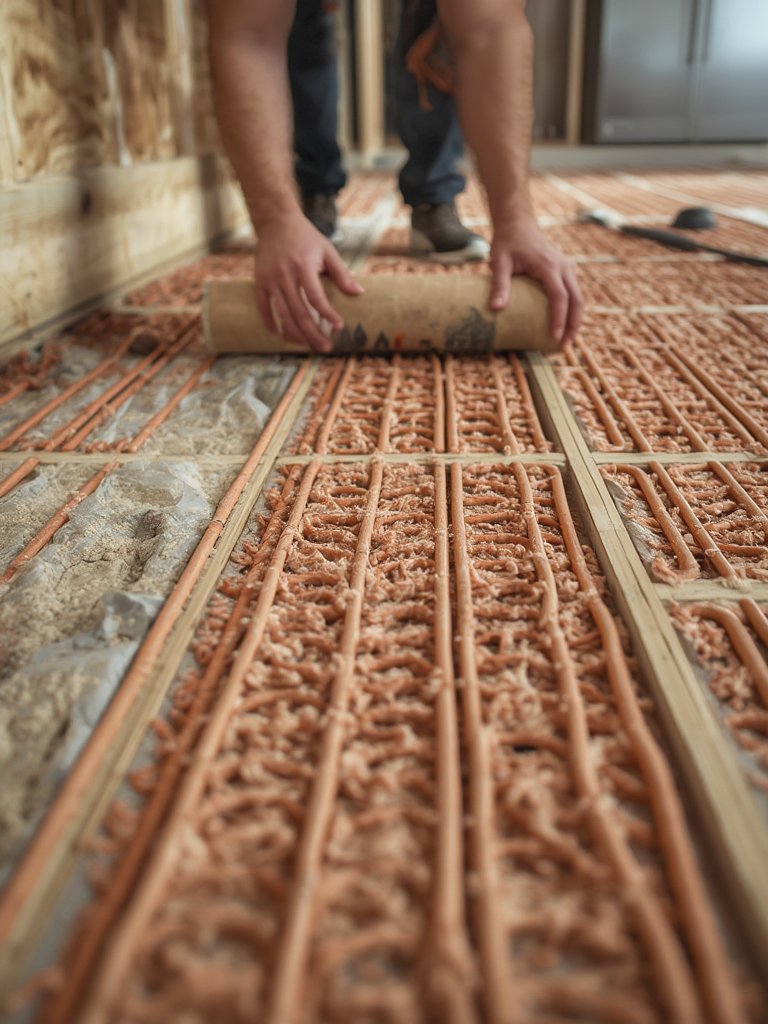
Thinking about a full remodel? Underfloor systems can be a high-ROI addition when combined with other upgrades like spa bathroom renovations or new flooring installations, helping to maximize comfort and long-term home value.
If you’re upgrading a smart home, connect your radiant floor to your existing home automation system for hands-off climate control.
Advanced Analysis & Common Pitfalls
While underfloor heating systems offer considerable benefits, they’re not without their downsides or challenges. The following table outlines typical pitfalls and practical realities for homeowners and renovators.
| Challenge or Pitfall | Details & Analysis | How to Avoid or Mitigate |
|---|---|---|
| High Upfront Cost | Installation is typically pricier than standard radiators or baseboard units, especially for hydronic setups. | Factor in long-term savings on energy bills; prioritize underfloor heating in new builds to offset installation costs. |
| Setup Issues | Incorrect or rushed installation can cause uneven heating or damage flooring. Source: MarketsandMarkets | Use experienced, certified installers. Double-check system design and layout. |
| Flooring Compatibility | Some floor finishes insulate heat, reducing performance (e.g., thick carpets). | Pair with tile, stone, or engineered wood for best results. Confirm compatibility with manufacturer. |
| Retrofit Disruption | Retrofits require lifting and replacing the existing floor; hydronic pipes especially need more depth. | Opt for electric mats for minor upgrades. Schedule work during major remodels to minimize disruption. |
| Regulatory Uncertainty | Requirements differ by region. Lack of clarity on warranty or building codes outside the EU. Source: Fortune Business Insights | Work with professionals familiar with local codes. Save documentation for compliance and warranty claims. |
Energy savings and comfort can be significant with the right insulation and controls—but without attention to details, these gains shrink fast. Note also that environmental and energy claims can be skewed by installation choices or poor pairing with the wrong flooring or thermostats.
Curious how radiant floors stack up for ROI or energy efficiency? Learn more about maximizing your project’s value with expert renovation tips or compare with industry research before you commit.

Conclusion
Underfloor heating systems are a proven route to even heat, a quieter home, and long-term energy savings, especially as sustainable building standards continue to rise. While the initial investment and installation complexity are real, proper planning, professional help, and suitable materials will help you realize the full benefits. Whether you’re building, renovating, or just exploring energy-efficient upgrades, weigh the pros and cons and don’t hesitate to seek help for design and integration.
Ready to rethink your comfort? Investigate whether underfloor heating systems are the right fit for your space—and see how they can work with your next energy upgrade or smart home automation system.
FAQ Section
Are underfloor heating systems compatible with all floor types?
No, not all. Tile, stone, and engineered hardwood are ideal. Thick carpets and some laminates can reduce efficiency. Always check manufacturer guidance.
Can you install underfloor heating in an existing home?
Yes—electric mats are easiest for retrofits. Hydronic piping is usually best for new construction or major renovations due to floor height and structure changes.
How much does underfloor heating cost to install?
Costs vary by system type and project; installation is typically more expensive than standard options but saves money over the long term through reduced energy use. For detailed pricing, consult a local installer.
Do underfloor heating systems require ongoing maintenance?
Electric systems are usually maintenance-free once installed. Hydronic systems need occasional checks for leaks, pump function, and annual flushing.
How do underfloor heating systems impact home energy efficiency?
They promote even heat and lower energy usage by allowing lower thermostat settings. Pairing with smart controls enhances savings.

[…] up thermostats, including smart features ergonomically. See our in-depth underfloor heating guide for optimization […]
[…] comfort or resale. For example, consider smart thermostats or radiant floor systems—explore top underfloor heating ideas for […]
[…] LVP isn’t just practical; it’s a foundation for smart home improvements (see our living space upgrade guide), and it pairs excellently with energy-efficient systems, such as underfloor heating for added comfort (underfloor heating insights). […]
[…] 💡 Pro Tip: Always start by making a real-world budget and must-have features list before demo or design. This avoids scope creep and overspending, the top two reasons for remodel regret. 🔥 Hacks & Tricks: Want spa-floor comfort on a modest budget? Add a dedicated radiant mat under only the main standing area for immediate warmth without the price of full-floor heating. Discover more about radiant flooring in our underfloor heating systems guide. […]