
Aging in place home modifications let older adults stay safe and independent where they feel most comfortable: at home. As more Americans seek ways to avoid assisted living, making practical changes to your living space isn’t just a trend—it’s a necessity for quality of life.
Key Takeaways
- Most seniors want to age in place, but data on how many invest in home modifications is still limited.
- Effective, step-by-step upgrades—especially in bathrooms—can make homes safer and support independence.
- Planning, budgeting, and learning from common mistakes are critical for a successful aging in place remodel.
- What Is Aging in Place Home Modification?
- How to Plan Aging in Place Home Modifications: A Step-by-Step Guide
- Advanced Analysis & Common Pitfalls
- Conclusion
- FAQs
What Is Aging in Place Home Modification?
Aging in place home modifications are upgrades, renovations, or small changes made to a house so that older adults can remain in their homes safely as their mobility and needs change. This approach helps delay or avoid moving into assisted living facilities, empowers seniors with independence, and can save on long-term costs. The goal is simple: make daily living easier, reduce fall risks, and ensure comfort for years to come.
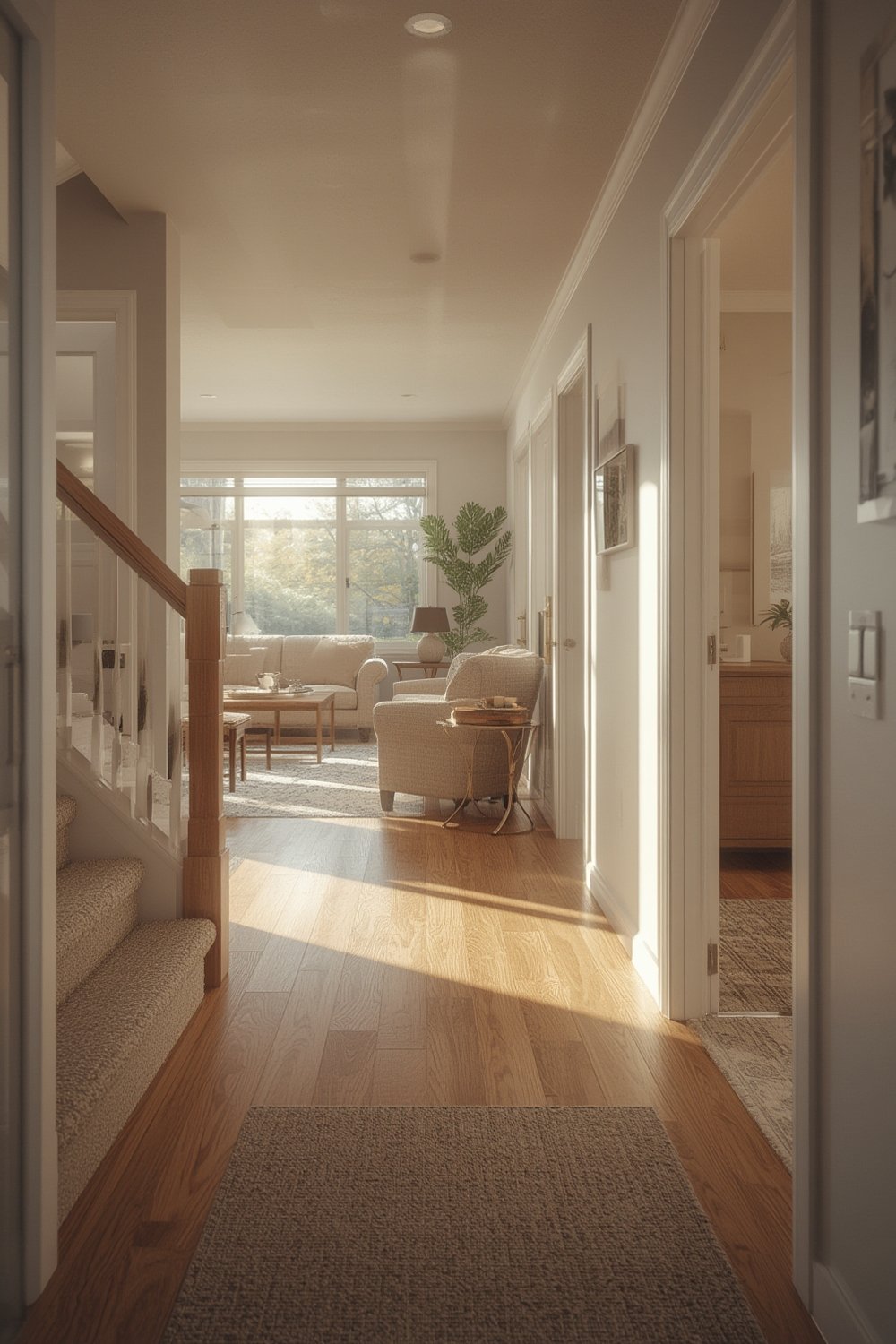
Common modifications include installing grab bars, walk-in showers, no-step entrances, wider doors, and improved lighting. According to a 2024 Gallup survey, 93% of adults over 55 say aging in place is important, yet only a fraction have actively invested in major home adaptations. The number of older adults in traditional housing continues to rise, while assisted living use is slowly declining, reflecting this priority for independence (source).
To make the right choices, it’s vital to dig beyond trends and consider your real risks, needs, and home limitations before starting—even with resources like actionable safety and independence guides available.
How to Plan Aging in Place Home Modifications: A Step-by-Step Guide
Getting started with aging in place home modifications doesn’t need to feel overwhelming. Focus on smart planning and phased improvements, beginning with the spaces where accidents are most likely—like the bathroom, stairs, and entryways.
Step 1: Assess Your Home and Your Needs
- Conduct a home safety audit: Identify tripping hazards, poor lighting, hard-to-reach storage, steep steps, and narrow doorways.
- Prioritize high-risk areas first—bathrooms and stairs are where falls commonly happen.
- Make a list of immediate needs (grab bars, non-slip flooring, lever handles) versus long-range goals (widening doors, adding ramps, curbless showers).
Step 2: Focus on Accessible Bathroom Design
Accessible bathrooms are mission-critical. That means:
- Zero-threshold (curbless) showers or walk-in tubs.
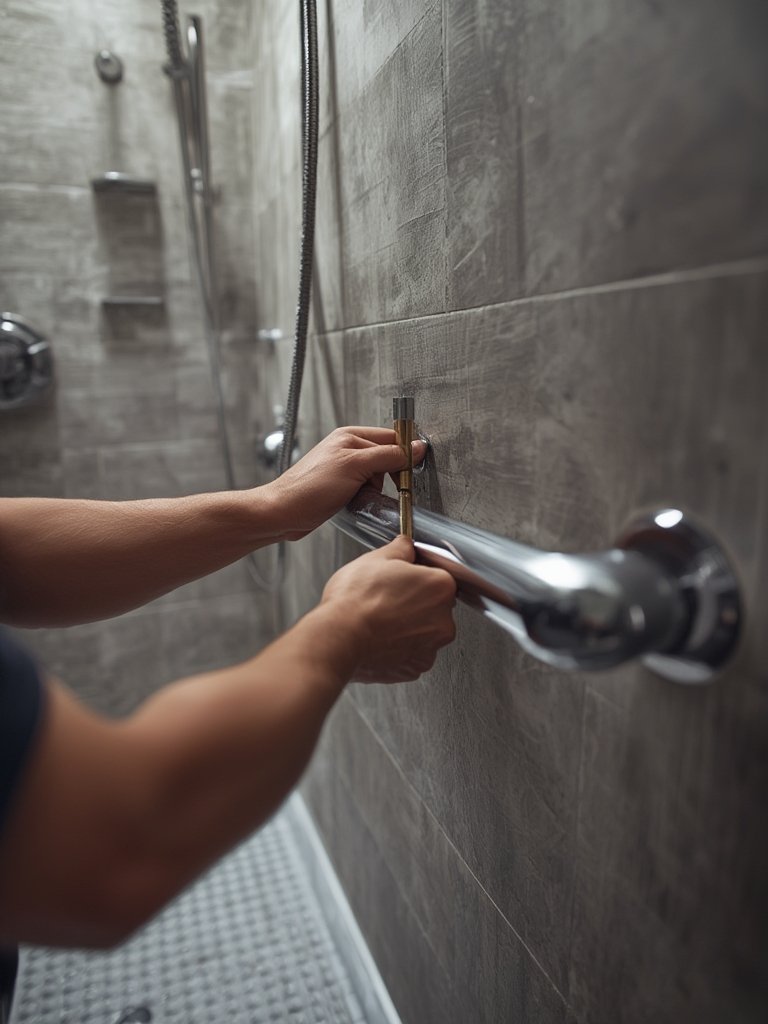
- Grab bars installed at the toilet and in the shower or tub area.
- High-contrast, anti-slip flooring.
- Comfort-height toilets and adjustable hand-held showerheads.
Even if cost data by bathroom size and region is unavailable, planning for step-free access and sturdy supports should come first. Explore more bathroom strategies for ROI and safety in our spa bathroom remodel tips.
Step 3: Make Entrances and Hallways Accessible
- Add sturdy railings and ramps with textured surfaces to both front and back entrances.
- Install lever-style handles instead of round doorknobs—these are easier on arthritic hands.
- Widen doorways (when possible) to at least 32 inches for wheelchair and walker access.
Step 4: Upgrade Lighting, Flooring, and Visibility
Poor lighting is a top cause of falls. Make improvements such as:
- motion-activated hallway and stair lights—see proven options in our smart home guide.
- Low-gloss, anti-slip flooring materials like luxury vinyl plank (see LVP flooring installation advice).
- Night lights in bedrooms, hallways, and bathrooms.
Step 5: Add Smart Home and Emergency Tech
- Install video doorbells, smart locks, and emergency call systems for both security and peace of mind.
- Consider automated thermostats and routines—a huge help for any mobility challenges later on.
- See our full guide to tech upgrades that specifically help with aging in place.
For a comprehensive safety review, turn to guides like 7 Best Ways to Improve Independence and checklists in Maintain Independence Guide.
Advanced Analysis & Common Pitfalls
Even though most homeowners understand the value of aging in place, the path has challenges. Real-world outcomes don’t always match expectations, so it’s important to be aware of common mistakes and hidden downsides.
Common Pitfalls When Modifying a Home for Aging in Place
| Problem | Why It Happens | How to Prevent |
|---|---|---|
| Choosing Trendy Modifications Over Practical Needs | Following glossy online inspiration rather than addressing real physical challenges. | Get a pro assessment and focus upgrades on real safety hazards. |
| Underestimating Costs and Time | Homeowners often overlook labor, permit fees, and material price hikes. | Request detailed quotes—even if there’s no national average, use a contingency fund. |
| Poor Planning for Bathroom Modifications | Quick swaps (like grab bars) help, but skipping full waterproofing or slip-resistant finishes can lead to hidden risks. | Follow expert bathroom remodel protocols to avoid regrets—see spa bathroom remodel do’s and don’ts. |
| Skipping Regular Maintenance | Even state-of-the-art features get dirty, loose, or fail over time. | Schedule seasonal safety checks for all rails, lights, and anti-slip features. |
| Ignoring Local Codes or Permits | Lack of clear 2024 code data doesn’t mean you can avoid municipal permits or ADA compliance where required. | Check with your city or county building department before any major work. |
Problems With Data and Expert Recommendations
- There is still no comprehensive, up-to-date data showing which specific modifications truly deliver the best outcomes for independence and fall risk reduction (government report).
- Costs, satisfaction, and regret rates are mostly anecdotal. Most top-ranked articles recycle advice with little innovation or new research (statistical source).
Innovative options like smart monitoring tech, slip-resistant underfloor radiant heating, or compact side-entry tubs are rarely discussed but can make a substantial difference. For up-to-date remodeling advice, see 2024 bathroom remodeling guides and renovation planning strategies.
Conclusion
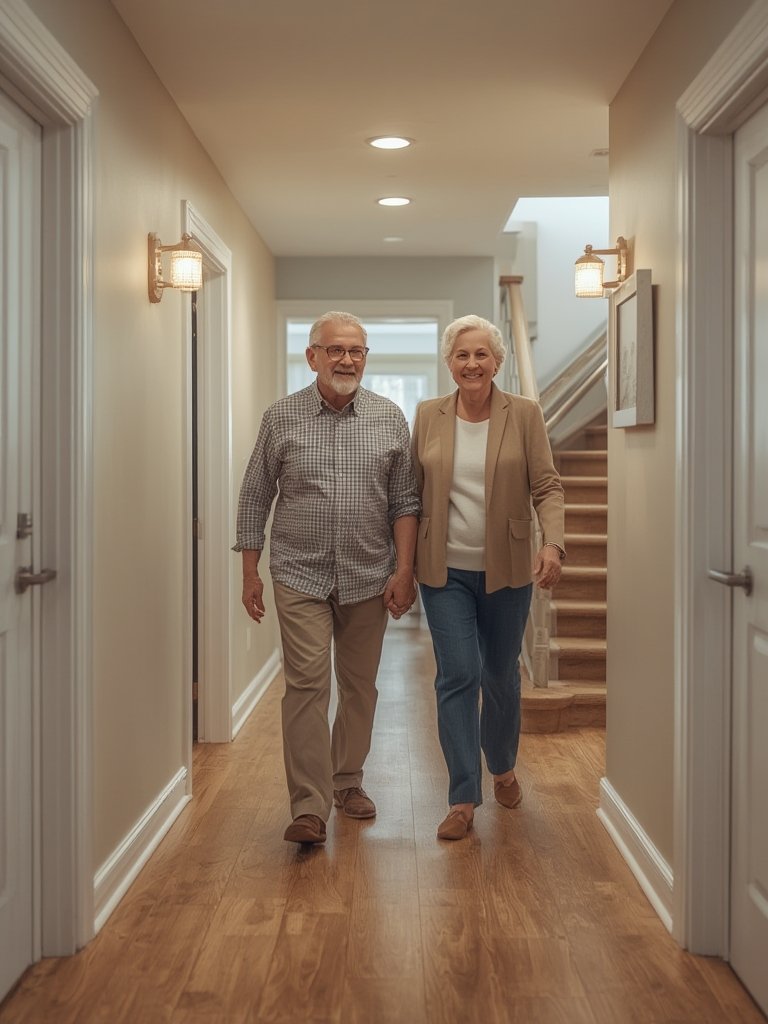
With smart, realistic planning, aging in place home modifications can help you or your loved ones remain independent and safe at home. There’s no universal checklist—success depends on adapting to current and future needs, following best practices, and learning from common mistakes. If you’re ready to start, leverage the guides here and commit to upgrades that make a genuine impact. Don’t wait—invest in aging in place home modifications now for lasting comfort and safety.
FAQs
What are the most important aging in place home modifications?
The most crucial upgrades are zero-threshold showers, grab bars, lever door handles, non-slip flooring, adequate lighting, and wheelchair-friendly entrances. Prioritize the bathroom and any stairs since these see the most accidents.
How much does it cost to remodel a bathroom for accessibility?
There’s no single answer. Costs can range from $1,500 for simple updates (grab bars, toilet swaps) to over $15,000 for a full accessible remodel with barrier-free showers and widened doors. Get several quotes and plan for surprises.
Are there grants or financial help for aging in place modifications?
Some local agencies, non-profits, and VA programs offer assistance, but funding is limited. Start with your state’s Department on Aging or Area Agency on Aging for local options.
Do I need permits for accessibility upgrades at home?
You likely need permits for major remodels (ramps, plumbing, door widening), even if there’s no published 2024 code update. Always check with your local building department first.
What are new, innovative modifications for aging in place?
Smart home sensors that detect falls, voice-activated faucets, underfloor radiant heating, and modular, easy-install ramps are all gaining traction. These features often get overlooked but boost comfort and safety.
—