
### Blog Post:
DIY home decor ideas give you the power to transform a room without hiring an expensive designer. With the right strategy, you can personalize your living space, cut costs, and express your style—even on a limited budget.
Key Takeaways
- DIY home decor is more popular than ever, letting homeowners create personalized, sustainable looks at a fraction of retail costs.
- It pays to plan ahead—choosing eco-friendly materials and knowing the latest design trends helps ensure your project ages well and stays on budget.
- Technical challenges are real: skill level, material sourcing, and achieving high-quality results test even experienced DIYers. Learning common pitfalls can save time and money.
- What Are DIY Home Decor Ideas?
- How to Tackle a DIY Home Decor Project (Step-by-Step Guide)
- Real-World Pitfalls and Advanced Analysis
- Conclusion
- FAQ
What Are DIY Home Decor Ideas?
DIY home decor ideas empower you to refresh your space exactly how you want—using your own creativity and effort instead of relying on store-bought pieces or professionals. The trend isn’t just about saving money: it’s about designing a home that fits your tastes, values, and needs at every stage of life.
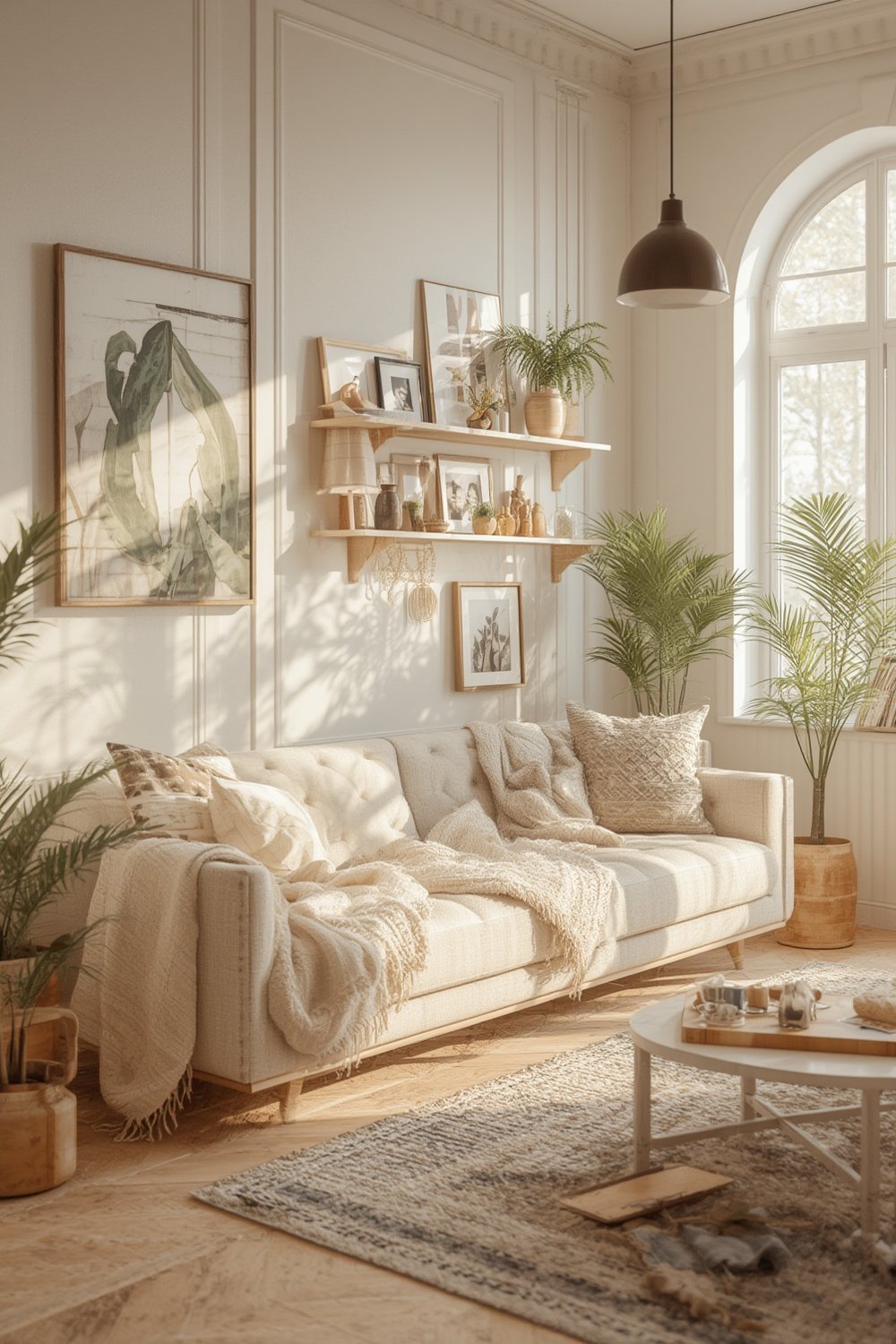
In 2024, the DIY home decor market is thriving. According to the latest industry reports, it stands at $45.2 billion and is on track to reach $78.9 billion by 2033. Homeowners in the United States alone completed more than 50 million DIY projects last year and spent over $125 billion on home improvements.source
Much of this energy goes into personalizing living rooms, bedrooms, and kitchens with creative touches. Large wall art, accent pieces, and eco-friendly finishes lead the way. If you want to make your home stand out—and make it truly yours—DIY is the most affordable and flexible path.
How to Tackle a DIY Home Decor Project (Step-by-Step Guide)
Making a meaningful change to your home decor doesn’t require a massive budget or professional skills. Here’s a practical blueprint for planning and executing a stylish project—such as creating your own large wall art piece.
Step 1: Research Inspirational Styles
Start by looking at current trends. In 2024, industrial and vintage are surging in popularity across the U.S.source Explore design shows, Pinterest boards, or blog resources like this oversized wall art guide for ideas that fit your taste and room type.
Step 2: Set a Clear Budget
Decide on a maximum spend—DIY projects can escalate in cost if you’re not careful. Remember that Americans spend an average of $5,635 on home renovations, and 41% underline cost as their biggest concern.source Factor in supplies, protective finishes, and mounting hardware.
Step 3: Source Materials Mindfully
Choose sustainable or recycled materials when possible. Gen Z and Millennials overwhelmingly support eco-friendly brands, and American consumers are willing to pay a little extra for sustainable products.source For paint options, see this eco-friendly paint guide.
Step 4: Measure and Prep
Check your wall dimensions and mark out the intended artwork location with painter’s tape. Lay out your tools and materials. Protect floors and furniture from dust, paint, and accidental damage.
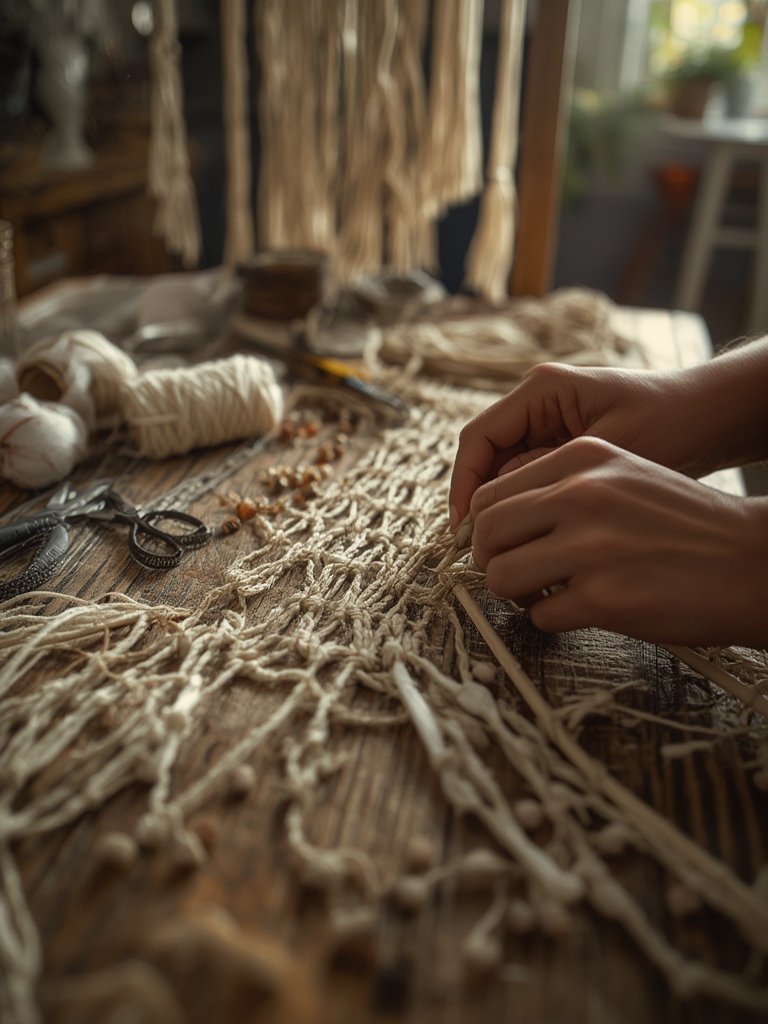
Step 5: Build or Assemble
Create your large art piece, whether you’re crafting a wooden installation, painting a mural, or stretching fabric over frames. Take your time—rushing can cause mistakes that are hard to fix later.
- For renters: Try leaning your artwork against the wall or using removable adhesive hooks to avoid damage.
- For owners: Consider anchoring heavier pieces into studs for safety, especially if you’re working in high-traffic areas or above furniture. See these renovation planning tips for more on safe home upgrades.
Step 6: Finishing Touches
Seal or protect your piece with a non-toxic, low-VOC finish. Carefully mount the art using the best method for your wall type and material weight. Step back and adjust placement for the best impact.
Step 7: Smart Home Touches (Optional)
If you love technology, consider integrating smart lighting or IoT decor that highlights your new focal point. Explore ways to combine decor with smart home upgrades for extra convenience and effect.
Real-World Pitfalls and Advanced Analysis
No project is ever as easy as a social media post makes it look. Here’s what data and real users say are the most common challenges with DIY home decor and large wall art projects:
- Complexity Overload: Many DIYers underestimate skill needed for custom builds, leading to frustration, wasted materials, or unsafe installations.industry analysis
- Material Quality Variations: Cheaper supplies often don’t hold up or look as intended, causing rapid wear and loss of visual appeal.
- Supply Chain and Budget Stresses: Fluctuating material prices and product shortages delay timelines and increase total spend.
- Sustainability Challenges: Knowing what truly makes a product “eco-friendly” can be confusing; many options on shelves are only partially sustainable.
- Regulatory and Safety Hurdles: Some materials carry legal or safety restrictions—especially for renters or homes with children and pets.market report
- Room and Home Fit: Not all styles work for every space; for example, oversized art can dominate smaller rooms or clash with existing color palettes.
| DIY Large Wall Art | Buying Retail Art |
|---|---|
| Custom size, style, and materials | Limited to store options |
| Typically 30-70% less expensive than retail, especially for oversized works | Significant retail markup (especially on sustainable products, often up to 28% more) |
| Requires time, tools, and some DIY skill; potential for errors | Ready to hang; quality usually consistent but less personal |
| Materials may not be available locally; delays possible due to supply chain issues | Immediate purchase if in stock; may not fit exact space/thoughtful design |
| High satisfaction for successful projects and personal touch | Efficient and guaranteed result, but less unique |
For further reading on making the most of every square foot and avoiding costly mistakes, check out this resource for home organization and storage or see recent bathroom remodel ROI insights in this remodeling guide.
Conclusion
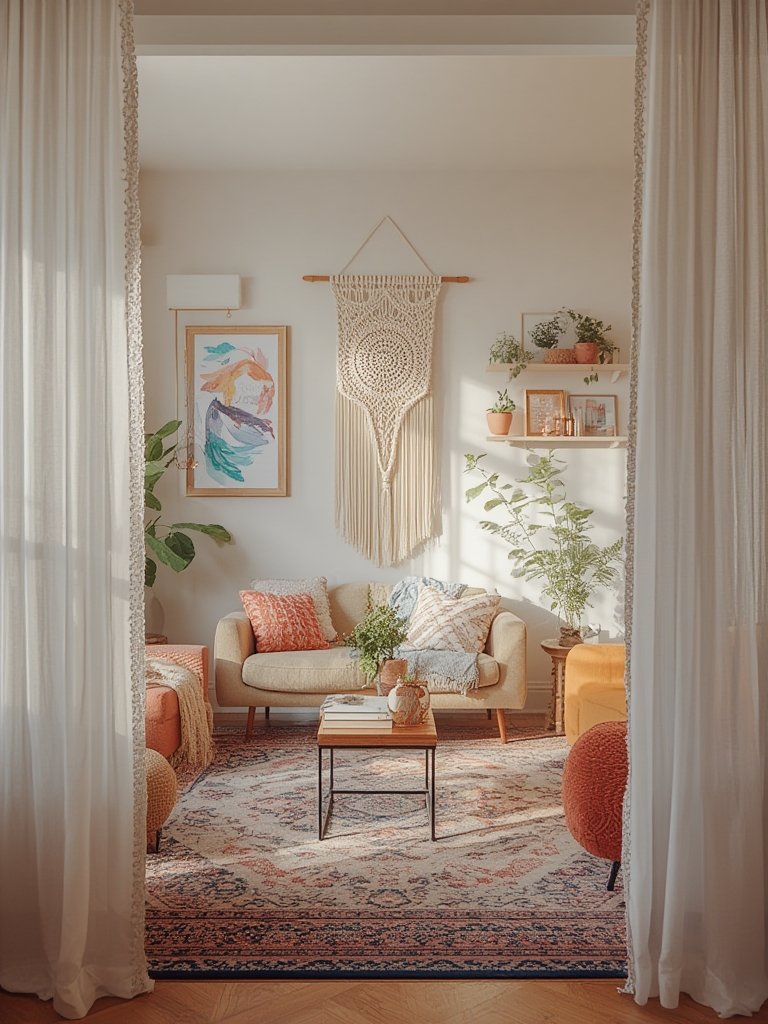
DIY home decor ideas deliver unbeatable flexibility, savings, and satisfaction—if you approach them with a plan and realistic expectations. Choose designs and materials that suit your home for the long term, shop mindfully, and don’t be afraid to start small and build skill. When ready, take your creativity to the next level with advanced techniques, smart tech upgrades, or by tackling adjacent projects from energy-efficient upgrades to kitchen makeovers. Start turning your space into your own masterpiece with your favorite DIY home decor ideas today.
FAQ
Are DIY home decor projects really cheaper than buying retail?
Yes, they often cost 30-70% less, especially for large or custom pieces. However, factor in the value of your time, any tools needed, and potential mistakes when budgeting. For eco-friendly projects, DIY usually lets you avoid retail markups of up to 28%.
What rooms are best for starting with DIY wall art?
Living rooms and bedrooms are common. Kitchens are also popular for updates, as 27% of homeowners prioritize them. Entryways or offices work well for confident beginners or renters wanting a non-permanent upgrade.
What styles are most popular for DIY decor in 2024?
Industrial and vintage are leading national searches in the U.S. According to market data, sustainable and minimalist designs have strong appeal, especially among younger homeowners and renters.
How do I avoid common DIY mistakes?
Start with simple projects and read detailed tutorials like step-by-step wall art guides. Measure carefully, double-check your supplies, and don’t rush finishing details for a professional look.
Are eco-friendly materials worth it for DIY projects?
Yes, especially for health, durability, and long-term value. Millennials and Gen Z are willing to pay more for sustainable options—plus, they hold resale and design appeal down the road.
—