

### Blog Post:
Large scale renovation planning is the foundation of any successful major home upgrade—but ignoring regional differences, cost drivers, and common pitfalls could make or break your budget. If you want a smooth process and the best return on investment, you need up-to-date stats, a logical game plan, and honest insights. This guide cuts through the noise, giving you a focused, step-by-step approach to large scale renovation planning that works in 2024.
Key Takeaways
- Home addition costs in 2024 range drastically based on location and addition type—do your homework before diving in.
- Skimping on planning or ignoring legal and permitting requirements can lead to costly headaches and delays.
- Contingency funds, precise budgeting, and realistic timelines are your best defense against overruns and stress.
- The Core Concept: What is Large Scale Renovation Planning?
- Step-by-Step Guide: Planning Your Major Home Renovation
- Advanced Analysis & Common Pitfalls
- Conclusion
- FAQs
The Core Concept: What is Large Scale Renovation Planning?
Large scale renovation planning means budgeting, scheduling, and managing every element of a substantial home addition or expansion—typically projects like second-story add-ons, full-room extensions, or building accessory dwelling units (ADUs). Unlike minor remodels, these renovations require in-depth analysis of costs, permits, regional differences, and potential return on investment.
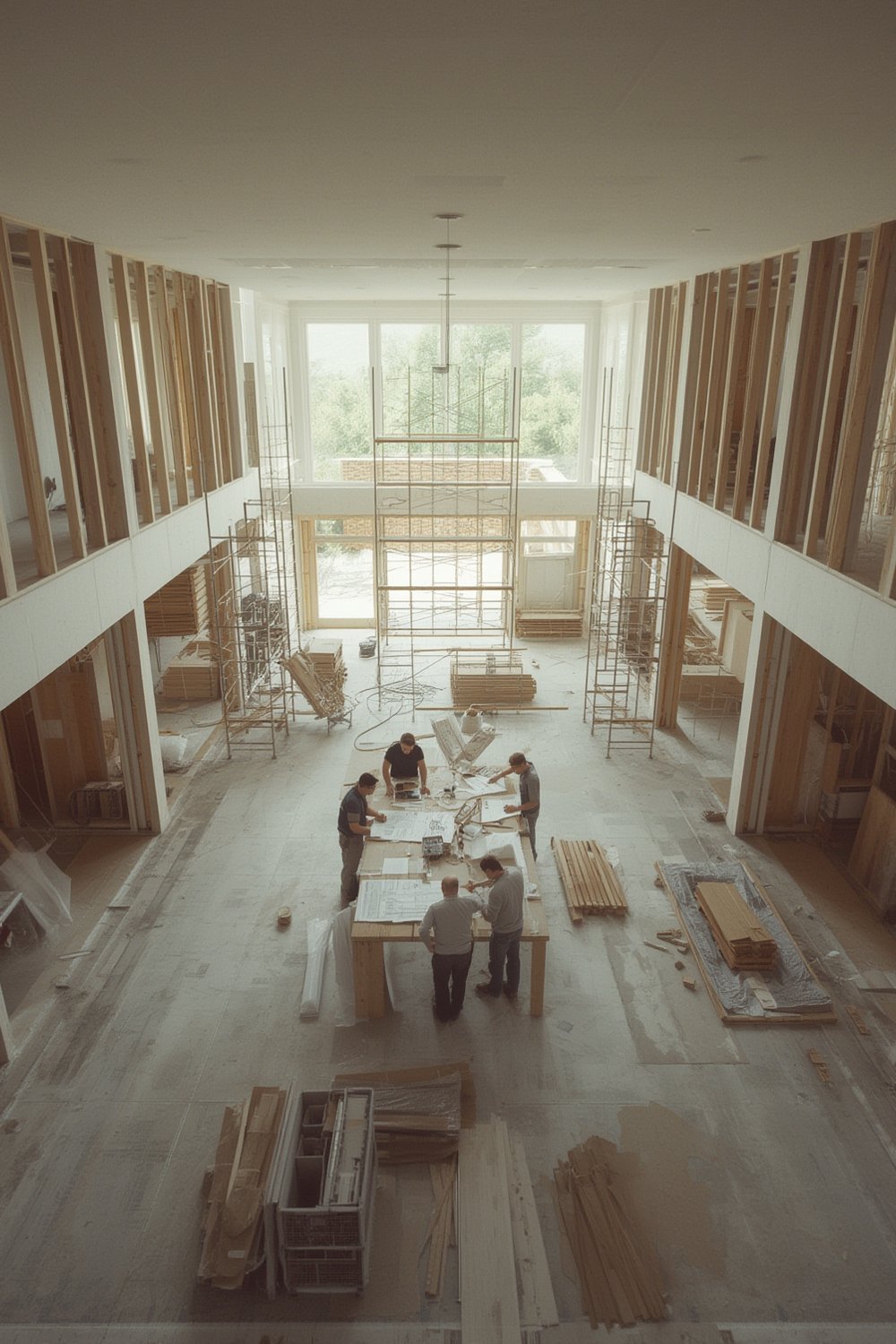
Costs can range wildly. For 2024, the average U.S. addition costs between $21,910 and $83,353, but regions like Los Angeles often soar above $250,000 for mid-size builds, and second stories may spike even higher. Beyond raw construction, you’ll need to factor in legal compliance, design fees, site prep, and unforeseen setbacks.
Time and cost discipline are crucial. And with complex permit and zoning requirements in cities like San Francisco or New York, the risk of costly, time-consuming errors is real. Start strong with a plan, and you’ll set the tone for your entire renovation journey.
To see how smart home upgrades can enhance your renovated space, check out our guide on modern smart home improvement ideas.
Step-by-Step Guide: Planning Your Major Home Renovation
Here’s a streamlined process for large scale renovation planning. These steps reduce stress, keep costs predictable, and maximize your outcome.
-
Define Your Project Scope
Pin down what you want. Is it a new room, a second story, or an ADU? List functional needs, style goals, and square footage targets. -
Research Regional Costs
Construction pricing varies by location and addition type. In California, for example, the price per square foot can reach $1,000 for luxury projects, while Texas or the Midwest may be a third of that. Use resources like
this breakdown of home addition costs or
Angi’s LA cost guide to benchmark. -
Set a Realistic Budget
Consider all direct and indirect expenses: demolition, design fees, city fees, material surges, site prep ($3,000–$10,000), and contingency savings. For detailed energy upgrades, review our guide to energy-efficient upgrades. -
Map Out the Schedule
Estimate how long each phase should take, even if no specific data exists city-by-city. In cities with stringent permitting (Los Angeles, San Francisco), budgeting extra time for approval is wise. -
Understand Permitting and Legal Hurdles
Study local zoning, HOA rules, setback/bulk codes, and required permits. Stringent areas can stall or halt your renovation if you skip steps. -
Vet Contractors Thoroughly
Don’t just compare bottom-line bids. Check credentials, request references, and ensure experience with your project’s size and your city’s regulations. -
Plan for Living Arrangements
Will you need to move out temporarily—if so, for how long? Overlooking this could add hidden costs and stress to any large renovation. Plan for Living Arrangements can make the transition more comfortable if you do need to relocate for a portion of the project. -
Prepare for the Unexpected
No plan survives first contact with demolition. If you uncover structural surprises or code changes, having a contingency buffer and flexible mindset is critical. -
Look for Value-Add Upgrades
Layer-in improvements that boost comfort or resale. For example, consider smart thermostats or radiant floor systems—explore top underfloor heating ideas for inspiration.

If you’re planning a bathroom as part of your addition, explore the latest bathroom remodeling ideas to maximize ROI and comfort.
Want a deep dive on maximizing returns and avoiding cost overruns? See our expert guide on planning large scale renovations for ROI.
Advanced Analysis & Common Pitfalls
Even with solid large scale renovation planning, major projects stumble on recurring pitfalls. Here’s what the research and recent industry data reveal:
- Underestimating Real Local Costs: U.S. averages mean little in markets like San Francisco or Los Angeles, where $500+ per square foot is common. Failing to research local costs and regulations leads to big overruns.
- Skipping Contingency Planning: Not reserving 15-20% for unexpected expenses is a classic budget buster—hidden electrical, foundation, or mold issues are common once demolition begins.
- Permitting Delays: High-regulation markets may take weeks or months for approval, with incomplete applications and missed documentation the top causes of frustrating slowdowns.
- Overlooking Site Prep and Living Adjustments: Forgotten costs like site clearance or temporary housing can destabilize both budget and schedule.
- Poor Contractor Selection: Choosing solely by cheapest bid invites change orders and communication failures.
Below is a regional summary of addition types and cost ranges for quick comparison:
| Region | Type | Cost Estimate (2024) | Notes |
|---|---|---|---|
| National | General Addition | $21,910–$83,353 ($80–$200 sq ft) |
Average: ~$50,500 |
| California (Bay Area, LA, SD, OC) | All Types | $250–$1,000 sq ft | Most expensive market |
| San Antonio, TX | All Types | $12,500–$36,000 | Cheaper labor/materials |
| Seattle, WA; New York, NY | All Types | $26,500–$109,000 | Wide city variation |
| Los Angeles | Second Story | $350,000–$402,000 ($450–$1,000+ sq ft) |
Permits strict, high fees |
| National | ADU / Suite | $165,500–$190,400 | Regulations increasing |
Explore smart ways to keep your space organized during renovations with these storage solutions.
For a more hands-on approach to decor during or after your renovation, try these DIY home decor ideas that can fit into a larger remodeling plan.
Conclusion
Mastering large scale renovation planning means understanding your true costs, adapting your plan to local realities, and always building in breathing room for surprises. Avoid shortcuts on permitting, budgeting, and contractor vetting. Stay flexible, expect some bumps, and rely on a well-built plan to guide you through to an on-budget, high-value renovation. With the right large scale renovation planning approach, your next major project can actually deliver the space—and the ROI—you need. For more advanced strategies, check out our in-depth renovation planning guide. Ready to start turning your vision into a real plan? Act now and set your project up for success.
FAQs
What’s the biggest cost driver in large scale renovation planning?
Location is the single biggest driver. In high-cost cities like Los Angeles or San Francisco, labor, materials, and permitting fees can triple or quadruple national averages.
How much contingency should I budget for a major renovation?
Plan for 15-20% reserve over your contractor’s estimate to cover surprises. Hidden defects, code upgrades, or supply delays are common.
What permits are usually required for large home additions?
You’ll likely need building permits, zoning approvals, and sometimes special permissions for electrical, plumbing, or historic districts. Permitting complexity grows in strict zones like California.
How do I avoid project delays?
Submit complete permit applications, pre-verify your contractor’s experience with your city’s process, and communicate regularly. Allow buffer time in every project phase.
What is the most overlooked cost in major renovations?
Site prep (demo, clearance, hazardous material removal) and temporary relocation costs often catch homeowners by surprise.

[…] Research popular materials in your area. Granite and quartz are leading choices, but their price and availability fluctuate by region. Check availability at local suppliers and compare before committing. For full-home upgrades, explore large scale renovation planning tips. […]
[…] anyone working on home automation, connected hardware, or even large-scale renovation planning (see large scale renovation planning tips), the quality and safety of code often depend on how clearly your engineering team understands and […]