
Outdoor kitchen ideas are driving a huge transformation in backyards across the country, helping homeowners boost property value and create seamless spaces for year-round entertaining and cooking. The demand for functional, weatherproof backyard grill setups has soared in 2024, with more people seeing these investments as both a lifestyle upgrade and a smart use of outdoor space.
Key Takeaways
- Outdoor kitchen installations are surging, with nearly half of homeowners adding or planning a setup—and top ROI up to 200% in the right market.
- Weather-resilient materials like stainless steel, polymers, and stone dominate for durability, while modular systems speed up installation and cut costs.
- Smart technology, code compliance, and region-specific planning are now essential for a truly functional, future-proof outdoor kitchen.
- What Makes Outdoor Kitchen Ideas So Valuable?
- How to Build Your Outdoor Kitchen: Step-by-Step Guide
- Advanced Analysis & Common Pitfalls
- Conclusion
- Frequently Asked Questions
What Makes Outdoor Kitchen Ideas So Valuable?
Outdoor kitchen ideas go beyond upgrading your grilling game—they transform your backyard into a true extension of your home. The 2024 outdoor kitchen market is booming worldwide, growing to $24.45 billion with U.S. homeowners leading the trend. Nearly half of homeowners report new or planned outdoor cooking zones, driven by increased demand for outdoor living since 2020, especially in high-income regions like North America (source).
Why is this trend so resilient? It comes down to value and the evolving definition of home comfort. A professionally installed outdoor kitchen can return between 55 and 200% on investment, especially when using durable, low-maintenance materials tailored to your region (source). modular outdoor kitchen systems now enable homeowners to set up or upgrade in a single weekend, even in challenging climates.
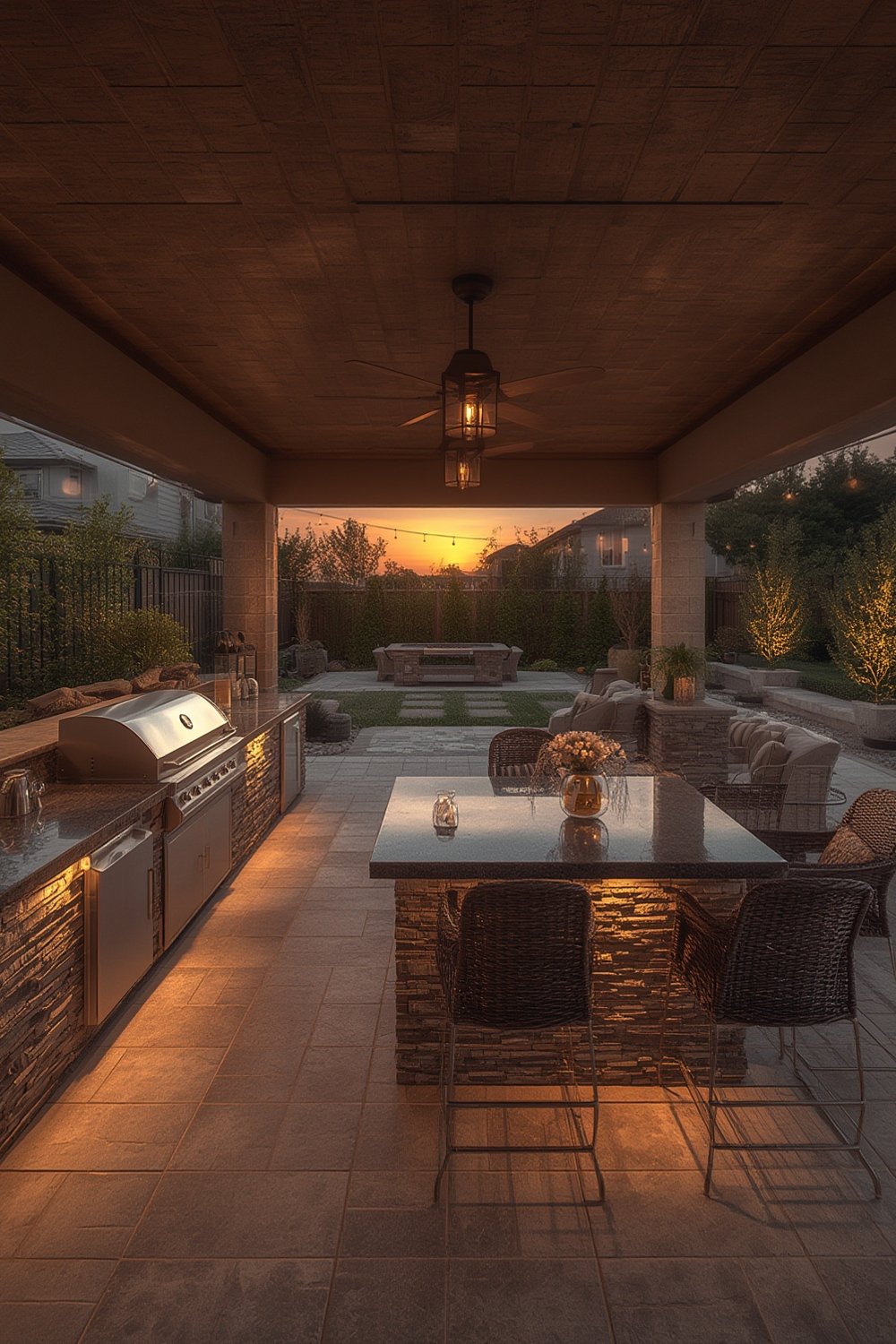
Beyond traditional backyard setups, new outdoor kitchen ideas address city dwellers and multifamily spaces too. Rooftop communal kitchens, vandal-resistant cabinets for apartment decks, and hospitality-focused modular builds for resorts are redefining what’s possible anywhere you live. E-commerce is keeping pace with full prefab kits, virtual AR planning, and white-glove delivery for consumers demanding simple, swift installation.
If you’re planning to maximize your backyard’s potential, it pays to learn what works, how to achieve a lasting installation, and the common mistakes that cost homeowners time and money. For anyone interested in broad smart home improvements, check out our Ultimate Smart Home Improvement Ideas for seamless indoor-outdoor integration.
How to Build Your Outdoor Kitchen: Step-by-Step Guide
Whether you want a simple grill station or a full outdoor culinary suite, the process today blends smart planning with fast, flexible products. Here’s a reliable step-by-step approach for 2024 homeowners:
-
Assess Your Space and Needs:
Review your backyard or patio. Consider family size, typical gatherings, seasonal use, and must-have appliances. In smaller or multifamily settings, prioritize modular or space-efficient designs. -
Decide on Layout & Features:
Choose an L-shaped, U-shaped, straight line, or island configuration. Decide if you want a sink, fridge, built-in grill, storage, or just the essentials. For design inspiration, see our Outdoor Kitchen Ideas Guide. -
Set a Realistic Budget:
Modular kits can start affordably, while custom masonry and luxury appliances increase costs rapidly. Factor in permits, delivery, fuel lines, and professional labor—84% of real installs use pros (source). -
Choose Durable, Code-Compliant Materials:
stainless steel and polymer cabinets dominate for humid Sun Belt states, while aluminum can be best for rooftop or balcony builds. Avoid untreated wood due to high maintenance and weathering issues (source). -
Consult Local Codes and Get Permits:
Every region varies, especially for gas, electric, plumbing, and urban installs. City or HOA permits are often needed. For Europe or the UK, pay close attention to sustainability and energy efficiency rules (source). -
Select Appliances and Smart Features:
Modern outdoor kitchen appliances include app-controlled grills, integrated task lighting, weatherproof speakers, even Wi-Fi-enabled smokers. See our 2024 Outdoor Kitchen Ideas for trending tech options. -
Plan Utilities and Drainage:
Coordinate electrical, plumbing, natural gas/propane as needed—get it done professionally if in doubt. Poor drainage can wreck cabinets and electronics. -
Order, Prep, and Install:
Prefab kits with pre-drilled cutouts can go in with basic tools in one weekend. For custom, expect multiple trades over several days or weeks. For hassle-free results, modular is winning out in most homeowner surveys. -
Finish with Smart Landscaping & Lighting:
Use hardscapes, weatherproof furniture, and landscape lighting to create a cohesive entertaining and cooking space. For more patio transformation ideas, see Patio Landscaping Ideas.
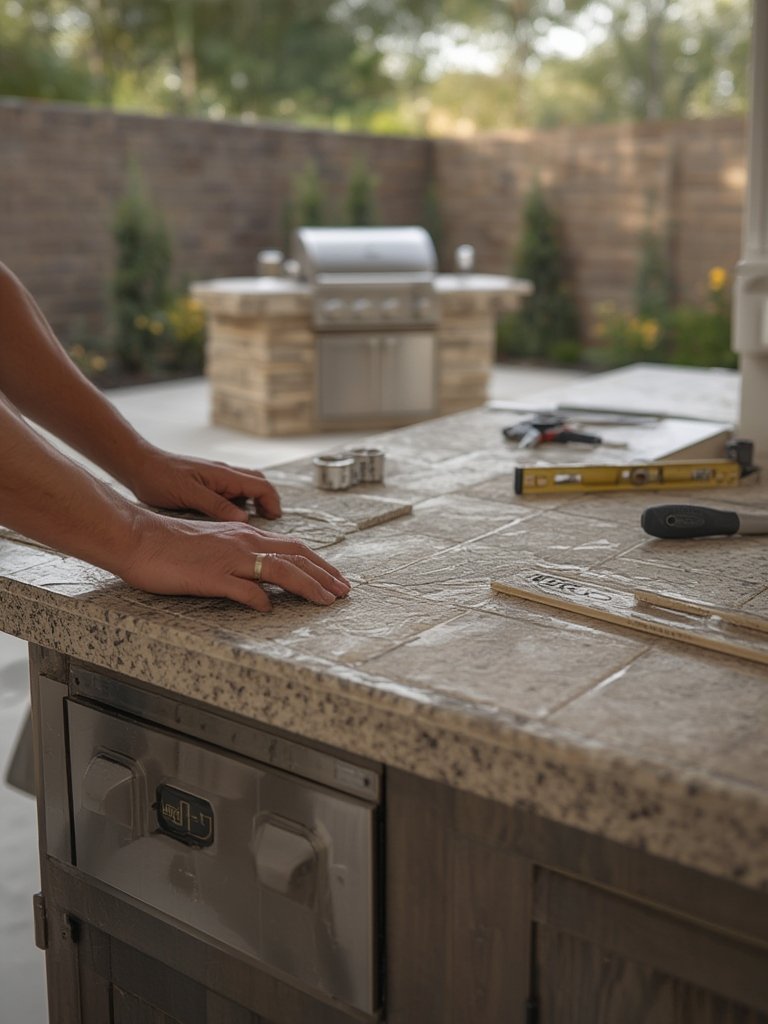
Modern e-commerce and DTC (direct-to-consumer) models let you order complete prefab kits—sometimes with white-glove delivery—so you can install an L-shaped layout in half a day. E-commerce bundles can include appliance packages and accessories; this is especially popular in the southern and western U.S. for quick, year-round entertainment upgrades.
If you’re planning large-scale upgrades or even full home renovations, understanding budget breakdowns and workflow is essential. Visit our detailed guide on Large Scale Renovation Planning for cost-saving insights.
Advanced Analysis & Common Pitfalls
Outdoor kitchens boost home value and lifestyle, but real-world installations are rarely trouble-free. Here’s what recent surveys, expert insights, and user reviews reveal as the most common obstacles and advanced planning issues:
- Material Selection: Wood can look great but fails quickly outdoors if not heavily sealed or replaced by composites. Stainless steel, stone composites, and marine-grade polymers are now the go-to for longevity (source).
- Install Delays: Field modifications, poor site drainage, and overlooked permits can cause weeks of delays. Modular systems with tool-free, pre-drilled appliance cutouts reduce this risk.
- Code Violations: Propane, natural gas, and electrical lines require strict adherence to local codes and permits, with multifamily or rooftop installs needing extra vandal and weather resistance.
- Budget Overruns: Add-ons like electrical circuits, plumbing, special finishes, and smart features pile up costs. Always set a 10-20% contingency in your budget.
- Maintenance Headaches: Non-rusting, easy-clean materials solve this for most residential and hospitality settings. Avoiding high-maintenance finishes is key for ROI and peace of mind.
| Approach | Pros | Cons |
|---|---|---|
| Custom Masonry Build | Maximum design flexibility, permanent construction, can match home style | Slow to build, requires trades, expensive, hard to move/modify |
| Prefab Modular Kit | Fast install, lower cost, easy to customize, replace, or expand | Limited custom layouts, appearance may not match existing hardscape |
| DIY Assembly | Lowest cost, sense of accomplishment, fully customizable | Time-consuming, risk of code errors, less durable without experience |
Underexplored trends in the space include high-density living solutions—think communal rooftop kitchens with vandal and weather-resistant cabinetry—or hospitality-driven bulk installs with repeatable layouts for large complexes. These segments are growing but often skipped in consumer articles. Even seasoned DIYers can run into issues if materials or codes aren’t researched for their city or region.
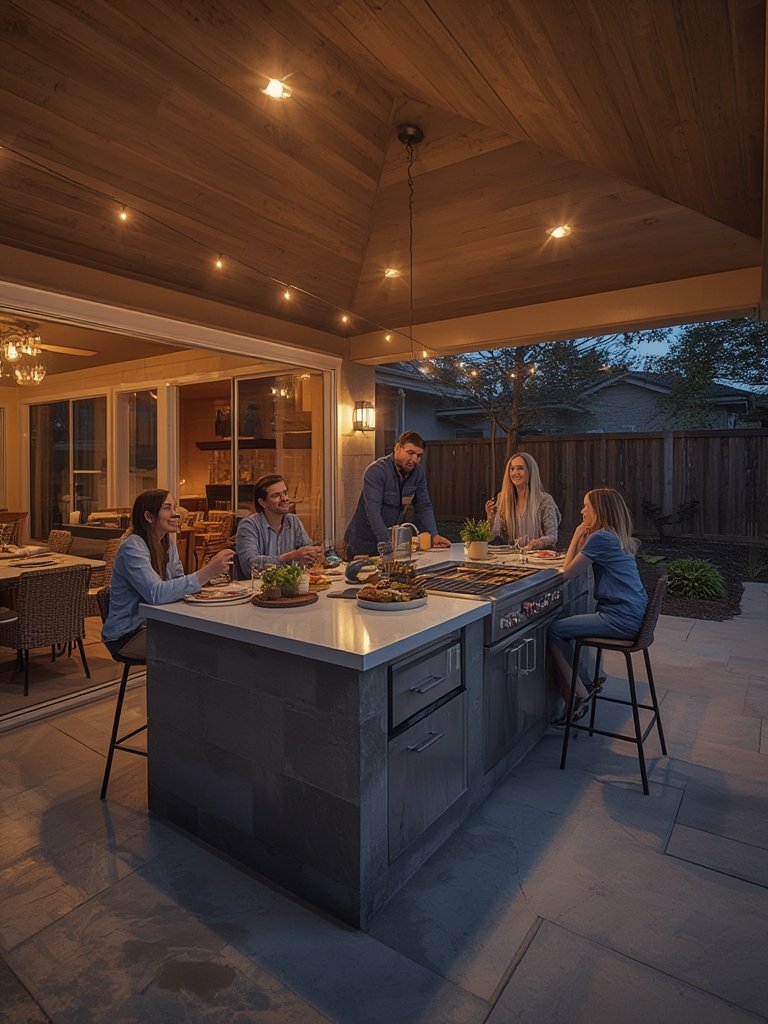
On the maintenance side, favor marine-grade polymers for islands or storage and pay close attention to cleaning instructions for appliances exposed to the elements. For those interested in maximizing efficiency and ongoing savings in all renovation projects, our guide on Energy-Efficient Upgrades reviews the best improvements that add lasting value inside and out.
Conclusion
The outdoor kitchen ideas shaping backyards in 2024 blend comfort, durability, and technology like never before. Whether you opt for modular speed or custom luxury, careful planning, region-specific materials, and attention to safety codes make the difference between a showpiece and a headache. Smart grills, integrated LED task lighting, efficient layouts, and savvy product choices deliver both instant lifestyle upgrades and lasting home value.
Ready to turn your inspiration into reality? Start planning your next project with these outdoor kitchen ideas and check out related guides on DIY Home Decor and Home Organization & Storage Solutions for a full-home transformation. Don’t wait—your backyard upgrade is just a few strategic decisions away.
Frequently Asked Questions
How much should I budget for a basic outdoor kitchen?
Start by setting a minimum of $5,000 for a basic modular grill setup with storage, but costs can reach $15,000-$30,000 or more with premium appliances, stone elements, plumbing, and electrical work. Always add a 10-20% cushion for unforeseen expenses.
What materials last longest in all-weather environments?
Stainless steel, marine-grade polymers, and stone composites offer superior weather resistance and low maintenance across most U.S. climates. Avoid untreated woods, as they tend to warp and degrade quickly unless fully sealed or replaced with composites.
Do I really need professional installation?
With 84% of projects involving pros, expert installation helps avoid code violations and speeds up the process—especially with gas, electrical, or complex sites. Modular kits allow for easier DIY, but always seek permits and consult local codes.
What are some trending smart features for 2024?
Popular upgrades include app-controlled grills, weatherproof speakers, and even Wi-Fi-connected smokers. Weatherproof smart tech is increasingly standard in high-end outdoor kitchens.
Can I build an outdoor kitchen on a rooftop or small balcony?
Yes—with modular, lightweight aluminum cabinets and code-approved appliances, it’s possible to fit compact, vandal-resistant kitchens on rooftops or balconies, especially in urban or multifamily developments.