

Outdoor kitchen ideas are transforming backyards across America, turning unused spaces into custom cooking and entertainment hot spots. With homeowners investing heavily in stylish, weather-resistant setups, the right outdoor kitchen can elevate your home’s value while adding year-round enjoyment. But success means more than a pretty grill—smart materials, weatherproofing, and planning against common pitfalls matter just as much as looks.
Key Takeaways
- Global outdoor kitchen market is booming, led by U.S. demand and weather-resistant material innovation.
- Success depends on durable design, smart appliance choices, and planning for region-specific weather.
- Ignoring zoning, permits, or maintenance can lead to costly setbacks—avoid these with practical strategies.
- Introduction
- 1. The Core Concept
- 2. Step-by-Step Guide
- 3. Advanced Analysis & Common Pitfalls
- Conclusion
- FAQ Section
1. The Core Concept: Why Invest in Outdoor Kitchen Ideas?
Outdoor kitchens aren’t just for luxury homes anymore. In 2024, market growth shows that people all over the world want functional, durable, and appealing backyard kitchens. The global outdoor kitchen market reached almost $25 billion and is expected to double over the coming decade. Most buyers cite year-round entertaining, healthier home cooking, and boosting property value as reasons they’re investing in these upgrades.
Homeowners in high-sun states (like California and Texas) are leading this trend, often choosing stainless steel cabinets and smart-connected appliances that resist harsh weather. Even in colder climates, modular designs and weather-resistant materials keep outdoor kitchens usable across seasons.
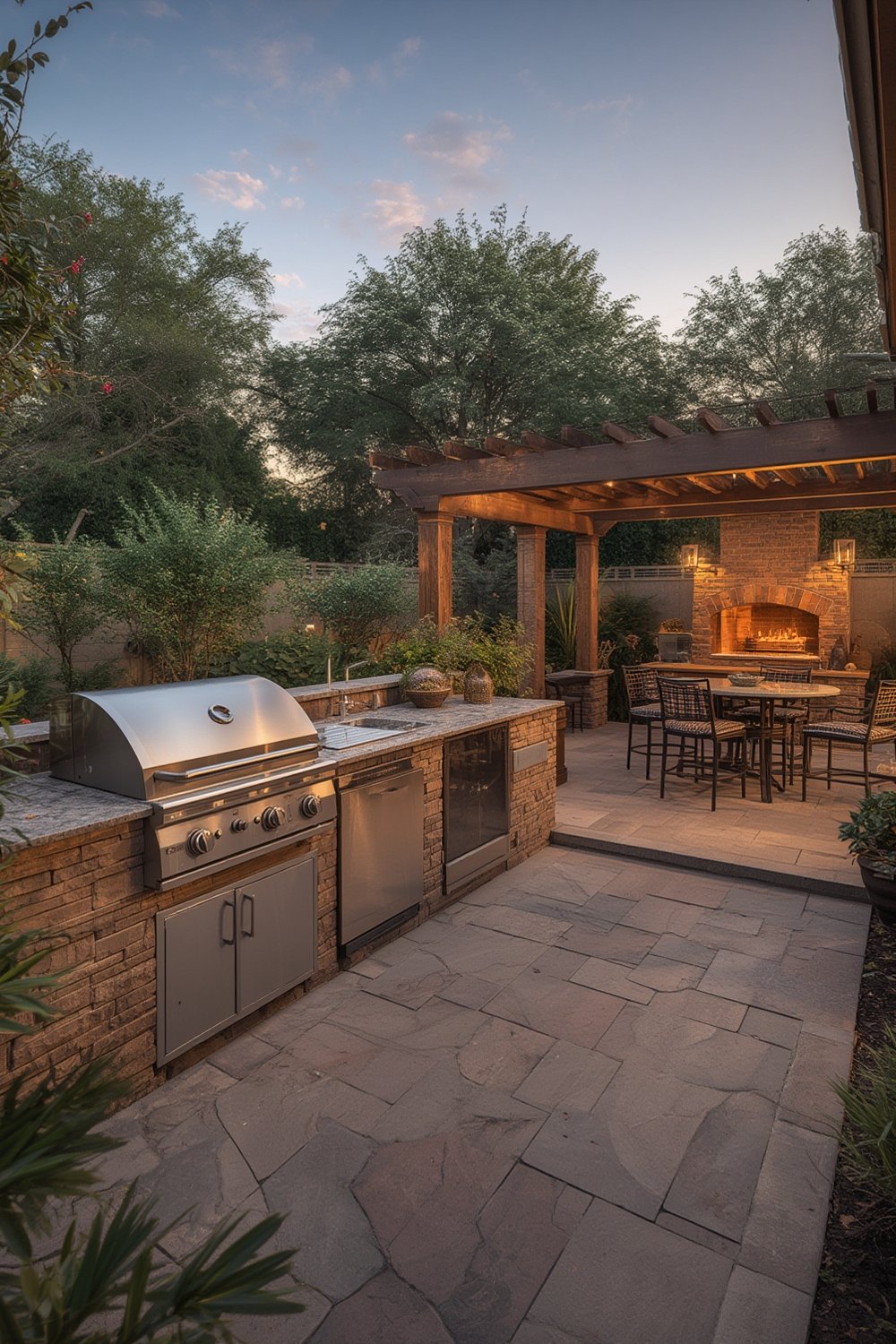
If you want seamless integration with your home, custom cabinetry, or a resort feel for backyard parties, outdoor kitchen ideas range from budget islands with simple grills to elaborate layouts with pizza ovens, bars, and covered seating. Choosing the right design depends on your climate, entertaining style, and budget.
As kitchens get smarter, the integration of home automation features—like app-enabled grills or smart lighting—can make your kitchen easy to use day and night. This convergence is at the center of modern home improvement, connecting with larger trends in energy efficiency and advanced backyard living.
2. Step-by-Step Guide: How to Plan and Build the Perfect Outdoor Kitchen
A successful outdoor kitchen blends practical elements with your lifestyle. Follow these clear steps to avoid mistakes and create a setup that lasts.
Step 1: Assess Your Space and Set Priorities
- Measure your available area. Large backyards can handle L-shaped kitchens with seating; small patios might need a single island or compact grill.
- Decide if you need only a grill and basic prep zone, or want built-in sinks, refrigeration, and entertainment features.
- Don’t forget nearby water sources, power, and shelter from wind or rain.
Step 2: Research Zoning, Permits, and Utility Connections
- Before designing, check local regulations for outdoor kitchens. Most cities require permits for gas, plumbing, or electrical work.
- Hire licensed professionals where needed—illegal installations risk fines and safety hazards.
- If you’re seeking top ROI, review renovation planning guides for legal and financial strategies.
Step 3: Choose Durable, Weatherproof Materials
- Opt for stainless steel, concrete, polymer, or composite cabinets in harsh climates. These resist rust, mold, and sun fading.
- High-end wood like mahogany works well under covered areas but needs annual sealing.
- Look for outdoor-rated appliances and hardware—indoor versions break down fast outdoors.
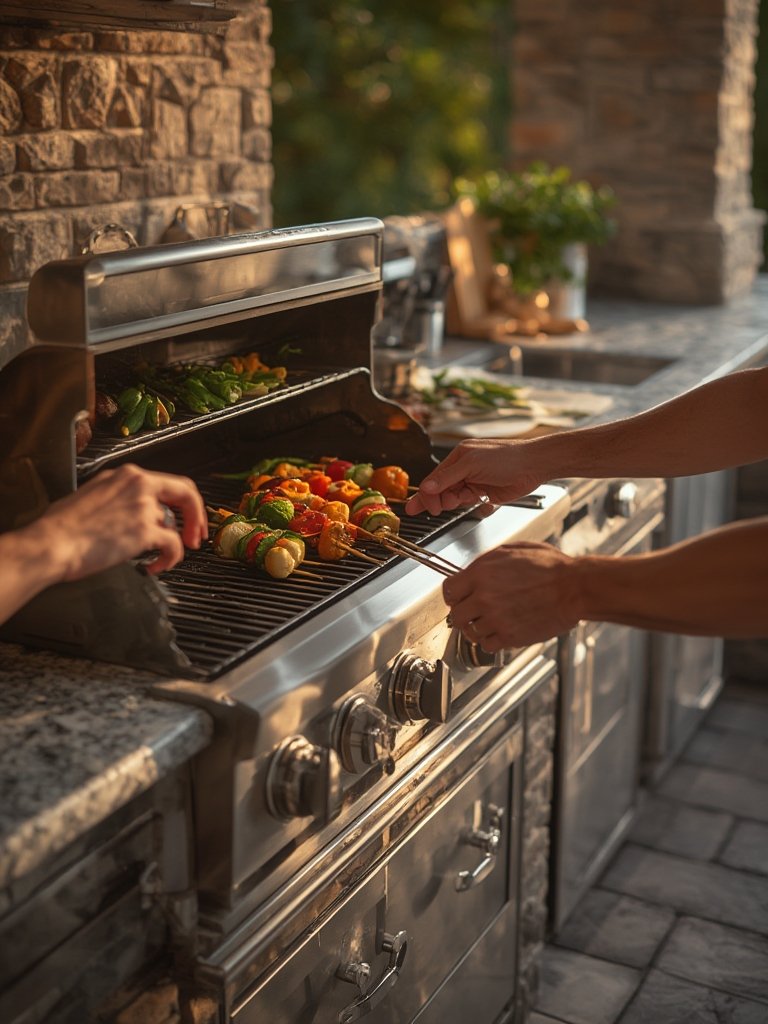
Step 4: Layout for Workflow and Safety
- Design prep, cooking, and serving zones in a logical flow—minimize walking back and forth.
- Leave safe clearances around grills and appliances to prevent fire risks.
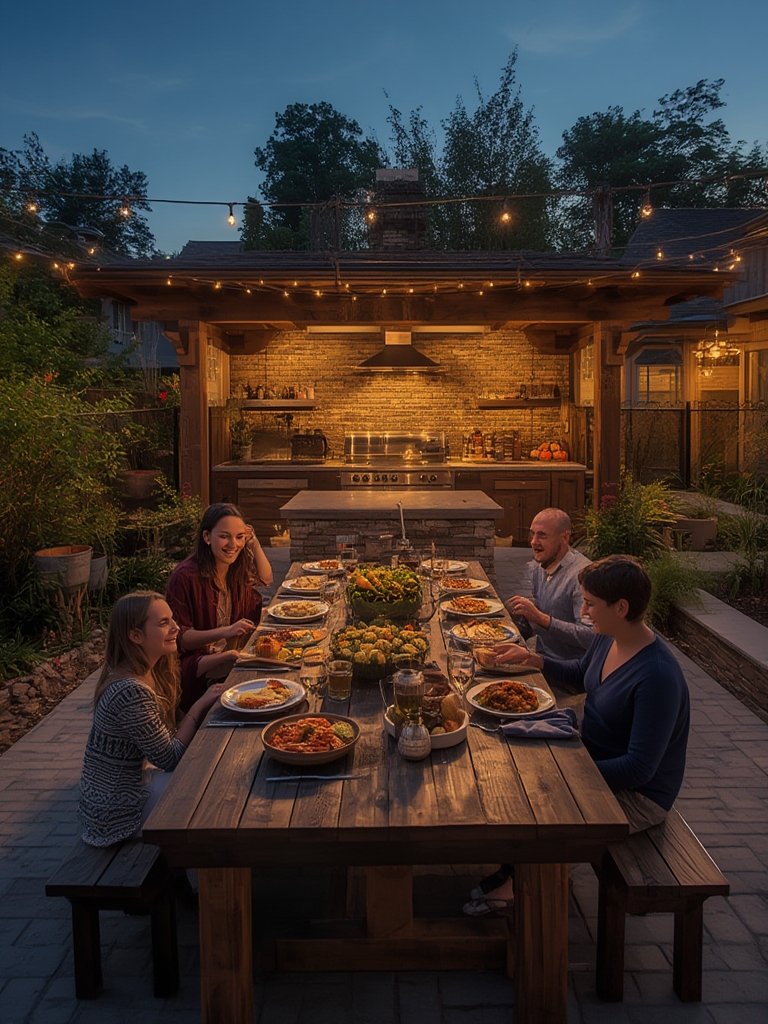
- Plan covered or shaded seating if you want to entertain comfortably in all weather.
Step 5: Budget for Installation and Maintenance
- Calculate all costs including cabinets, appliances, professional labor, utility connections, permits, and weather protection.
- Research ongoing cleaning, sealing, and appliance service—outdoor kitchens face more wear than indoor spaces.
- For detailed pro budgeting, try expert cost planning guides.
Step 6: Add Stylish but Functional Features
- Consider built-in lighting, smart grills, outdoor-rated fridges, and weatherproof sound systems for a high-end feel.
- Personalize your design with color, tile, or wood accent, but always use outdoor-rated finishes.
- Get inspiration from these proven outdoor kitchen ideas for maximum utility and style.
Step 7: Finish with Weatherproofing and Longevity Tools
- Invest in fitted covers for appliances.
- Use sealants on exposed stone or wood.
- Plan for routine cleaning schedules to prevent breakdown.
Want more creative backyard projects?
- Try DIY home decor ideas for personalizing your outdoor living space.
3. Advanced Analysis & Common Pitfalls
Market data shows most homeowners want outdoor kitchens that last, but many fail by overlooking exposure risks, poor planning, or by using the wrong materials. Here’s what commonly goes wrong—and how to get it right.
Common Pitfalls to Avoid
| Pitfall | What Happens | How to Avoid |
|---|---|---|
| Ignoring permits/zoning | Costly fines or forced removal of kitchen | Check with local planning department early; use pro installers |
| Choosing indoor materials | Warping, rust, mold, breakdown in a season or two | Require outdoor-rated stainless, polymer, concrete, or proper-sealed wood |
| Underestimating weather exposure | Rotting, sun damage, unusable kitchen in off season | Install cover, shelter, and protect all surfaces |
| Lack of maintenance routine | Grimy, failing appliances and poor appearance | Set cleaning/sealing schedule for every season |
| Inadequate storage or prep space | Back-and-forth trips inside, messy workflow | Design with prep, cooking, and serving zones |
| Unrealistic budget | Abandoned project or hidden costs later | Budget for all labor, appliances, permits, and maintenance |
Durable design always chooses proven materials. North America dominates global outdoor kitchen trends thanks to resilient stainless steel and polymer. If you pick the wrong cabinet type, expect replacement within a year or two. And while wood is beautiful, it requires annual sealing or will quickly fade or warp.
Staying on top of market trends can boost ROI, too. Smart-enabled grills and refrigerators controlled by your phone are rising, and features like home automation not only add convenience but often make your kitchen more energy-efficient and secure.
No matter your region, factor weather resistance into every product selection. Want more outdoor upgrade strategies? See these energy-efficient upgrades and bathroom remodeling ideas for tips on boosting home value across projects.
Conclusion
The right outdoor kitchen ideas pay off for years—if you plan ahead. Combine weatherproof materials, enough storage and prep space, and smart appliance choices for a backyard setup that can handle real-world conditions. Skip shortcuts, budget realistically, and always cover local zoning and safety. The perfect outdoor kitchen elevates daily living and entertainment, and can boost your home’s market appeal. Ready to bring your outdoor kitchen ideas to life? Start planning with durability, flexibility, and year-round use in mind—your future self will thank you!
Looking for more guidance or renovation strategies? Explore our
expert renovation guides and
home organization solutions for actionable tips. For hands-on inspiration, don’t miss our
DIY home decor ideas and practical
outdoor kitchen tips.
FAQ Section
What materials are best for outdoor kitchen cabinets?
Stainless steel and concrete are top choices for durability and weather resistance. Polymer and composite cabinets are also excellent in humid or coastal regions. Premium woods like mahogany work under cover, but require annual sealing to prevent damage.
Do I need a permit for an outdoor kitchen?
Most areas require permits for gas, electrical, or plumbing connections in outdoor kitchens. Always check your local zoning and permit rules before starting installation or risk fines and forced removal.
How do I keep my outdoor kitchen looking new?
Use fitted covers for appliances, seal wood and stone surfaces annually, and clean all equipment after use. Stick to a maintenance schedule, especially if you live in a harsh-weather area.
Are outdoor kitchens a good investment for home value?
Yes. A well-designed and properly built outdoor kitchen boosts home resale value, especially in areas with strong backyard living trends. Use resilient materials and get the right permits for best ROI.
What’s the biggest mistake people make with outdoor kitchens?
Skipping proper weatherproofing or ignoring local regulations. Either can lead to costly repairs, safety hazards, or being forced to tear down the setup later.