

Eco-friendly paint options are rapidly replacing traditional paints in modern renovations as health and sustainability become top homeowner priorities. Whether you want cleaner indoor air or a reduced environmental footprint, knowing the real benefits, technical details, and possible tradeoffs is key before you pick your paints.
Key Takeaways
- Eco-friendly paint options use fewer toxic chemicals, improving indoor air and reducing health risks compared to traditional paints.
- Low VOC paints can sometimes involve tradeoffs in coverage and price, so be prepared to plan accordingly.
- Certifications matter: Look for third-party standards like GREENGUARD or EPA guidelines to verify eco claims—not all “green” paints are equal.
- What Are Eco-Friendly Paint Options and Why Choose Them?
- How to Choose and Use Eco-Friendly Paint Options: Step-by-Step Guide
- Advanced Analysis & Common Pitfalls
- Conclusion
- FAQ
What Are Eco-Friendly Paint Options and Why Choose Them?
Eco-friendly paint options are paints formulated to contain fewer toxic chemicals, especially volatile organic compounds (VOCs), heavy metals, and hazardous solvents. These alternatives are designed to improve your indoor air quality, minimize environmental impact, and protect household health during and after application.
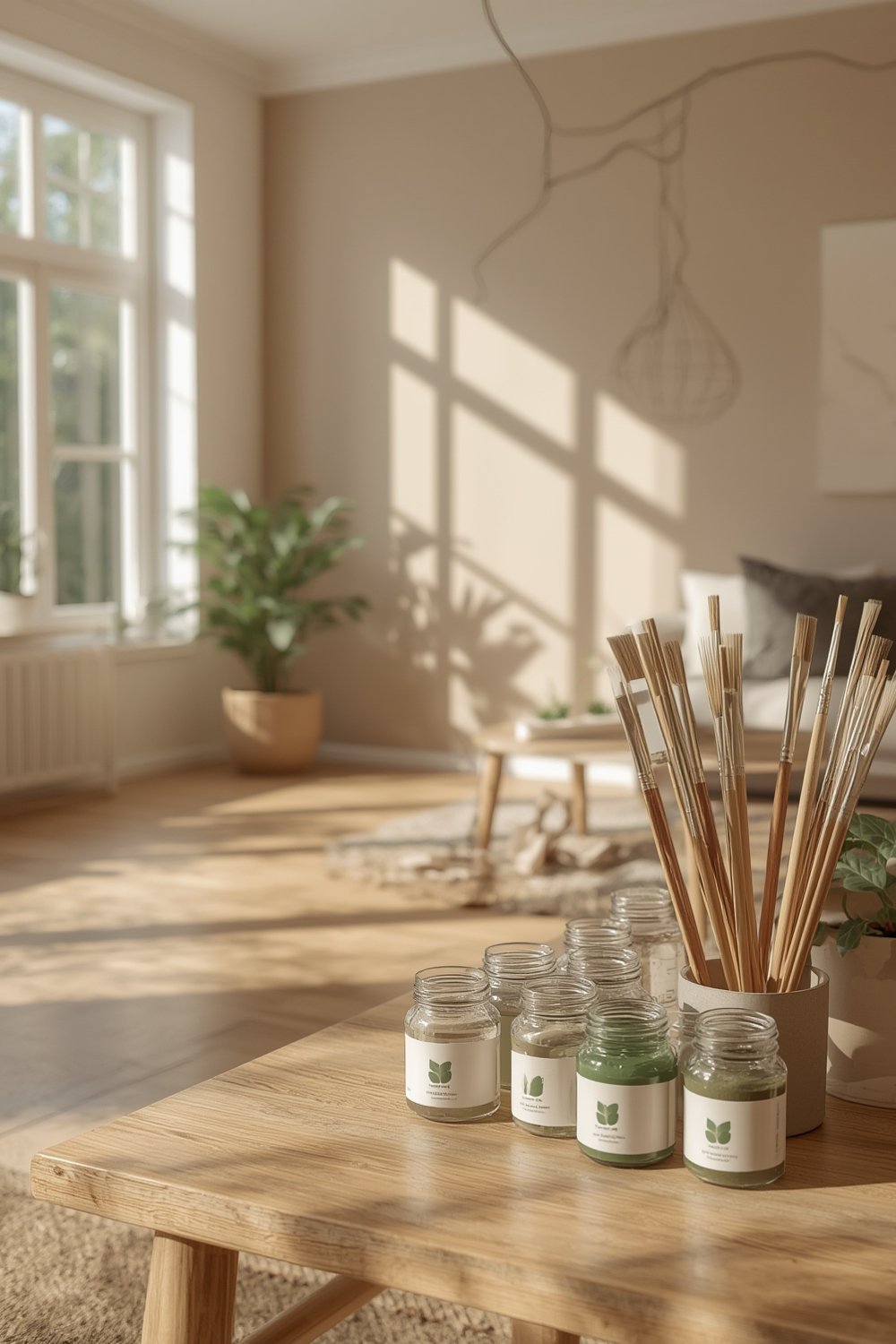
Traditional paints are known to emit a blend of VOCs including toluene, xylene, formaldehyde, and benzene, which may trigger headaches, respiratory problems, or even long-term organ damage. They’re often loaded with heavy metals such as lead, mercury, or cadmium for durability and color, risking neurological damage and other serious health problems, especially for children and pets. For more on how traditional paint chemicals impact your health, see this authoritative guide and this clinical review.
By switching to low VOC, zero VOC, or plant/mineral-based paints, you reduce exposure to many of these hazards. Although no paint is entirely chemical-free, eco-friendly paint options offer a safer path for families, allergy sufferers, and anyone sensitive to strong odors. They also align well with other green upgrades like energy-efficient improvements and smart home projects.
How to Choose and Use Eco-Friendly Paint Options: Step-by-Step Guide
Choosing and applying eco-friendly paint options isn’t quite the same as using off-the-shelf paint from your hardware store. Follow these actions for the healthiest, most sustainable results.
- Define Your Needs: Decide which rooms need painting and identify any special requirements, such as mold resistance for bathrooms or scrub-ability for kitchens. If you’re renovating whole spaces, coordinate new paint with other updates like those in our large scale renovation guide.
- Compare Paint Types:
- Low VOC/Zero VOC Latex: Water-based; lowest fumes and easy cleanup.
- Clay/Mineral-Based: Truly natural but with limited color ranges.
- Plant/Oil-Based: Derived from renewable sources; can be pricier and slower to dry.
Double-check for hidden biocides or preservatives, which can add toxicity even to water-based options.
- Check Certifications: Look for verification like GREENGUARD Gold or EPA Safer Choice. Not all “natural” or “green” paints are equal. While full details are lacking in public databases, strict standards minimize hazardous ingredients (see more).
- Prep Surfaces Properly: Wash, sand, and repair any imperfections. Old surfaces may contain legacy lead paint—especially in homes built before 1978. If in doubt, test and remediate safely first. Then let surfaces dry thoroughly, since moisture slows down ultra-low odor paints even further.
- Choose the Right Tools: Use high-quality, low-shed rollers and synthetic bristle brushes. Some eco-paints are thinner or thicker than standard latex, so test your tools before a big wall.
- Apply in Thin Layers: Eco-friendly paints may require an extra coat for full pigment richness or staining coverage, especially over dark or old surfaces.
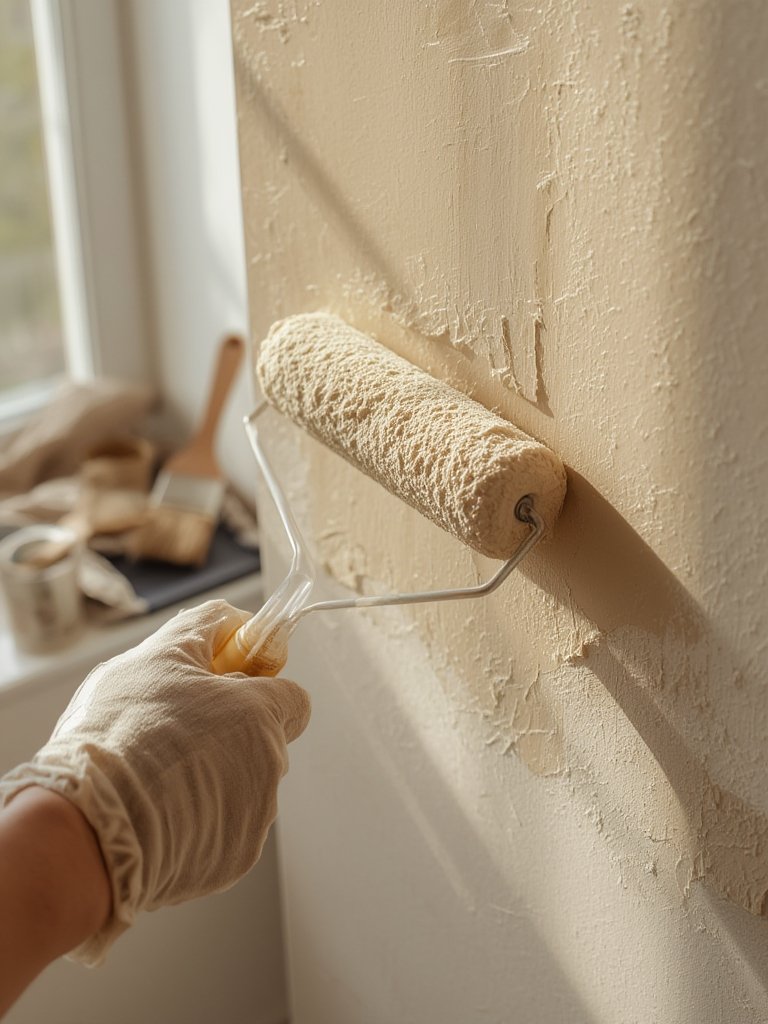
Applying thin coats with proper drying time ensures the healthiest, most durable results.
- Maximize Ventilation: Even low VOC paints can release some odor. Use fans and open windows to speed up off-gassing, ideally for 2–3 days after the project, especially in bedrooms. If that’s not possible, consider air cleaners until the “fresh paint” smell is gone.
- Cure and Maintain: Allow paint to harden fully before heavy use—many eco-formulas cure more slowly. Look for care instructions and periodic cleaning to extend paint life.
For additional renovation tips like smart device integration, see our smart home improvement guide.
Advanced Analysis & Common Pitfalls
Eco-friendly paint options offer healthy benefits, but they’re not always a simple swap. Here’s what often goes unsaid:
| Issue | Eco-Friendly/Low VOC Paints | Conventional Paints |
|---|---|---|
| Chemical Content | Reduced VOCs, fewer heavy metals, but may still contain preservatives or trace toxins. | High VOCs, more heavy metals, frequent biocides and hazardous solvents. |
| Odor | Generally milder, but some users report lingering scent until fully cured. | Strong and persistent “paint” smell for days or weeks. |
| Coverage | May require extra coats, especially over dark or stained surfaces. | Usually higher pigment density—often better at covering in one coat. |
| Durability | Varies widely; some top brands are as durable as standard paint, others less washable or more prone to marks. | Proven durability for decades, especially oil-based options. |
| Certifications | Not always clearly labeled; look for GREENGUARD, EPA standards. | Rarely certified as non-toxic or allergy-safe. |
| Price | Can run higher per gallon; final cost depends on coverage and number of coats needed. | Lower upfront cost, but possible health or air quality costs long-term. |
Be aware of these pitfalls:
- Lack of Data on Performance: There are no published independent lab comparisons in 2024 for paint coverage, drying time, or wipeability of low VOC/eco options. Read reviews per brand and consider paints rated by certifications rather than pure marketing claims.
- Limited Color Selection: True naturally-derived paints still have fewer color choices, though mainstream low VOC brands now cover most design needs.
- No Industry Cost Transparency: There’s no up-to-date pricing data comparing eco-friendly and standard paints. Expect to pay a moderate premium.
- Certifications Are Inconsistent: Not all companies list third-party standards. Some “green” claims aren’t regulated. Check for reputable marks like EPA Safer Choice or GREENGUARD (see more).
Remember, eco-friendly paints are a single part of a full healthy home approach. Pair your paint project with storage upgrades (see our storage solutions guide) or DIY decor improvements for the best results.
Conclusion
Eco-friendly paint options are essential for anyone prioritizing health and sustainability in home upgrades. While they offer major benefits like reduced toxins and improved air, you should expect some tradeoffs in cost, color variety, and possible extra coats. Always check third-party certifications if you want maximum impact. Ready to upgrade? Start your eco-friendly paint options plan today and protect your indoor environment step-by-step.
Looking for a complete transformation? Pair your paint project with a DIY decor change or explore new ways to save energy throughout your home.
FAQ
What chemicals should I avoid in paint for better indoor air quality?
Avoid paints containing high VOCs (formaldehyde, toluene, xylene, benzene), heavy metals like lead, mercury, and cadmium, and strong solvents like turpentine. For more details see this resource.
Do eco-friendly paints really work as well as traditional paints?
Many perform similarly on most walls, but you may need more coats, and some brands lack the hard, washable finish of high-end traditional paints. Always review specific brand data and check certifications.
How can I confirm that a paint is truly low or zero VOC?
Look for independent certifications on the can, like GREENGUARD Gold or EPA Safer Choice. Manufacturer websites often specify VOC grams per liter—aim for paints under 5 g/L for the cleanest air.
Are eco-friendly paints safe for children’s rooms and nurseries?
Yes, when you choose certified low or zero VOC brands and allow the paint to cure thoroughly before occupancy. For sensitive people or infants, ventilate for at least 72 hours after painting.
Will I pay more for eco-friendly paint options?
Usually yes, though costs are narrowing as more brands compete. You may spend more upfront, but potentially save on future health or cleaning issues.