

### Blog Post:
Eco-friendly paint options are not only better for your indoor air quality but also help reduce your environmental impact when upgrading your home. Making the right paint choice can save your health, reduce toxins, and support a cleaner planet—if you know what to look for.
Key Takeaways
- Eco-friendly paint options avoid volatile organic compounds (VOCs), making them safer for indoor air and the environment.
- Initial costs may be higher, but performance is comparable to traditional paints due to strong R&D from leading brands.
- To avoid greenwashing, choose paints labeled low-VOC, zero-VOC, water-based, or bio-based and look for documented certifications.
- What Are Eco-Friendly Paint Options and Why Choose Them?
- How to Choose and Apply Eco-Friendly Paint: Step-by-Step
- Advanced Analysis: Market Trends and Common Pitfalls
- Conclusion
- Frequently Asked Questions
What Are Eco-Friendly Paint Options and Why Choose Them?
Eco-friendly paint options are manufactured to minimize environmental impact and reduce exposure to hazardous chemicals in your home. Most notably, they avoid or significantly lower volatile organic compounds (VOCs), which can harm indoor air quality and trigger allergies or respiratory problems. Water-based, zero-VOC, and plant-based paints are at the forefront of this movement, offering a safer and more sustainable way to decorate any space.

Demand for these alternatives is growing rapidly. According to market reports, the global water-based eco-friendly paint market reached $29.1 billion in 2023 and is expected to almost double by 2032 (source). Bio-based paints and coatings are growing even faster, with a reported CAGR of 9.4% through 2030 (source).
The main benefits:
- Lower toxicity indoors, supporting better health for your household.
- Less environmental pollution during manufacturing and after application.
- Compliance with current and future regulations on air quality and chemical exposure.
If you’re planning a project—whether a DIY home decor update or a bathroom remodel—this is the time to consider the advantages of eco-friendly paint options.
How to Choose and Apply Eco-Friendly Paint: Step-by-Step
Switching to eco-friendly paint is a straightforward process if you follow the right steps. Here’s how to do it effectively and avoid common headaches.
-
Identify the Right Labels.
- Look for paints marked “low-VOC,” “zero-VOC,” “water-based,” or “bio-based.” Some trusted options come with third-party certifications, though not all manufacturers list these prominently.
- Watch for “greenwashing.” Brands may use “eco” labels without real standards, so aim for clear ingredient disclosure.
-
Check Ingredients and Certifications.
- Choose paints made with water, plant, or mineral bases instead of synthetic solvents. Avoid products with formaldehyde, heavy metals, phthalates, and other known toxins.
- Major manufacturers now advertise innovative ingredients like bio-based binders and low-carbon feedstock. For industrial or architectural needs, seek newer formulations from AkzoNobel, BASF, and Arkema (source).
-
Estimate Budget and Coverage.
- While eco-friendly paint can cost more upfront, the difference is narrowing thanks to new technologies and strong market competition.
- Performance parity in coverage and durability is a priority for top brands, but always consult datapoints or in-store experts to verify the spread rate (sq ft per gallon).
-
Purchase the Right Amount.
- Eco-friendly paint behaves similar to traditional paint, but because high-pigment, low-VOC paints can sometimes require more coats—especially for deep colors—calculate with a margin for error.
-
Ensure Proper Ventilation and Surface Prep.
- Even low-VOC paints should be used with good airflow. Open windows and doors, and use fans to help dry and outgas any residual chemicals.
- Clean and prime surfaces just as you would for traditional paints. Using a compatible, low-VOC primer helps maximize the result.
-
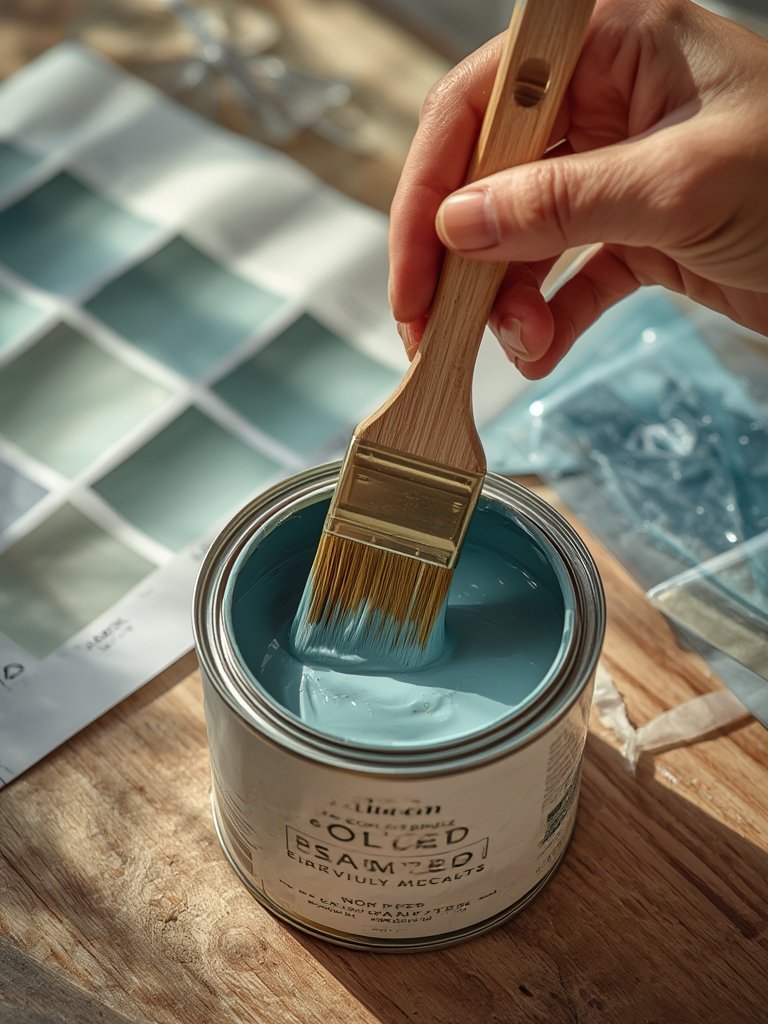
Apply Carefully and Evenly.
- Apply with high-quality, clean brushes and rollers. Follow best practices for stroke direction and drying times, as listed by the manufacturer.
- Don’t rush drying between coats, even when the paint claims fast recoat times—that’s key for durability and even color.
For those interested in a broader sustainable upgrade, consider incorporating energy-efficient home improvements or even using modular furniture for a low-waste approach that pairs well with eco-friendly paint.
Advanced Analysis: Market Trends and Common Pitfalls
Even with strong growth, the eco-friendly paint sector faces a few real-world challenges and misconceptions. Here’s what you need to know before purchasing or applying these paints.
Market Share and Industry Growth
The global paint and coatings market is valued at over $217 billion in 2024 (source). Exact percentage shares for eco-friendly paints are hard to pin down, but water-based and bio-based paints now make up a rapidly expanding share—as seen in recent benchmarks (source).
Common Pitfalls
- Upfront Cost Shock: Many homeowners encounter sticker shock. Premium eco-friendly paints may seem more expensive per gallon, especially in North America and Europe.
- Lack of Awareness: Without proper research, users may fall for greenwashing claims and buy paints that are not substantively greener than conventional options.
- Coverage Differences: Some eco paints may require extra coats for full opacity, especially with darker colors or poor surface prep.
- Certifications Confusion: The absence of universal, easy-to-spot certifications can leave buyers second-guessing their choice.
- Limited Access in Certain Markets: Availability is still lower in some regions, leading homeowners to default to traditional paints.
Performance: Comparison Table
A key concern is whether low-VOC or bio-based paints really match up to conventional paints in day-to-day use. Here’s a summary based on industry research:
| Feature | Eco-Friendly Paint | Conventional Paint |
|---|---|---|
| VOC Content | Low to Zero | Moderate to High |
| Odor Level | Low | Strong |
| Upfront Cost | Higher (but shrinking gap) | Lower (for basic lines) |
| Coverage & Durability | Generally comparable, especially with top brands | Reliable, wide selection |
| Health Impact | Safer, less irritative | May affect sensitive users or children |
Advanced Trends to Watch
- Bio-based & Plant Ingredients: Growth in genuinely plant-based and bio-based formulas—look for these if you want the most progressive paints.
- Biomass-Balanced Production: Certain industrial brands are adopting biomass-balanced methods to further decarbonize manufacturing (source).
- Waterborne, Low-Carbon Technology: Companies like Arkema and BASF are pioneering circular, waterborne technologies using low-carbon feedstock.
For additional context on home paint upgrades and indoor air improvements, check the eco-friendly paint proven guide or explore ways to improve indoor air further.

Conclusion
Adopting eco-friendly paint options is a practical decision that supports better air, resource responsibility, and modern home improvement standards. With advances in water-based and bio-based technologies, you can achieve stylish, healthy results—often with performance on par with traditional paints. Make your next project green and clean by choosing the right products and staying informed. Ready to make your walls safer and more sustainable? Assess your home’s needs and choose verified eco-friendly paint options today.
Frequently Asked Questions
Are eco-friendly paints really safer for people with allergies or asthma?
Yes. By avoiding or minimizing VOCs and other harsh chemicals, eco-friendly paints reduce indoor air quality pollutants. This lowers the risk of asthma or allergic reactions, especially in sensitive individuals or children.
Do eco-friendly paints last as long as regular paints?
For most colors and formulations from reputable brands, longevity is comparable. Research and development have made these paints highly durable and washable, matching conventional paints in performance for daily use.
Why do eco-friendly paints sometimes cost more?
The higher cost often comes from advanced ingredients and sustainable sourcing. However, the price gap is closing as demand and production scale increase, especially with major brands leading the way.
What should I look for to avoid greenwashed paint products?
Look beyond the word “eco” on the label and check for ingredient transparency, third-party certifications, and clear claims about VOC levels or bio-based content.
Will eco-friendly paints work for all rooms, including high-moisture areas?
Yes, but check that the product is rated for kitchens, bathrooms, or exterior use as needed. Many brands offer low-VOC options specifically formulated for high-humidity spaces.
—