

Kitchen countertop trends in 2024 are transforming the heart of the home with new materials, bold colors, and innovative design details—whether you aim for style, durability, or maximum home value.
Key Takeaways
- Quartz and porcelain lead 2024 kitchen countertop trends thanks to their durable, low-maintenance nature, and stylish options resembling natural stone.
- Earthy hues, dramatic veining, ultra-thin profiles, and waterfall edges are among the most requested design features for modern kitchens.
- Cost, technical performance, user complaints, and real-world ROI for different countertop materials are often overlooked but crucial to a wise decision.
- What’s New in Kitchen Countertop Trends for 2024
- Step-by-Step Guide: How to Choose and Install a Trend-Forward Kitchen Countertop
- Advanced Analysis & Common Pitfalls
- Conclusion
- FAQ
What’s New in Kitchen Countertop Trends for 2024
2024 kitchen countertop trends go beyond simple stone slabs. Homeowners now seek out materials that combine long-term durability with fresh design options. Porcelain and quartz are in high demand, delivering both practical benefits and the look of high-end natural stone—without the headaches of sealing or heavy maintenance. Colors are shifting toward earth tones, deep blacks, and lively veining reminiscent of luxury marble. Bold choices like fluted or curved edges, organic shapes, and textural finishes turn countertops into statement pieces, while innovations like waterfall edges create a sense of visual continuity and luxury. Most buyers are leaning towards engineered materials (like quartz or porcelain) for their resilience, heat and stain resistance, and sustainability potential. Minimalist thin profiles and nature-inspired designs reflect a broader desire for kitchens that feel both modern and grounded. [source], [source]
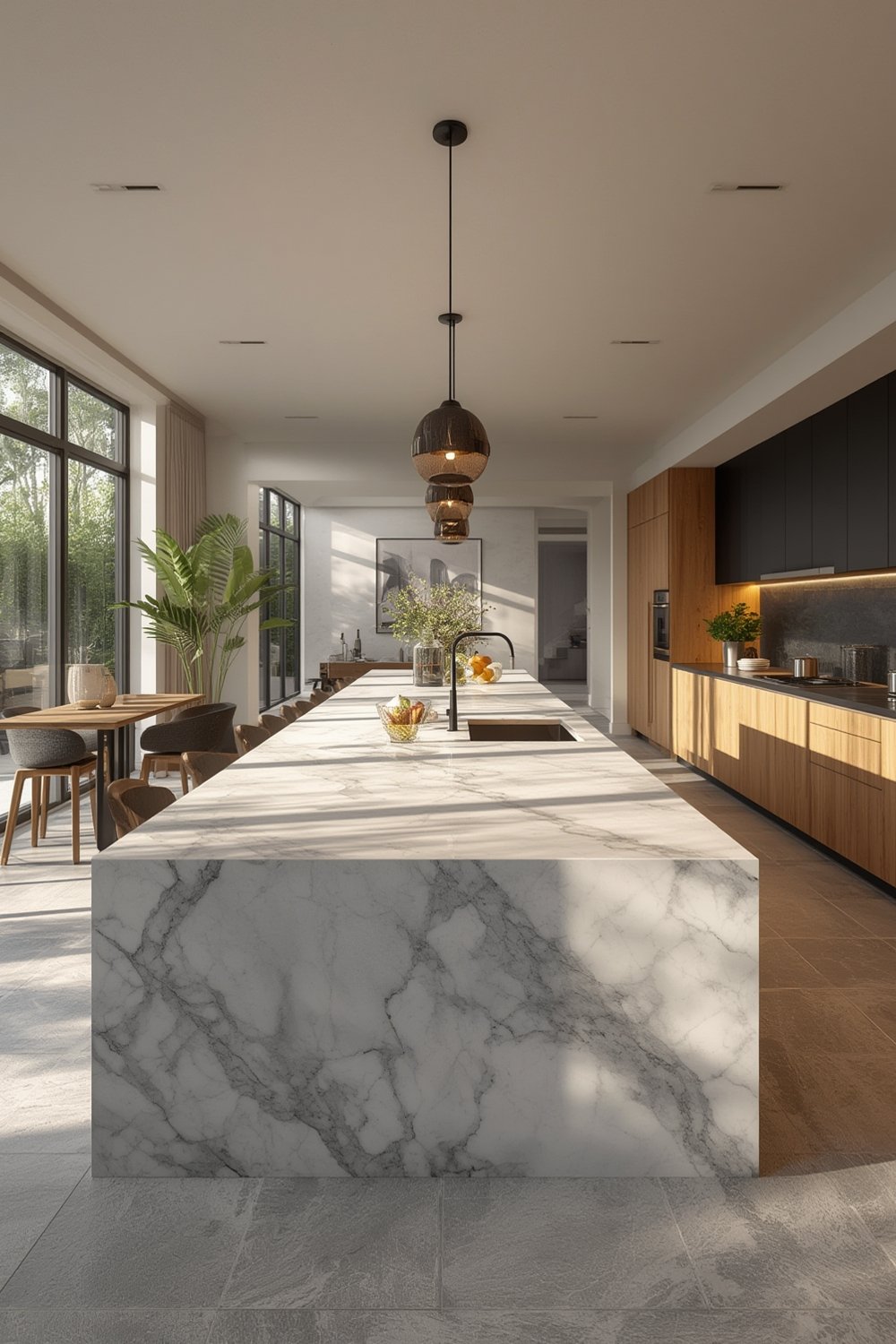
Marble is reemerging—mainly in dark, moody shades with prominent veining—while natural stones are getting tough competition from high-tech engineered surfaces that can mimic classic looks without the downsides. Design choices are also changing, favoring statement-making veining, mixed textures, and even combining different countertop materials within the same kitchen for added contrast. However, consumer searches for genuine cost breakdowns, real durability facts, and evidence of long-term performance are growing—topics many trend pieces and suppliers routinely neglect.
Step-by-Step Guide: How to Choose and Install a Trend-Forward Kitchen Countertop
- Define your priorities: List what you value most—low maintenance, high durability, aesthetics, price, or eco-friendliness.
- Research trending materials: Focus on quartz, porcelain, or cutting-edge engineered stones. Weigh options like dramatic marble veining, matte vs. glossy, and fluted or waterfall-edge profiles. [source]
- Compare performance: Check scratch, chip, heat, and stain resistance. Porcelain is currently best-in-class for immunity to staining and heat, while quartz is excellent for daily use but may not tolerate extreme heat as well. Review real user reviews and manufacturer specifications when possible.
- Set a realistic budget: Calculate not just material cost, but installation (which can rise sharply with details like waterfall edges or custom shapes). Factor in any extras, such as hardware for integrated lighting, cabinet upgrades, or specialized cutouts.
- Choose the right color and finish: Earthy browns, sandy beiges, matte blacks, and dramatic veining are top choices in 2024. Select textured finishes if you want a more natural feel, or glossy for cleaner modern minimalism.
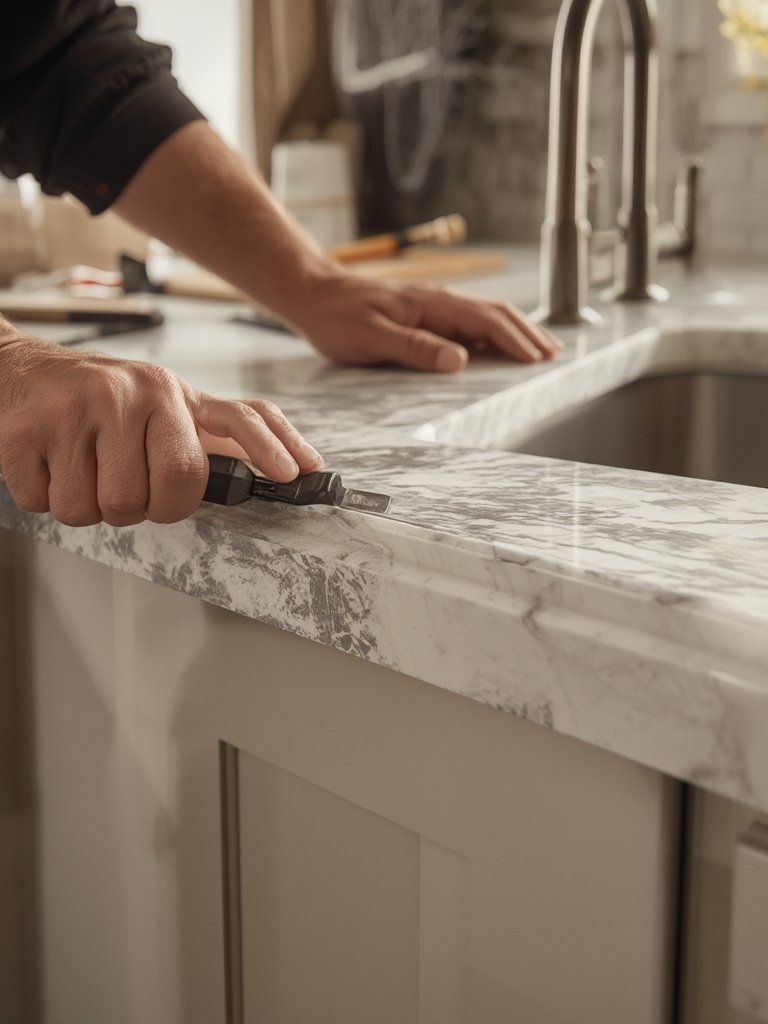
- Vet your installer: Ask to see previous work featuring the material and finish you’ve chosen. Installation is the most common source of problems—incorrect support for ultra-thin surfaces or seams on dramatic patterns can ruin a premium look.
- Plan for maintenance: Know exactly how to clean and protect your countertop. For most trending quartz and porcelain, this means gentle soap and water—skip harsh chemicals or polishes.
- Integrate with other upgrades: Waterfall islands, backsplashes in matching stone, or undercounter lighting all boost a kitchen’s wow factor and ROI. For more inspiration, check out our comparison of quartz vs granite or explore the complete 2024 home renovation planning guide to tie it all together.
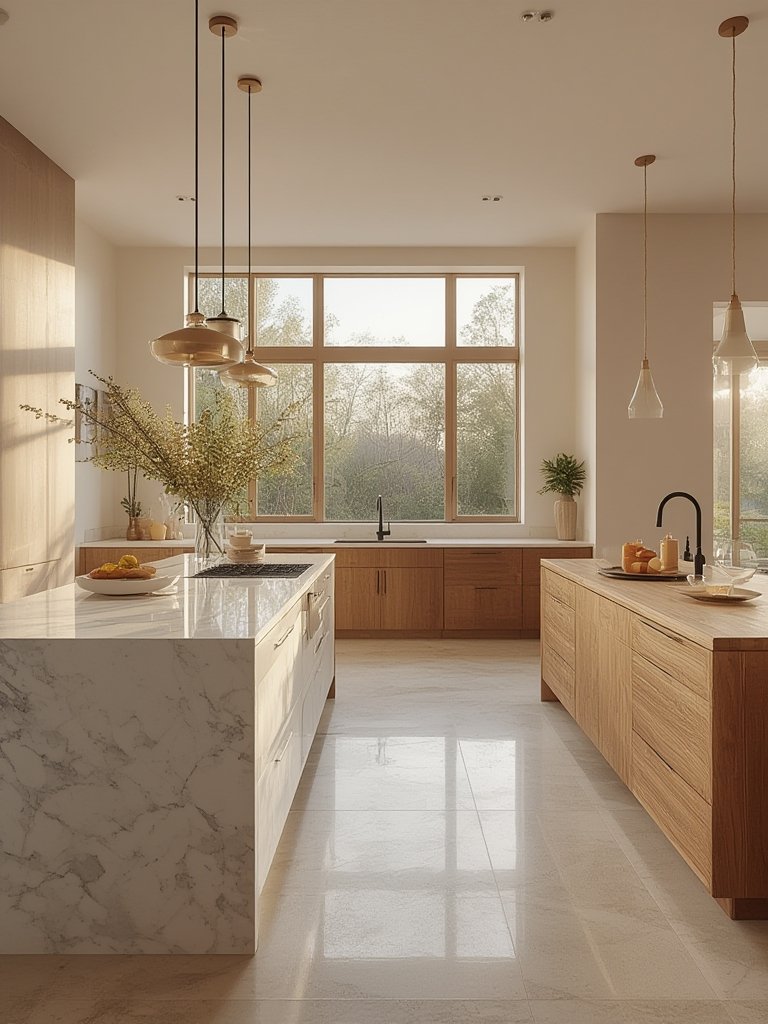
- Plan your design reveal: Even small kitchens benefit from on-trend details like curved edges or integrated breakfast nooks. Consider how your countertop will flow into adjacent zones—pair it with bold wall art or new cabinet hardware for a cohesive revamp.
- Keep resale and ROI in mind: While data on quartz versus granite ROI is scarce, bold countertops with seamless installation and on-trend looks consistently boost perceived value. Upgrade islands or main runs for maximum effect, and consult our bathroom ROI guide for further value-boosting ideas throughout your home.
Advanced Analysis & Common Pitfalls
Many homeowners get swept up in the excitement of new kitchen countertop trends, but it’s crucial to take a closer look at real challenges—especially those not often discussed in design-focused articles.
Typical Issues with Quartz, Porcelain, and Other Popular Surfaces
- Quartz: Generally resilient, but can be vulnerable to heat from direct pots and pans, and may lack the true-to-life veining of natural stone.
- Porcelain: Excellent for heat, stain, and scratch resistance, but custom designs (like waterfall edges) sharply increase costs, and improper installation risks chipping at thin edges.
- Natural stone (Marble, Granite): Eye-catching and unique, though generally more maintenance-heavy, requiring regularly sealed and being more sensitive to stains.
- Soapstone: Naturally stain and oil resistant, but may develop a matte patina over time, which is either a pro or con depending on your taste.
Cost Comparison & ROI: What Competitors Miss
| Material | Estimated 2024 Material Cost (Installed) | Maintenance Needs | Main Pros | Main Cons |
|---|---|---|---|---|
| Quartz | $$ – $$$ | Low (non-porous, simple cleaning) | Durable, stain-resistant, no sealing | Less heat-proof, patterns may be less authentic |
| Porcelain | $$$ – $$$$ (custom edges increase cost) | Very low (immunity to stains, chips, heat) | Best for heat, stains, and hygiene | Higher cost, trickier to repair if chipped |
| Marble | $$$ – $$$$ | High (needs sealing, careful care) | Unique, dramatic veining, luxury appeal | Prone to stains/etching, higher upkeep |
| Granite | $$ – $$$ | Medium (occasional sealing, avoid strong acids) | Unique natural patterns, durability | More effort to maintain, eco-friendliness varies |
| Soapstone | $$ – $$$ | Low (oil occasionally) | Stain/oil resistant, develops patina | Softer, scratches easily |
Technical Specs: Hardness, Heat, and Longevity
- Mohs Hardness: No vendors give public numbers, but granite is typically around 6-7, quartz 7, porcelain 7–9. Hardness is less of an issue than edge support and impact resistance, especially with ultra-thin or intricate edge treatments.
- Heat Resistance: Porcelain is top tier (safe for direct hot pots). Granite is good. Quartz can discolor if exposed to high heat frequently.
- Longevity and Sustainability: Engineered stones (quartz, porcelain) tend to last decades with minimal maintenance, and newer products often incorporate recycled materials. However, full sustainability and fabrication emissions are rarely disclosed.
Design Trends vs. Real Living: What to Watch For
- Costs for designer details (waterfall, ultra-thin) are higher and may offer limited additional ROI outside luxury markets.
- Minimalist thin profiles look great but require perfect support; DIY installs are not recommended.
- Organic/curved shapes mean more custom labor—contractor skill matters for seamless results.
- Lack of proper edge support, especially for porcelain, can lead to cracks or chips. Insist on viewing past installs with similar details.
- Some finishes, like ultra-matte or textured, are more prone to showing crumbs and fingerprints unless regularly cleaned.
If you want your entire home to reflect cohesive modern style, consider upgrades in other spaces—like energy-efficient improvements or tiny home remodels—to boost comfort, value, and sustainability.
Conclusion
The best kitchen countertop trends for 2024 blend durability, bold style, and sustainability. Homeowners who do their homework—comparing maintenance, true costs, ROI, and real-world performance—are rewarded with surfaces that look great and last. As you invest in your next renovation, remember to focus on function and authenticity as much as aesthetics. Ready to choose or update your own countertop? Explore more inspiration, compare real costs, and see how the latest kitchen countertop trends can elevate your space for years to come.
Take the next step: Connect with local pros, research further, or check our in-depth guides on quartz vs granite, and home organization and storage solutions to make your kitchen remodel smart and future-proof.
FAQ
What countertop material is most durable for busy kitchens in 2024?
Porcelain is currently ranked as the most durable—resistant to heat, stains, and scratching, while quartz is also highly resilient and low maintenance for daily use.
Are waterfall countertops worth the extra cost?
Waterfall edges create a wow factor and protect cabinetry but increase both material and labor costs significantly. They’re best for islands or focal points where you want maximum impact.
Does real marble require a lot of maintenance?
Yes. Marble must be regularly sealed, is prone to staining and etching, and needs gentle cleaners. New engineered materials can mimic marble’s look with far less upkeep.
Which colors are most on-trend for kitchen countertops now?
Earth tones (warm browns and sandy beiges), dramatic darks like matte black, and lively veined patterns inspired by nature are most popular for 2024.
How do I boost resale value with countertop upgrades?
Focus on quality, seamless installation, and trending features like dramatic veining or waterfall edges on an island. Upgraded countertops consistently boost buyer appeal, even if exact ROI numbers aren’t available.