

Solar water heaters are rapidly changing how homeowners heat water, offering lower utility bills and a real boost to energy efficiency. In this 2024 guide, we cut through vague benefits to show you what works, what doesn’t, and how to maximize your investment with solar water heaters in any climate.
Key Takeaways
- Solar water heaters dramatically reduce energy bills, but effectiveness is highly climate-dependent.
- Adoption is skyrocketing worldwide due to incentives and falling tech costs, but upfront investment and installation challenges remain.
- Integrating solar water heaters with broader home solar systems requires careful planning and may not always deliver a perfect return on investment.
- What Are Solar Water Heaters and Why Are They So Popular in 2024?
- How to Maximize Your Savings: Step-by-Step Solar Water Heater Planning
- Advanced Analysis & Common Pitfalls Before You Buy
- Conclusion
- Frequently Asked Questions
What Are Solar Water Heaters and Why Are They So Popular in 2024?
Solar water heaters use solar energy to heat water for home use, offering an efficient, sustainable alternative to gas or electric water heating. In 2024, global demand is at an all-time high. Residential buyers are leading this trend, mainly because energy prices have soared and government incentives are helping offset initial costs. The solar water heater market reached almost $2.9 billion globally, with North America and Europe covering over 70% of that value [source]. Asia-Pacific—driven by China and India—remains the fastest-growing region, supported by major subsidy programs and high solar irradiance [source].
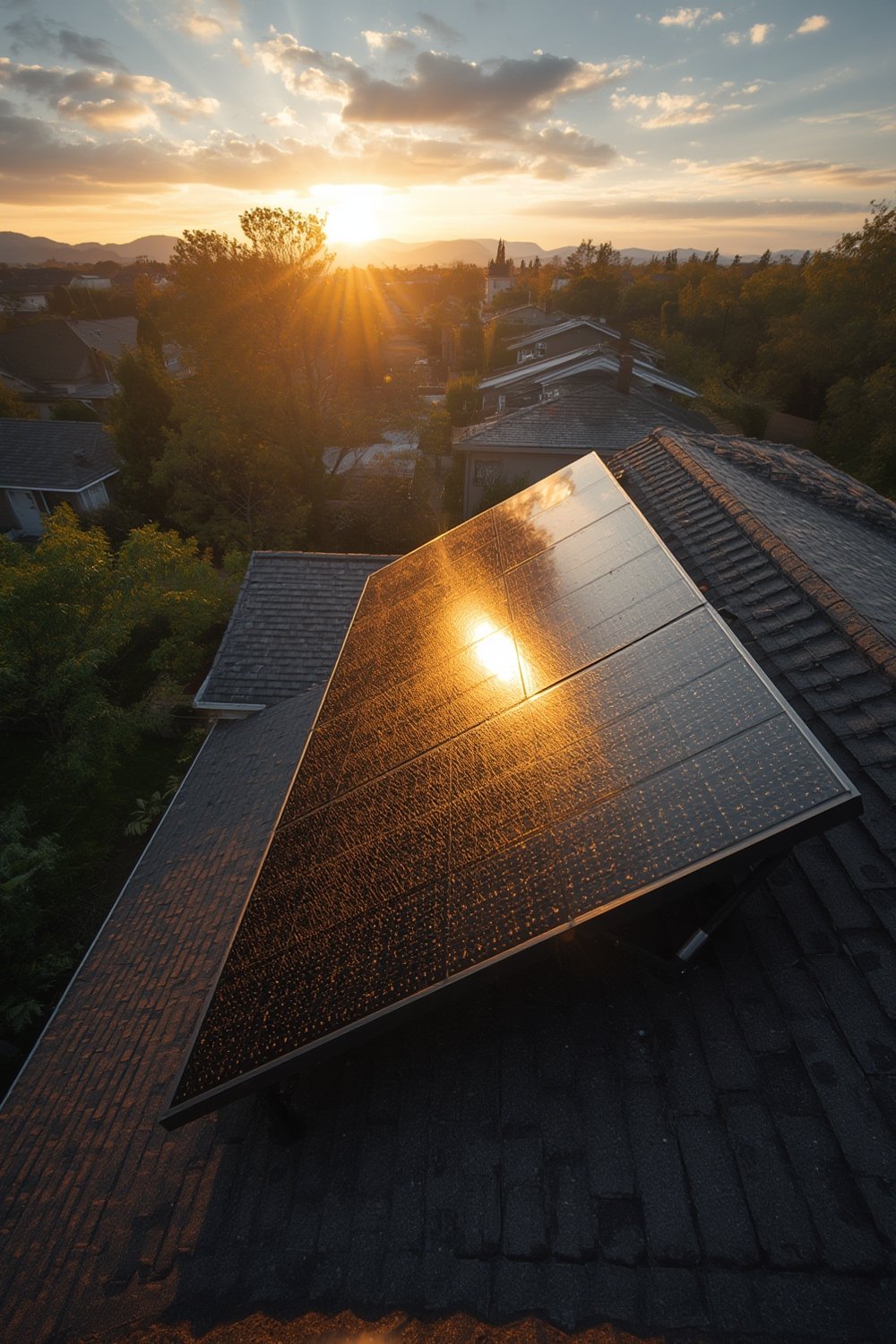
Unlike traditional heaters, these systems harness rooftop solar collectors—either flat panels or evacuated tube collectors—to preheat or fully heat household water. This process massively reduces your monthly bills and, paired with government rebates or tax credits, can shrink the typical payback period.
Solar water heaters appeal to homeowners looking for smart ways to boost property value, lower utility expenses, and cut emissions. If you’re focused on energy-efficient upgrades with high ROI, solar is now among the top contenders. This is especially true for sun-rich regions, though newer evacuated tube collectors are making cold climates more viable.
How to Maximize Your Savings: Step-by-Step Solar Water Heater Planning
A successful solar water heater project needs more than just a sunny roof. Here’s a no-nonsense approach to get the most value for your investment:
-
Assess Your Region and Roof
Solar water heaters are most effective in sun-rich climates, but ETCs (evacuated tube collectors) now make northern installations possible. For city dwellers or smaller homes, consider space constraints and shading from trees or nearby buildings. -
Research Incentives and Rebates
Homeowners in the U.S. may qualify for federal tax credits and local rebates. In Europe, most countries offer cash incentives, often as part of broader energy-efficiency grants. Taiwan, Australia, South Korea, India, and China all have active rebate schemes in 2024. Use these to cut your payback time and lower net installation costs. (See this comprehensive solar water heater buyer’s guide for more savings strategies.) -
Choose the Right System—Active vs. Passive
Active (“pumped”) systems are often more efficient and reliable, especially where winter temperatures drop below freezing. Passive systems are lower maintenance but only suitable for milder climates. -
Get Multiple Quotes
Installation costs vary by region, installer, and required system modifications (plumbing or roof strengthening). Always compare at least three bids and check local installer reviews. -
Plan for Integration With Existing Systems
Hybrid solar and conventional heater setups are becoming the norm. This ensures continuous hot water, especially in off-peak or cloudy conditions. Coordinate with your installer to optimize controls, including smart thermostats or home automation for seamless switching. Related: explore smart home integration ideas. -
Understand Maintenance Needs
Modern solar water heaters are reliable but require periodic cleaning and checkups (typically annual), especially in hard water regions.
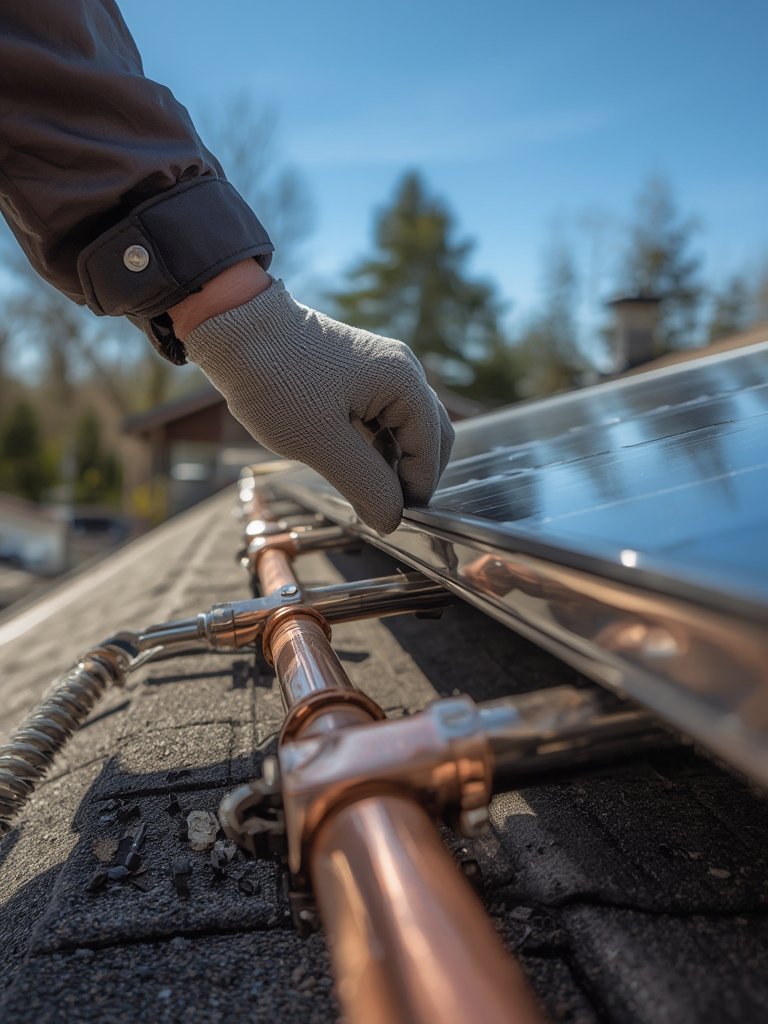
Done right, your system will deliver guaranteed savings year after year. For even greater impact, pair your setup with other proven energy-efficient upgrades—think insulation, smart thermostats, and home solar panels.
Looking for tips on smart home setups? Our future-proofing guide for smart homes shows how to match your solar investment with other connected home upgrades.
Advanced Analysis & Common Pitfalls Before You Buy
Before you invest, understand where solar water heaters can fall short—or even backfire:
-
Overestimating Savings
Real savings depend on your climate, daily usage, system size, and local utility rates. Marketing claims often assume ideal conditions. In many cases, actual savings are lower than promised, especially in regions with frequent cloud cover. -
Challenging Installation
Roof orientation or lack of sunlight can require costly modifications or additional collectors. Homes with limited south-facing roof space face extra hurdles. -
Maintenance Surprises
While marketed as “low maintenance,” all systems require periodic upkeep—flushing out mineral deposits, checking antifreeze levels in active systems, and resealing pipes/connections. -
Integration Complexity
Poor integration with home automation or traditional water heaters can lead to comfort problems or unnecessary energy waste. Programmable and smart controls are still not standard in many entry-level systems. -
Poor ROI in Low-Sun Regions
In cloudy or cold climates, even evacuated tube collectors may only deliver marginal savings when factoring in higher upfront costs.
| Feature | Solar Water Heater | Traditional Water Heater |
|---|---|---|
| Upfront Cost | High (varies by climate and system type) | Low to moderate |
| Annual Energy Cost | Very Low (after payback period) | High—rises with energy prices |
| Maintenance | Periodic (cleaning, checks 1-2x/yr) | Periodic (less complex) |
| Climate Suitability | Best in sunny regions; ETCs help in cold | Any climate |
| Incentives | Government tax credits, rebates | Rare or none |
| Integration Potential | Strong: combines with smart home and solar PV | Limited |
Top competitor guides miss these three crucial questions:
- How do users report real-world installation or maintenance frustrations compared to conventional systems?
- What is the true all-in cost (including maintenance and repairs) versus ongoing savings, outlined year by year?
- Which low-light or cold-region workarounds give the most reliable results—and when does solar just not make sense?
Want to compare more energy upgrades? Don’t miss our in-depth energy-efficient upgrades guide and solar water heater savings breakdown for side-by-side ROI analysis.

Conclusion
Solar water heaters are surging in popularity for a reason: the potential for immediate savings, energy independence, and a greener home is real, as long as you plan wisely. From region selection and climate consideration to smart system integration and maintenance, every detail matters for long-term value. The future of heating is solar—just be sure you understand solar water heaters’ benefits and limitations before spending. Start planning your solar water heaters project now and take advantage of today’s incentives while they last. Ready to make your home more efficient? Talk to a qualified installer and unlock your savings potential.
Frequently Asked Questions
Are solar water heaters worth it in colder climates?
Solar water heaters can work in colder climates if you use advanced evacuated tube collectors and combine them with a backup heating source, but energy savings are sometimes lower. Carefully assess your sun exposure and consider a hybrid setup for best results.
How long does it take for a solar water heater to pay for itself?
Most systems pay for themselves in 6-10 years, depending on local incentives, climate, energy prices, and system costs. In high-sun regions with generous rebates, payback can be much faster.
What type of maintenance is needed for solar water heaters?
Plan for annual checkups: cleaning collectors, checking antifreeze levels (if applicable), and flushing mineral buildup from the tank or pipes. Most maintenance is straightforward but best done by a pro every few years.
Does installing a solar water heater increase home value?
Yes, solar water heaters are considered a valuable upgrade in most real estate markets, especially where energy costs are high. They also make your home more attractive to buyers focused on efficiency and sustainability.
Can solar water heaters be combined with home solar panels or smart home tech?
Absolutely. Many homeowners now install both solar water heaters and solar electric panels for all-round energy savings, with smart controls to optimize usage. Smart thermostats and home automation make integration seamless.