

Solar water heaters are rapidly gaining traction as homeowners seek practical ways to reduce utility bills and increase energy independence. In this realistic, no-fluff guide, you’ll discover exactly how solar water heaters work, the true costs and common pitfalls, and practical steps for maximizing their value at home.
Key Takeaways
- Solar water heaters can reduce long-term energy bills, but high upfront costs and installation complexity are major barriers.
- Optimizing system selection, placement, and integration with other home solar solutions is key for efficiency and ROI.
- Government incentives and rebates in 2024 can offset initial expenses, but details vary regionally and may change over time.
- What Are Solar Water Heaters and Why Are They Important?
- How to Install and Maximize Solar Water Heater Savings: Step-by-Step
- Advanced Analysis & Common Pitfalls for Homeowners
- Conclusion
- Frequently Asked Questions
What Are Solar Water Heaters and Why Are They Important?
Solar water heaters harness the sun’s energy to heat water for your home, offering a sustainable alternative to conventional water heating methods like gas or electric boilers. These systems can consist of panels or tubes usually mounted on your roof-mounted panels, connected to a water storage tank inside your home. By reducing reliance on fossil fuels and electricity from the grid, solar water heaters can trim your monthly bills and shrink your carbon footprint.
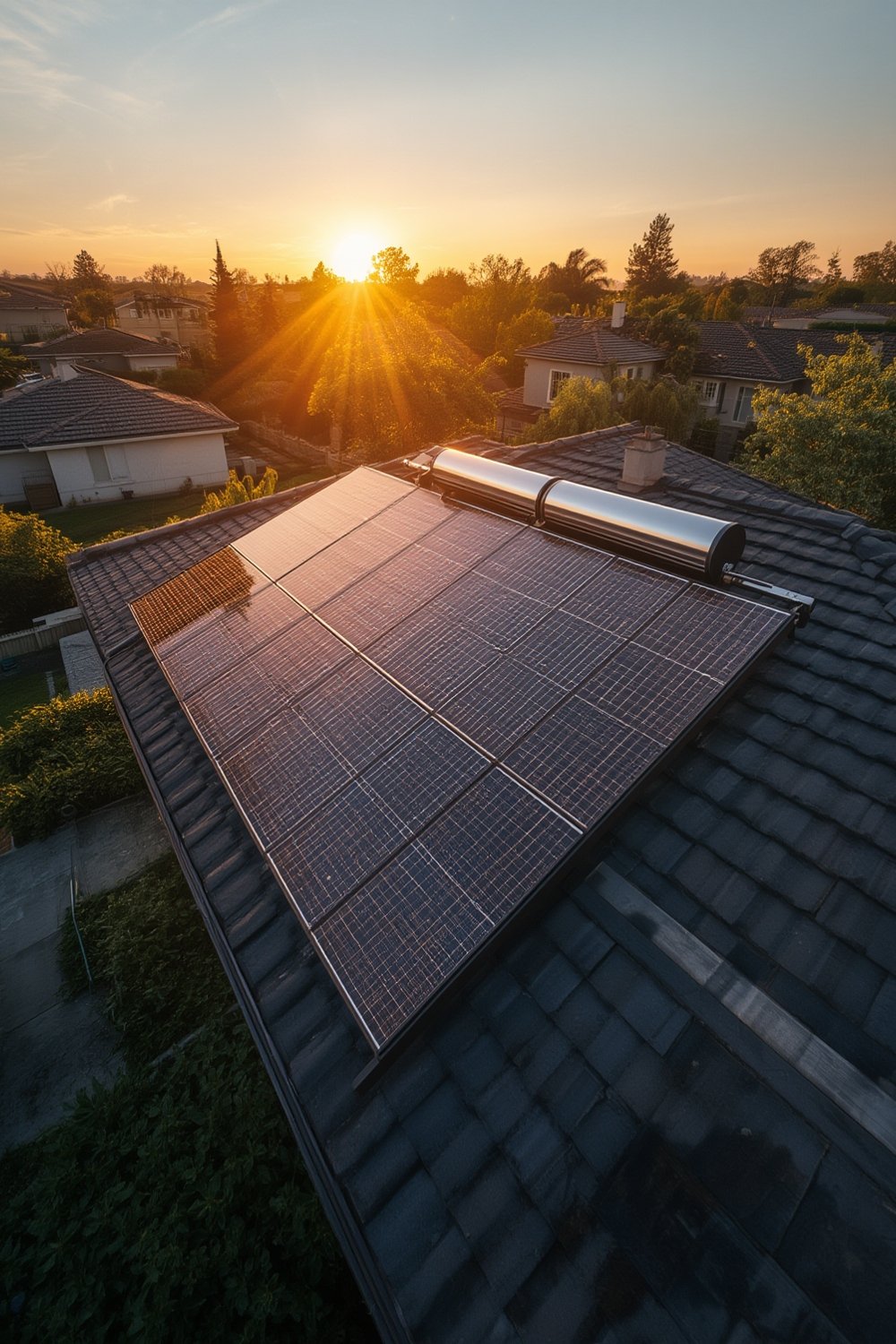
According to recent research, the global solar water heater market reached nearly $2.9 billion in 2024, with residential installations leading industry growth. North America captured 40% of this market, reflecting strong interest among US homeowners in cutting energy expenses and increasing energy resilience.
Beyond saving money, installing a solar water heater supports broader home energy improvement initiatives. For those interested in creating a smart, energy-efficient home, check out our guide on Ultimate Smart Home Improvement Ideas for more inspirations. Solar water heaters also complement other solar panel home improvements for maximizing utility savings and property value.
How to Install and Maximize Solar Water Heater Savings: Step-by-Step
Making the most of solar water heaters at home involves careful planning, smart selection, and ongoing optimization. Follow these steps to streamline your journey:
- Assess Your Hot Water Needs: Calculate household usage by tracking average daily demand. Oversizing a system wastes money; undersizing leads to cold showers.
- Evaluate Roof Orientation and Shade: For maximum efficiency, panels should face true south (in the Northern Hemisphere) and have minimal shade. Trees or nearby structures can dramatically reduce output.
- Select the Right System Type: Decide between active (pumped) vs. passive (thermosiphon) designs. Active systems offer more control but require electricity; passive units are simpler but less effective in variable climates. Also consider direct (open-loop) vs. closed-loop with antifreeze—direct is more efficient but only suitable for warm, non-freezing regions. For deeper type comparisons, see our in-depth Solar Water Heaters: 7 Best Ways to Maximize Savings guide.
- Obtain Multiple Quotes: Installation prices can vary widely depending on geography, installer experience, roof structure, and system size. Be sure to get detailed bids and confirm what’s included—mounting hardware, plumbing, permits, and system warranty.
- Check Local Regulations and Incentives: Some localities require specific permits or inspections for solar installations. Be proactive in researching all rebates, tax credits, and utility rewards. You can often combine these for extra savings.
- Integrate with Other Home Solar Technologies: If you have or plan to add solar PV for electricity, coordinate placement with your water heater system. Integration prevents roof overcrowding and allows for shared monitoring or smart control. See related tips in our Solar Water Heaters: 7 Amazing Ways to Save Money guide.
- Plan for Maintenance & Monitoring: Schedule annual system check-ups to maximize long-term performance. Monitor for leaks, corrosion, tank scale, or pump issues—addressing problems early avoids costly breakdowns. To boost energy efficiency elsewhere in your home, explore our Energy-Efficient Upgrades article.

When comparing solar hot water heating with smart water-saving bathroom upgrades, note that solar systems require more up-front planning but offer bigger utility savings in the long run. For more ideas on boosting ROI with modern remodels, read about Bathroom Remodeling Ideas: 7 Amazing Ways to Boost ROI.
Advanced Analysis & Common Pitfalls for Homeowners
Despite their eco-friendly appeal, solar water heaters aren’t always a smooth, money-saving upgrade. Here’s what research, homeowner feedback, and market data reveal about the most common issues and pitfalls:
- High Upfront Costs: The primary barrier for homeowners is installation expense, which is often considerably higher than traditional electric or gas water heaters. Potential buyers should carefully calculate payback periods, factoring in incentives where available.
- Installation Complexity: Many existing homes require structural modifications to support roof-mounted panels, especially older houses. This increases installation costs and the risk of roof leaks if not installed correctly.
- Maintenance Requirements: Annual or semi-annual servicing is often necessary to prevent scale buildup (especially in hard water regions), check for leaks, and test pump systems. Passive systems tend to be lower maintenance than active types.
- Performance Variability: Output is highly dependent on climate and panel orientation. Overcast or short winter days can significantly reduce efficiency, making solar-only setups less practical in northern or maritime locations.
- Integration Oversights: Failing to coordinate with existing or planned solar PV arrays may cause roof crowding or shading problems that lower efficiency of both systems.
| Criterion | Solar Water Heater | Conventional Electric/Gas Heater | Other Solar Systems (e.g. PV) |
|---|---|---|---|
| Typical Upfront Cost | High (often 2-4x gas/electric) | Low-Moderate ($) | High (PV not for water heating) |
| Operating Cost | Low (minimal ongoing costs) | High (ongoing energy bills) | Low (if self-generating electricity) |
| Maintenance | Moderate (annual/biannual checks) | Low (occasional service/replacement) | Low (periodic cleaning) |
| Suitability For All Climates | Varies (best in sunny, non-freezing regions) | Broad (works in all climates) | Broad (produces electricity, can power backup heaters) |
| Incentives (2024) | Yes (varies by region) | Rarely (small utility rebates at best) | Yes (substantial federal/state rebates for PV) |
For a granular comparison of types (active/passive, direct/indirect), and real-world climate impacts, most high-ranking competitor articles leave big gaps. Want to know more about system variations and the differences that matter? Dig deeper with Solar Water Heaters: 7 Best Ways to Maximize Savings (Proven Guide).
When integrating your solar water heater with whole-home solar, remember that data on best practices or technical requirements is limited as of 2024. However, combining technologies can deliver higher long-term savings and home value—especially when planned with input from an experienced solar installer.
For broader smart home efficiency tips, our Smart Home Devices: 7 Best Ways To Future-Proof Your Home guide is a helpful resource.

Conclusion
Solar water heaters offer a proven way to reduce utility bills and support sustainable living. The technology continues to improve, and with thoughtful planning, incentives, and realistic expectations about costs and maintenance, most homeowners can benefit in the long term. For those automating their living space or planning multiple energy-efficient upgrades, integrating solar water heating with other solar improvements can be a powerful strategy for maximizing performance and savings. Don’t wait—explore whether a solar water heater fits your home, your climate, and your savings goals. Reach out to a qualified installer today to get started.
Frequently Asked Questions
How much can I actually save with a solar water heater?
Savings vary based on your climate, usage, current water heating method, and local energy rates. Most homeowners see reductions of 50-80% on water heating bills, but regional sunlight and system type make a big difference.
What are the maintenance requirements for solar water heaters?
Expect annual or biannual checks on fluid levels, pump operation, tank scale, and leaks. Passive systems need less maintenance, while active types need pump and sensor checks. Always follow the manufacturer’s recommendations.
What incentives or tax credits are available for solar water heaters in 2024?
The US offers federal tax credits and many states and utilities also provide rebates. Amounts and eligibility vary, so check locally before installing. China and other regions have separate subsidies. See up-to-date details.
Can solar water heaters work with my existing home solar system?
Yes, they can complement solar PV but use a separate system. Plan panel placement carefully to avoid shading and crowding on the roof. Some smart homes use integrated controls for both.
Is solar water heating practical in cold or cloudy climates?
It depends on the system. Indirect (closed-loop) systems with antifreeze are better for cold climates, but output drops significantly in persistently cloudy or shady areas. Backup heating is often necessary.