

### Blog Post:
Underfloor heating systems are transforming how homes and businesses achieve efficient, comfortable warmth—especially as energy costs and carbon reduction targets intensify in 2024.
Key Takeaways
- Underfloor heating systems boost energy efficiency, offer consistent warmth, and are increasingly favored in new construction and retrofits worldwide.
- High up-front costs are a primary barrier, but hydronic systems deliver long-term savings—especially when paired with renewable energy sources like heat pumps.
- Regulations across Europe and the US are driving demand, but technical and retrofit limitations require careful planning before installation.
- What Are Underfloor Heating Systems and Why Choose Them?
- How to Install Underfloor Heating Systems: Step-by-Step Guide
- Advanced Market Analysis & Common Pitfalls
- Conclusion
- Frequently Asked Questions
What Are Underfloor Heating Systems and Why Choose Them?
Underfloor heating systems use a network of pipes (hydronic/water-based) or electric heating elements installed beneath your floor to provide radiant heat across a living or working space. Unlike forced-air or radiator systems, this method delivers gentle, uniform warmth right where you need it—eliminating cold spots and enhancing overall comfort.

The global market size for underfloor heating systems hit USD 6.71 billion in 2024[source] and is expected to more than double over the next decade, propelled by regulatory push for energy efficiency, demand for healthier indoor air, and a shift to electrification. Most new installations use hydronic systems due to lower running costs over time, while electric systems are often chosen for renovations or single rooms.
Europe leads the world in adoption thanks to strict building codes and incentives; Asia-Pacific is catching up due to rising energy awareness.[source] In residential markets, underfloor heating is especially popular for bathrooms and kitchens—but is rapidly expanding throughout entire homes and even commercial spaces. If you’re planning a major renovation—or exploring energy-efficient upgrades—this technology deserves a hard look.
How to Install Underfloor Heating Systems: Step-by-Step Guide
Whether you’re building new or considering a retrofit, underfloor heating installation requires careful planning and professional execution. Here’s a hands-on process for homeowners and renovators considering this upgrade.
-
Assess Feasibility.
- New construction is easiest and most cost-effective for underfloor heating—simply design it into your floor plan.
- Retrofit projects require checking the height of existing floors, subfloor type (vinyl plank, tile, concrete), and overall structural limits.
-
Choose System Type.
- Hydronic (water-based): Best for large or whole-home coverage. Works with boilers or modern heat pumps for top efficiency.
- Electric: Simpler for single rooms or small areas, often DIY-ready for bathrooms but costlier to run long-term for bigger spaces. Consider heating mats for simplified installs.
-
Design Your Zones.
- Underfloor heating is highly flexible. Plan for individual room controls via thermostats—for ultimate comfort and to avoid wasted energy.
- Integrate with smart home systems for optimal scheduling and energy management.
-
Prepare the Subfloor and Insulation.
- Remove any old flooring and debris. Insulate beneath the heating elements (using rigid foam or appropriate materials) to direct heat upward, not into the ground.
-
Install Heating Elements.
- Hydronic: Lay flexible tubing in loops over your insulated subfloor; connect to a manifold and boiler/heat pump.
- Electric: Lay heating mats or cables as specified by the manufacturer.
-
Test the System.
- Pressurize hydronic loops (or run an electrical continuity test) to ensure there are no leaks or faults before covering.
-
Pour Floor Screed or Lay Final Flooring.
- Apply screed or concrete to encapsulate underfloor elements, or directly install flooring materials rated for radiant systems.
-
Connect Thermostats & Controls.
- Wire thermostats and connect to control systems. Test zones and schedule optimal temperatures for each area.
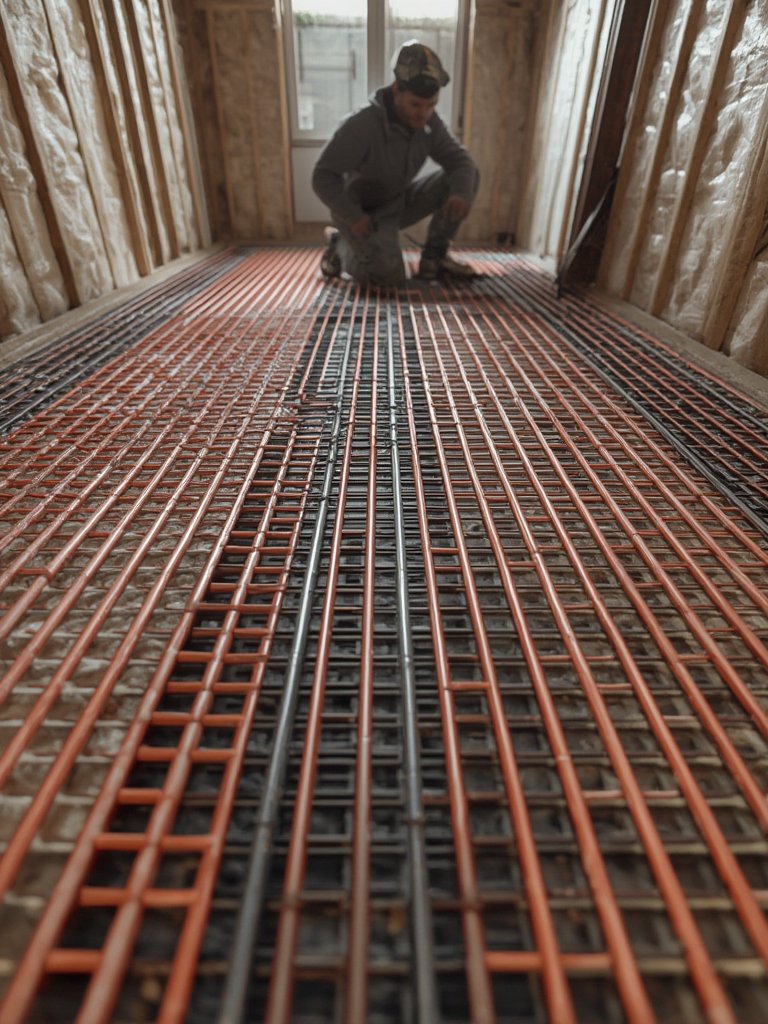
If you’re not confident installing underfloor heating yourself—especially with hydronic systems—hire a certified professional. Mistakes in installation can cause costly repairs and long-term inefficiencies.
For a broader energy savings makeover, consider combining underfloor heating with other energy-efficient upgrades for superior ROI and comfort.
Advanced Market Analysis & Common Pitfalls
A data-driven look at underfloor heating systems exposes several frequent user mistakes and myths. Before investing, understand the real challenges and downsides alongside their huge potential benefits.
Market Momentum and Key Challenges
The underfloor heating market is predicted to hit over USD 12 billion globally by 2034[source], led by hydronic system demand. However, initial installation cost remains the #1 barrier—especially in retrofits, where raising floor levels or removing existing flooring adds considerable labor and expense. In regions like California, updated building codes and incentives partially offset these up-front costs.
Energy Efficiency and Real-World Performance
Hydronic systems, especially with modern heat pumps, now achieve distribution efficiencies of 95–98%[source]. Radiant floors provide even heating—improving comfort and potentially lowering thermostat settings (and thus, utility bills).
| System Type | Initial Cost | Running Cost | Best Fit | Common Pitfalls |
|---|---|---|---|---|
| Hydronic Underfloor | High (esp. retrofit) |
Low | Large homes, new builds | Needs floor height, must plan insulation, requires pro install |
| Electric Underfloor | Medium | Medium–High | Bathrooms, single rooms, retrofits | Expensive to run for large spaces; tricky repairs |
| Radiators/Forced-Air | Low | Medium–High | All buildings | Uneven heating, more dust, less efficient |
Retrofit and Technical Limitations
- Floor Height: Adding underfloor heating raises flooring level—sometimes up to 2 inches—creating problems for doors, cabinets, or stairs in older homes.
- Subfloor Compatibility: Systems don’t work equally with all materials. For example, thick carpets block heat, while tile or vinyl planks conduct well. Use only flooring approved for radiant systems (see more here).
- Insulation Quality: Poor insulation below the heating system is a leading cause of poor performance and high energy bills. Always add or upgrade insulation.
- Professional Installation: DIY errors—poor tubing layout in hydronic systems, damaged cables in electric mats—are expensive to fix once floors are finished.
Regulatory & Policy Shifts
- Europe’s Energy Performance of Buildings Directive and the Fit for 55 climate package are pushing builders to choose radiant systems for lower carbon impacts.[source]
- In the US, ASHRAE 90.1 and California’s updated 2025 energy codes strongly favor underfloor and electric-ready heating. Expect incentives and rebates for choosing compliant systems.
- Hydronic underfloor systems pair especially well with solar water heaters and heat pumps—enabling low-carbon or even fossil-free operation.
Gaps in Consumer Information
- No Standardized ROI Calculations: Most brands advertise “efficiency,” but few provide total cost, payback period, or true running cost numbers. Research these yourself or consult independent experts.
- User Satisfaction Metrics are Scarce: Real-world satisfaction, complaint resolution, and brand reliability data remain hard to find—demand references if you hire an installer.
- Retrofit Assessments Not One-Size-Fits-All: Homes with complicated floorplans, split levels, or historic features may require specialist trades and creative solutions.

Conclusion
Underfloor heating systems stand out in 2024 as a smart, comfortable, and increasingly energy-efficient choice—especially for new builds or major remodels. Plan carefully for insulation, compatibilities, and zoning. Expect higher up-front costs, but when well-designed, hydronic radiant floors deliver better comfort and lower lifetime bills than most traditional systems.
Ready to take the next step? Explore our proven guides on underfloor heating systems and energy-efficient home upgrades, or consult a specialist to see if underfloor heating systems are right for your home or project.
Frequently Asked Questions
Are underfloor heating systems worth the investment?
Yes, particularly in new construction or when combined with other energy upgrades. Hydronic systems typically pay for themselves over 7–12 years, depending on energy prices and usage habits.
Can I install underfloor heating in an existing home?
Yes, but retrofitting often requires raising floor levels and can increase installation time and costs. Evaluate floor height, insulation, and flooring material compatibility first.
How does underfloor heating impact indoor air quality?
Because these systems rely on radiant rather than blown heat, there’s less dust, fewer allergens moved around, and reduced dry air versus forced-air systems—making them attractive for allergy sufferers.
Does underfloor heating work with any flooring?
No. Thick carpets, unapproved materials, and some types of solid hardwood can block or damage the system. Use flooring specifically rated for radiant heat, like tile, engineered wood, or vinyl planks.
Do smart home systems work with underfloor heating?
Many modern underfloor heating setups can be integrated with smart thermostats and home automation for easy scheduling and precise temperature control.

[…] Calculate heat loss and required wattage for each space. Use available design tools, and consider zoning—multiple zones let you control areas separately for efficiency. For a step-by-step installation, check out this expert guide on underfloor heating installation. […]