

### Blog Post:
Bathroom remodeling ideas are transforming homes in 2024 as more homeowners look to bring spa-worthy comfort, better ROI, and smart design solutions to their bathrooms. Whether you want a simple refresh or a full spa bathroom remodel, the right approach can mean daily relaxation—and better resale value—but the wrong steps can be costly. Here’s a practical, data-driven guide to getting it right, avoiding regrets, and making realistic decisions you’ll love (and afford).
Key Takeaways
- Bathroom remodeling costs in 2024 run from $10,000 to $40,000, while luxury spa bathroom remodels may reach $80,000.
- Installation complexity and ongoing maintenance increase with high-end spa features, so plan your budget and timeline carefully.
- ROI for bathroom remodels averages 74%, but achieving the spa effect without overcapitalizing requires smart choices and avoiding common pitfalls.
- Understanding Spa Bathroom Remodeling Ideas
- Step-by-Step Guide: Transforming Your Bathroom into a Spa Retreat
- Advanced Analysis & Common Pitfalls
- Conclusion
- FAQ
Understanding Spa Bathroom Remodeling Ideas
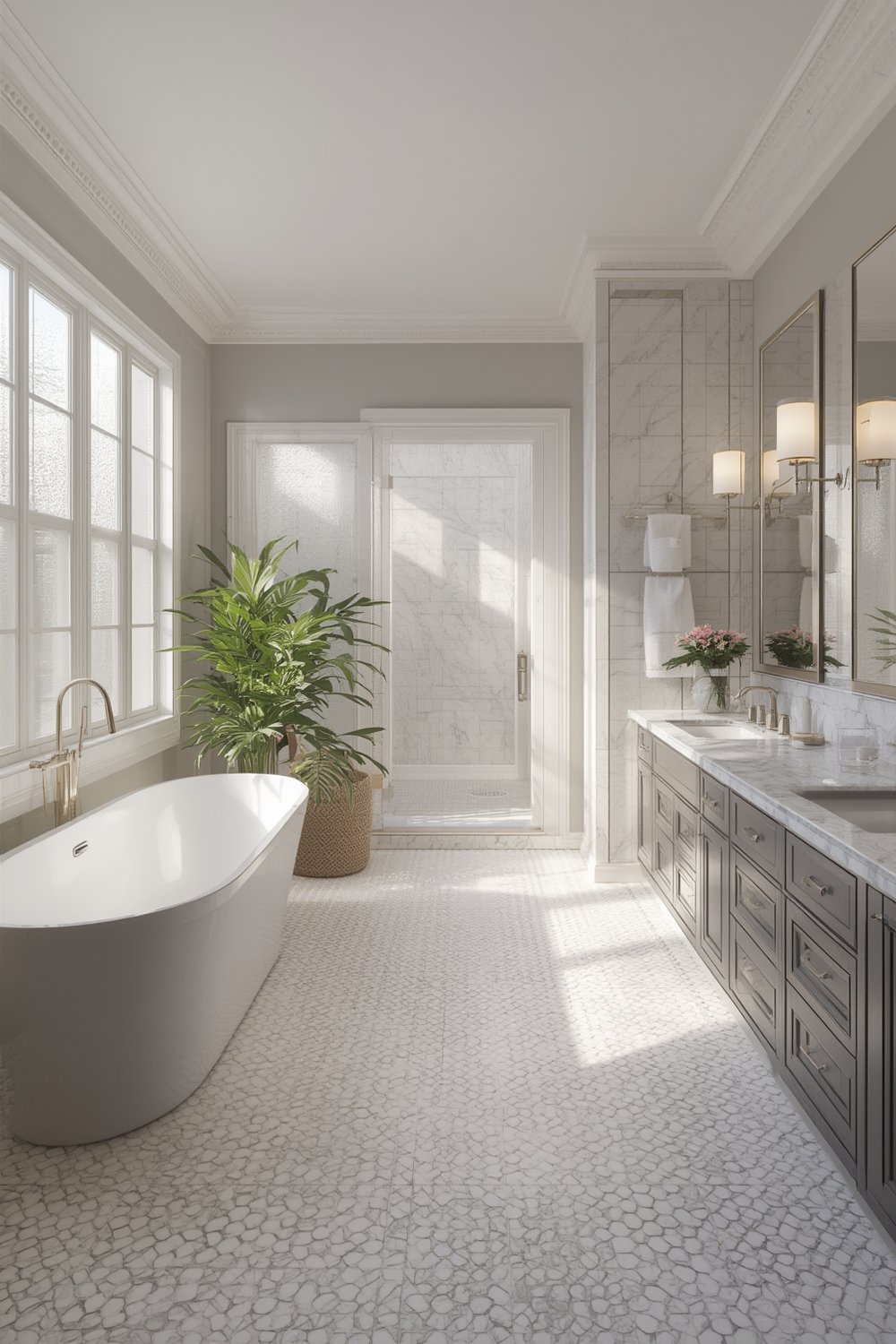
Spa bathroom remodels go well beyond new tile or fixtures. They aim to recreate a calming, luxurious atmosphere usually associated with high-end hotels and wellness spas—think soaking tubs, steam showers, heated floors, mood lighting, and premium materials. Homeowners pursue these ideas for the restorative daily experience, but also for the value and appeal it brings to the home. Costs in 2024 vary dramatically by region, scope, and features: expect anywhere from $10,000 for a modest upgrade, up to $80,000 for custom, luxury transformations.
For more on smart home upgrades that complement bathroom remodeling, see this guide to smart home improvement ideas.
Step-by-Step Guide: Transforming Your Bathroom into a Spa Retreat
Creating a spa-inspired bathroom on either a moderate or luxury budget calls for detailed planning, clear priorities, and choosing features that fit your lifestyle—and your home’s value.
1. Assess Your Existing Bathroom & Set Realistic Goals
Measure your space, document problem areas (lighting, moisture, leaks), and think about what kind of spa feel matters most: soaking, steam, walk-in shower, or zero-threshold design? Decide if you want light cosmetic changes, a gut renovation, or layout rework. Match your list to your home’s location and value—remodeling in Los Angeles looks different than rural Arkansas. Check local pricing using data from sources like Planner5D.
2. Define Budget Ranges & Splurge Features
- Modest spa upgrade: $10,000–$25,000; update finishes, lighting, fixtures, some tech, low-to-midrange tile, simple soaker tub.
- Luxury-level spa remodel: $25,000–$80,000; move plumbing, custom vanities, smart showers, designer tile, integrated steam, heated floors.
Prioritize one main splurge feature. For mid-budget, maybe a deep soaking tub, for high-budget, perhaps both a soaking tub and digital steam showers. See how costs break down at Premiere Builders.
3. Gather Inspiration & Make a Plan
Find images and material samples. Pin down a style: natural stone, wood accents, minimalist, or biophilic. Use digital planners, or talk to a designer. Decide if eco-friendly paint (see our eco-friendly paint guide) or smart lighting is part of your plan.
4. Hire the Right Contractors & Vet Quotes
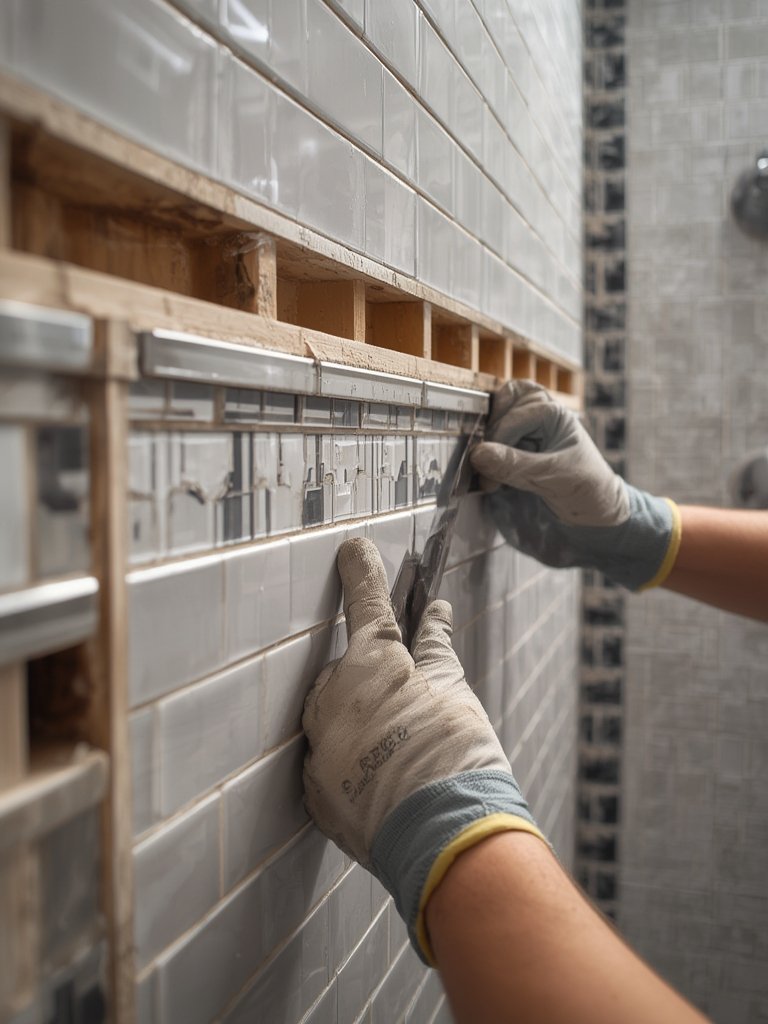
Interview at least three licensed pros. Ask about experience with spa bathroom remodels, timelines, and technical abilities for specialized features like steam showers or in-floor heat. Get everything in writing—scope, milestones, payment plan, warranty. In areas with cheaper labor (South, Midwest), labor savings may offset premium materials. For more on planning multi-room remodels or additions, check our renovation planning guide.
5. Phase the Remodel Logically
- Demo, rough plumbing & electrical
- Subfloor repairs or reinforcements
- Install new tub/shower base, waterproofing, heated floor mat (if using)
- Tile walls/floors, fit new fixtures and vanities
- Install modern lighting, mirrors, ventilation
- Paint, glass install, finishing details
Short timelines (3–5 weeks) are realistic for cosmetic updates; full-scale remodels run 2–8+ weeks, especially if moving walls or adding major features.
6. Final Touches & Troubleshooting
Test all systems for leaks, heat, and ventilation issues. Address grouting, caulking, and test GFCI outlets. DIYers can do finishing touches, but plumbing and electrical upgrades require licensed pros. Add spa details: plush towels, aromatherapy, dimmers, and plants. For more organizing tips after your remodel, see our guide to home organization & storage solutions.
Advanced Analysis & Common Pitfalls
Let’s look at common regrets and what homeowners wish they’d done differently in spa bathroom remodels, along with a clear breakdown of how features drive costs, ROI, and complexity.
| Feature / Choice | Cost Impact | Installation Complexity | Long-term Maintenance | ROI Potential |
|---|---|---|---|---|
| Soaking Tub | $1,500–$10,000+ (plus plumbing/structural cost) | Requires extra space and sometimes floor reinforcement | Low (acrylic/fiberglass); Moderate (stone/cast iron) | Medium if space is well-used |
| Steam Shower | $4,000–$15,000+ (custom installs) | Complex: vapor-proofing, custom tile, controls | High: needs annual maintenance for generator/seals | High appeal, but only recoups if market expects luxury |
| Heated Floors | $800–$3,000+ | Moderate: electrical + tile rework | Low, if installed well | High user satisfaction, moderate financial ROI |
| Custom Tile/Natural Stone | $5,000–$25,000+ for large areas | Moderate–High: requires skilled labor | Needs periodic resealing | High visual appeal |
| Smart Lighting/Mood Controls | $500–$2,500+ | Low–Moderate | Low maintenance | High satisfaction, especially when paired with other smart upgrades (see additional bathroom remodeling ideas or smart home device tips) |
Frequent Pitfalls
- Underestimating regional labor/material cost variation (see this national cost map).
- Lack of future-proofing: skipping modern features like universal design, smart tech, or accessibility, which future buyers now expect (more on accessible bathrooms here).
- Poor ventilation—spa baths create more moisture; inadequate fans lead to mold, warped finishes, and extra repair costs.
- Choosing features with high wow factor but limited user appeal (massive tubs in small homes, ornate tile hard to clean, etc.).
- Going overboard: Spending $50K+ in a $200K neighborhood rarely pays off in resale ROI.
Conclusion
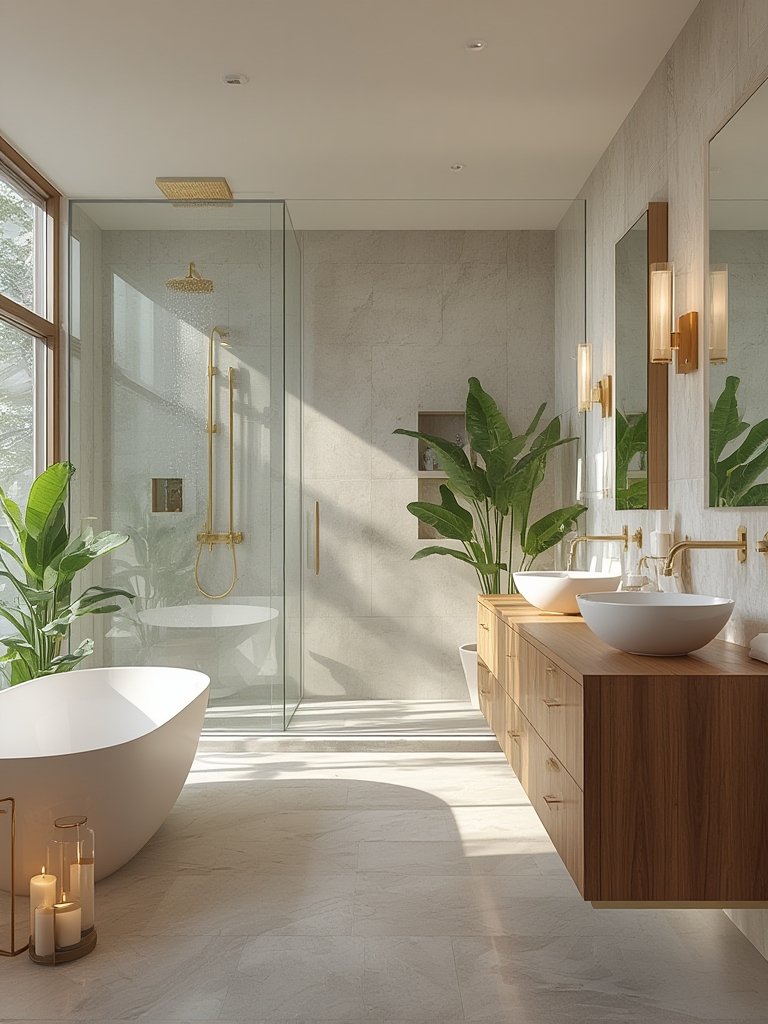
Transforming your bathroom with the right bathroom remodeling ideas gives you daily luxury, boosts ROI, and adds real comfort to your life. Key? Balance cost, value, and future needs. Choose wisely, budget realistically, and don’t skip the planning phase—and you’ll avoid the most common regrets seen in bathroom remodels. Ready to take the next step? Start your bathroom remodeling ideas journey today by sketching your budget and must-haves, or check out more inspiration on bathroom remodeling ideas for your dream spa bathroom. Make your renovation genuinely worth it.
FAQ
What is the average cost of a spa bathroom remodel in 2024?
Costs vary by region and features, but the national average for spa bathroom remodels in 2024 ranges from $10,000 to $80,000. Simple spa upgrades start around $10,000, while custom luxury projects in high-end markets can reach $80,000. Regional labor and material prices matter—a remodel in Los Angeles or New York will typically cost more than one in the Midwest or South. Sources: Planner5D, Premiere Builders.
Which spa-inspired features offer the best ROI?
Heated floors, modern lighting, and upgraded showers (especially with dual sprays or steam) offer the highest user satisfaction and mid-range ROI. The average mid-range bathroom remodel returns about 74% according to the 2024 Cost vs. Value Report. Luxury tubs and full wet rooms create a wow factor but won’t always boost resale value proportionally unless your market expects it. Source: Cost vs. Value Report.
How long does a typical spa bathroom remodel take?
A basic spa-like bathroom makeover (without moving plumbing or walls) takes 3–5 weeks. A full gut renovation, including layout changes or installing complex systems like radiant heat or steam showers, runs 6–10+ weeks. Be realistic: unexpected issues (mold, rot, supplier delays) can add days or weeks to the timeline.
Are spa features like steam showers and heated floors expensive to maintain?
Heated floors are low maintenance when professionally installed. Steam showers require regular descaling, seal checks, and occasional servicing of electronics or generators. Read manufacturer guidelines and plan for annual upkeep to prevent costly repairs down the line.
What’s the most common regret after a bathroom remodel?
According to industry reviews, the most frequent regrets are overspending, not future-proofing (skipping accessibility or smart features), inadequate storage, and forgetting about proper ventilation—leading to mold or lingering odors. Planning and budgeting realistically avoids most of these issues.