

Energy-efficient upgrades are one of the smartest investments a homeowner can make in 2024. With utility costs rising and new rebates available, these improvements—especially solar panels and new insulation—can dramatically cut your bills, increase comfort, and boost resale value.
Key Takeaways
- Solar panel home improvements deliver a 50–290% ROI and may pay for themselves in 8–18 years.
- New federal tax credits can offset 30% of solar installation costs through 2032.
- Low maintenance and long warranties make energy-efficient upgrades a safe bet, but mistakes and local code hurdles can occur.
- What Are Energy-Efficient Upgrades—and Why Should You Care?
- How to Make Energy-Efficient Upgrades: A Step-by-Step Guide
- Advanced Analysis: Challenges, Pitfalls, and What Can Go Wrong
- Conclusion: Should You Invest in Energy-Efficient Upgrades?
- FAQs on Energy-Efficient Upgrades
What Are Energy-Efficient Upgrades—and Why Should You Care?
Energy-efficient upgrades are home improvements designed to reduce your energy use and costs, from installing solar panels and BIPV shingles to upgrading insulation, windows, HVAC, and appliances. In today’s market, these projects don’t just save money—they significantly boost your property’s value and appeal to future buyers. Nationwide data shows homes with solar panels sell for 4–7% more, and the long-term savings approach $31,500 on average, thanks to lower electricity bills and incentives.
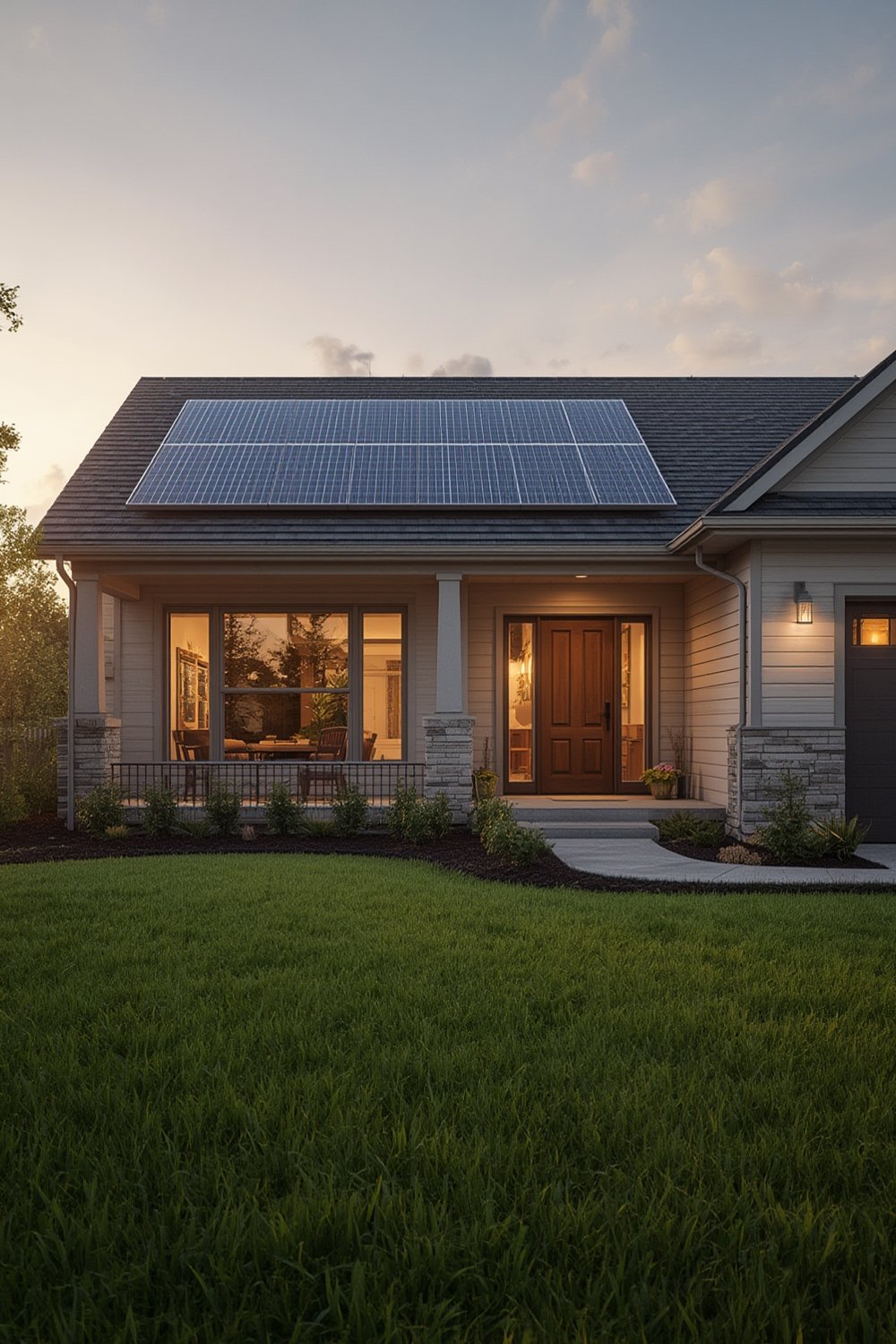
Unlike a kitchen refresh or bath remodel, many energy-efficient upgrades actually “pay you” through utility savings and increased resale value. With the 30% Residential Clean Energy Credit extended to 2032, homeowners can recoup a major portion of their upfront investment almost immediately.
For a broader look at smart tech solutions and efficient home upgrades, explore our guide on Ultimate Smart Home Improvement Ideas—many of which pair perfectly with energy-saving retrofits.
How to Make Energy-Efficient Upgrades: A Step-by-Step Guide
-
Get an Energy Audit
Hire a professional or use a utility-recommended service for an energy audit. You’ll pinpoint where your home is losing energy and discover which upgrades deliver the best ROI. -
Set Priorities Based on Savings & Payback
Compare costs, rebates, and likely savings—solar panels, insulation, new windows, and ENERGY STAR appliances offer the biggest impact in most homes. Tools on sites like DSIREUSA will help you stack state and federal incentives. -
Secure Financing and Rebates
Check if you qualify for the new federal 30% Residential Clean Energy Credit (guaranteed through 2032), and ask local banks, credit unions, or installers about solar loans and low-interest green financing options. Often, you can bundle upgrades and roll them into your mortgage. -
Choose Trusted, Local Installers
Vet contractors for experience and warranty terms (aim for at least a 25-year warranty on solar, windows, or roof-integrated systems). Always check references and online reviews. -
Schedule Installation and Track Your Results
Once rebates are finalized and the contract is signed, get your upgrades installed. Monitor savings compared to prior energy bills—then report data to boost your home’s resale value!

Want more actionable ways to save? See our guide on 7 ways to maximize savings with energy-efficient upgrades and learn how small tweaks like smart lighting or a programmable thermostat drive big results.
Advanced Analysis: Challenges, Pitfalls, and What Can Go Wrong
While energy-efficient upgrades have a strong track record, real-world results depend on local market conditions, installer quality, and your own home’s unique structure. Here’s what often goes wrong (and how to avoid it):
| Aspect | Solar Panels | Comparison Notes |
|---|---|---|
| Upfront Cost | $19,000-$30,000 after credits Source, Source |
No current data for windows/insulation upgrades |
| Payback Period | 8–18.6 years (average 15) Source |
Varies by state and sunlight, but usually faster in sunnier/lower-cost energy regions |
| Maintenance | Implied low—panels last 25–30 years, warranties match system life Source |
No comparative data |
| Total ROI | 50–290% over 25 years; $31,500+ average profit Source |
ROI depends on resale and energy prices; insulation/windows have lower dollar returns but fast payback |
Major pitfalls include:
- Installation delays or quality issues, especially with inexperienced contractors.
- Underestimating structural upgrades needed for solar (older roofs may require reinforcement or replacement).
- Unexpected permitting hurdles or homeowners association (HOA) restrictions.
- Not accounting for shade, local climate, or system sizing—potentially leading to performance disappointment.
- Forgetting to claim available government rebates or missing deadlines for federal tax credits.
- Lack of regular maintenance (cleaning panels, monitoring portal system performance), which may hurt long-term ROI.
Insider tip: For the best long-term gains, use your installer’s monitoring portal to track production and alert you to system underperformance before annual maintenance rolls around. If you’re interested in combining home automation, check out our practical proven guide to solar panel home improvements and our guide to the top ways to cut energy bills in any home.

Conclusion: Should You Invest in Energy-Efficient Upgrades?
Whether you’re planning to stay put for decades or sell in the next five years, investing in energy-efficient upgrades like solar panels, improved insulation, or high-performance windows simply makes sense in 2024. The 30% federal credit slashes effective costs, strong ROI is documented nationwide, and buyers now expect efficient systems as part of a modern home.
Bottom line: energy-efficient upgrades give your wallet and your property value a sustained lift, with proven performance and limited downside—if you choose reputable contractors and work smart. Ready to see the difference? Compare local installer quotes today and download our full action guide to cost-saving energy upgrades.
FAQs on Energy-Efficient Upgrades
What are the top home energy-efficient upgrades in 2024?
The most impactful upgrades are solar panel systems, BIPV solar roof shingles, insulation improvements, smart HVAC, and high-efficiency windows. Each can lower utility bills while raising home value.
How much can I save each year after installing solar panels?
Most homeowners save between $800 and $1,500 per year on electricity, depending on local rates and solar system size. Lifetime savings often exceed $31,500 after full payback.
What incentives or tax credits are available to offset the costs?
The federal Residential Clean Energy Credit covers 30% of eligible solar installation costs through 2032. Additional state and utility rebates may also apply—check DSIREUSA for regional programs.
What risks should I watch out for when upgrading?
The biggest risks are hiring unqualified contractors, missing rebate deadlines, and choosing upgrades that do not suit your climate or home’s design. Always seek detailed quotes and warranty terms.
How long do energy-efficient upgrades take to pay for themselves?
Solar panels average an 8–18 year payback, most insulation and window projects recover costs in under 7 years, and many smart tech upgrades pay for themselves in 2–3 years via energy savings.