
### Blog Post:
Aging in place home modifications are gaining momentum as more Americans choose to stay in their homes safely and comfortably as they age. If you’re considering making your home future-ready, understanding the realities—costs, challenges, and what really works in 2024—can save money, stress, and possibly falls.
Key Takeaways
- Demand for aging in place home modifications is at an all-time high, but less than 10% of U.S. homes are truly “aging ready.”
- Costs, funding, and technical requirements are less straightforward than most guides admit—personalization and long-term adaptability matter far more than checklists.
- Policy, funding gaps, hidden costs, and caregiver impacts are rarely addressed, yet they’re crucial for realistic planning.
- What Are Aging in Place Home Modifications and Why Do They Matter in 2024?
- How to Plan Accessibility Upgrades: Step-by-Step in 2024
- Common Pitfalls, Real Costs, and What Most Guides Miss
- Conclusion & Smart Next Steps
- Frequently Asked Questions
What Are Aging in Place Home Modifications and Why Do They Matter in 2024?
Aging in place home modifications are practical changes to help older adults live safely and independently in their own homes. The goal isn’t just more comfort—it’s about reducing fall risk, preserving independence, and delaying or avoiding costly institutional care.
The numbers are striking: in 2024, Americans aged 65 and older now make up 27.2% of the remodeling market—nearly double what it was just two decades ago. Nearly 75% of adults 50-plus want to stay put for as long as possible, and over $600 billion was spent on remodeling last year, with older homeowners leading this trend. Despite this, only 10% of homes nationwide are “aging ready,” featuring accessible entries and safe bathrooms. [source]
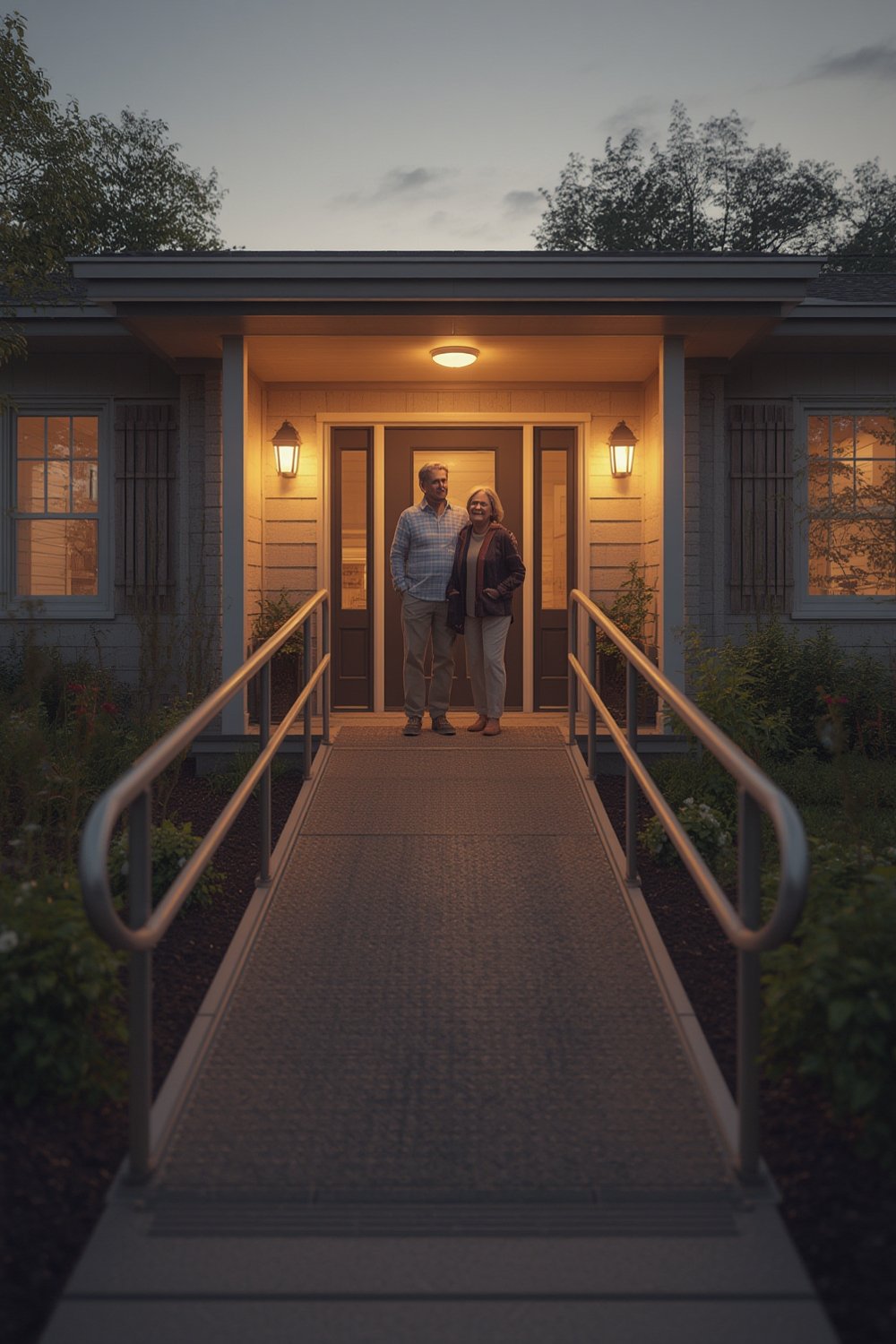
Common projects include installing Grab bars, slip-resistant flooring upgrades, widening doorways, and adopting smart home technology. For a deeper dive into practical modifications, see expert tips for home modifications or get bathroom-specific options with bathroom remodeling ROI ideas.
Aging in place is driven by quality of life, financial realities, and the fact that annual nursing home care now exceeds $112,000. Investing $20,000–$30,000 in key home upgrades can pay for itself quickly—but only if these upgrades truly fit the resident’s needs, both now and in the future.
How to Plan Accessibility Upgrades: Step-by-Step in 2024
- Begin with a Personalized Needs Assessment. List current mobility issues, daily routines, and safety concerns. Think broadly: Does someone use a walker or wheelchair? Are slips a worry? Is arthritis limiting grip strength or hand movement? Don’t skip this step—it shapes your priorities.
-
Prioritize Non-Negotiable Safety Features. According to AARP’s latest research, the must-haves are:
- Grab bars (inside and outside showers/tubs, near the toilet)
- Zero-threshold showers or low 1-2″ curb alternatives (if possible)
- Slip-resistant flooring throughout bathrooms and kitchens
- Ample lighting with accessible switches
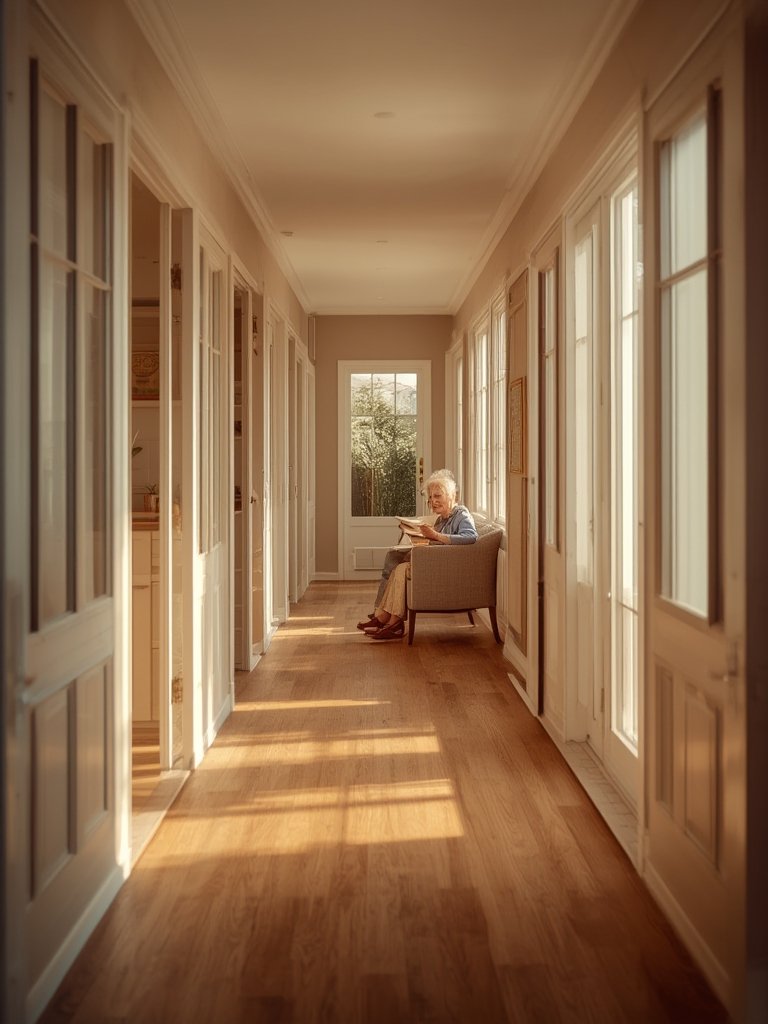
- Widened doorways (ideally 32″-36″ clearance)
- Plan for Smart Home Upgrades Where Possible. Devices like voice-activated lights, automated door locks, and monitoring sensors are not just for the tech-savvy—they offer extra independence and peace of mind. For inspiration, explore these smart home improvement ideas.
- Get Real With Budgeting. Small changes (grab bars, minor lighting) may cost a few hundred dollars. Major renovations—step-free showers, full-floor plan changes, wider doorways—often range from $20,000 to $30,000. Extensive accessibility upgrades can exceed $100,000, especially in older homes. Most homeowners leverage savings or home equity; public funding options are limited.
- Consider Professional Guidance. Certified Aging-in-Place Specialists (CAPS) or occupational therapists can help you strike a balance between safety, functionality, and future needs. DIY is possible for minor work, but serious renovations often mean code, safety, and liability issues.
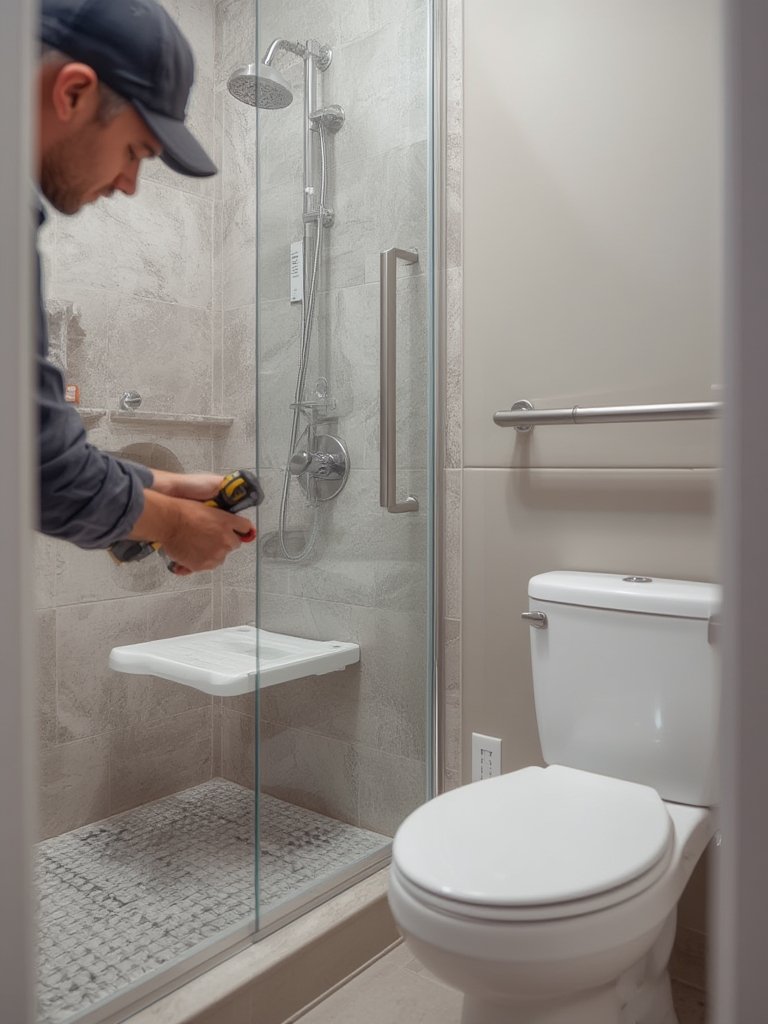
If you’re looking to maximize both comfort and value, check out these bathroom remodeling ideas that boost ROI or see how energy-efficient upgrades can work alongside accessibility modifications.
Common Pitfalls, Real Costs, and What Most Guides Miss
Aging in place can be incredibly rewarding—when done right. However, data reveals several practical downsides and unspoken challenges most articles gloss over:
-
Affordability and Funding Gaps: Only 10% of homes are “aging ready.” Many families underestimate total costs—modest projects may cost $5,000, but realistic full-home remodels often exceed $30,000, with some reaching six figures. Many homeowners have only $500 allocated to upgrades.
Source: 2024 Home Modifications Survey - Limited Funding Sources: Few grants or widespread public incentives exist. Most funding relies on private savings or home equity loans. Policy experts warn that current support is not meeting demand [source].
- Personalization Gaps: Off-the-shelf modifications often fall short. Only a fraction of research and practice addresses long-term adaptability—meaning today’s improvements could need rapid updates if mobility declines or new conditions develop.
- Caregiver Burden: Changes made for accessibility can unintentionally increase required caregiver time. For instance, small bathrooms adapted only for walkers may not work if a wheelchair becomes necessary. Some studies show increased stress and workload for family caregivers following certain upgrades [study].
- Technical Blind Spots: Most guides offer little about building code, specs for grab bar placement, or slip ratings for bathroom flooring. Failure to get these right can create more risk—not less.
| Modification | Typical Cost Range | DIY Possible? | Potential Pitfalls |
|---|---|---|---|
| Install Grab Bars | $150–$500 per bar (installed) | Yes (if studs found & proper anchors used) | Bars not secured to studs or ADA standard, risk of collapse |
| Widen Doorways | $800–$2,500 per doorway | No (structural, code issues common) | Improper framing or support, loss of structural integrity |
| Zero-Threshold Shower | $4,000–$15,000+ | No (plumbing, waterproofing, code compliance needed) | Poor drainage, leaks, noncompliance with slip resistance |
| Smart Lighting/Automation | $300–$2,500+ | Yes | Incompatibility, Wi-Fi outages, confusing controls |
To learn more about blending accessibility with smart home upgrades, see this smart home improvement guide or check out durable flooring solutions for high-traffic spaces.
Simply put: If you prefer realistic guidance over hype, focus on a combination of incremental, high-impact changes and long-term adaptability. Think about the long arc—aging needs can shift faster than most people expect.
Conclusion & Smart Next Steps
Aging in place home modifications work best when planned around users’ current needs, future health, and the limitations of both the building and the budget. While the industry is evolving, the best results come from combining essential safety upgrades, smart technology, and a willingness to adapt as needs change. If this process feels overwhelming, consult experienced specialists—and remember, even small upgrades can make a meaningful difference.
Ready to get real about aging in place home modifications? Start with a needs list, set your priorities, and research local specialists before investing heavily. And always ask: will these changes still work if unexpected health challenges arise?
For even more actionable guides, explore expert safety strategies or discover realistic ways to maintain independence.
Frequently Asked Questions
What are the most important aging in place home modifications for the bathroom?
The most important changes are grab bars (securely anchored), slip-resistant flooring, handheld showerheads, zero or low-threshold showers, raised toilets, and bright, accessible lighting. Make sure at least one bathroom is reachable without stairs.
How much does it cost to make a home aging-ready?
Minor upgrades like grab bars and lighting might cost under $1,000. Full bathroom remodels, widened doors, and full accessibility conversions often start at $20,000–$30,000 but can reach $100,000+ depending on the home’s age and configuration.
Are there any grants or insurance programs that help pay for aging in place modifications?
As of 2024, there are very few grants or insurance programs available on a national scale. Some may use home equity loans or check for local pilot programs. Funding gaps remain a major challenge.
Should I attempt DIY modifications or hire a specialist?
Simple upgrades like adhesive grab bars or smart bulbs can be DIY. For anything structural (showers, widening doors, ramps), hiring a certified professional is safer and helps avoid code or liability issues.
What pitfalls should I avoid when planning these modifications?
Avoid skipping the needs assessment, underbudgeting, relying on untested DIY hacks for essential safety upgrades, and assuming today’s needs won’t change. Always plan for unavoidable aging-related declines.
—