

### Blog Post:
Aging in place home modifications are top of mind for millions of older adults in 2024. Most want to remain independent in their homes, but outdated layouts and rising costs make it tough. This guide cuts through the noise with clear, actionable steps, honest hurdles, and realistic advice so you can plan ahead without regrets.
Key Takeaways
- Up to 93% of adults 55+ want to age in place, but only a third say their homes are ready.
- Bathroom accessibility is the most critical and often-overlooked aspect of staying independent.
- Costs for modifications can be steep, but remain much lower than assisted living over time.
- What Is Aging in Place Home Modification (and Why It Matters in 2024)?
- Your Step-by-Step Guide to Aging in Place Home Modifications
- Advanced Analysis and Common Pitfalls in Aging in Place Remodeling
- Conclusion: Plan Smarter Aging in Place Home Modifications
- FAQ: Aging in Place Home Modifications
What Is Aging in Place Home Modification (and Why It Matters in 2024)?
Aging in place home modifications are strategic changes that make your home safer and easier to navigate as you age. Instead of moving to assisted living, these updates—like zero-threshold showers, grab bars, and wider entrances—let you stay put with more control and dignity.
Why now? According to recent US News Report and AARP surveys, 75% to 93% of older adults see aging in place as crucial—but just over 34% say their homes are truly accessible. The alternative, assisted living, can cost $36,000–$156,000 per year and dramatically reduce independence.
Aging in place isn’t a trend. It’s a plan for maintaining well-being, community ties, and personal routines. But most homes aren’t designed for changing mobility, vision, or medical needs. That’s why thoughtful modifications—especially in bathrooms—can prevent falls, hospital visits, and daily frustration.
Your Step-by-Step Guide to Aging in Place Home Modifications
You don’t need to gut your home or spend a fortune overnight. Here’s a realistic, staged process for making aging in place home modifications, with a bathroom accessibility focus.
1. Assess Your Current Home (and Habits)
- Walk through your house and note every step, threshold, or door that’s tight or tricky. Bathrooms, kitchens, and entries are top pain points.
- Check lighting, flooring, and any areas that get slippery or dark.
- Be honest: do you grip furniture to stand, or hesitate on certain stairs? Involve family or an occupational therapist for a fresh perspective.
2. Prioritize the Biggest Risks First
- The most frequent injuries for older adults happen in the bathroom. A study shows that only 34% of adults 50-80 think their homes definitely have needed features.
Source: Carex - Consider these essential updates:
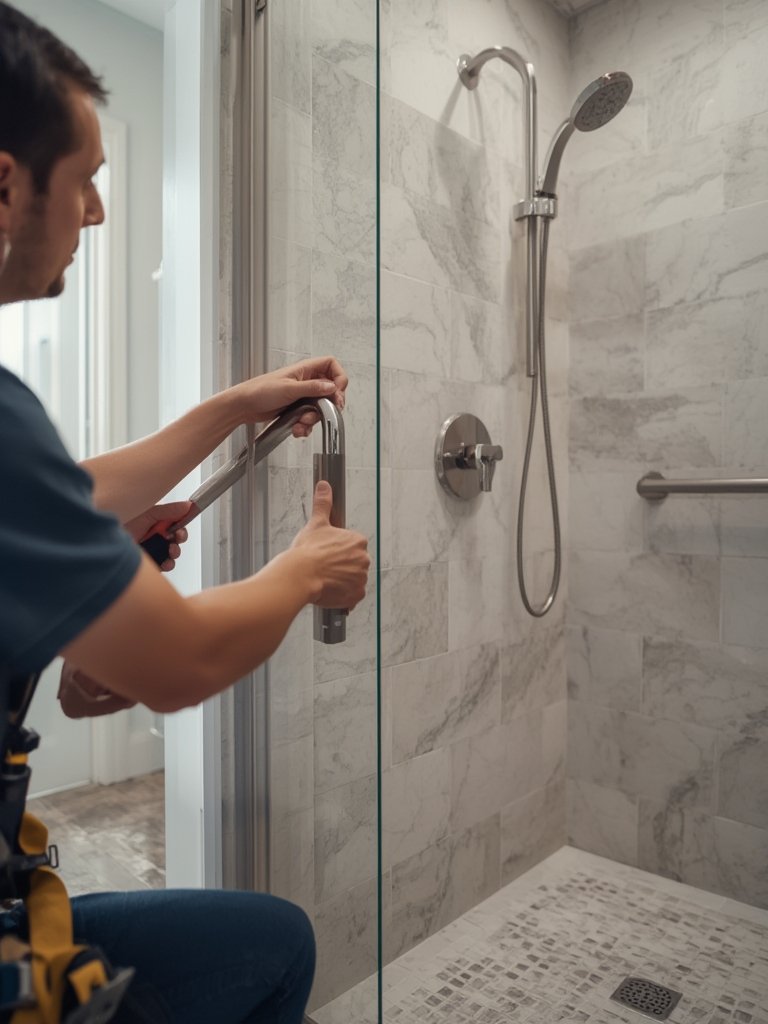
- Install grab bars near showers, tubs, and toilets.
- Switch to a walk-in tub or a zero-threshold showers.
- Swap out round knobs for lever handles.
- Raise toilet height for ease.
- Apply non-slip flooring in all wet areas.
- Improve task lighting and add nightlights on pathways.
3. Understand the Real Costs (and Where to Save)
- Costs vary by project and region, but bathroom updates might run from $2,000–$15,000 for major changes. For context, assisted living averages $3,000–$9,000/month, while nursing facilities could exceed $13,000/month.
- DIY modifications (like adding grab bars or improved lighting) are affordable; larger projects (widening doors, roll-in showers) require pros and permits.
- Get quotes from several licensed contractors and ask about discounts for bundles or energy-efficient upgrades. For more cost control, read our guide on renovation planning.
4. Make Future-Proof Choices with Universal Design
- Invest in features that benefit all ages, not just older adults—like touchless faucets or slip-resistant LVP flooring. See practical examples in our post on modern flooring upgrades.
- Ask about ADA-inspired standards, even if not required. Prioritize zero-threshold entries and roomy layouts for wheelchairs or walkers.
5. Consider Smart Home Devices for Added Safety
- Smart lighting, voice-activated assistants, or leak sensors can make a big difference as mobility or memory changes.
- Learn about integrating smart home technology with our guide on smart home improvement ideas.
6. Check Funding Options and Tax Breaks
- Some states offer grants or low-interest loans for aging in place. Nonprofits may help with ramps or bath modifications. Check local agencies on aging.
- Equipment that’s medically necessary may be deductible; consult a professional accountant for the latest rules. You may also find tips in our age-in-place solutions guide.
Advanced Analysis and Common Pitfalls in Aging in Place Remodeling
While the benefits are clear, the realities can be more complicated. Here’s what homeowners overlook—and what can go wrong—when making aging in place home modifications.
Misleading Assumptions
- Assuming one update is enough: Grab bars alone won’t solve mobility issues if the tub still has a high step.
- Thinking all “accessible” products fit every home: Stock solutions can clash with your layout or style. Customization is often needed but can be expensive.
- Ignoring future needs: Many homeowners under-plan for worsening mobility or cognitive changes, making today’s fixes obsolete in five years.
Comparison Table: Aging in Place Modifications vs. Assisted Living Costs (2024)
| Option | Upfront Cost | Annual Ongoing Cost | Level of Independence |
|---|---|---|---|
| Aging In Place Home Modifications (Full Bathroom + Common Areas) | $5,000–$40,000 | $1,000–$4,000 (maintenance) | Maximum |
| Assisted Living | $0 | $36,000–$108,000 | Medium / Varies |
| Nursing Home | $0 | $60,000–$156,000 | Low |
Additional Pitfalls to Avoid
- Low-quality contractors: Few contractors genuinely specialize in aging in place modifications. Vet thoroughly, ask for certifications, and insist on seeing previous bathroom accessibility projects.
- Permitting problems: Major changes may require local permits or code compliance—skipping this risks delays or fines.
- Overlooking emotional impact: For 62% of aging adults, an emotional attachment to their home can blind them to its risks or limitations.
- User experience is missing from the data: There’s a lack of firsthand reviews or clinical trials supporting specific bathroom accessibility products. Make sure to test before you invest.
Conclusion: Plan Smarter Aging in Place Home Modifications
Aging in place home modifications aren’t just about safety rails—they’re about protecting your freedom and daily routines as you age. Most people want to stay at home, but only a third of houses are truly ready. By starting with practical bathroom updates, prioritizing accessibility, and planning for future needs, you can avoid costly mistakes and enjoy real peace of mind.
Ready to get started? Explore more actionable ideas for accessible home design and learn how smart upgrades from our step-by-step guides can help you or your loved one live independently longer.
FAQ: Aging in Place Home Modifications
What are the most important aging in place home modifications for bathrooms?
Essentials include installing grab bars near showers, tubs, and toilets, switching to walk-in tubs or zero-threshold showers, using non-slip flooring, raising toilet height, and improving lighting. These changes reduce fall risks and support daily independence.
How much does it cost to remodel a bathroom for aging in place needs?
Costs range from a few hundred dollars for small upgrades like grab bars to $12,000 or more for full conversions, such as installing a walk-in tub or widening doors. Local labor rates and material choices can affect the total price.
Are there grants or tax credits for aging in place renovations?
Some state and local governments offer grants, loans, or rebates for home modifications. Equipment deemed medically necessary may qualify as a tax deduction. Always check your local area agency on aging and consult a tax professional.
Do I need a contractor who specializes in aging in place?
It’s strongly recommended. Specialists understand mobility needs and ADA-style requirements. Ask for certifications such as CAPS (Certified Aging in Place Specialist) and review their recent accessible projects before hiring.
Where can I learn about using smart home tech to help with aging in place?
Check out our comprehensive smart home improvement guide: Ultimate Smart Home Improvement Ideas to Upgrade Your Living Space for specific ways IoT devices, smart lights, and voice controls complement accessibility upgrades.
—
[…] consider your real risks, needs, and home limitations before starting—even with resources like actionable safety and independence guides […]