
### Blog Post:
Aging in place home modifications are more relevant than ever as millions of older adults across the US now choose to remain in their own homes, rather than move to assisted living facilities. Knowing how to design accessible spaces—especially bathrooms—dramatically improves safety, comfort, and quality of life. This guide breaks down what works, what to avoid, and how to take practical steps for a safer, future-proof home.
Key Takeaways
- Most older adults prefer to age in place, making modifications crucial for safety and independence.
- Accessible bathroom design reduces fall risk and supports daily living, but planning must be realistic and individualized.
- Understand common pitfalls—like product selection and installation mistakes—to make informed, cost-effective decisions.
- The Core Concept: Why Aging in Place Home Modifications Matter
- Step-by-Step Guide: Making Bathrooms Accessible
- Advanced Analysis & Common Pitfalls
- Conclusion
- FAQs
The Core Concept: Why Aging in Place Home Modifications Matter
Staying at home as we age is not just a preference: it’s a reality for over three-quarters of today’s seniors. According to a 2024 market overview, 77% of older adults want to live in their homes as long as possible. The main drivers? Safety, emotional connection to their homes, and (often-overlooked) financial necessity with 43% saying they cannot afford assisted living (US News & World Report Survey).
Bathrooms usually present the greatest safety risk and accessibility challenge—especially as mobility, balance, and strength naturally decline with age. Upgrading showers, tubs, and fixtures isn’t just a “nice to have”—it can mean the difference between independence and daily struggle. Home modifications also support households with varying needs, from single older adults to multi-generational families. For a broader look at smart upgrades, see our smart home improvement ideas guide.
Step-by-Step Guide: Making Bathrooms Accessible
If you’re ready to begin, here’s a streamlined plan to ensure safety and comfort for years to come.
- Audit the Existing Bathroom
Walk through the space and mark pain points like slippery floors, difficult-to-reach shelves, or high tub walls. Involve the future user directly. Think about real-life difficulties experienced daily. - Prioritize Top-Risk Areas
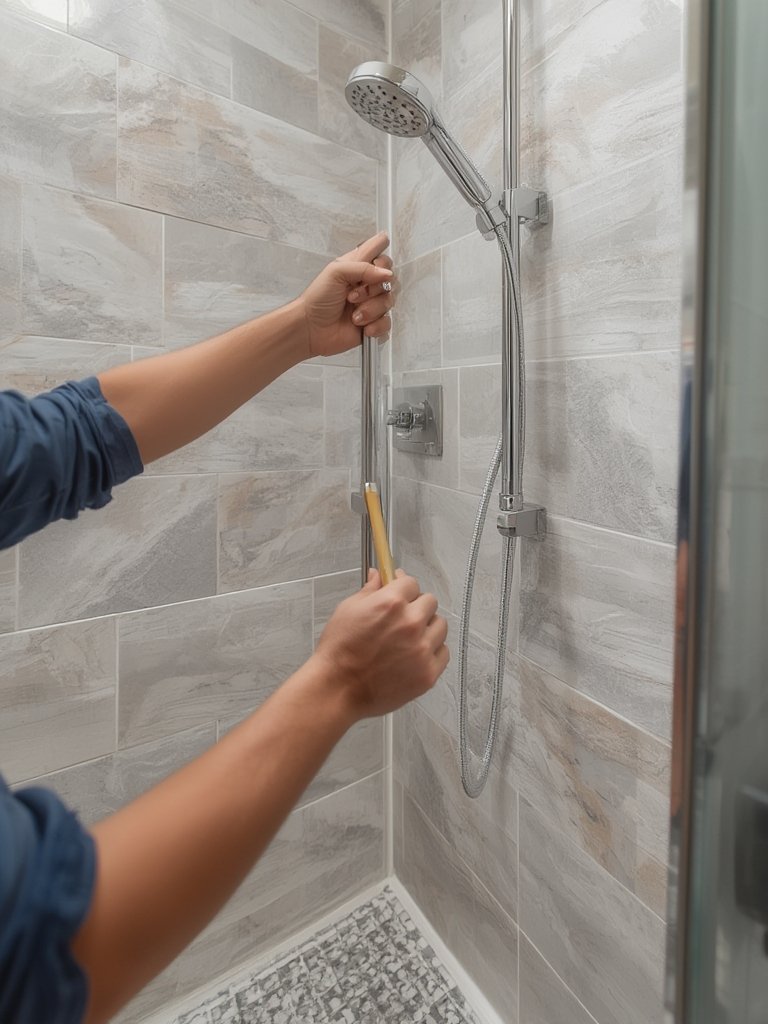
Start with modifications that address fall risks:- Install sturdy grab bars at entry and near the toilet.
- Consider replacing a tub with a zero-threshold shower for easier entry.
- Upgrade to non-slip flooring (like luxury vinyl plank—read more on LVP flooring installation).
- Select Accessible Fixtures
Choose shower seats, adjustable handheld showers, and easy-twist or lever-style faucets. Make sure every component is easy to reach and operate from a seated or standing position. - Increase Lighting & Visibility
Brighten the space with new LED fixtures and add motion sensor lights for nighttime safety. Shifting to “daylight” bulbs can reduce accidents and help those with decreasing vision. For more on lighting and home automation, read our smart lighting upgrade guide. - Future-Proof for Changing Needs
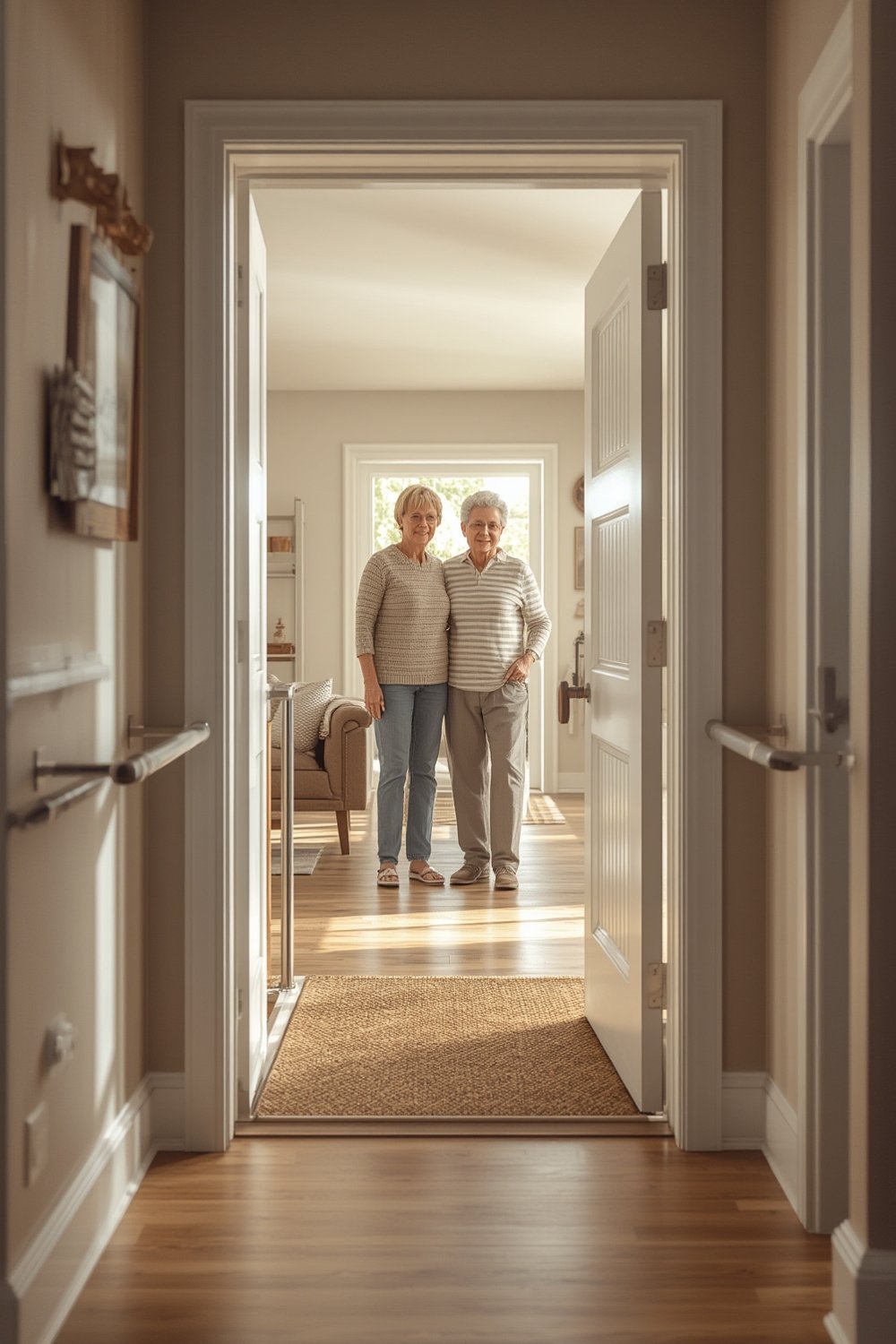
If possible, reinforce walls for future grab bars or lifts—even if you’re not installing them right away. Keep doorways a minimum of 32 inches wide to accommodate walkers or wheelchairs.
For a comprehensive planning checklist, see our Aging In Place Home Modifications: 7 Best Ways to Improve Independence guide. You can also draw on expert cost breakdowns and bathroom remodel strategies at our bathroom remodeling ideas page.
Advanced Analysis & Common Pitfalls
While bathroom accessibility upgrades promise clear benefits, several practical challenges can trip up even the most diligent homeowner. Based on the latest research and industry trends, here are the most important realities to consider:
| Issue | What to Watch For | Suggested Fix |
|---|---|---|
| Product Selection | Not all accessible products meet ADA standards or fit existing spaces. “Universal” designs may be uncomfortable or unusable. | Shop with precise measurements and check product reviews. Visit a showroom if possible. |
| Poor Installation | Incorrectly installed grab bars, seats, or faucets can fail when needed most. DIY shortcuts often lead to weak anchors or loose hardware. | Hire experienced pros for major modifications, or carefully follow manufacturer guidelines. |
| Incomplete Planning | Focusing on one element (just a grab bar, for example) without improving lighting, flooring, or layout undermines the effort. | Take a holistic approach—bundle lighting, flooring, and fixture upgrades for the best results. For maximizing ROI and comfort, explore spa bathroom remodel strategies as part of your planning. |
| Disruption & Mess | Even simple retrofits can be disruptive—especially for those with mobility impairments or health concerns. | Schedule work in stages and plan for alternative arrangements if necessary. |
| Cost Surprises | While costs for grab bars and basic fixtures are modest, zero-threshold showers and walk-in tubs can be expensive to install and may reveal hidden plumbing or subfloor problems. | Get multiple quotes and budget accordingly. For ways to control project spending, use guides like renovation cost planning. |
While there’s broad awareness of the need for aging in place solutions, there’s sometimes a one-size-fits-all approach. Homes, needs, and budgets vary—so focus on real pain points. Products labeled as accessible may not help if they are not tailored to the user’s specific challenges.
It’s worth noting that the US does not have a single updated 2024 code for aging in place modifications—although existing ADA guidance remains a valuable resource for best practices.
Resale value is a frequent concern. While there’s little hard real estate data, bathroom modifications intended to be “invisible” or discreet (like level entries instead of medical-looking grab bars) often have the greatest market appeal. For more on design choices and maximizing ROI, see our 2024 bathroom remodeling guide.
Conclusion
Done wisely, aging in place home modifications create safer, more welcoming spaces with minimal daily obstacles. Accessible bathroom upgrades remain the single highest-impact project, but success depends on planning, personal fit, and installation quality. As you move forward, keep the unique needs of your household front and center—and use trusted resources to avoid the most common setbacks. Ready to future-proof your home? Start today with the actionable aging in place home modifications that matter most.
FAQ
What are the most essential bathroom upgrades for aging in place?
The most important upgrades include installing grab bars, switching to a zero-threshold (curbless) shower, adding a shower seat, improving lighting, and using non-slip flooring like luxury vinyl plank.
Will bathroom accessibility modifications hurt my home’s resale value?
Most universal design changes (like widened doors and level-entry showers) are either neutral or positive for resale. However, obvious institutional-looking features may be less appealing to general buyers. Focus on subtle, well-integrated designs.
Can I install aging in place modifications myself?
Some basic tasks—like swapping out doorknobs for levers or placing temporary adhesive grab bars—are DIY-friendly. For permanent changes involving plumbing, structural work, or wiring, professional installation is always safer and more reliable.
How do I choose the right products?
Always look for ADA-compliant fixtures and read reviews carefully. Try to see products in person before purchase. Measure your space precisely to avoid surprises, and consult an occupational therapist for tailored advice if possible.
Where can I learn more about lighting, flooring, or whole-home smart upgrades?
Explore our guides on smart home improvements, LVP flooring installation, and bathroom remodeling for more actionable tips.