
DIY home decor ideas are quickly becoming the go-to solution for anyone wanting to personalize their space, add instant character, and save money—all in one project.
Key Takeaways
- The DIY home decor market is booming, driven by demand for affordable personalization and clean, minimalist styles.
- Many people hesitate to start DIY projects due to fear of mistakes (FOMU) and concerns over costs, but simple strategies can overcome both.
- Eco-friendly materials and large wall art trends allow you to stay stylish while being environmentally conscious.
- What Are DIY Home Decor Ideas & Why Use Them?
- Step-by-Step Guide: How to Transform Your Space
- Advanced Analysis & Common Pitfalls
- Conclusion
- FAQ
What Are DIY Home Decor Ideas & Why Use Them?
DIY home decor ideas are creative ways to improve the look and feel of your home using affordable, hands-on techniques. Whether you want to refresh a room, make a statement with large wall art, or solve a storage problem, DIY offers a cost-effective and highly customizable solution. In 2024, this approach is more relevant than ever: the global home decor market is valued at over $960 billion and growing rapidly, with homeowners launching over 50 million DIY projects each year [source].
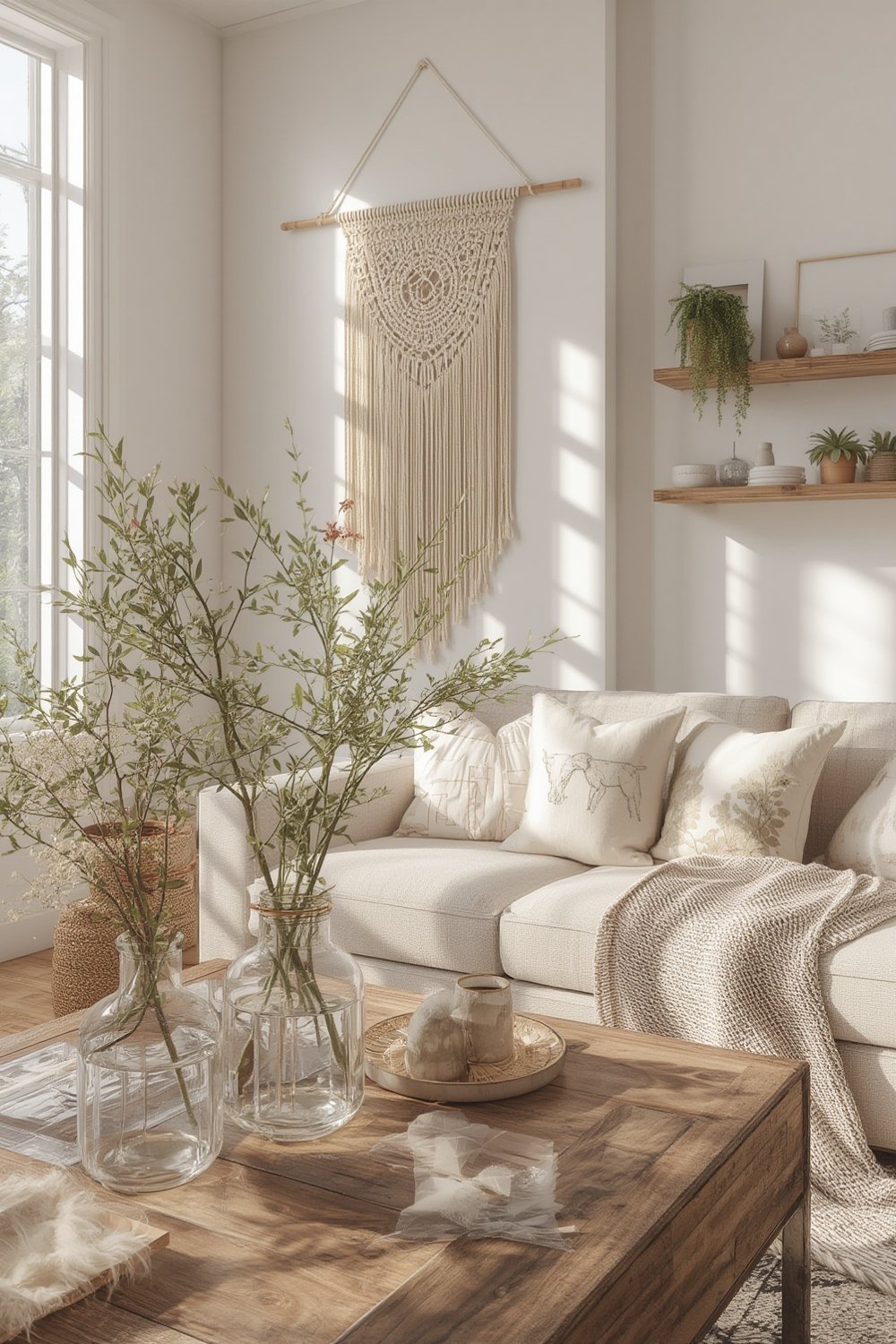
The appeal comes from both cost savings and individuality. Millennials, for example, spend nearly 23% more on home décor than Boomers, and most people today favor clean, minimalist designs with neutral tones [source]. This trend holds true for everything from oversized abstract canvases to subtle, earth-inspired wall accents. As environmental awareness rises, many are also seeking sustainable materials and biophilic touches for their homes [source].
Step-by-Step Guide: How to Transform Your Space
Ready to tackle a DIY decor upgrade? Here’s a practical roadmap to move from idea to finished project—without unnecessary risk or spending.
- Explore Inspiration and Set Your Style
Consider what you love—soft curves, earthen motifs, or minimalist shapes. Research current trends, like oversized abstract canvases or biophilic designs, for a modern touch. Online design guides, such as these on DIY home decor ideas or eco-friendly paint, can help clarify your direction. - Define Your Budget
Materials can get expensive—especially for large wall art or sustainable supplies. List every component before you shop, from canvas and paints to frames and mounting strips. Stick to a limit, and look for deals or upcycled options. Remember, 41% of homeowners list cost as their biggest renovation concern [source]. - Measure and Plan Layout
Take photos of your space and measure your target wall. Map out the ideal size and placement for your artwork or decor using painter’s tape or digital mockups. This reduces error and prevents overbuying materials. - Select Materials (Think Sustainable!)
Opt for sustainable paints, recycled wood, and natural fibers for eco-friendly decor—this aligns with the 62% of Gen Z and Millennials who prefer sustainable brands [source]. For easy indoor air quality wins, choose low VOC paint options. - Prep and Execute
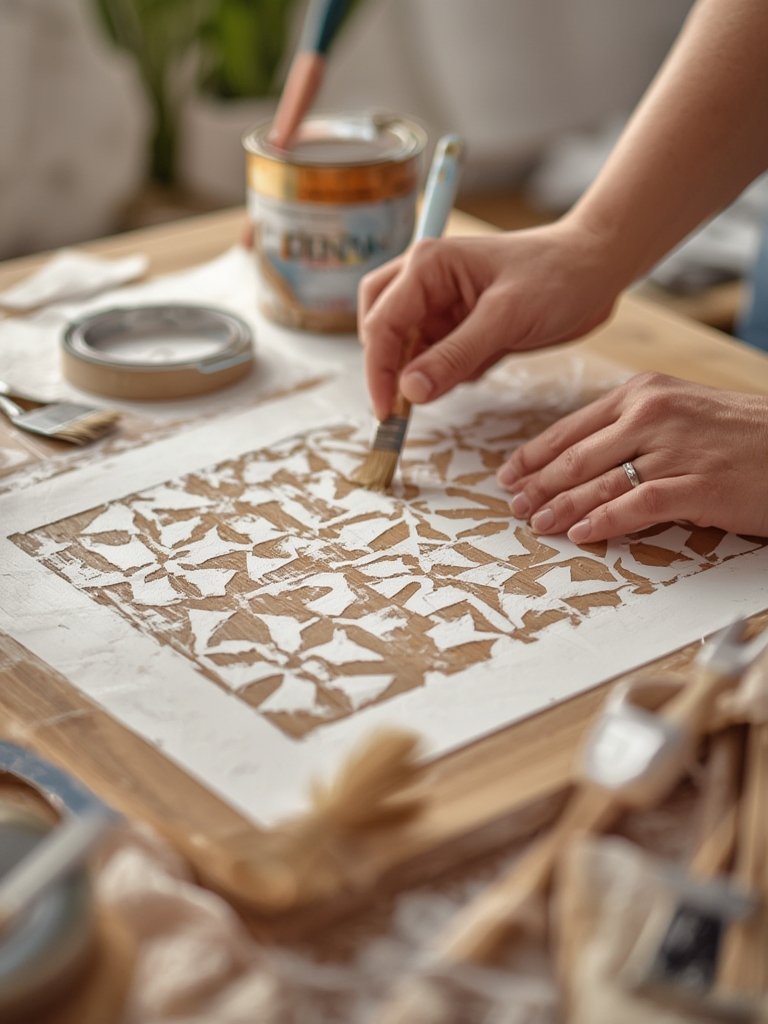
Prep your workspace. For wall art, prep the canvas and lay out your supplies. If your plan uses removable elements, test on a small area first. - Install and Adjust
Hang your work using level tools. For gallery-style arrangements, start from the center and work outward. Step back often to evaluate, making adjustments for perfect placement. - Maintain and Evolve
Choose materials and finishes you can easily update or swap out later. Modular designs or temporary wall solutions allow for effortless updates with the seasons or as your style grows. See how modular furniture and flexible layouts also make frequent changes easier.
Following these steps ensures your DIY project aligns with both your vision and your budget, while building your skillset and confidence for future improvements.
Advanced Analysis & Common Pitfalls
DIY home decor projects are rewarding—but they’re not risk-free. Awareness of real-world challenges helps you sidestep disappointment and wasted effort.
- FOMU (Fear of Messing Up): Over 70% of hopeful DIYers delay or abandon projects from anxiety about mistakes. Prevent this by starting with smaller pieces and practicing techniques in advance. Free video tutorials and sample boards are great confidence builders.
[see study] - Over-committing Budget or Time: Costs can add up fast, especially for large or trendy statement walls. Plan ahead and prioritize essentials—remember, companies often add a premium to sustainable materials (up to 28% more) versus typical consumer willingness to pay (11% more) [source].
- Durability Issues with Trendy Materials: Some social media-inspired shortcuts—like painted granite or sofa fabric—look good initially but don’t hold up over time, leading to repairs and frustration [source]. Check reviews, avoid viral fads, and opt for proven methods when possible.
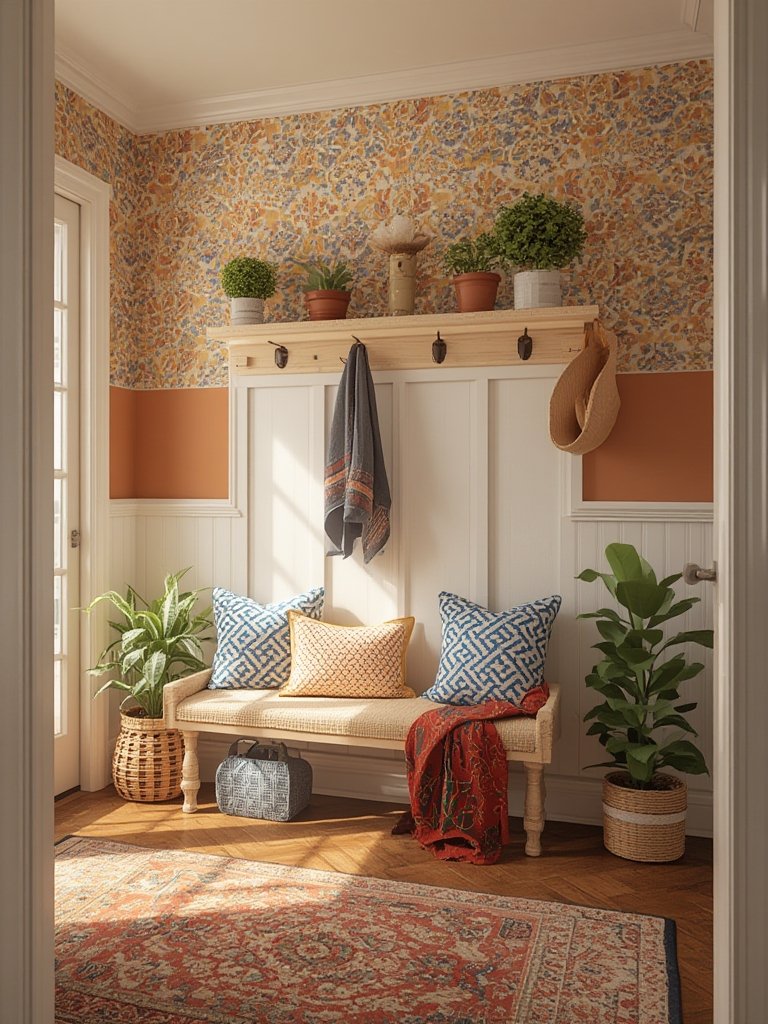
- Poor Alignment with Design Preferences: Not everyone loves maximalist colors or geometric patterns. The most popular looks in 2024 are neutral, soft-edged, and minimalist—not bold or busy. Before committing, test your design with temporary decor or overlays first. For ideas tailored to your style, see oversized wall art guides and home storage solutions.
| Challenge | Realistic Solution |
|---|---|
| Fear of Failure (FOMU) | Begin with small, reversible projects; practice on test materials first. |
| Unexpected Costs | Make a detailed budget up front; reuse or upcycle when possible. |
| Short-lived Trends | Choose classic styles and materials when possible; avoid unproven hacks. |
| Limited Eco-Friendly Options | Seek out certified green products; prioritize DIY projects with natural or recycled materials. |
Conclusion
By following these actionable steps and realistic guidelines, you can confidently bring DIY home decor ideas to life—without falling into common traps or overspending. Keep your focus on clean design, sustainable materials, and thoughtful planning. Start small, learn from each project, and level up your home at your own pace.
Ready to upgrade your space? Explore more ideas and guides on DIY home decor or go deeper with energy-efficient upgrades for a home that’s unique and future-ready.
FAQ
What are the most popular DIY home decor ideas in 2024?
Minimalist large wall art, earth-inspired prints, and soft, curved furniture or accents are leading the trends. Eco-friendly materials and biophilic touches are in high demand as well.
How can I avoid DIY project mistakes and failures?
Start with reversible or temporary projects, practice techniques before applying them to your main area, and carefully plan your budget and layout before shopping.
Are eco-friendly DIY materials more expensive?
Yes, eco-friendly materials typically cost more, with companies charging around 28% extra while most consumers are willing to pay about 11% more. Look for sales, use upcycled materials, or focus on small sustainable accents to keep costs down.
What can renters do for DIY home decor?
Renters can focus on removable wall treatments, peel-and-stick art, or modular furniture. These can completely transform a space without permanent changes or risking your deposit.
Where can I find more specific DIY home decor guides?
Check out the in-depth DIY home decor step-by-step guides and tutorials for inspiration and practical tips tailored to different homes and budgets.