

Eco-friendly paint options have become a leading choice for homeowners who want fresher air indoors and a lower environmental impact from their home upgrades. With so many paint products claiming to be green, it’s crucial to understand what sets real eco-friendly paint apart, what to expect, and how to make the right choice for your next project.
Key Takeaways
- Eco-friendly paint options are growing faster than conventional paints but can have higher upfront costs and some performance trade-offs.
- Low-VOC, water-based and plant-derived paints improve indoor air quality and health versus solvent-based paints.
- DIY tips, real-world cost comparisons, and honest reviews are essential when deciding if eco-friendly paints are right for your home.
- What Makes Paint Eco-Friendly and Why Choose It?
- How to Choose and Apply Eco-Friendly Paints: Step-by-Step
- Advanced Analysis & Common Pitfalls
- Conclusion
- FAQ
What Makes Paint Eco-Friendly and Why Choose It?
Eco-friendly paint options are formulated to minimize environmental impact during manufacturing, application, and throughout their lifespan. Key features include low or zero volatile organic compounds (VOCs), use of water or plant-based carriers instead of harsh chemical solvents, and renewable raw materials like natural resins, plant oils, or algae-based binders. The main reasons to choose these paints are improved indoor air quality, reduced health risks, and a tangible reduction in your project’s carbon footprint.
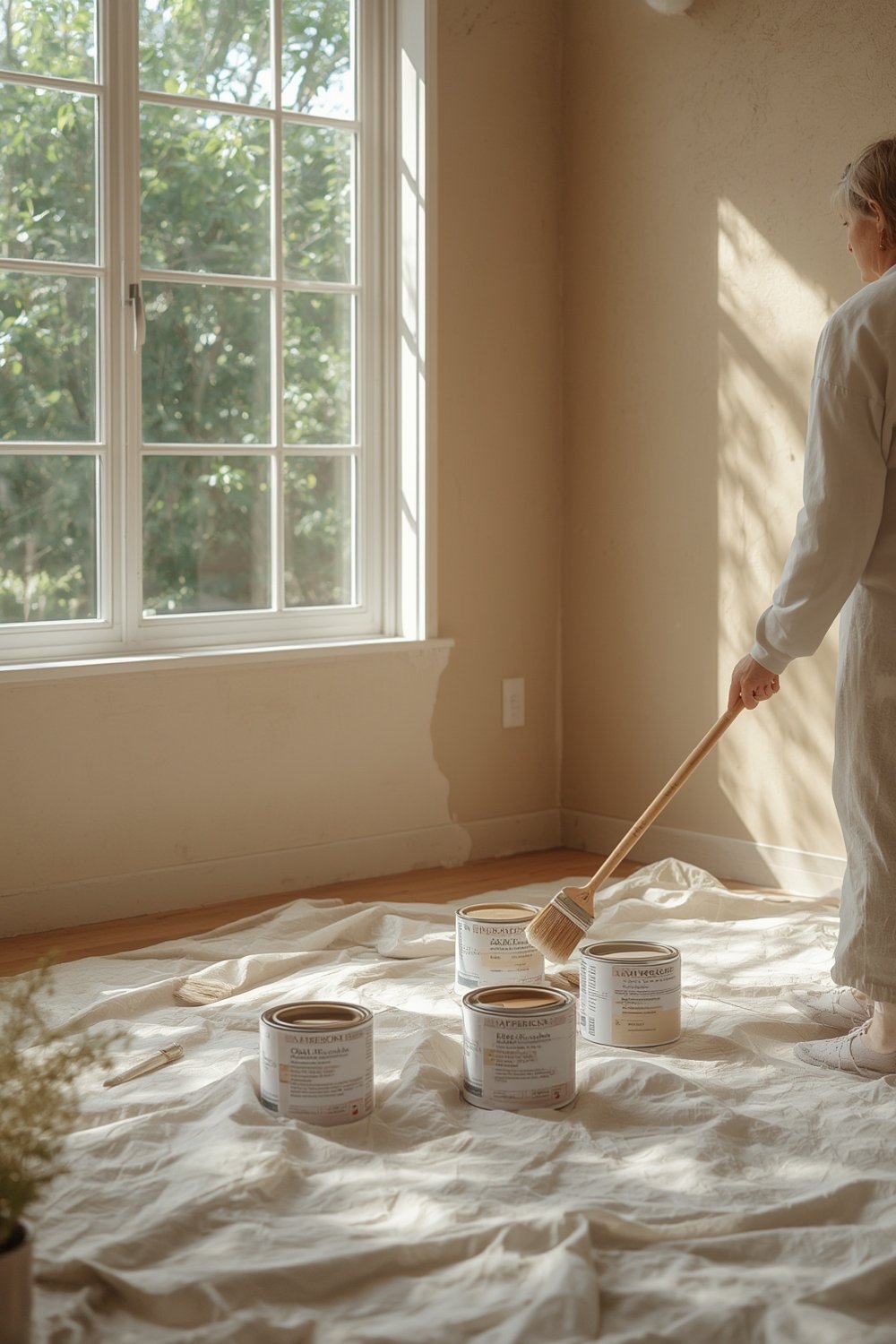
The market is responding quickly to consumer demand and regulation. Globally, the water-based eco-friendly paint segment is valued over $27 billion in 2024 and is set for robust annual growth, outpacing conventional paints. Leading certification programs such as LEED and WELL also encourage the use of low-emission, sustainable coatings.
Many eco-friendly paints are now as easy to use as ordinary paints, with major brands offering wide color selection and competitive finishes. However, there are some practical differences you’ll want to consider before starting a DIY project or hiring a pro.
How to Choose and Apply Eco-Friendly Paints: Step-by-Step
- Identify Your Indoor Air Quality Priorities
If you’re painting bedrooms, nurseries, or living areas, prioritize low or zero-VOC paints to limit exposure to chemical fumes and off-gassing. - Check Certifications and Product Specs
Look for third-party certifications such as Green Seal, GREENGUARD, LEED, or EU Ecolabel. Always read labels for VOC content (ideally below 50g/L for interior walls). - Select the Right Type for Your Needs
Water-based latex or acrylic paints are suitable for most interiors and are lower in odor and VOCs. In high-moisture or high-wear areas, some bio-based resins can be a good fit. - Test Your Color and Finish
Most major brands now offer swatches or small sample pots. Apply a test patch and let it fully dry—eco-friendly paints can sometimes appear slightly different versus their conventional counterparts. - Prepare the Surface Carefully
Proper cleaning and light sanding are especially important, as eco-friendly paints might be less forgiving over poor surfaces. - Apply According to Manufacturer Instructions
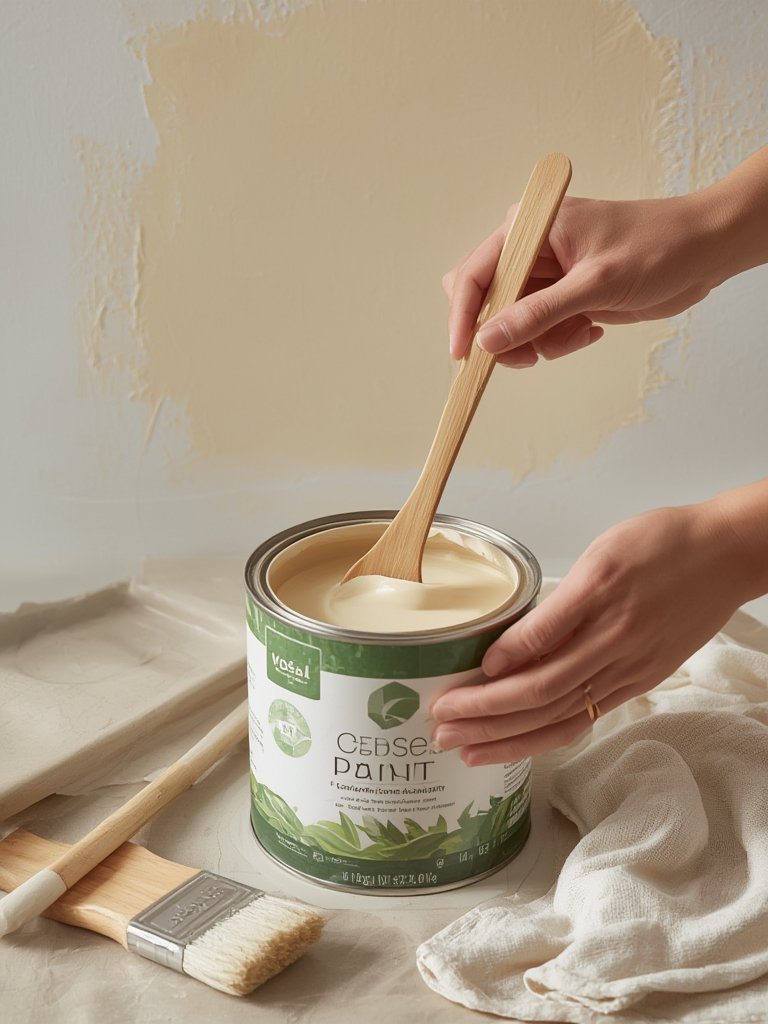
Stir thoroughly, use quality premium synthetic brushes or rollers, and follow recommended drying/curing times—even for “quick-dry” formulations. - Ventilate Adequately
Even though odors and toxins are much lower, excellent airflow speeds up curing and is best for indoor air quality.
For more hands-on DIY inspiration, check out these related guides:
- DIY Home Decor Ideas: 7 Amazing Ways to Transform Your Space
- DIY Home Decor Ideas: 9 Amazing Ways to Transform Your Walls
- Home Organization & Storage Solutions: 7 Amazing Ways to Maximize Space
- Large Scale Renovation Planning: 7 Best Ways To Save Money
- Energy-Efficient Upgrades: 7 Amazing Ways to Maximize Savings
Advanced Analysis & Common Pitfalls
While eco-friendly paint options have advanced rapidly, there are still real drawbacks worth considering before switching from traditional formulas.
| Aspect | Eco-Friendly Paint | Conventional Paint |
|---|---|---|
| Cost (2024) | Generally higher (no detailed per-gallon data, but bio-based inputs increase price) | Usually lower |
| VOCs | Low to zero (often <50g/L) | Medium to high |
| Durability & Wear | Improved, but can lag in industrial/high-abuse areas | Proven for tough environments |
| Color Selection | Expanding, but sometimes more limited for specialized hues/finishes | Huge range |
| Application | Easy cleanup; some formulas may need more coats for full coverage | Usually thicker one-coat coverage |
| Health Impact | Reduced risks with low/zero-VOC and natural binders | Can cause respiratory issues due to chemical emissions |
Common pitfalls and user frustrations:
- Not all eco-friendly claims mean low-VOC, non-toxic, or bio-based. Always check independent certifications.
- Preparation is critical. Surfaces that aren’t properly cleaned or sanded can result in poor adhesion due to lower solvent levels.
- Price is generally higher, and product lines might not cover every specialized project or color need.
- Performance can lag behind industrial solvent-based paints for exterior trim or high-wear commercial spaces.
- DIYers report fast drying times can make blending and touch-ups more challenging.
Despite these concerns, technological gains are coming fast. Major companies like BASF and PPG are heavily invested in bio-based, biomass-balanced, and water-based paints, moving the market toward broader adoption and improved pricing.
Conclusion
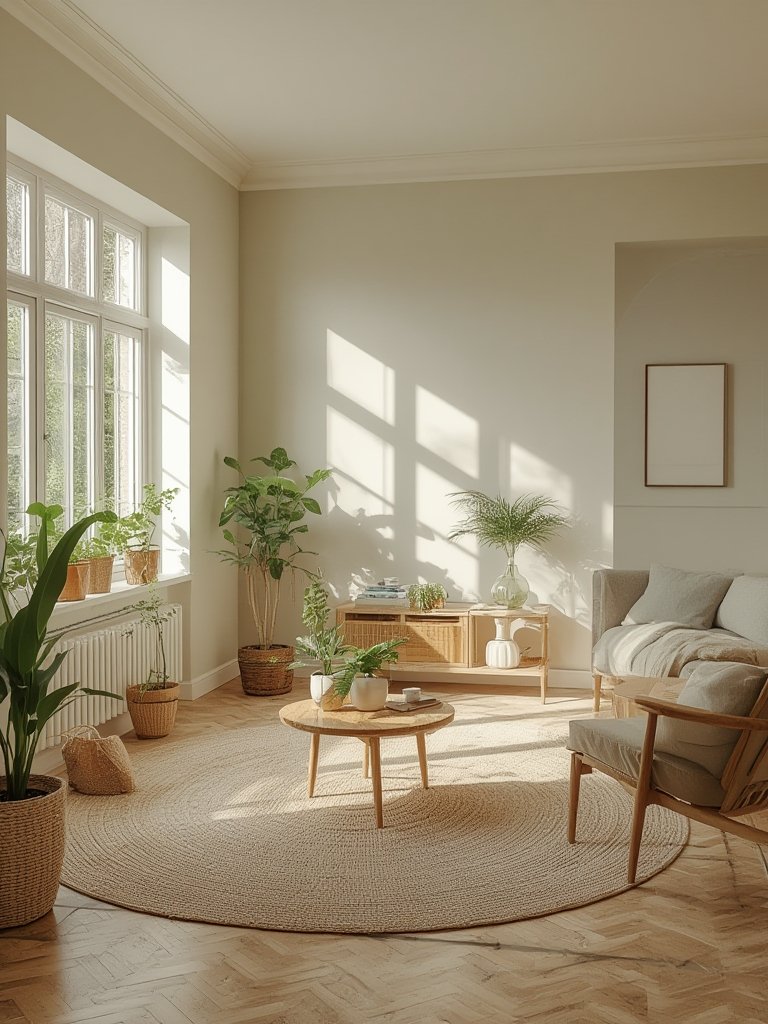
Eco-friendly paint options are an effective way to reduce health risks, improve indoor air, and make your next upgrade more sustainable. While they cost more upfront and have some specific prep and application needs, today’s green paints deliver strong performance for residential use if you know what to expect. Always choose certified products, do your prep work, and you’ll get healthier results for your home and the planet. Ready to try eco-friendly paint options on your next project? Start small, test colors, and see the difference for yourself.
FAQ
What is the difference between low-VOC and zero-VOC paint?
Low-VOC paints contain reduced amounts of volatile organic compounds, often below 50 grams per liter. Zero-VOC paints have less than 5 grams per liter and are safest for indoor air quality, but always check for certification as definitions may vary by region.
Are eco-friendly paints available in all colors and finishes?
Color ranges are rapidly expanding, but some specialty finishes or hard-to-match hues may still be unavailable. Major brands like Sherwin-Williams and Dulux now offer hundreds of eco-friendly shades, so most homeowners find the options sufficient for common projects.
Do eco-friendly paints cost more than regular paints?
Yes, they usually cost more per gallon due to bio-based or renewable raw inputs and stricter manufacturing standards. However, prices are gradually decreasing as demand increases and production scales up.
Will eco-friendly paint last as long as traditional paint?
For typical indoor walls and ceilings, today’s eco-friendly paints perform very well and offer comparable longevity. For high-traffic or industrial settings, standard solvent-based paints may still have an edge in durability.
How can I be sure a paint is truly eco-friendly?
Look for certifications like Green Seal, EU Ecolabel, LEED, or GREENGUARD on the label. Read the VOC content in the technical specs and check for renewable/bio-based ingredients such as plant oils, natural resins, or water-based carriers.

[…] even more small space strategies, see how modular fits with DIY decor makeovers, or combine it with eco-friendly renovation tips for a healthier, modern […]
[…] Sustainable and smart upgrades: Use low-VOC paints, LED lighting, smart thermostats, and recycled materials for a healthier, eco-friendly space. For more sustainability hacks, check out these eco-friendly paint options. […]
[…] health. Some paints, adhesives, or wood treatments can degrade indoor air. Go low-VOC and check out eco-friendly options for long-term […]