

Eco-friendly paint options are quickly becoming the smart choice for healthier homes and cleaner air, but knowing which paints to trust, what chemicals to avoid, and how to get reliable performance is more challenging than it may appear.
Key Takeaways
- low-VOC and water-borne paints cut indoor pollution and reduce health risks—look for low-VOC and water-borne formulas with trusted certifications.
- Be prepared for higher upfront costs, some durability trade-offs, and limited color selection compared to standard paints.
- Proper sourcing, application techniques, and disposal methods help maximize benefits and minimize new environmental concerns.
- Understanding Eco-Friendly Paint Options: What & Why
- How to Choose and Use Eco-Friendly Paints: A Step-by-Step Guide
- Advanced Analysis & Common Pitfalls
- Conclusion
- Frequently Asked Questions
Understanding Eco-Friendly Paint Options: What & Why
Eco-friendly paint options are designed to minimize environmental impact and indoor air pollution by limiting volatile organic compounds (VOCs) and using safer ingredients. Standard paints often use solvents, formaldehyde, benzene, and other VOCs that contribute to indoor air quality issues, odors, and health risks, especially in poorly ventilated spaces or homes with children and pets.
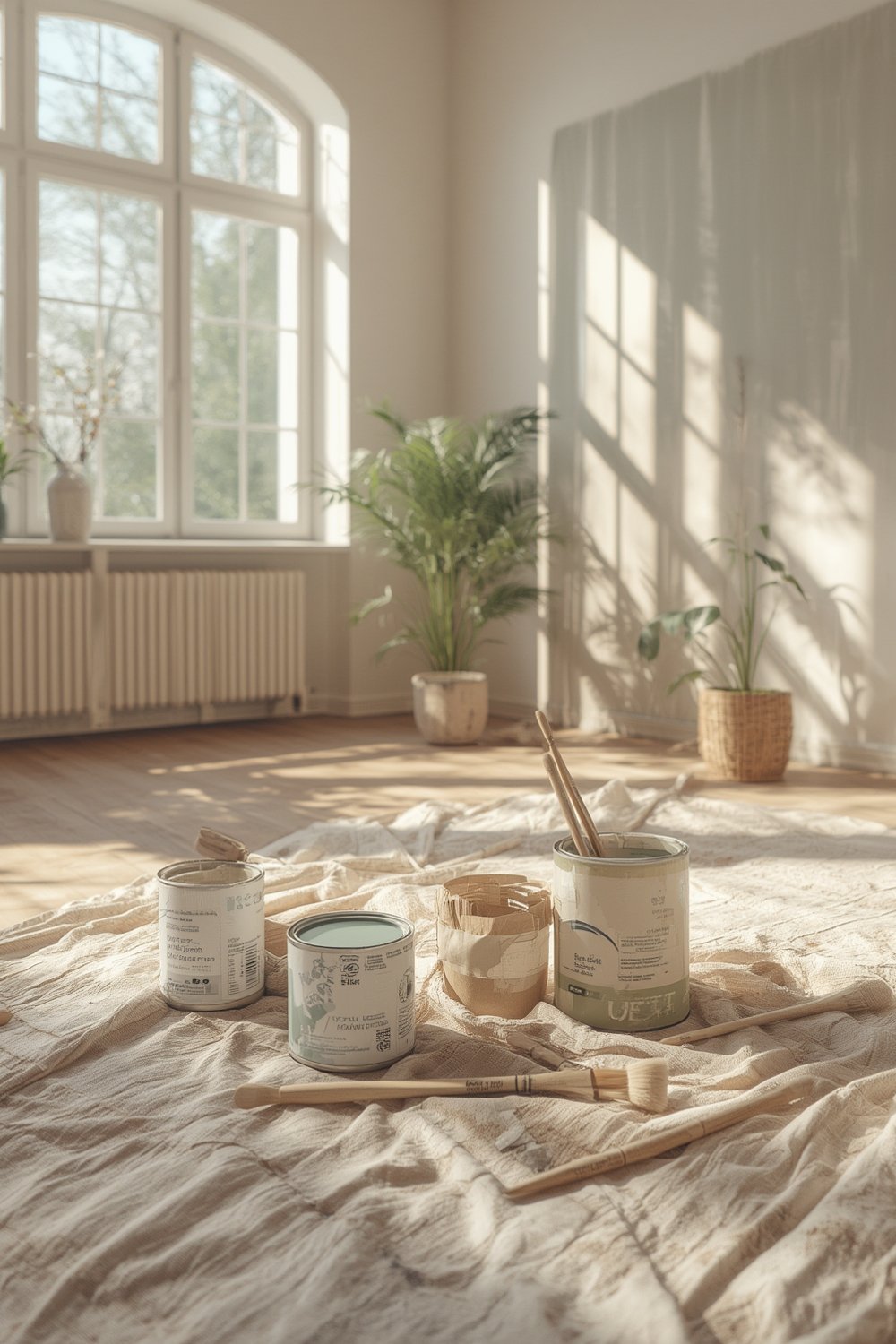
Growth in the global low-VOC paint market confirms a major shift: valued at USD 8.7 billion in 2024, with nearly 60% based on water-borne technology. These paints are especially popular for home projects and supported by stricter regulations around indoor air quality. Leading organizations such as the EPA and ECHA promote low-VOC standards, and certification programs like LEED, Greenguard, BREEAM, and Green Seal authenticate paints that meet these stringent criteria.
Why make the change? Eco-friendly paints deliver several real-life benefits:
- Lower toxic emissions and odors
- Safer for people with chemical sensitivities or respiratory issues
- Alignment with green home trends and builder requirements
- Contribution toward credits for green building certifications
If you’re upgrading your home, pairing eco paints with energy-efficient upgrades (see our guide: Energy-Efficient Upgrades: 7 Amazing Ways to Maximize Savings) or DIY décor projects can boost both comfort and long-term value.
How to Choose and Use Eco-Friendly Paints: A Step-by-Step Guide
Ready to adopt eco-friendly paint options for your next project? Here’s a practical roadmap to get the best results—and avoid common mistakes:
- Identify priority areas. Target bedrooms, nurseries, kitchens, or anywhere people spend significant time indoors. Start here for maximum health impact.
- Research brands with verifiable eco-labels. Look for paints certified by trusted organizations such as Green Seal, LEED, WELL, Greenguard, BREEAM.
- Compare ingredients. True low-VOC paints will list content—avoid those with formaldehyde, benzene, and high-solvent content.
- Evaluate finish and usability. Water-borne (water-based) eco paints usually dry faster and clean up with soap and water. Test sample swatches for finish quality.
- Estimate needed quantity. Coverage per gallon can differ from conventional paints, so use manufacturer calculators or ask for guidance at the store.
- Prep surfaces carefully. Eco-friendly paints adhere best to clean, dry, non-glossy walls. A light sanding and eco-safe primer may help.
- Apply in thin coats. Two thin coats often yield better durability and color uniformity than a single thick coat.
- Ventilate during and after application. Even low-VOC paints can off-gas briefly. Open windows and use fans to speed up air clearing.
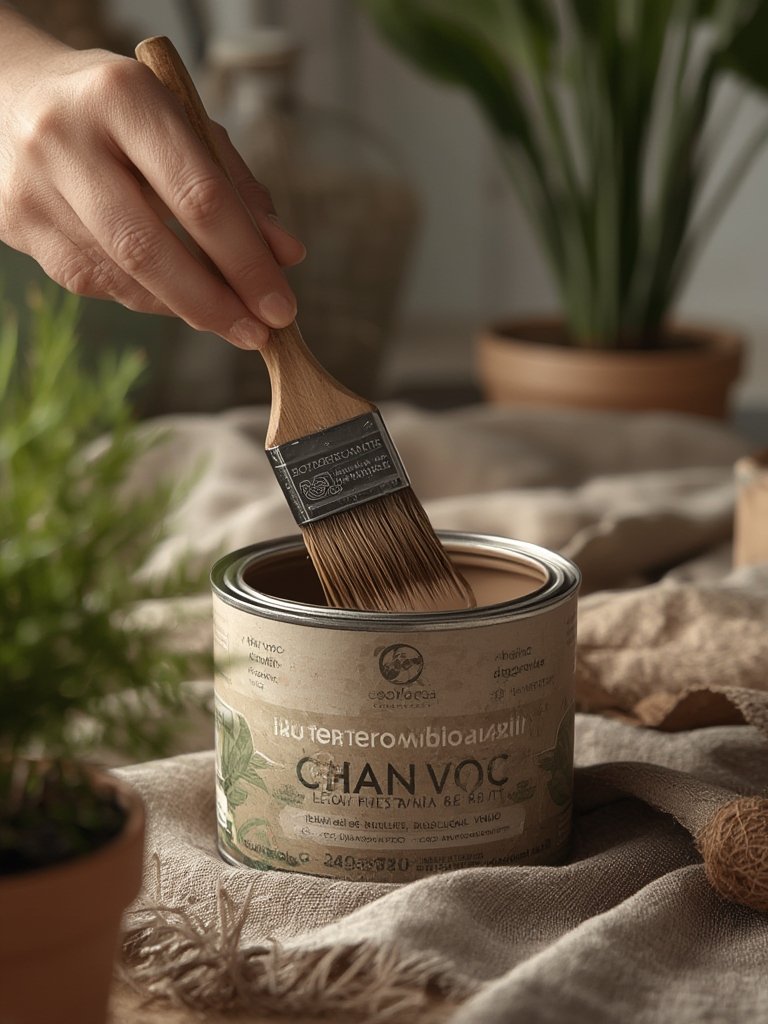
For smaller rooms or accent walls, eco paints can make dramatic, renter-friendly transformations. Check out related inspiration and wall art trends in our DIY Home Decor Ideas: 7 Amazing Ways to Transform Your Space and DIY Home Decor Ideas: 9 Amazing Ways to Transform Your Walls posts.
Don’t just stop at painting: integrating smart home upgrades—like automated lighting systems discussed in our popular Ultimate Smart Home Improvement Ideas—can amplify the energy savings and healthy home benefits of your fresh paint project.
Advanced Analysis & Common Pitfalls
While the benefits are real, transitioning to eco-friendly paint options can surprise even well-intentioned homeowners. Here’s what you need to know before buying—and what most guides won’t say:
| Issue | Eco-Friendly Paints | Conventional Paints | What to Watch Out For |
|---|---|---|---|
| Durability & Coverage | Good for daily residential use; may underperform in high-wear/industrial areas | More robust and scuff-resistant overall | Plan for touch-ups in kid or pet areas; always test with swatches |
| Color Range | Rapidly expanding, but still more limited—especially bold/brights | Vast spectrum in all finishes | Ask about custom-mixing or layer with tinted primer as a base coat |
| Cost | Tends to be 10-40% higher per gallon due to bio-based materials and certification costs | Wider range, often lower-priced per unit | Factor in fewer required safety supplies (masks, gloves) for eco paints |
| Disposal | Still requires specialized disposal or recycling to avoid waterway contamination | Regulated hazardous waste—strict disposal rules | Check local recycling sites or community hazardous waste pickup events |
| Availability | Might be limited in rural or less regulated markets | Readily available everywhere | Order ahead for full selection or try regional online distributors |
| Lifecycle Analysis | Potential upstream emissions from plant-based materials and shipping | High, both in chemicals and carbon footprint | Request manufacturer environmental impact statements |
Based on recent market research, most homeowner complaints cite higher upfront costs, durability concerns under heavy use, and some color match limitations. Market values reflect a premium price for eco lines (USD 8.7 billion for low-VOC paint versus USD 182–211 billion overall), but economies of scale are slowly bringing costs down as demand rises.
Proper disposal is still essential, even for eco paints. Local hazardous waste facilities or recycling drives can handle leftover paint responsibly. Don’t pour down drains—water-based doesn’t mean water-safe in large amounts.
In rural markets, selection and timely delivery can be challenging due to distribution gaps. When possible, coordinate group orders with neighbors or local builders for better rates and access.

Finally, if you want to see real-life, in-depth results and how eco paints impact indoor air, our comprehensive resource Eco-Friendly Paint Options: 7 Best Ways to Improve Indoor Air Quality — Proven Guide provides firsthand reviews, advice, and further links.
Conclusion
Switching to eco-friendly paint options is one of the simplest, most effective ways to support indoor air quality and future-proof your home for health, safety, and environmental standards. Though expect to pay more up front and sometimes compromise a bit on color or wear resistance, the gains—especially for families, people with sensitivities, or anyone renovating as part of a larger eco-smart home remodel—are substantial. Make sure to always verify certifications, plan for proper disposal, and keep an eye on emerging innovations as the market expands. Bring your vision to life and protect your family by starting your project with eco-friendly paint options today.
Ready for a healthy home refresh? Choose your paint, test a room, and share your experience—or see our other guides for tiny home upgrades and trendy DIY projects.
Frequently Asked Questions
Do eco-friendly paints perform as well as regular paints?
For most interior residential uses, modern low-VOC and non-toxic paints offer excellent coverage and finish quality—though there may still be some durability gaps in very high-traffic or industrial settings. Always test with sample pots before full application.
What certifications should I look for on labels?
Look for Green Seal, Greenguard, LEED, WELL, or BREEAM certifications. These prove the paint meets strict VOC limits and environmental standards. Longevity and safety are higher when using certified products.
Can I mix eco-friendly and regular paints?
You can use eco-friendly paint over conventional primers or undercoats, but mixing wet paints isn’t recommended. For best results, stick to one type per project.
How should I dispose of leftover eco paint?
Even water-borne and low-VOC paints should never be poured down drains. Use local hazardous waste collection or recycling events—even small amounts can harm local ecosystems if not handled properly.
Why are some colors unavailable in eco paint lines?
Some vibrant pigments require chemicals not approved for eco certification or are harder to source sustainably. The range is growing fast, but check with suppliers about new developments and custom options.