

eco-friendly paint options have rapidly become a top choice for homeowners and professionals seeking safer, healthier spaces and greener renovations. As market demand and regulations push for lower emissions, more people are asking which paint types are truly sustainable and what you should really expect before making the switch.
Key Takeaways
- Eco-friendly paints, especially low VOC versions, are expanding fast—with the market set to more than double by 2032.
- Most sustainable paints cut toxic emissions, but they might cost more upfront and choosing verified products is crucial.
- Step-by-step planning, awareness of pitfalls, and checking real certifications make the biggest difference in results.
- What Are Eco-Friendly Paint Options and Why Switch?
- How to Choose and Apply Eco-Friendly Paints: A Step-by-Step Guide
- Advanced Analysis & Common Pitfalls
- Conclusion
- FAQs
What Are Eco-Friendly Paint Options and Why Switch?
Eco-friendly paint options are paints designed to minimize health and environmental risks by reducing or eliminating harmful chemicals—mainly volatile organic compounds (VOCs). These paints are typically water-based and are regulated in many regions to produce fewer emissions during application and drying.

The global eco-friendly paint market is growing fast—valued at $29.1 billion in 2023 and projected to reach $55.2 billion by 2032, thanks to stricter regulations, more health-conscious consumers, and construction sector demand (source). Asia-Pacific is seeing the fastest adoption, while North America and Europe continue steady, mature growth. Choosing these paints can significantly improve indoor air quality and help create safer, more sustainable homes—a topic explored in-depth in our eco-friendly paint application guide.
Most eco-friendly paints avoid VOCs—the main chemical culprits for poor indoor air and environmental damage (source). They’re also increasingly falling under government standards, such as LEED and BREEAM requirements for green buildings.
How to Choose and Apply Eco-Friendly Paints: A Step-by-Step Guide
Switching to sustainable paints is straightforward, but success comes down to careful selection and solid prep. Here’s how to maximize indoor air quality, cut toxic exposure, and get professional results:
-
Assess Your Needs and Project Type.
Are you painting a nursery, kitchen, or exterior? For high-moisture or high-traffic zones, pick paints rated for moisture resistance and scrub-ability. For bedrooms and living rooms, focus on air quality and low emissions. Explore best picks for indoor projects in our sustainable paint comparison guide.
-
Compare Certifications and VOC Ratings.
Look for the VOCs listed on the product’s label. “Low VOC” has different definitions by region—always choose the lowest available (source).
Common certifications to prioritize: LEED, BREEAM. Don’t just rely on generic “eco-friendly” claims. -
Calculate Coverage and Costs.
Although eco-friendly paints tend to cost more upfront, you may save over time through better indoor air and fewer health risks. Calculate your surface area, and compare price-per-gallon with coverage rates. For price-conscious users, check our ROI-based planning in this energy upgrade guide.
-
Prep Surfaces Thoroughly.
Clean, sand, and prime surfaces according to the manufacturer’s guidance. Surface prep is the #1 way to avoid peeling or patchy results.
-
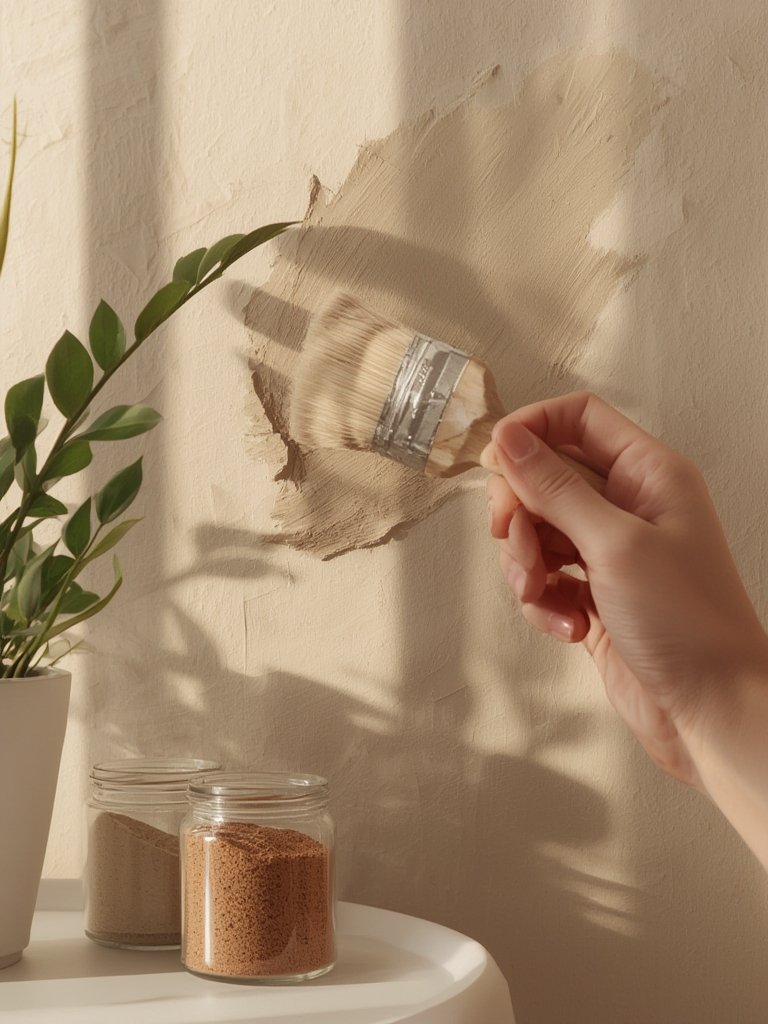
Apply Using Proper Tools.
Both roller and brush applications work for eco-friendly options (source). Use synthetic brushes and microfiber rollers designed for water-based paints.
-
Maximize Ventilation and Drying.
Open windows, run fans, and avoid painting in high humidity. Dry times are comparable to conventional paints, but keep the area ventilated for several hours after finishing.
-
Dispose Responsibly.
Follow local rules for paint disposal—never pour paint down the drain. Leftover eco-friendly paint may be less hazardous, but proper recycling is always best.
For smart home enthusiasts, integrating indoor air monitors or painting as part of a larger energy-efficiency project can deliver compounding benefits. We cover this overlap in our expert energy-saving guide and with smart device integration tips in this home improvement article.
Advanced Analysis & Common Pitfalls
While eco-friendly paints offer clear health and emission benefits, the shift isn’t always seamless. Here’s what market research and real-world feedback reveal about common issues:
| Issue | Eco-Friendly Paint Options | Conventional Paints |
|---|---|---|
| VOC Emissions | Low to zero | Medium to high |
| Upfront Cost | Higher | Lower |
| Odor | Minimal | Moderate to strong |
| Color Choice | Good, but sometimes limited | Extensive |
| Certifications | LEED, BREEAM, but not always Green Seal or GREENGUARD | Rarely certified |
| Durability | Similar to conventional in many cases | Often durable |
Common Pitfalls
- Underestimating Cost: Upfront prices for premium eco-friendly paints are higher. Budget accordingly—sometimes 20-40% more per gallon.
- Color & Finish Differences: Some lines have limited color ranges or less glossy finishes. Always test before committing.
- Performance Parity Issues: Although claims say drying and coverage match conventional paints (source), real durability may depend on surface prep and brand.
- Greenwashing: Not all eco-labels are equal. If certification is vague or missing, dig deeper—LEED and BREEAM are verified, but Green Seal and GREENGUARD are ideal.
- Lack of Consumer Education: Users may not realize the long-term health value. Factor in costs for better air quality and less exposure to toxins.
For more hands-on DIY tips—including prepping walls and choosing safe colors—our DIY wall decor guide offers step-by-step inspiration and lessons learned from real projects.
Conclusion
Eco-friendly paint options aren’t just a trend—they’re rapidly becoming the smart standard for healthier, more sustainable spaces. With the market size set to double, more verified paint lines, and growing regulatory support, making the switch is increasingly practical. Just be aware of higher upfront costs, always check certifications such as LEED and BREEAM, and invest some extra time in surface prep for lasting results.
Ready to tackle your next project with eco-friendly paint options? For more step-by-step advice and health-first design strategies, explore our full suite of guides and let your next remodel make a real impact—inside and out.
FAQs
Are eco-friendly paints more expensive than regular paints?
Yes, premium eco-friendly paints typically cost more per gallon than standard paints. However, these costs may be offset by improved indoor air quality and long-term health benefits.
Do eco-friendly paints perform as well as traditional paints?
Low VOC paints generally provide comparable drying times and coverage, but durability can vary between brands. Test a small area before full application for best results.
How can I verify if a paint is truly eco-friendly?
Look for certified labels such as LEED, BREEAM, or (ideally) Green Seal and GREENGUARD. Always read VOC ratings and ingredient disclosures. If information is missing, contact the manufacturer or choose another brand.
What are VOCs and why are they important?
VOCs, or volatile organic compounds, are chemicals that evaporate into the air and may cause respiratory, eye, or skin irritation. Reducing VOC exposure improves indoor air quality and supports healthier homes.
Can eco-friendly paints be used for both walls and furniture?
Yes. Most water-based low VOC paints are suitable for both walls and furniture, provided you select the correct finish and follow the surface preparation instructions.
—