

### Blog Post:
Energy-efficient upgrades are the fastest, most realistic way to cut utility bills, boost your home’s comfort, and future-proof its value in 2024. With new grants and smarter technologies, you don’t need bottomless pockets or a brand-new house to make meaningful savings or reduce your carbon footprint. Here’s how to approach energy-efficient upgrades, including solar panels, step by step—with all the latest stats, realities, incentives, and actionable advice.
Key Takeaways
- Energy-efficient upgrades can save the average Canadian household up to $386 per year, with even larger savings for homes switching to heat pumps.
- Government incentives, such as the (now closed) Canada Greener Homes Grant, still provide support for qualifying retrofits and can fund insulation, windows, or solar panels.
- Common pitfalls include unclear ROI timelines, hidden costs, and missed opportunities to layer smart home tech for maximum impact.
- What Are Energy-Efficient Upgrades and Why Should You Care?
- Step-by-Step Guide to Energy-Efficient Upgrades (2024)
- Advanced Analysis and Common Pitfalls
- Conclusion
- FAQ: Energy-Efficient Upgrades & Solar Improvements
What Are Energy-Efficient Upgrades and Why Should You Care?
Energy-efficient upgrades are targeted improvements designed to reduce your home’s energy use—think insulation, new windows, heat pumps, and especially solar panels. These upgrades matter now more than ever: utility rates are rising, the climate is changing, and homes with high efficiency are commanding top prices and outselling older, drafty competitors.
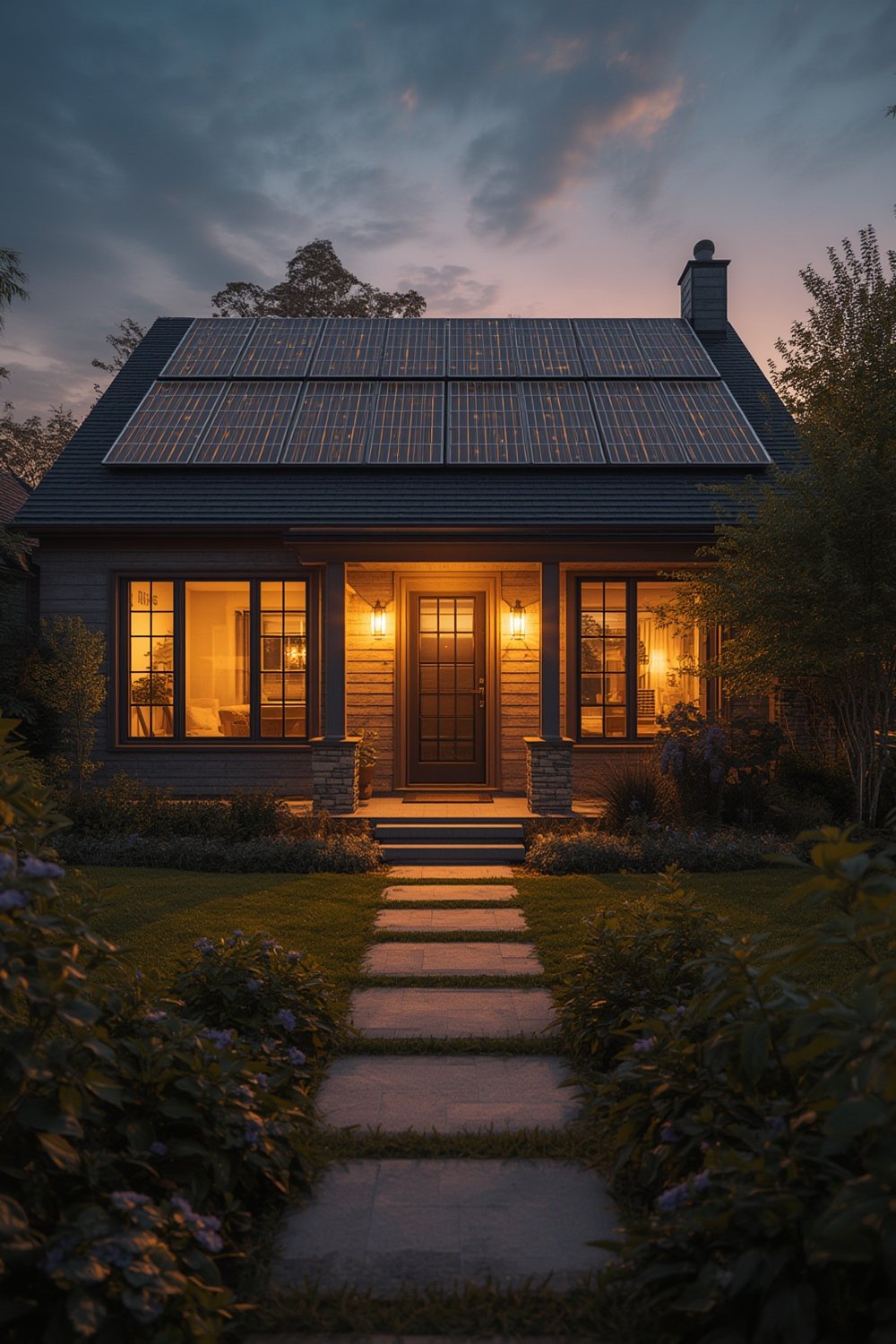
In 2024, the average Canadian Greener Homes Grant participant is saving around $386 a year on energy costs, according to Natural Resources Canada. Those who replaced oil heating with efficient heat pumps see typical savings above $1,300 per year, plus a big drop in greenhouse gas output.
The benefits aren’t just monthly savings. Efficient homes are more resilient to heatwaves and cold snaps, quieter, and healthier. Some retrofits—especially when combined with smart home automation—deliver not only energy savings but also boost property value and comfort.
Solar panel home improvements and related advances are seeing massive adoption in North America. In the U.S., a record 355,000 homes achieved HERS ratings in 2024 (a 13 percent increase over last year). That means builders and homeowners are realizing high-performance, energy-smart upgrades pay off, both at move-in and resale time.
Step-by-Step Guide to Energy-Efficient Upgrades (2024)
Here’s how to realistically approach energy-efficient upgrades—from quick wins to larger projects—for meaningful results in 2024.
-
Get a Home Energy Audit
Starting with a certified audit (EnerGuide in Canada/HERS in the U.S.) may cost a few hundred dollars, but it documents benchmarks, makes you eligible for grants or rebates, and tailors upgrade recommendations.
-
Insulation and Air Sealing
Upgrading attic, basement, or exterior wall insulation can cut heating/cooling bills by 10–40 percent. Modern air sealing addresses leaks around windows, doors, and outlets. These improvements are relatively low-disruption and offer reliable savings.
Internal tip: For a full breakdown of smart devices that complement these upgrades, check our proven guide to saving with smart energy devices.
-
Upgrade Windows and Doors
ENERGY STAR® certified windows and doors not only lower draft but can qualify for rebates. Additional gains come from triple-glazing and low-e coatings.
Learn more energy-saving tricks in our detailed smart home devices setup guide. -
Install High-Efficiency HVAC
High-performance heat pumps (air-source or ground-source), combined with right-sized HVAC (not oversized), deliver major ongoing savings—especially if you’re switching from electric baseboard or oil heating.
-
Solar Panel Installations
solar panels can offset a portion or even all of your electricity bill, depending on location and system size. While up-front investment is significant and ROI timelines vary, government incentives, improved panels, and creative financing cut payback periods in half compared to a decade ago.
For specific guidance on solar water heaters as a stepping-stone to full solar PV, see our solar water heater expert guide.
-
Layer in Smart Home Devices
Smart thermostats, lighting, and home automation systems reduce waste, even in older homes. These can be affordable DIY upgrades. Read more on practical home automation in this hands-on savings guide.
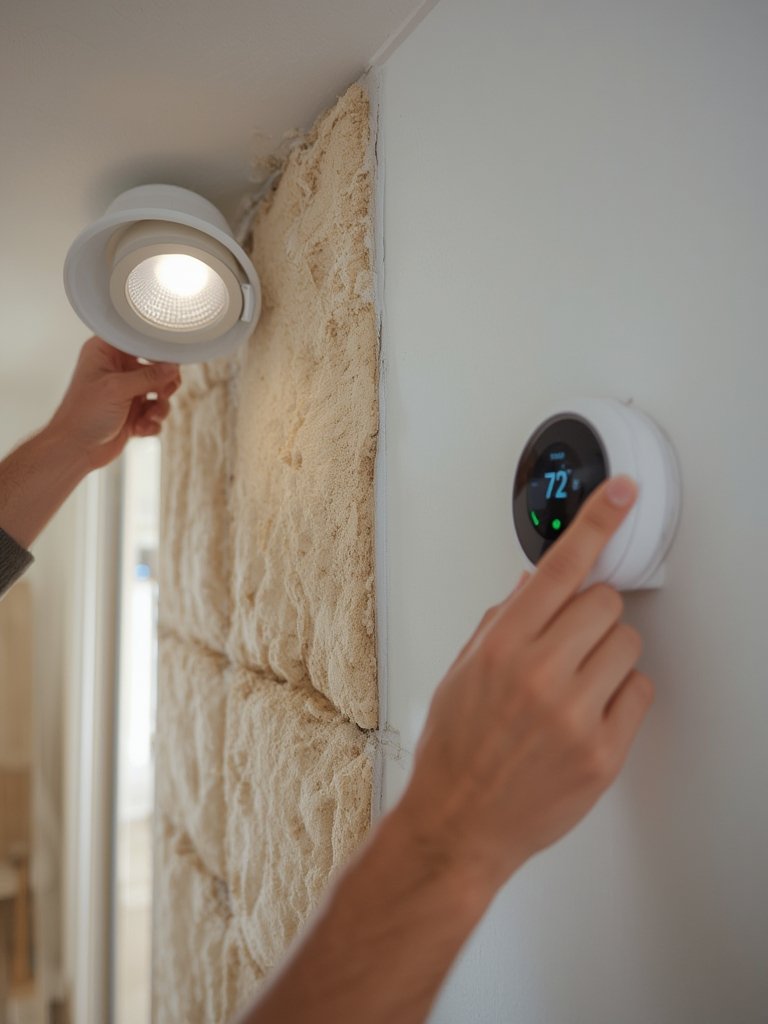
Before starting, list all available grants and rebates. For example, the Canada Greener Homes Grant delivered an average of $4,444 per household before closing applications in February 2024, and pre-closure applicants can still claim funding.
Looking to go room-by-room? Start in the attic or basement, areas notorious for energy loss. For bathroom upgrades with high ROI, examine options in our bathroom remodeling ROI breakdown.
Don’t forget recurring maintenance—filter changes, annual inspections, smart system updates—so savings are locked in year after year.
Advanced Analysis and Common Pitfalls
While the savings and comfort improvements are real, upgrading isn’t always smooth. Here’s what the 2024 research and real homeowner feedback show about challenges and risk factors.
Common Pitfalls in Energy-Efficient Upgrades
-
Lack of Clear ROI Timelines
Research shows detailed ROI data is often missing, especially for U.S. regions. This makes planning harder and can result in overspending or skewed expectations. Solar panel ROIs may range from seven to twelve years depending on location—but check local energy rates, net metering policies, and upfront costs. -
Upfront Expenses and Hidden Costs
Insulation, windows, and solar remain substantial investments. The average Canada Greener Homes Grant payout was $4,444, but final project costs often run higher due to unforeseen repairs, permitting, or supply chain delays (source). -
Missed Rebates and Stacked Incentives
Many homeowners miss out on stacking rebates (federal, provincial, local) simply by not knowing they exist or failing to follow up with the right paperwork. -
Disruption and Unexpected Hassles
Solar panel installations and deep weatherization projects can be disruptive and sometimes require electrical upgrades, new roofing, or extended wait periods for contractors. -
Routine Maintenance Overlooked
Even the best upgrades need ongoing checkups—solar panel cleaning, HVAC servicing, and battery checks for smart home systems. Skipping maintenance rapidly eats into savings.
| Upgrade Type | Avg. Annual Savings* | Typical Upfront Cost** | Key Risks | Rebate/Grant Availability |
|---|---|---|---|---|
| Insulation & Air Sealing | $200–$600 | $2,000–$6,000 | Hidden mold; under-insulation; missed leaky spots | High (Check local programs) |
| High-Efficiency Windows | $100–$400 | $8,000–$15,000 (whole house) | Improper sizing; low-quality install | Medium (Often capped per window/door) |
| Heat Pump HVAC | $800–$1,300 | $15,000–$25,000 | Sizing errors; ductwork issues | High (OHPA/CGHG if pre-2024-gate) |
| Solar Panels | $700–$1,500 (est.) | $18,000–$30,000 | Roof upgrades; grid approvals; snow shading | Medium (Varies; now limited) |
| Smart Home Devices | $50–$250 | $200–$2,000 | Wi-Fi range; compatibility issues; firmware bugs | Low–Medium (Some utilities offer rebates) |
*Savings based on 2024 data and national averages. **Upfront costs will depend on house size, region, and market demand.
For more energy-saving strategies and ROI ideas across your whole property, read our advice on maximizing energy-efficient upgrades for savings.

Conclusion
Energy-efficient upgrades deliver real, lasting benefits—lower utility bills, greater comfort, and stronger resale odds—even if the upfront costs can be daunting and not all rebates are accessible for every project. Whether you start small with insulation or go big by adding solar panels, stacking energy-efficient upgrades pays off the most when paired with smart planning and maintenance.
Want a home that saves you money month after month? Start your energy audit and plan your next energy-efficient upgrades today. Already thinking about combining smart devices or solar? Explore more proven strategies in our smart home improvements guide and take control of your home’s future.
Ready to make your home the most efficient on the block? Review our latest solar ROI guide or explore room-specific improvements in bathroom upgrades for maximum ROI.
FAQ: Energy-Efficient Upgrades & Solar Improvements
How much can I actually save with energy-efficient upgrades?
Average households report annual savings of $386. Those switching from oil to heat pumps may save up to $1,337 per year. Your real savings depend on your starting energy use, local rates, and how many upgrades you complete. See latest government data.
Are government grants or rebates still available for upgrades?
The Canada Greener Homes Grant closed new applications in February 2024, but existing applicants or some provincial programs are still active. Check with local utilities, provinces, or your energy auditor for up-to-date offers.
Do solar panels increase home value?
While the latest specific 2024 resale data is limited, research over the last decade shows that solar and high-performance upgrades can boost resale appeal and value—especially in markets prioritizing green features.
What’s the payback time for solar panels?
ROI timelines vary based on your regional energy rates, sun exposure, incentives, and up-front costs, but are typically in the seven to twelve year range. Exact figures for 2024 will depend on your location and system specifics.
What pitfalls should I avoid with energy-efficient upgrades?
Watch for hidden costs, missed rebates, and contractor quality issues. Always start with a professional audit, plan for some disruption during installation, and remember that ongoing maintenance is crucial for securing savings over time.