

Energy-efficient upgrades can dramatically lower utility bills, increase home value, and unlock powerful government incentives—if you know how to maximize the benefits and avoid the traps. Here’s how homeowners can capitalize on the latest data and sidestep common mistakes in 2024.
Key Takeaways
- solar panels offer 10% average ROI with payback periods between 6–13 years, often boosting home value by nearly $30,000.
- Choosing the right financing and incentives can cut 25% or more off your upfront costs, but regional programs require research.
- Overlooked details—like certifications and technical integration—can make or break your energy-efficient upgrade experience.
- What Are Energy-Efficient Upgrades? (And Why Do They Matter?)
- Step-by-Step Guide: How to Plan and Install Energy-Efficient Upgrades
- Advanced Analysis & Common Pitfalls in Energy-Efficient Upgrades
- Conclusion
- Frequently Asked Questions
What Are Energy-Efficient Upgrades? (And Why Do They Matter?)
Energy-efficient upgrades refer to improvements—like solar panels, advanced insulation, heat pumps, or smart home tech—that lower your home’s energy usage, shrink monthly bills, and can even raise your property value. The most popular option in 2024 is rooftop solar, which delivers a typical U.S. household an annual savings of up to $1,500 and boosts resale value by nearly 7%. (source)
Interest in these upgrades is booming: U.S. solar installations broke records in 2024, reaching almost 50 GW of new capacity (up 21% from 2023), while solar now delivers more than 7% of all U.S. electricity. As incentives and technology keep improving, homeowners have more ways than ever to slash bills and make their homes stand out when selling. But not all upgrades—and not all installers—are equal. Real savings depend on the choices you make, the region you live in, and your ability to avoid common mistakes.

Step-by-Step Guide: How to Plan and Install Energy-Efficient Upgrades
-
Assess Your Home’s Needs and Energy Usage
Begin with a professional energy audit (or DIY), which identifies your biggest sources of waste. Prioritize upgrades—solar, insulation, HVAC, or efficient appliances—based on payback time and impact. -
Research Incentives and Financing Programs
Don’t leave free money on the table. U.S. homeowners may qualify for the federal solar tax credit, state/local rebates, and net metering. Programs can reduce costs by 25% or more, but vary widely by region (source). Compare financing—cash, loans, leasing, or PPAs—for the best ROI. -
Vet Equipment and Installers
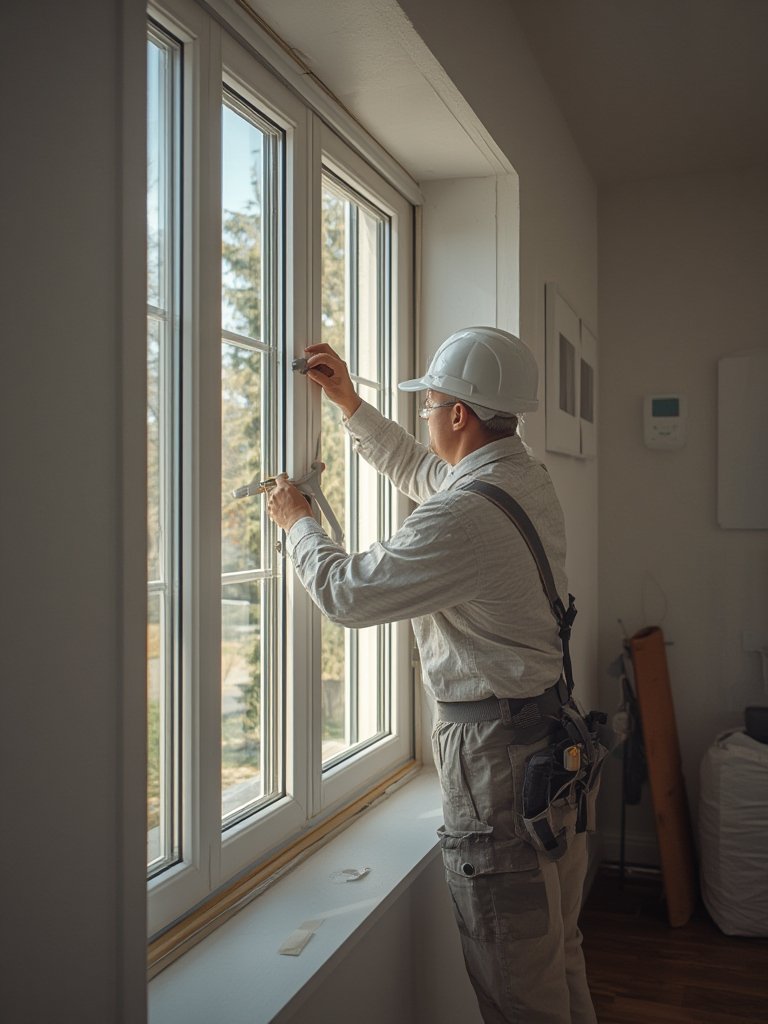
Check for certifications (like NABCEP for installers, UL-listed panels and inverters), solid warranty terms (20+ years for panels, 10+ for inverters), and positive third-party reviews. Cheap labor may save upfront but can cost $1,000s in missed savings or repairs long term. -
Plan for Integration and Future Expansion
Look for solutions that allow upgrades down the road—such as add-on battery storage, EV chargers, or smart home integration (smart home upgrade guide). Bundling upgrades can unlock additional rebates, lower installation fees, and improve overall system efficiency. -
Install, Monitor, and Maintain
Review all contracts before signing. Ensure permits are in place and that installers follow manufacturer specs exactly. After installation, use monitoring apps to track performance and troubleshoot. Schedule annual or biannual maintenance to keep systems working at peak efficiency.
For more in-depth tactics—and smart pitfalls to avoid—consider these expert guides:
- Energy-Efficient Upgrades: Maximize Savings & Solar ROI
- Best Energy-Efficient Upgrades for 2024
- Solar Water Heaters: Save Money in 2024
- Smart Home Upgrades for Integration
- Proven Guide to Home Energy Savings
Advanced Analysis & Common Pitfalls in Energy-Efficient Upgrades
Even the best intentioned energy-efficient upgrades can disappoint if you skip critical steps or misunderstand what drives ROI. Here’s what the latest research (and real homeowner stories) reveal:
- Overestimating Savings: Not all homes see the advertised reductions. Savings depend on location, utility rate structures, equipment size, and usage patterns. Some owners are disappointed when their payback windows stretch several years longer than projected.
- Inadequate Incentive Research: Many homeowners miss out on state/local rebates, extra tax credits, or specialty programs. Programs can change yearly (or disappear), so double-check eligibility and deadlines before signing contracts.
- Underpowered Equipment: Choosing lower-cost, undersized, or unverified systems often leads to lower-than-promised output, higher maintenance costs, or incompatibility with newer tech (like home batteries or smart grid integration).
- Poor Installation & Compliance: Uncertified installers may cut corners or neglect local code requirements. This can void warranties, risk insurance coverage, or cause costly failures.
- Ignoring Ongoing Maintenance: Solar panels generally require little upkeep, but inverter failure, soiling, or wildlife interference can reduce output if left unchecked.
| Upgrade Option | Avg. Upfront Cost (US) | Payback Period | Typical Bill Reduction | Main Risks |
|---|---|---|---|---|
| Solar Panels | $19,000 | 6–13 years | $1,500/year | Oversized projections, installer errors |
| Advanced Insulation | $2,000–$8,000 | 5–9 years (typical) | 10–30% | Missed air leaks, improper install |
| Smart Thermostats | $150–$400 | 1–2 years | 8–13% | Lack of smart home integration |
| Heat Pump HVAC | $6,000–$14,000 | 5–10 years | 20–40% | Installation errors, climate mismatch |
Want more upgrade comparisons? Visit our 2024 guide to energy-efficient upgrades.
For smart tech integration, read our Smart Home Improvement Ideas guide.

Conclusion
Energy-efficient upgrades deliver savings, comfort, and resale value—with solar panels often leading the way in ROI. But to fully benefit, you must research incentives, choose certified installers, and plan for seamless integration. If you’re ready for the real savings, dig into our proven resources and make your energy-efficient upgrades count for decades to come.
Ready to slash your bills? Start your upgrade plan today—and don’t hesitate to consult a local expert for a custom roadmap.
Frequently Asked Questions
How much do energy-efficient upgrades usually cost?
It depends on the upgrade. For solar panels, $19,000 is the typical U.S. average before incentives. Insulation, smart thermostats, and heat pumps cost less upfront and may have faster payback if your home wastes a lot of energy.
How long does it take to break even on solar panels?
Most homeowners see payback in 6–13 years, depending on location, energy rates, and incentives available. Regions with high utility rates and strong rebates see the quickest returns.
Are there risks to installing energy-efficient upgrades?
Yes. Risks include overestimating savings, missing incentives, picking underqualified installers, or failing to maintain equipment. Always verify credentials and review warranties before you buy.
Can upgrades like solar increase my home’s value?
Yes. Studies show homes with solar sell for almost 7% more—about $29,000 on a median-priced house. But results depend on quality installation and current market trends.
Where do I find rebates and incentives in my area?
Start with your state’s energy office, city government, or local utility. National guides and professional installers can help—but always confirm any incentive is current before committing.