

### Blog Post:
Energy-efficient upgrades are among the most effective ways to cut your home’s utility bills and future-proof your property in 2024. With skyrocketing energy costs, rising climate concerns, and new incentives, adopting the right upgrades—especially solar panel home improvements—can deliver serious savings. But how much do you actually save, what steps work best, and what pitfalls should you watch for? This guide brings you up-to-date research and a totally realistic view of what to expect before you invest.
Key Takeaways
- Solar panel home improvements let typical U.S. homeowners save up to $1,500 per year—sometimes even more in high-cost electricity states like Hawaii or Connecticut.
- Upfront costs for major energy-efficient upgrades are falling, with a median 2024 solar system at $2.50/W before incentives and payback timelines as short as 6 years.
- Careful planning is key—hidden costs and integration issues can erode returns if you skip pre-install steps or mix upgrades without research.
- What Are Energy-Efficient Upgrades and Why Invest?
- Practical Steps: How to Maximize Your Energy-Efficient Upgrade ROI
- Advanced Analysis & Common Pitfalls to Avoid
- Conclusion
- FAQ
What Are Energy-Efficient Upgrades and Why Invest?
Energy-efficient upgrades include improvements like insulation, smart home technology, and especially solar panel installations. These solutions aim to reduce wasted energy, improve comfort, and lower your monthly utility bills. With average U.S. households saving around $1,500 each year by adding solar (and even more in certain states), the potential financial and environmental upside is significant.

The primary reason to take action now is clear: energy costs continue to climb, yet the price of efficient tech and solar systems is dropping. Combined with new government incentives, there’s never been a better time to consider upgrading. Whether you’re adding a smart thermostat or lighting or committing to a full solar panel system, you’re investing in lower bills, property value, and sustainability.
Outside of solar, smart home upgrades—from smart lighting and thermostats to efficient appliances—can further boost efficiency, value, and comfort. Explore these integrated ideas in our guide to maximizing savings with energy-efficient upgrades.
Practical Steps: How to Maximize Your Energy-Efficient Upgrade ROI
-
Audit Your Home’s Energy Use
Start with a home energy audit to pinpoint where you lose energy. Many power companies offer free or discounted audits, or you can use smart home monitoring systems.
-
Prioritize High-Impact Upgrades
Tackle quick wins first—like LED conversion, weatherstripping, or updating thermostats—before considering bigger projects. Then evaluate if solar, new insulation, or HVAC upgrades make sense for your home and climate.
-
Research Solar Options Thoroughly
Compare solar panel sizes (5-11.5 kW systems are common) and talk to multiple installers for quotes. Factor in your location, roof space, shade, and future energy needs, including electric vehicles.
-
Calculate True Costs & Incentives
A median 11.5 kW solar system in 2024 costs about $28,750 before tax credits. Apply the 30% federal credit, plus any state rebates (source). Watch for utility fees, connection charges, or inverter battery maintenance costs.
-
Integrate Smart Home Tech for Maximum Savings
Combining solar with smart home devices like programmable thermostats and energy monitoring boosts efficiency. Learn more smart home tips in our energy-efficient upgrades guide.
-
Plan Installation Logistics Carefully
Verify your home’s roof condition, electrical system, and local permitting before scheduling a solar install. Ask about warranty, post-install support, and long-term monitoring.
-
Track ROI and Adjust As Needed
Review your energy bills after installation, monitor actual solar output, and adjust energy habits for maximum savings. Be patient—most solar investments pay off in 6-12 years, then deliver free energy for decades.
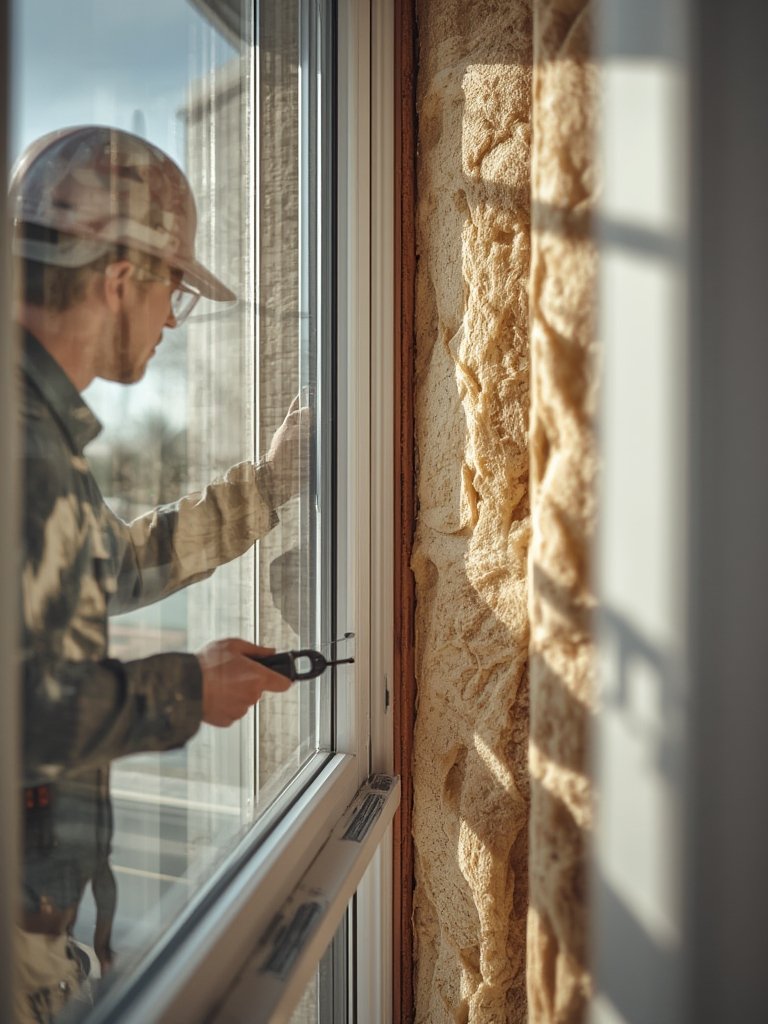
If you want to go beyond solar, combining multiple upgrades (like solar, insulation, and smart appliances) can supercharge your savings—but you must plan them in the right sequence to avoid integration headaches later. Also, check out actionable setup tips and common pitfalls in our Ultimate Smart Home Improvement Ideas guide.
For further inspiration on cost-effective automation, explore Smart Home Devices: 7 Best Ways To Future-Proof Your Home.
Advanced Analysis & Common Pitfalls to Avoid
Even the best-planned project can hit snags. Here’s what data and real-world experience say about the risks of energy-efficient upgrades in 2024:
- Inaccurate Payback Expectations: Projected savings assume optimal weather, sun, and usage—yet real bills depend on your unique lifestyle and climate.
- Unplanned Costs: Even with solar prices dropping (source), hidden costs like roof repairs, electrical panel upgrades, monitoring subscriptions, and inverter replacements aren’t always disclosed upfront.
- Integration Headaches: Combining upgrades (solar with smart home tech or enhanced insulation) can complicate installation, especially if you don’t coordinate with a single contractor.
- Permitting or Incentive Delays: Some regions take weeks (or longer) to approve solar permits or process rebates. If the federal 30% credit sunsets after 2025 as indicated, ROI changes significantly (source).
- Lack of Real-World Problem Data: Verified user complaints about ongoing maintenance, solar panel degradation, or integration problems remain scarce in public research—making it critical to demand strong warranties and post-install support (source).
| Region/States | Key Factors Affecting Payback | 2024 Median Price/Watt | Average Monthly Savings |
|---|---|---|---|
| Arizona | Abundant sunshine, low electricity rates | < $2/W source | $100–$130 |
| Hawaii | Very high electricity rates | Above avg | $177.78 source |
| California | Aggressive pricing, high rates, incentives (with Net Billing impact) | Low | $120–$150 |
| MA, NY, CT | High rates, state incentives (SRECs/rebates) | Higher than avg | $133–$156 |
To avoid costly mistakes, always clarify warranty coverage (including inverter swap-outs after years), ask about panel degradation rates, and demand references for your installer. Check out regional energy savings and incentive differences in detail inside our Solar ROI Proven Guide.
Interested in advanced comfort and efficiency? See how underfloor heating systems fit with solar and other upgrades for all-season performance.

Conclusion
Done right, energy-efficient upgrades—especially solar panel home improvements—deliver major savings, higher property value, and a greener footprint in 2024. While median costs for solar systems have dropped to $2.50/W, actual financial returns hinge on your home, usage, and local incentives. The energy-efficient upgrades you choose—and the steps you follow to plan, install, and integrate them—will determine your long-term ROI.
Ready to take action? Start with an energy audit, then evaluate which upgrades fit your needs and budget. For hands-on guides to optimizing comfort, savings, and security, don’t miss our expert resources on smart home improvement ideas and energy-saving tech. Invest wisely, ask hard questions, and watch your energy bills drop.
FAQ
How much can I realistically save each year with solar panels in 2024?
Most U.S. homeowners save about $1,500 annually after installing solar panels, though savings vary with local rates and usage. States like Hawaii and Connecticut often see even higher reductions, sometimes over $175 per month (source).
What are the most common hidden costs or surprise fees with energy-efficient upgrades?
Hidden costs for solar can include inverter replacements (typically every 10–15 years), roof repairs, permitting, utility connection fees, or unanticipated labor charges. Always demand a full price list before signing (source).
Will the 30% federal solar tax credit still apply if I install in 2025?
As of 2024, the 30% tax credit is slated to expire after 2025 unless Congress extends it. Installing sooner secures the incentive and shortens your payback period (source).
Can I mix solar panels with smart home devices and insulation upgrades?
Yes, but coordinate installation to avoid integration issues. For optimal ROI and efficiency, review your utility’s grid-connection guidelines and confirm compatibility with your chosen smart devices and insulation materials.
How can I avoid contractor or installer problems with energy-efficient upgrades?
Get references, read warranties in detail, double-check their licensing, and ask about post-install maintenance. It also helps to get at least three quotes and ask for a full breakdown of each cost and process step.
—