

### Blog Post:
Large scale renovation planning is the difference between a successful remodel and a financial headache. If you want your addition, kitchen overhaul, or full-house update to go smoothly, you need a real plan built on facts, not guesses. Let’s break down exactly what to expect, the biggest challenges, and how to take control of your project—with 2024’s latest numbers, red flags, and pro strategies.
Key Takeaways
- The average US homeowner spends $24,000 on renovations, with large projects often surpassing $80,000—and nearly 40% exceed their planned budget.
- Most delays and hidden costs come from poor planning, upgrades to costlier materials, and local permit or regulatory issues.
- Meticulous planning, budgeting for contingencies, and proactive research into local rules are the best ways to avoid costly surprises during your large scale renovation.
- What Is Large Scale Renovation Planning and Why Does It Matter?
- Step-by-Step Guide: How to Master Large Scale Renovation Planning
- Advanced Analysis & Common Pitfalls in Large Scale Renovations
- Conclusion
- FAQ
What Is Large Scale Renovation Planning and Why Does It Matter?
Large scale renovation planning means preparing for a home project that affects multiple rooms or adds significant new square footage. This goes far beyond a simple bathroom refresh—it’s for kitchen overhauls, home additions, or “gut and remodel” scenarios. Effective planning safeguards your budget, ensures code compliance, and minimizes the risk of unpleasant surprises as rooms are torn apart and rebuilt. Without it, homeowners often face cost overruns, construction delays, or even legal headaches.
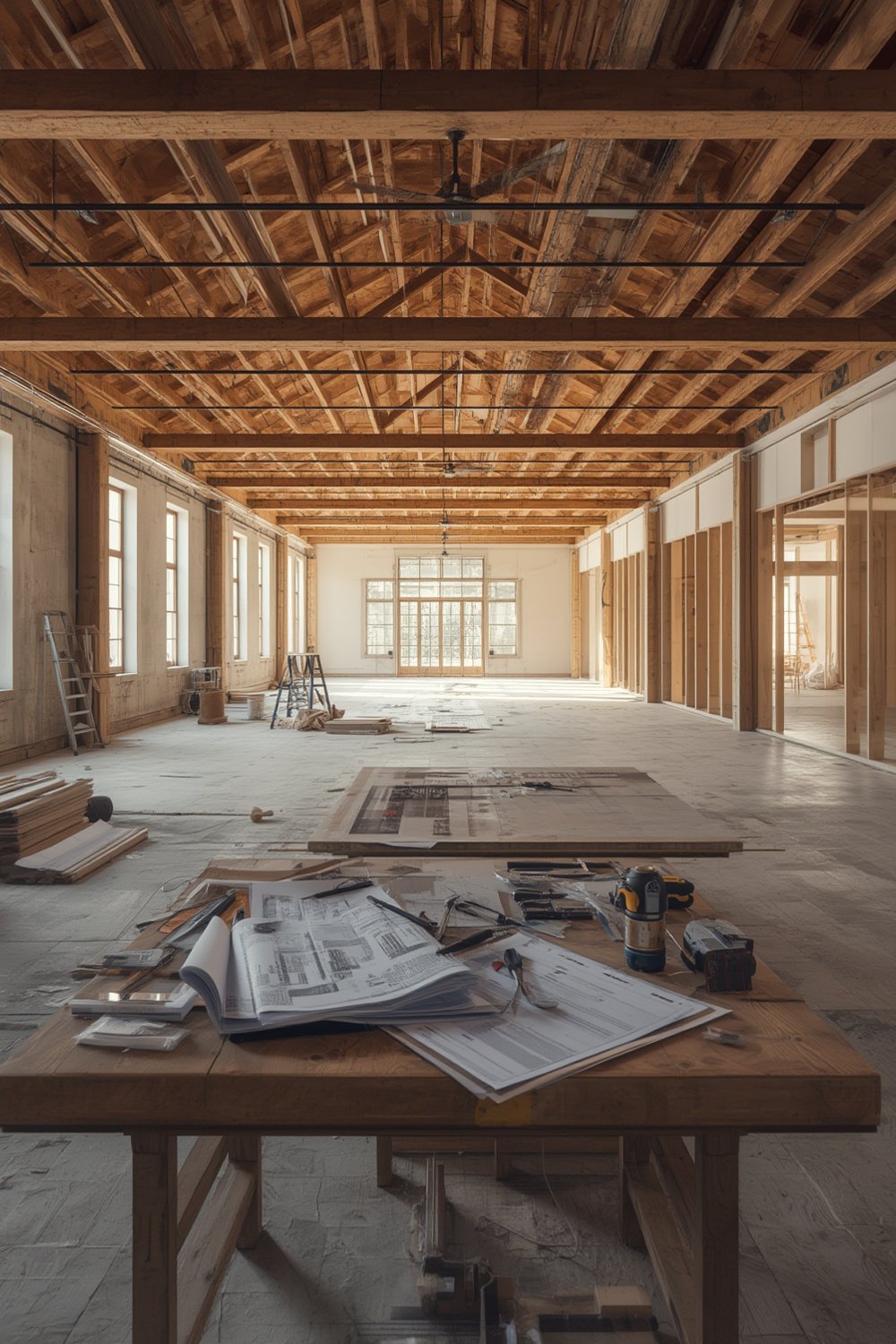
Recent data reveals that in 2023, US homeowners spent a median of $24,000 on renovations—a dramatic 60% rise since 2020. For the top 10% tackling large projects, planned budgets approached $80,000; some spent upwards of $150,000. Kitchens and bathrooms remain the most popular targets, but as many as 40% of homeowners overshot their budgets due to costlier materials, unexpected project hurdles, and scope creep[Source].
Thorough planning means mapping out your project in phases—defining scope, interviewing pros, understanding cash flow, and learning your area’s building code landscape. Living through a major remodel is disruptive, expensive, and time-consuming, but a robust plan makes the journey predictable and far less stressful.
Step-by-Step Guide: How to Master Large Scale Renovation Planning
Here’s how to take control of your major renovation or addition—avoiding the classic mistakes that plague most homeowners.
- Define Your Real Scope
List every room and space involved. Will you move walls, add a story, or change the home’s footprint? The more detailed your scope, the fewer cost-altering surprises later. - Set a Detailed, Flexible Budget
Build your budget backward. Start with your absolute spending ceiling, not just wishful thinking. Include a 15-20% contingency as nearly half of homeowners exceed initial quotes[Source]. Kitchen overhauls now average $24,000 and bathrooms $15,000, but full-home and addition projects commonly reach $80,000 or more. - Research Local Code and Permit Requirements
Contact your city or county building department before hiring anyone. Zoning, permitting, and code requirements can add months (and thousands in fees) if not managed upfront. Some areas, especially urban or coastal regions, have unique restrictions—a point explored further in our comparison below.For further guidance on regulatory hurdles, you may want to read about avoiding legal pitfalls in large renovations.
- Interview and Vet Multiple Professionals
Over 90% of major projects involve hiring professionals, whether contractors, specialty providers, or design pros[Source]. Ask about their experience with similar projects, get portfolio pictures, check licensing, and insist on itemized, written contracts. Need a sense of which design features bring the most value? Explore our bathroom ROI guide or kitchen trends post. - Break the Project Into Phases
No matter the size, sequence your renovation into distinct, manageable phases. This reduces disruption, allows for milestone inspections and payments, and gives you time to adapt if issues or cost changes arise. - Get Bids and Line-Item Quotes
Always get at least three written bids for your project. Ask for line-item pricing and labor/material breakdowns so you can spot hidden charges. Review and negotiate change order policies before you sign. - Plan for Living Arrangements
Will you stay in the home during construction? Factor in costs and logistics for temporary moves, storage, and security. This is especially relevant for disruptive projects like additions or complete kitchen overhauls. Curious about upgrades that won’t break your routine? See our tips on upgrading with smart home solutions during a remodel. - Monitor Progress and Adjust
Regularly inspect work, compare against original bids, and be ready to adapt. If your contractor resists transparency, consider a professional project manager or a trusted advisor.

During your planning, take the time to explore cost-saving opportunities. For example, modular furniture can minimize moving costs during a remodel—see our full modular furniture guide for ideas. Also, adding energy-efficient features such as radiant floor heating pays off in long-term savings; find practical tips on our underfloor heating guide.
Advanced Analysis & Common Pitfalls in Large Scale Renovations
Most large scale renovations suffer from challenges that experienced pros see coming—but many homeowners don’t. Here’s a breakdown of realistic risks and how to plan for them.
| Risk Area | Details | How Homeowners Can Prevent/Reduce It |
|---|---|---|
| Budget Overruns | 40% of projects exceed initial budgets, usually from scope changes, opt-in upgrades, and undisclosed contractor fees. | Budget a 15-20% contingency and get explicit details in all quotes and contracts. |
| Permit & Zoning Delays | Every city and county has unique processes. Urban and coastal regions (like CA or NY) can add weeks or months to timelines. 2024 data shows stricter code enforcement in cities, plus added requirements in weather-impacted areas. |
Start permit research before design finalization and ask your contractor how they handle approval bottlenecks. |
| Hidden/Unexpected Costs | Costlier material selections, project complications (rot, structural surprises), and scope creep impact nearly half of all homeowners. | Demand clear disclosure on “extras,” allow for unknowns, and resist mid-project upgrade temptations unless pre-vetted. |
| Poor Communication with Pros | 9/10 people hire pros but confusion about roles (designer, GC, specialty provider) delays projects and increases costs. | Hold a kickoff meeting with all stakeholders, clarify communication channels, and require regular progress reports. |
| Living Disruption | Longer-than-expected planning and construction phases disrupt your life. Planning often takes twice as long as building itself. | Map out living arrangements ahead of time—consider phasing or temporary moves if remodeling the kitchen, baths, or HVAC. |
In addition, many homeowners regret not using smarter technology or project management tools. While specific 2024 recommendations are sparse, platforms for design visualizations, contractor vetting, and progress tracking can minimize confusion and reduce costly mistakes. Curious about maximizing space and function? Explore our collection of storage solution guides for actionable ideas.
Another common pain point: not preparing for energy upgrades or eco-friendly improvements during renovation. Done right, additions or large remodels are the perfect opportunity to future-proof your home for energy savings. For proven ROI, see our practical guide on energy-efficient upgrades.

Conclusion
Taking the guesswork out of large scale renovation planning is the fastest way to save money and headaches. The smartest homeowners treat planning as an investment—building in contingencies, researching local requirements upfront, and holding their pros accountable. Don’t assume your project will go “just like the shows.” Instead, expect setbacks and stay proactive. In 2024, higher costs, stricter codes, and more complicated supply chains mean you must be better prepared than ever.
Whatever your vision, smart large scale renovation planning lets you control costs, reduce stress, and protect your investment. Ready to start planning? Download our checklist—or contact a vetted local pro—to ensure your major remodel adds the value and comfort you deserve.
FAQ
How far in advance should I start planning a large scale renovation?
Ideally, begin planning 6-12 months before your expected start date. Permit research, design, and professional vetting often take at least twice as long as the actual construction phase.
How much contingency should I add to my renovation budget?
Add at least 15-20% to your calculated project budget to cover surprises, material upgrades, and scope changes. Nearly 40% of homeowners exceed their initial estimates—even with detailed plans.
What types of renovations have the highest return on investment?
Kitchens and bathrooms have the highest median spends and often the highest ROI. However, additions and major overhauls have variable returns based on local markets and build quality. For ROI tips, see our bathroom remodeling guide or proven ROI strategies for large renovations.
What’s the most common cause of delays during a large renovation?
Permit and zoning issues cause the majority of unexpected slowdowns, especially in urban or coastal cities with strict codes. Always research local regulations first.
Should I stay at home during a full-scale renovation or addition?
If your project disrupts kitchens, bathrooms, or HVAC for weeks, consider temporary housing. The disruption, safety risks, and dust often make living on-site impractical for major work.