

Luxury vinyl plank flooring is quickly becoming the top flooring choice for homeowners and property managers who value durability, style, and budget-friendly options. If you’re considering a flooring upgrade, understanding what sets LVP apart—and potential pitfalls—will help you make a smart investment.
Key Takeaways
- Luxury vinyl plank flooring now dominates the vinyl category, capturing more than 64% of the global vinyl flooring market due to its resilient, water-resistant surface and authentic wood look.
- LVP earns high marks for performance in high-traffic and moisture-prone environments but can present pitfalls if installed poorly or if technical specifications are misunderstood.
- Preparation, product selection, and careful step-by-step installation are critical for maximizing the lifespan and appearance of your new LVP floor.
- What Is Luxury Vinyl Plank Flooring and Why Is It So Popular?
- Step-by-Step Guide: How to Achieve the Best Results From LVP Flooring Installation
- Advanced Analysis & Common Pitfalls
- Conclusion
- Frequently Asked Questions
What Is Luxury Vinyl Plank Flooring and Why Is It So Popular?
Luxury vinyl plank flooring (LVP) is an engineered flooring material designed to mimic natural hardwood planks while providing a more durable, water-resistant, and budget-friendly alternative. Unlike traditional vinyl sheets or tiles, LVP comes in plank form, usually featuring click-lock or glue-down installation, a tough wear layer, stunning textures, and lifelike patterns.
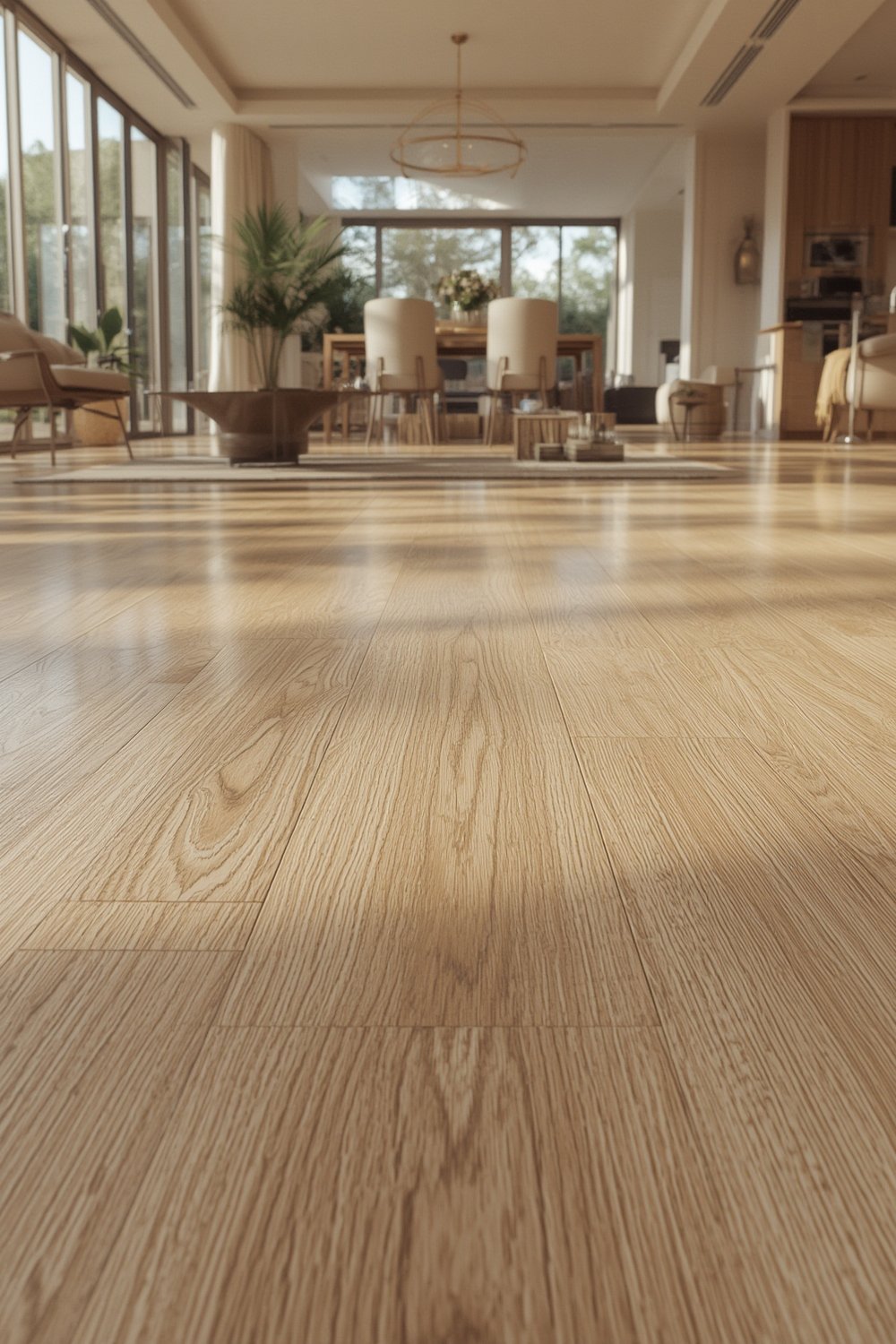
According to industry analysis, luxury vinyl tile and plank products now hold more than 64% share of the global vinyl flooring market, worth nearly $26 billion in 2024. This growth is fueled by rising renovation activity, demand for moisture-proof options, and the realistic appearance of LVP compared to wood or porcelain.
LVP is especially valued in both homes and commercial spaces facing heavy foot traffic or frequent moisture, such as kitchens, bathrooms, and entryways. As a result, luxury vinyl plank is rapidly replacing solid wood and engineered wood floors in many remodel projects—often seen as a “best of both worlds” solution for style and function.
If you want more inspiration for transformative flooring or whole-home upgrades, check out our expert guide to large scale renovation planning for tips on maximizing ROI and avoiding costly surprises.
Step-by-Step Guide: How to Achieve the Best Results From LVP Flooring Installation
Proper planning, preparation, and attention to detail can make the difference between a flawless LVP floor and an expensive do-over. Here’s a realistic breakdown of the process—even if you plan to hire an installer, understanding these steps lets you ask the right questions and spot red flags early.
- Assess the Subfloor. LVP requires a clean, flat, dry subfloor (concrete, plywood, or even certain existing floors). Remove debris and check for moisture especially in basements and bathrooms.
- Correct Any Imperfections. Fill cracks, sand bumps, repair loose boards, and use an appropriate underlayment if needed. Skipping this step can cause planks to shift or make noise.
- Acclimate the Planks. Let the unopened boxes of LVP adjust to room temperature and humidity—don’t skip this, or you may end up with gaps or buckled boards.
- Mark Your Starting Line. Use a chalk line to ensure your first row is perfectly straight; this sets the standard for the entire installation.
- Stagger the Joints. For a natural look and stability, offset the joints from one row to the next by at least 6 inches.
- Install the Planks. Depending on the product, click-lock planks connect seamlessly, while glue-down styles may require spreading adhesive. Follow the manufacturer’s spacing and expansion guidelines carefully.
- Finish the Edges. Install matching transition strips and baseboards, making sure to leave the recommended expansion gap at the wall.
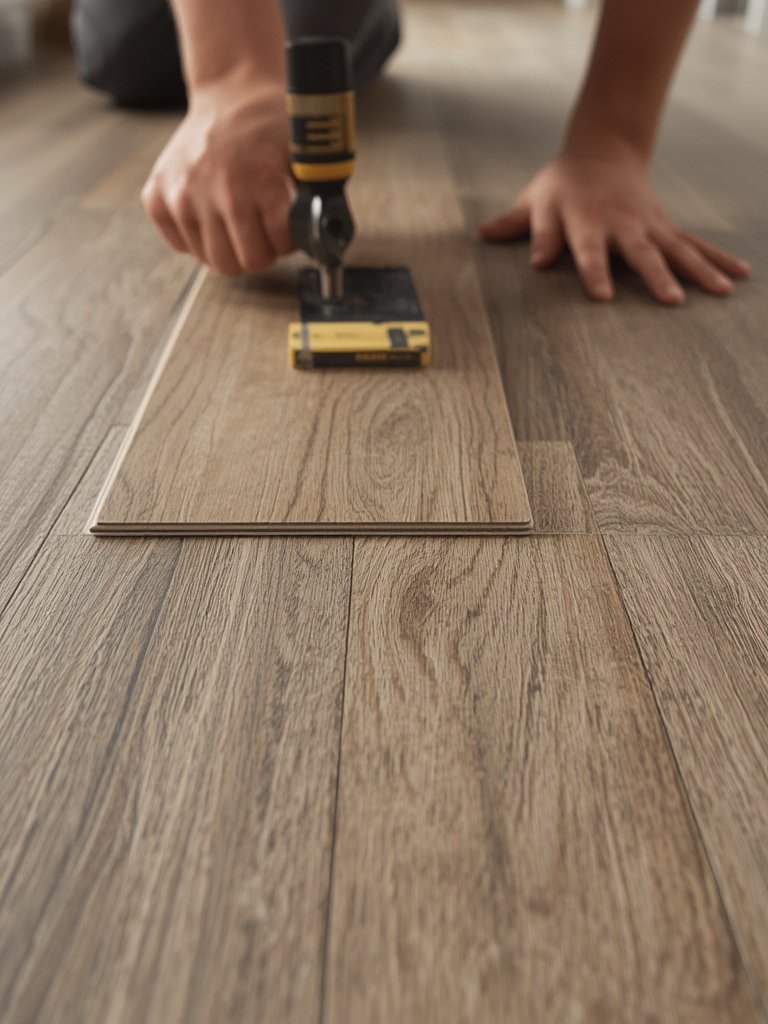
For a more visual, in-depth walkthrough, don’t miss our step-by-step LVP flooring installation guide, offering expert advice to avoid costly pitfalls and lock in professional results.
If you’re upgrading other areas of your home, you might also like our proven tips for organizing your space with custom closet systems or planning an ROI-boosting spa bathroom remodel.
Advanced Analysis & Common Pitfalls
It’s easy to assume every LVP product performs the same, but your real-world results will depend on the technical details and the quality of your installation. Here’s a breakdown of the issues that matter most:
| Aspect | What to Ask or Check | Potential Pitfalls |
|---|---|---|
| Wear Layer Thickness | Is the wear layer at least 12-20 mils for residential, or 20+ mils for commercial? | Thin wear layers scratch more easily and reduce lifespan. |
| Waterproof Rating | Does the planking guarantee full waterproofing or just water resistance? | Partial water resistance may not provide enough protection in bathrooms/basements. |
| Warranty Terms | How long does the manufacturer warranty last? What’s included/excluded? | Poor warranties can leave you with no recourse if planks peel, bubble, or fade. |
| Subfloor Prep | Did you verify absolutely flat and clean subfloor conditions? | Poor prep leads to noise, uneven spots, or premature floor failure. |
| Climate Acclimation | Did you let planks adjust in the room for 48+ hours? | Skipping this step increases risk of buckling, gapping, and shifting planks. |
In commercial settings, LVP outpaces sheet vinyl for both traffic durability and ease of repair, according to Precedence Research. Its waterproof construction is also a deciding factor for high-moisture rooms—ensuring long-term structural stability. See IMARC Group’s latest market outlook for data behind these trends.
Keep in mind, the U.S. market has seen vinyl flooring prove resilient compared to wood: vinyl sales declined only 2.3% in 2024, while wood flooring tumbled 9%, per industry reporting. This reflects LVP’s ability to hold up under increasing consumer and commercial demands.
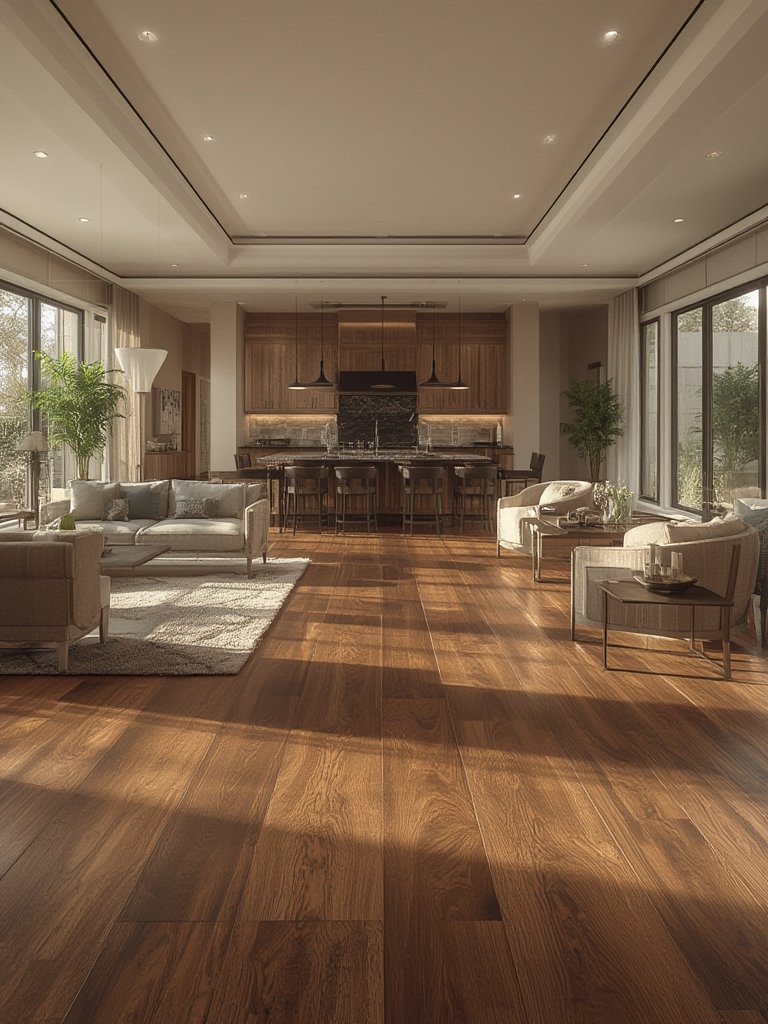
Installation mistakes—from skipping underlayment to ignoring manufacturer expansion guidelines—create the most common problems like peaking seams, noisy planks, and stubborn gaps. That’s why a detailed, stepwise approach always pays dividends.
Pairing your LVP update with energy-efficient home improvements not only refreshes your living environment but can increase property value and reduce utility costs, too.
Conclusion
Luxury vinyl plank flooring stands out for its authentic style, robust water resistance, and excellent value in residential and commercial spaces. Its success lies in careful product selection, preparation, and unwavering attention to installation details. By following best practices—and learning from the common pitfalls outlined here—you can unlock years of beauty and performance from your new LVP floors.
Ready to see how luxury vinyl plank flooring can transform your home or business? Visit our comprehensive LVP guide or get expert advice on your next renovation project.
Frequently Asked Questions
Is luxury vinyl plank flooring truly waterproof?
Most LVP products are fully waterproof, making them ideal for kitchens, bathrooms, and basements. Always check the manufacturer’s technical specs to confirm; some lesser products are only water-resistant at best.
How long does luxury vinyl plank flooring last?
High-quality LVP with a thick wear layer can last 15-25 years, or longer in low-traffic areas. Lifespan depends on product quality, foot traffic, and adherence to maintenance guidelines.
Can you install luxury vinyl plank flooring over existing flooring?
Yes, many LVP products are designed for floating installations directly over old flooring, provided the subfloor is flat, dry, and stable. Always fill low spots and consult the product instructions for compatibility with your existing floor type.
What rooms are best suited for luxury vinyl plank flooring?
LVP is great in moisture-prone spaces like bathrooms, laundry rooms, and kitchens, as well as high-traffic entryways, living rooms, and commercial spaces thanks to its durability and water resistance.
How do I keep my LVP floors looking new?
Regular sweeping or vacuuming removes grit, while occasional damp mopping with an approved cleaner keeps the surface shining. Avoid harsh scrubbers and don’t wax the planks.

[…] Invest in features that benefit all ages, not just older adults—like touchless faucets or slip-resistant LVP flooring. See practical examples in our post on modern flooring upgrades. […]
[…] smart home upgrades (see these actionable ideas) or competitive niches like home solar systems or LVP flooring installation, mastering this strategy means balancing speed, accuracy, and realistic […]