

Luxury vinyl plank flooring is one of the fastest-growing choices for modern homeowners, designers, and renovators. With realistic wood visuals, impressive durability, and water resistance, LVP flooring is reshaping how living spaces look and feel. If you’re weighing your options or planning a home upgrade, this guide covers everything you need—research-driven insights, best practices, and common pitfalls to help you make a smart, realistic decision.
Key Takeaways
- Luxury vinyl plank flooring is growing at over 10% yearly worldwide, driven by demand for durability, water resistance, and design flexibility.
- LVP stands out for its scratch resistance and easy maintenance but has a shorter lifespan than traditional hardwood.
- Proper installation and choosing eco-friendly options are crucial for a successful, long-lasting floor—mistakes and low-quality planks can lead to costly issues.
- What Is Luxury Vinyl Plank Flooring?
- Step-by-Step Guide: Planning & Installing LVP
- Advanced Analysis & Common Pitfalls
- Conclusion
- FAQ: Luxury Vinyl Plank Flooring
What Is Luxury Vinyl Plank Flooring?
Luxury vinyl plank flooring, or LVP, is an engineered flooring product that combines high-definition digital printed layers with a tough wear layer and flexible PVC core. It mimics the look of hardwood or stone and is sold in individual planks. LVP’s popularity comes from its unique combination of water resistance, affordability, durability, and a range of styles, making it suitable for nearly any room—including kitchens, bathrooms, and basements.
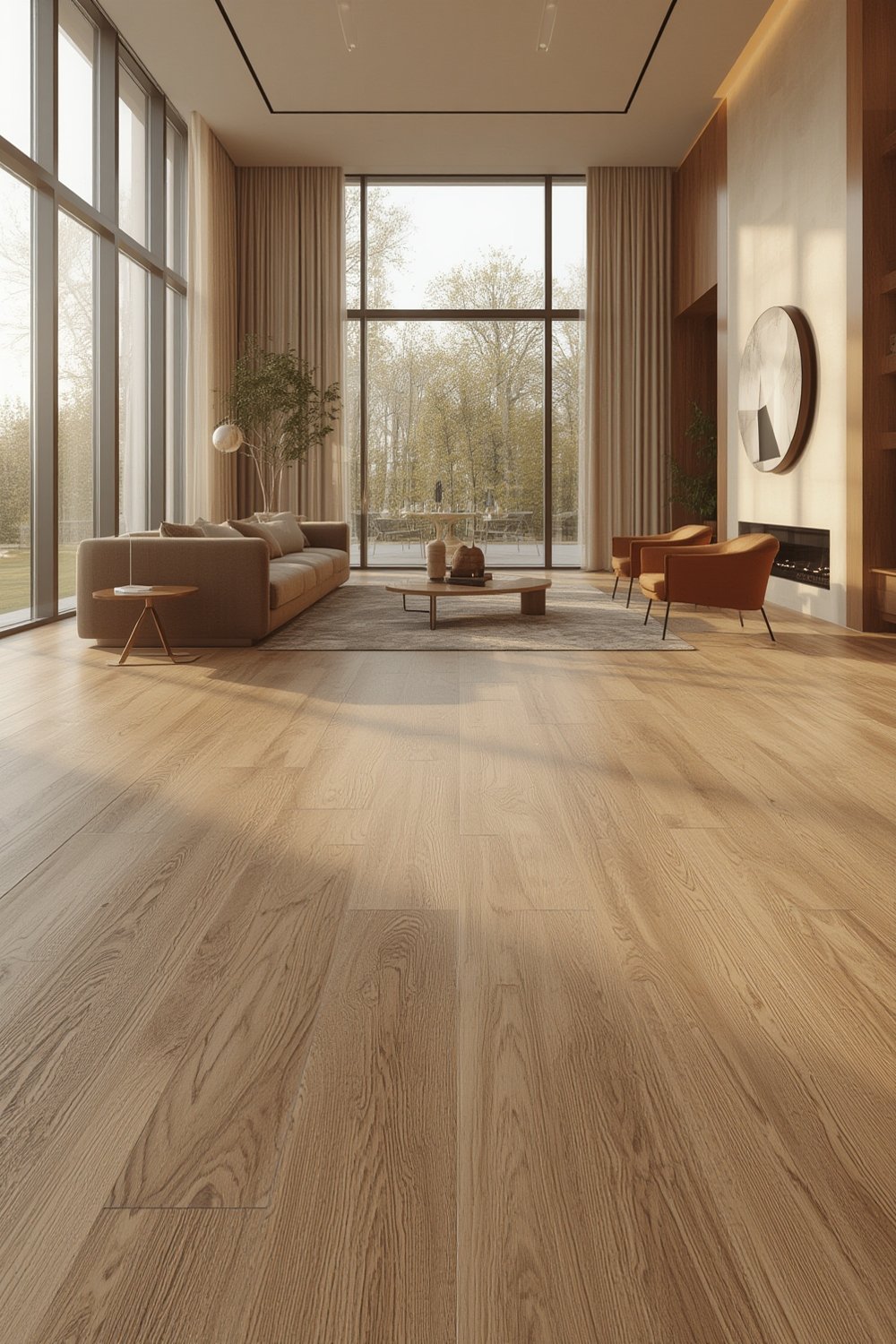
The global market for luxury vinyl plank flooring reached $30.5 billion in 2024 and is projected to grow at a 10.6% CAGR through 2031 according to a recent market analysis. North America leads with a 40% share, reflecting rising adoption thanks to durability, ease of cleaning, and innovative digital printing that rivals real wood.
LVP is commonly selected for:
- High-traffic areas where scratch and water resistance are essential
- Renovations with budget or time constraints
- Rental homes requiring a balance between aesthetics and practicality
For those considering home upgrades, pairing LVP installations with smart home improvements can greatly boost comfort and property value.
Step-by-Step Guide: Planning & Installing LVP
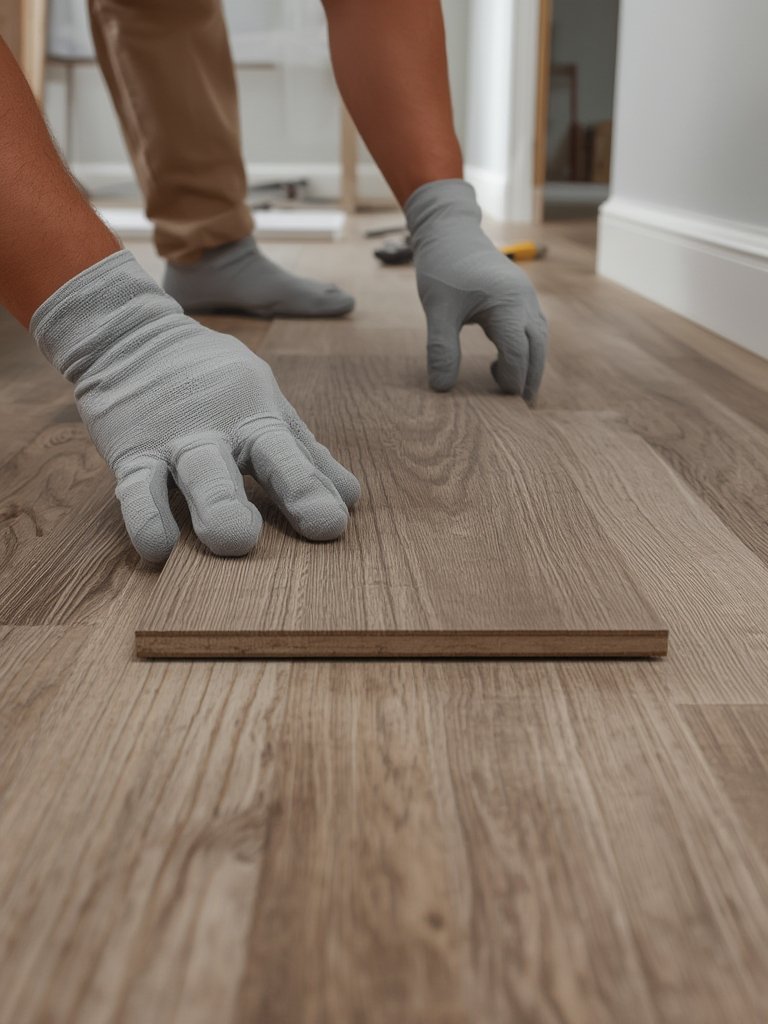
Planning and successfully installing luxury vinyl plank flooring requires careful choices at every stage. Here’s how to avoid common setbacks and get the best results:
-
Measure the Area Carefully
Accurately measure the room, factoring in odd corners and closets. Add 10% extra to your total for cutting waste and pattern matching. -
Choose the Right Product
Select a wear layer (thickness above the design layer) suitable for your space—generally, 12 mils for light use, 20+ mils for heavy use. Opt for “rigid core” types for improved dent resistance in uneven or high-traffic spaces. -
Prepare the Subfloor
Ensure your subfloor is clean, level, and dry. Remove any old adhesive residues and use a moisture barrier if installing over concrete. -
Acclimate the Planks
Let the planks sit in the installation area for 48 hours so they adapt to humidity and temperature—reducing expansion or gaps post-installation. -
Install in the Correct Direction
Planks are generally run parallel to the longest wall or the primary light source. Start in the most visible corner and work outwards for a seamless look. -
Lock and Stagger Planks Properly
Follow manufacturer guidelines in locking/staggering seams. Avoid “stair step” or repeated lineups—they’re visually distracting and weaken floor stability. -
Add Finishing Touches
Install baseboards or quarter round without nailing through the floor, allowing LVP to float and expand as needed.
It’s smart to combine LVP upgrades with other home efficiency renovations. For example, check out expert strategies for energy-efficient home improvements that lower utility bills and add value.
Finally, always follow safety guidelines when handling tools and adhesives. For more home project inspiration, see the best ideas for bathroom remodeling, especially if you’re updating adjoining spaces.
Advanced Analysis & Common Pitfalls
While luxury vinyl plank flooring offers strong advantages, there are still important downsides and challenges to consider.
- Shorter Lifespan vs. Hardwood: LVP typically lasts 10-20 years, whereas hardwood can exceed 60 years. Scratches can be hidden, but deep gouges are not repairable like real wood. (source)
- Subfloor Issues: Installing LVP over an uneven or damp subfloor leads to premature wear, buckling, or “spongy” steps.
- Low-Quality Planks: Cheap LVP may off-gas VOCs, fade faster, or delaminate at the seams. Always check for third-party certifications and reviews.
- Incorrect Underlayment Use: Some LVPs require a specific underlayment—using the wrong type voids the warranty.
- Poor Expansion Gaps: Failure to leave expansion space leads to buckling, especially in sun-exposed rooms.
Here’s how LVP compares to hardwood and laminate:
| Feature | Luxury Vinyl Plank (LVP) | Hardwood | Laminate |
|---|---|---|---|
| Water Resistance | Excellent. Can be installed in kitchens/baths. | Poor. Prone to warping with moisture. | Moderate. Edges may swell with water. |
| Durability (Scratch/Chemical) | Very high. Good for pets/kids. | Medium. Susceptible to dents/scratches. | High, but lower than LVP. |
| Lifespan | 10-20 years | 40-60+ years | 10-20 years |
| Maintenance | Low. No special cleaners needed. | Moderate. May require refinishing. | Low. Damp mop only. |
Eco-conscious consumers should look for products with low VOC certifications and research options based on the latest digital printing techniques—these innovations offer realistic visuals while reducing manufacturing waste, as noted in market research. Regulations in North America are pushing brands to improve environmental performance, so always check product specs.
Pairing LVP with smart storage solutions can help maintain a clean, functional home after your renovation.
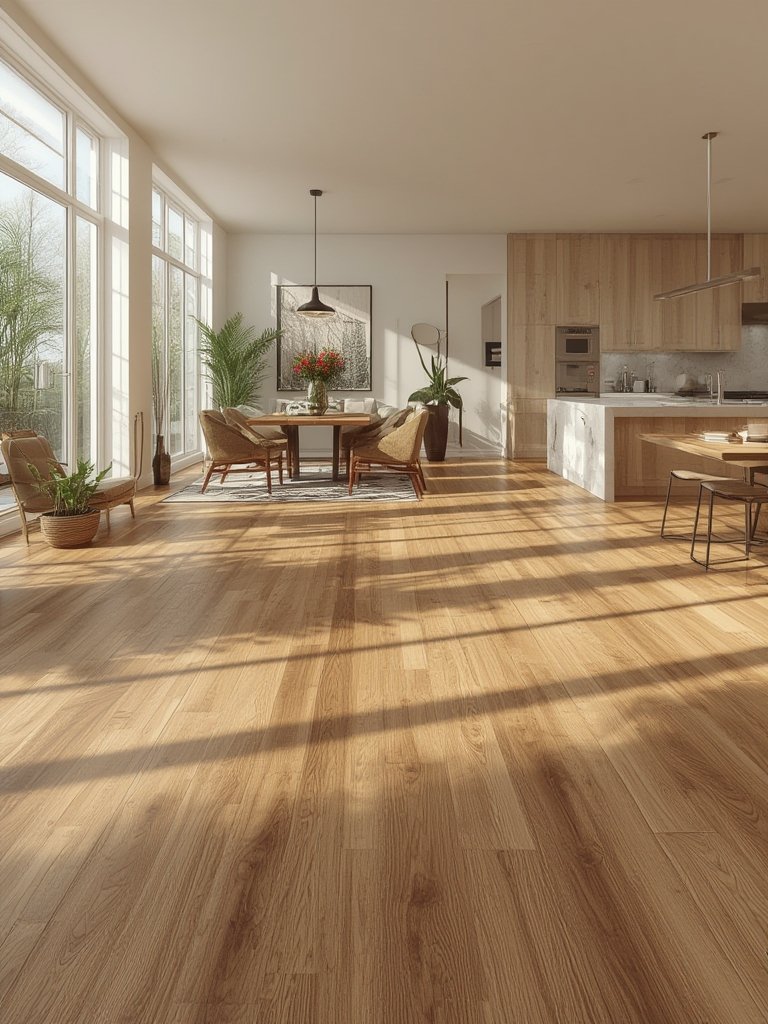
If you’re planning a larger renovation, proper renovation planning can help you avoid common financial and logistical pitfalls.
Conclusion
Luxury vinyl plank flooring excels at delivering the style of hardwood with the resilience of modern composites. Its explosive growth is no fad—it’s a reflection of what today’s homeowners want: beauty, strength, and practicality. However, quality, correct installation, and proper subfloor prep are essential to avoid costly problems or disappointment. If you want a proven, water-resistant flooring choice for your next remodel, luxury vinyl plank flooring deserves a spot at the top of your list. Ready to transform your space? Explore your options now and get inspired by the latest room makeover guides!
FAQ: Luxury Vinyl Plank Flooring
Is luxury vinyl plank flooring waterproof?
Most LVP is highly water resistant and many options are fully waterproof, making them suitable for kitchens, bathrooms, and basements. Always confirm the manufacturer’s specs before purchasing.
How do I maintain luxury vinyl plank flooring?
Sweep regularly, mop with a damp cloth, and avoid harsh chemicals. No waxing or polishing is needed; just clean up spills promptly to prevent stains.
Can I install LVP over existing flooring?
Many LVPs can be installed over clean, level existing vinyl, tile, or even hardwood. Carpets and uneven floors must be removed or leveled first. Check the manufacturer’s guidance.
Will luxury vinyl plank flooring increase my home’s value?
LVP can modernize and refresh your home’s appearance, which may increase appeal to buyers. However, it likely won’t boost value as much as true hardwood in higher-end markets.
What’s the main downside of LVP?
The main disadvantages are a shorter lifespan compared to hardwood, potential off-gassing from some planks, and vulnerability to deep cuts or heavy impacts. Buying quality planks and correct installation are key to minimizing these risks.

[…] a more visual, in-depth walkthrough, don’t miss our step-by-step LVP flooring installation guide, offering expert advice to avoid costly pitfalls and lock in professional […]
[…] an in-depth walkthrough plus tips to maximize the lifespan of your floor, visit our Luxury Vinyl Plank Flooring: 7 Best Ways to Achieve Long-Lasting Performance […]
[…] Upgrade to non-slip flooring (like luxury vinyl plank—read more on LVP flooring installation). […]