

### Blog Post:
Luxury vinyl plank flooring has become the go-to solution for homeowners and designers who want a stylish, durable surface without the pain points of traditional materials. This guide breaks down everything you need before you commit, from technical facts to common mistakes to realistic installation tips.
Key Takeaways
- Luxury vinyl plank flooring offers exceptional water resistance, modern look, and installation flexibility compared to hardwood or tile.
- Rigid-core LVP (SPC/WPC) delivers top performance in demanding, high-traffic, or high-moisture spaces—choose planks with at least 2mm thickness for best results.
- DIY-friendly click-lock planks simplify upgrades, but awareness of pitfalls and installation mistakes is key to long-term satisfaction.
- What Is Luxury Vinyl Plank Flooring? The Core Concept
- How to Get the Best Results: Step-by-Step Guide
- Advanced Analysis & Common Pitfalls
- Conclusion
- Frequently Asked Questions
What Is Luxury Vinyl Plank Flooring? The Core Concept
Luxury vinyl plank flooring (LVP) is a synthetic, advanced flooring option designed to mimic the appearance of natural wood, while offering outstanding resistance to water, wear, and impacts. Built from multiple durable layers, LVP outpaces laminate and regular vinyl in both realism and durability. Its rise isn’t just hype—LVT and LVP together made up over 64% of the entire vinyl flooring market in 2024, and demand is still rising rapidly, driven especially by homeowners who want great looks without the cost or hassle of hardwood.
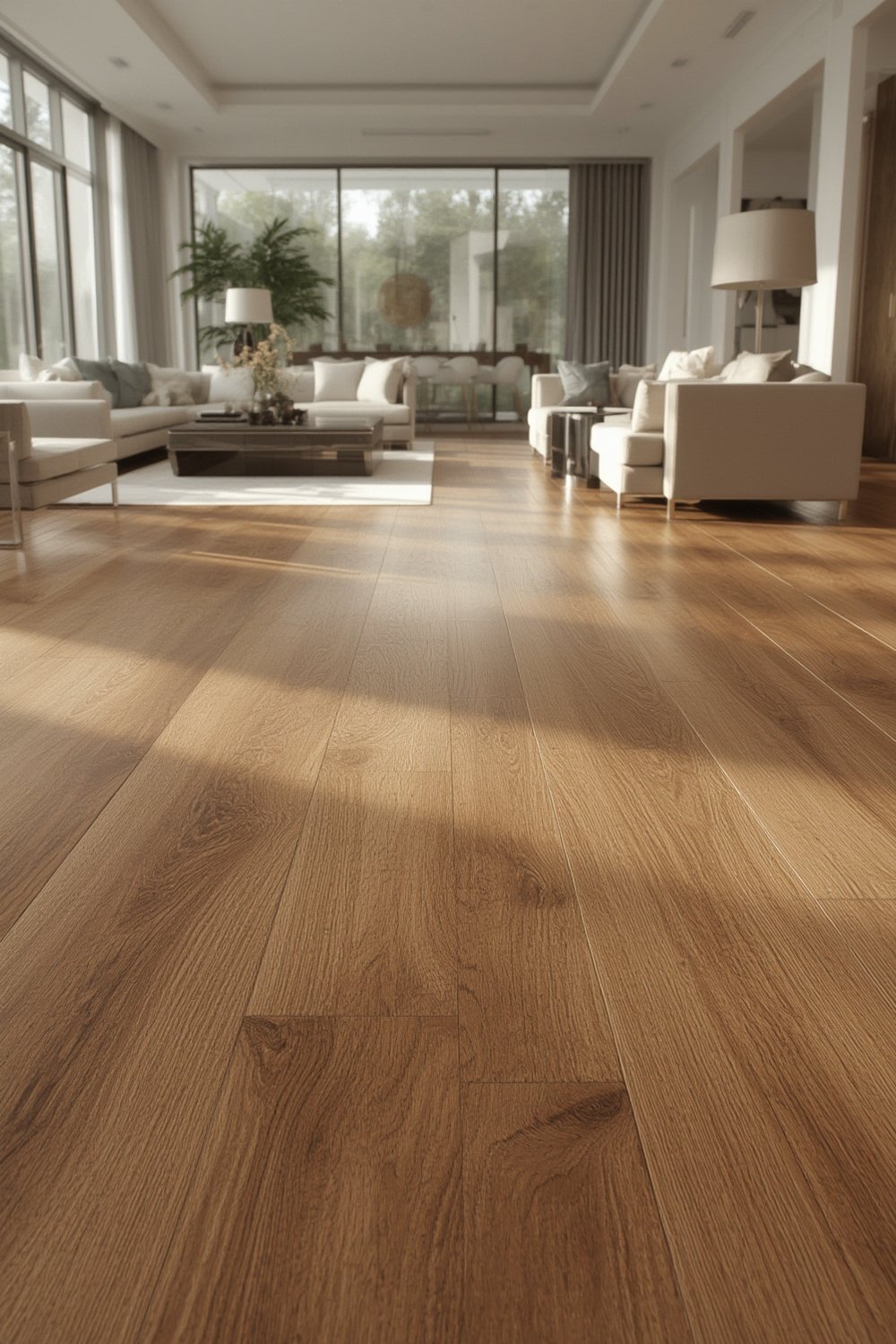
North America alone holds a 23% global share of the booming LVP market (Data Bridge Research). Rigid-core luxury vinyl—SPC (stone polymer composite) or WPC (wood polymer composite)—now dominates with its click-lock ease and high moisture/dent resistance. In fact, rigid LVT accounts for 62% of this segment, making it your safest choice for busy kitchens, baths, and living areas. You’ll find thicknesses around 2–3mm and, increasingly, wear layers built to outperform most residential needs.
LVP isn’t just practical; it’s a foundation for smart home improvements (see our living space upgrade guide), and it pairs excellently with energy-efficient systems, such as underfloor heating for added comfort (underfloor heating insights).
How to Get the Best Results: Step-by-Step Guide
If you want to upgrade to luxury vinyl plank flooring, follow these tried-and-true steps to avoid headaches and maximize beauty and performance:
- Assess and Prepare the Subfloor: Remove old flooring, fasteners, or debris. The base must be dry, solid, and very flat—high spots over 1/16 inch can cause long-term issues. Concrete and plywood both work, but LVP can even go over old tile.
- Measure and Plan Layout: Calculate the room’s square footage and add 10% for cuts and waste. Decide on the most visible wall or point of entry to start, and lay test rows. For advice on maximizing small spaces or rooms with unusual layouts, check out our home organization and storage tips.
- Acclimate and Unpack Planks: Stack unopened cartons in your installation area and allow 48 hours for temperature/humidity adjustment.
- Install Underlayment (if needed): Most modern click-lock rigid planks have underlayment attached. If not, or if extra sound absorption is desired, roll out the recommended product following the manufacturer’s guidelines.
- Click-Lock Plank Installation: Start with the groove side facing the room. Stagger seams by at least 6 inches for a realistic, stable look. Lock planks tightly by angling them, then pressing or tapping into place with a tapping block. Cut end planks as needed using a sharp utility knife, handsaw, or fine-tooth jigsaw.
- Finishing Touches: Replace baseboards or install quarter-round. Some expansion gap (typically 1/4 inch) around the edges is essential. Clean up all debris, then mop with a gentle, manufacturer-approved cleaner.
- Move Furniture Back: Use felt pads under heavy furniture. Avoid dragging—slide or lift pieces to protect the new surface.
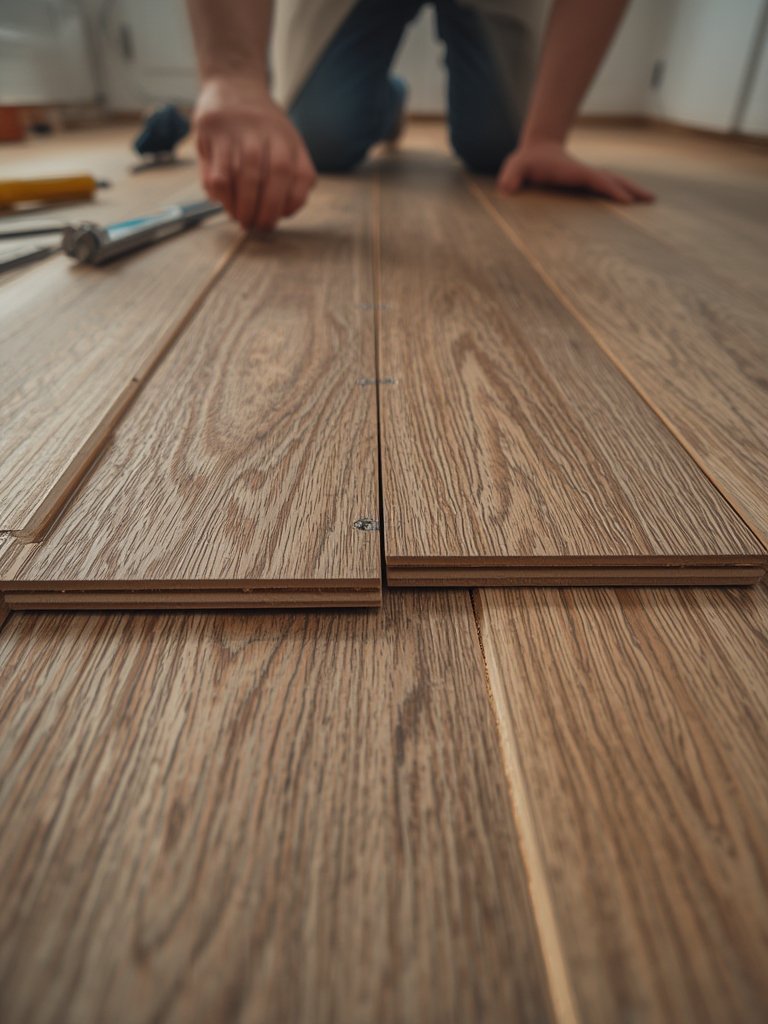
DIYers are increasingly choosing click-lock LVP thanks to the installation ease—and it opens up new possibilities for personalized remodeling projects (see DIY decor guides). However, while click-lock systems save labor costs and are tempting for skilled homeowners, glue-down LVP offers even more stability in commercial or high-traffic entryways. Always read the warranty—many products require professional installation for full coverage.
Want more inspiration on increasing your home’s ROI? Check out our renovation ROI strategies.
Advanced Analysis & Common Pitfalls
No floor is perfect. Being realistic about what can go wrong with luxury vinyl plank flooring helps you avoid costly mistakes. Here’s what the data and user observations reveal:
- Subfloor Issues: LVP tolerates minor imperfections, but uneven or moisture-prone subfloors can warp planks over time, especially in basements or over radiant heat. Always test for moisture and level as required.
- Poor Acclimation: Skipping the acclimation step leads to expansion, buckling, or gapping weeks after install.
- Incorrect Expansion Gaps: Not leaving a 1/4 inch expansion gap around walls invites future lifting or edge damage due to natural movement.
- DIY Overconfidence: Click-lock is beginner-friendly, but mistakes (misaligned seams, poor cuts, skipping underlayment in noisy spaces) shorten floor lifespan and reduce warranty coverage.
- No Wear Layer Standard: The industry lacks a strict wear layer specification. Generally, planks with thicker wear layers last longer, but not all “waterproof” claims are backed by rigorous standards. For bathroom upgrades or high-splash zones, consider additional waterproofing steps.
| Feature | Luxury Vinyl Plank | Engineered Hardwood | Porcelain Tile |
|---|---|---|---|
| Moisture Resistance | Excellent — no warping | Moderate — possible swelling | Excellent |
| Ease of Installation | DIY-friendly (click-lock) | Professional recommended | Professional required |
| Ongoing Maintenance | Low — damp mop | Moderate — refinishing needed | Low — grout cleaning needed |
| Cold/Underfoot Comfort | Warmer, softer | Variable | Cold, hard |
Looking for smart ways to combine style and savings, especially if you’re thinking about bathroom renovations? Our in-depth bathroom remodel ROI guide breaks down the most cost-effective upgrades, including using LVP for spa-like results.
Conclusion
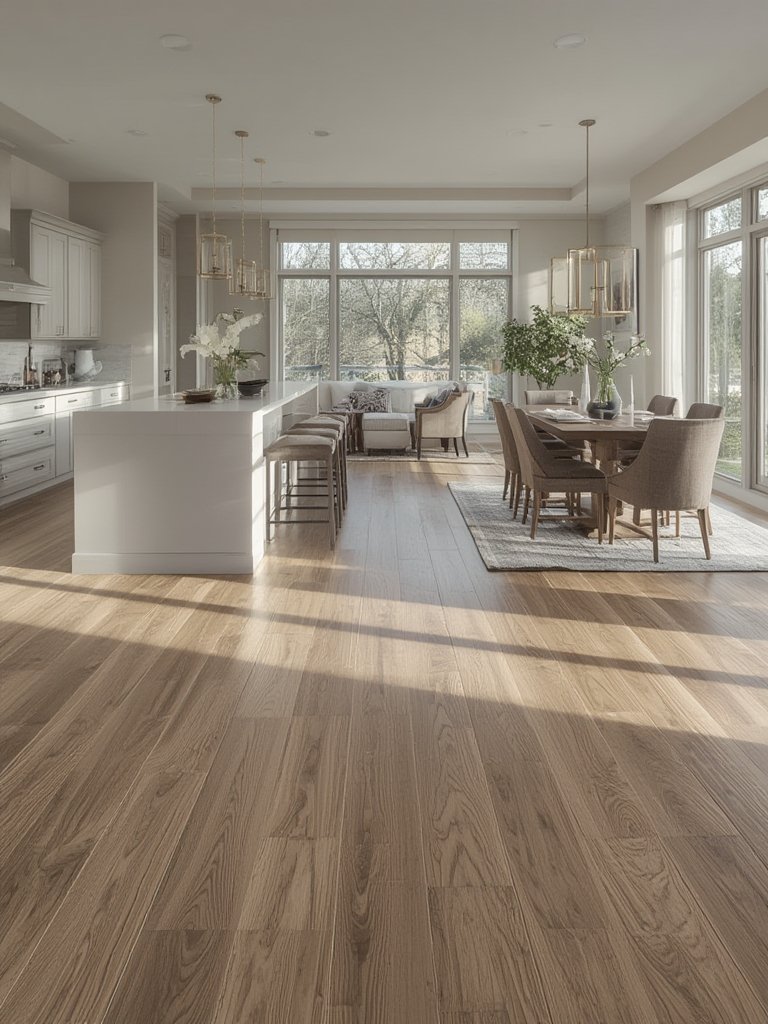
For most homeowners, luxury vinyl plank flooring is a smart choice that balances modern looks, water resistance, and affordable installation. It stands out in kitchens, bathrooms, and living spaces where moisture and foot traffic challenge traditional wood. By carefully preparing your subfloor, following informed installation steps, and choosing rigid-core options, you’ll get the most durability and satisfaction. Ready to take the next step? Explore our complete LVP flooring installation guide or reach out to professionals for personalized advice. If quality, comfort, and ease of maintenance are your priorities, luxury vinyl plank flooring could be your best upgrade yet.
Frequently Asked Questions
How long does luxury vinyl plank flooring typically last?
Most LVP floors last 15–20 years when installed and maintained carefully. Planks with thicker wear layers (12–20 mil or higher) and rigid SPC/WPC cores deliver top performance, especially in busy homes.
Is luxury vinyl plank flooring really waterproof?
LVP is highly water-resistant, especially rigid-core types, and won’t warp with spills or typical cleaning. However, standing water or leaks over an extended period can cause damage. Always fix plumbing issues promptly to extend your floor’s life.
Do I need underlayment for LVP flooring?
Many modern click-lock LVPs come with pre-attached underlayment. For added soundproofing or installation over concrete, a thin foam or cork underlayment is recommended, but always follow the manufacturer’s specifications.
Can I install luxury vinyl plank flooring over old tile?
Yes, LVP can be installed over flat, intact tile, as long as the existing surface is clean, dry, and level. Fill grout lines wider than 1/8 inch for the smoothest results.
Does installing luxury vinyl plank flooring increase home value?
LVP is increasingly recognized for its modern style and durability, making it a positive selling point in many homes, especially when part of a larger remodel or upgrade project.
—