

Luxury vinyl plank flooring has become one of the top choices for modern home remodels due to its blend of durability, style, and cost efficiency. Homeowners and commercial property managers are rapidly adopting this flooring solution—but is it really as straightforward and reliable as it seems? This comprehensive guide breaks down the realities, from core benefits to realistic pitfalls, and gives you everything you need to know before your next upgrade.
Key Takeaways
- Luxury vinyl plank flooring is growing rapidly, especially in residential and commercial spaces, due to its water resistance and easy installation.
- Durability, low maintenance, and competitive cost make it a strong alternative to hardwood or tile, but subfloor prep and room use still matter.
- Careful planning, realistic expectations, and understanding warranties are crucial to avoid common pitfalls in LVP flooring projects.
- What Is Luxury Vinyl Plank Flooring and Why Is It Booming?
- Step-by-Step Guide to Successful LVP Flooring Installation
- Advanced Analysis & Common Pitfalls of LVP Flooring
- Conclusion
- Frequently Asked Questions
What Is Luxury Vinyl Plank Flooring and Why Is It Booming?
Luxury vinyl plank flooring (LVP) is a synthetic floor covering designed to mimic the look and texture of hardwood, stone, or ceramic tile—offering homeowners similar aesthetics with enhanced everyday practicality. Its multi-layer construction, usually including a robust wear layer and waterproof core, makes it well-suited for kitchens, bathrooms, and high-traffic areas where real wood might struggle. The rise in urbanization, commercial remodeling, and demand for cost-effective yet elegant finishes have turned LVP into a $30.51 billion global market in 2024, with North America alone claiming over 40% market share.
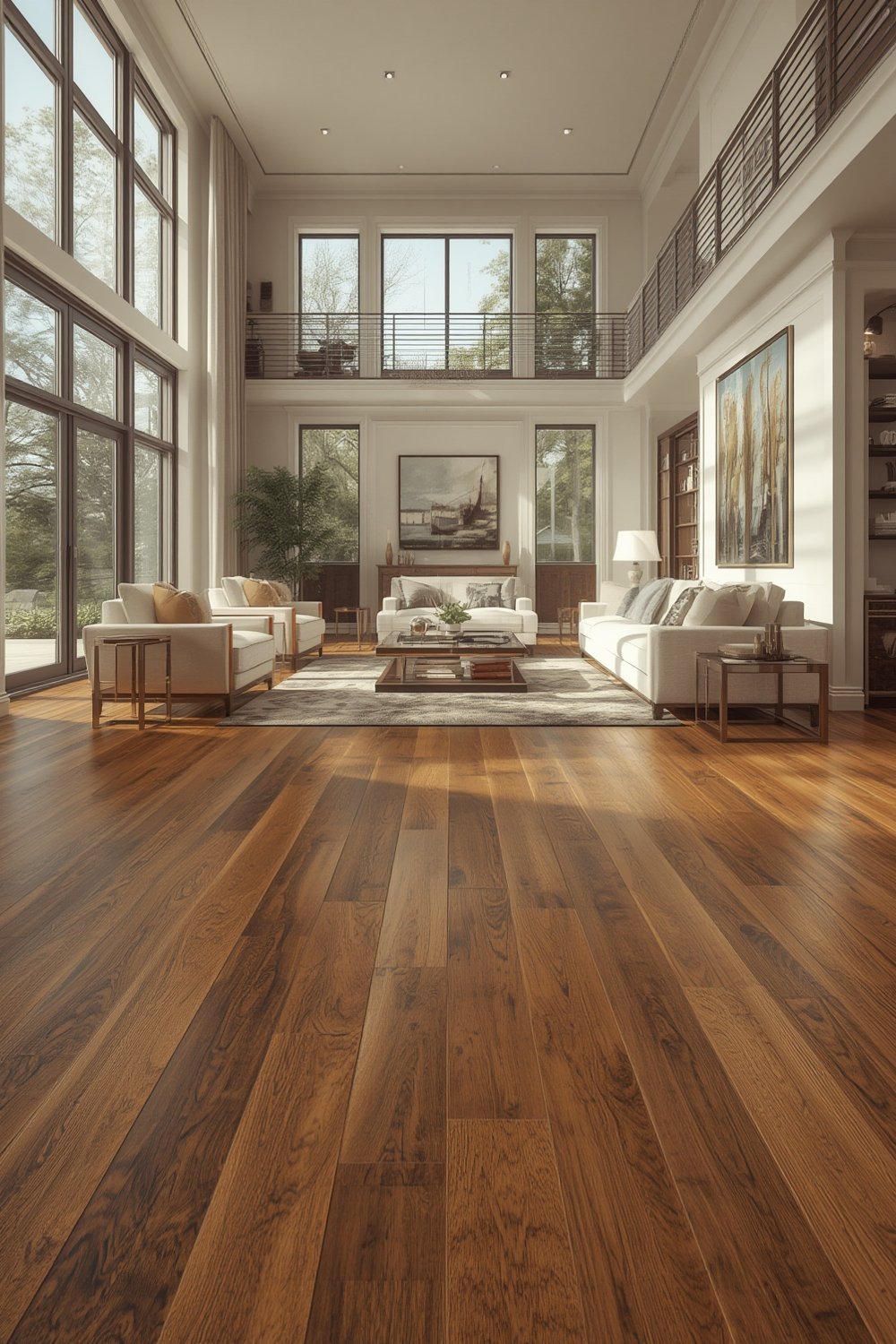
LVP’s accelerating popularity is driven by advancements in printed vinyl sheets, UV-cured coatings, and easier installation systems. Trends show adoption outpacing traditional hardwood and in some cases, even classic ceramic tile—a smart upgrade for both homes and businesses. For deeper insights on smart home improvement trends, check out our Ultimate Smart Home Improvement Ideas guide.
Step-by-Step Guide to Successful LVP Flooring Installation
Installing luxury vinyl plank flooring is more approachable for DIYers than most traditional floors, but preparation and detail matter. Follow these actionable steps for best results:
- Assess and prepare the subfloor. Your subfloor must be flat, dry, and free of debris for optimal results. Remove all old flooring, repair dips or damage, and ensure zero moisture before starting.
- Plan your layout. Measure the room and lay out your planks before installing, accounting for pattern, stagger, and any doorway transitions. Mix planks from different boxes to balance natural color variations.
- Install underlayment (if needed). Some LVP brands include attached underlayment, while others require a separate layer—especially on concrete. This enhances comfort, moisture protection, and insulation.
- Begin installation from the longest wall. Use spacers against the wall for expansion gaps. Cut planks as needed with a sharp utility knife or saw.
- Snap or glue planks into place. Follow manufacturer instructions for click-lock or adhesive methods, keeping seams tight and straight.
- Finish with trim and transitions. Install baseboards or shoe molding to cover edges, and use appropriate thresholds at doorways.
- Clean thoroughly and inspect. Remove dust or debris, look for uneven spots, and address any visible issues before returning furniture.
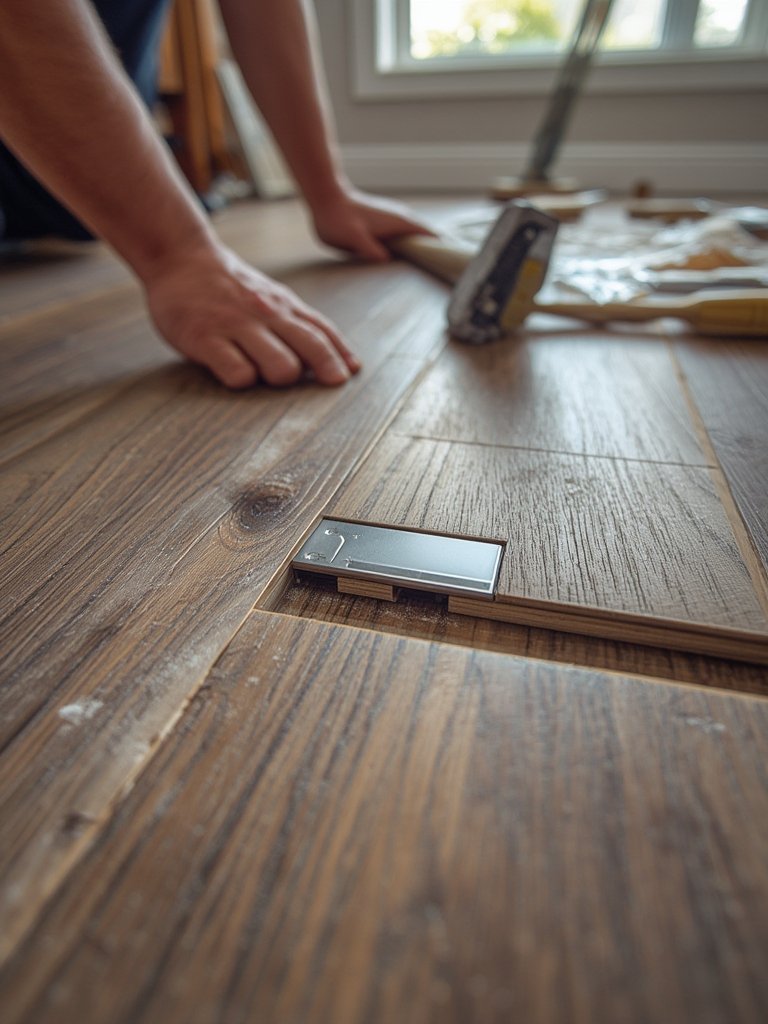
For an in-depth walkthrough plus tips to maximize the lifespan of your floor, visit our Luxury Vinyl Plank Flooring: 7 Best Ways to Achieve Long-Lasting Performance article.
If your remodel includes bathroom or kitchen upgrades, explore our Bathroom Remodeling Ideas: 7 Amazing Ways to Boost ROI guide, and learn about moisture-friendly improvements.
Advanced Analysis & Common Pitfalls of LVP Flooring
While luxury vinyl plank flooring is engineered for resilience and simplicity, users frequently encounter challenges—especially when skipping crucial prep steps or misunderstanding product limits. Here are the most common pitfalls and helpful advanced tips:
- Subfloor Imperfections: Skipping proper leveling or cleaning leads to soft spots, clicking sounds, or visible seams after installation. If your subfloor is uneven, consider self-leveling compounds before starting.
- Moisture Issues: Although marketed as waterproof, LVP can still suffer from subfloor moisture if not installed with adequate vapor barriers. This is especially risky on basement or slab foundations.
- Poor Acclimation: Installing planks immediately from the box may cause expansion or shrinkage that creates gaps later. Slow down and let planks adjust to room climate first.
- Warranty Confusion: Manufacturers promote long-term durability, but warranty coverage can be voided by improper installation or lack of documented maintenance. Always keep records of your process.
- Comparing Upfront Costs: While LVP is often more affordable than hardwood or tile, very cheap brands may skimp on wear layer thickness or locking quality, leading to faster wear or breakage. The following comparison highlights core differences:
| Flooring Type | Avg. Installed Cost (per sq ft)* | Water Resistance | DIY Friendly | Maintenance Needs |
|---|---|---|---|---|
| Luxury Vinyl Plank | $3 – $7 | Excellent | High | Low |
| Hardwood | $8 – $15 | Poor | Low | Moderate – High |
| Tile (Ceramic/Porcelain) | $6 – $12 | Excellent | Low | Low |
*Note: Costs are typical market averages and exclude demolition or advanced subfloor prep, which can add $1–$2 per square foot.
Durability claims from manufacturers are often supported by multi-layer construction and tough finishes, as highlighted in this industry analysis. However, no surface is indestructible. Office chairs and pet claws can scratch low-quality wear layers. If you want to dive even deeper into ensuring a high-performance installation, see Luxury Vinyl Plank Flooring: 7 Best Ways to Upgrade Your Home.
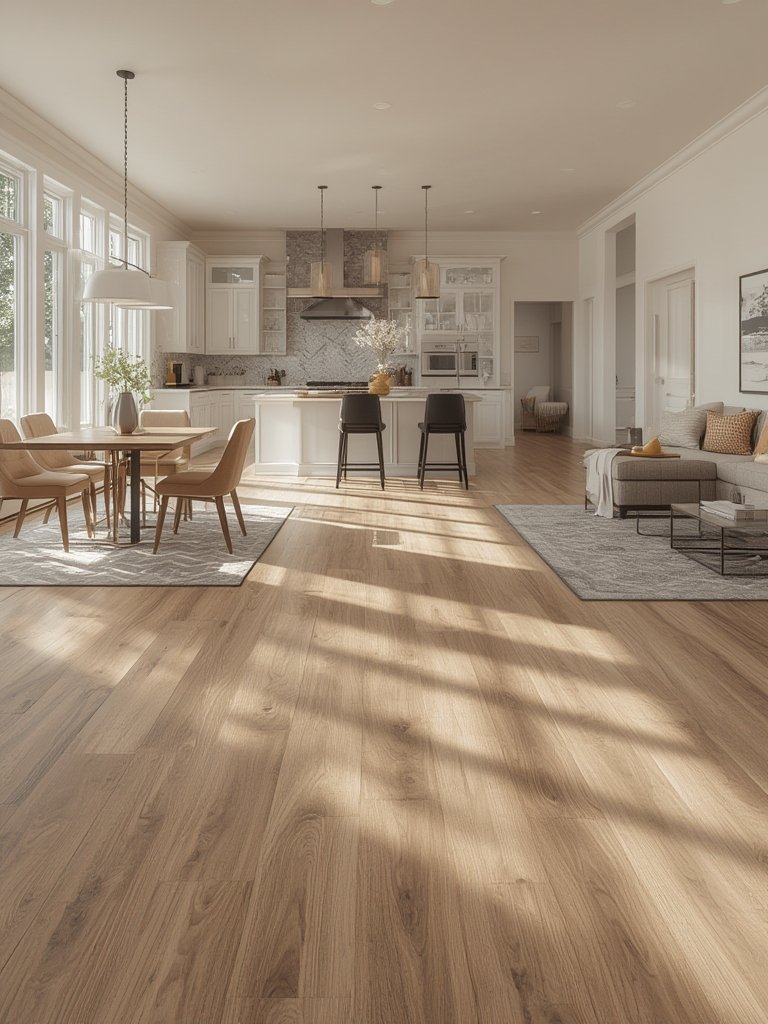
In commercial spaces, LVP is favored for easy maintenance and slip resistance. For more stats and trends, review the latest global LVT market forecast and industry analysis which show non-residential installations (offices, hotels, malls) making up over half the demand.
Conclusion
Luxury vinyl plank flooring offers a powerful mix of value, style, and practicality. When you pay attention to subfloor prep, product selection, and follow a clear installation process, this modern flooring stands up well in homes and businesses. However, no solution is perfect—watch out for shortcuts, especially with underlayment and moisture. Plan your project with care, weigh the options against your space’s real needs, and you’ll be rewarded with a beautiful floor that can last years. Ready to get started on your luxury vinyl plank flooring upgrade? Explore our step-by-step LVP installation guide for pro tips and project planning.
Frequently Asked Questions
How long does it take to install luxury vinyl plank flooring in an average room?
For a standard 200-square-foot room, installation can typically be completed in one weekend or about 1–2 days. Larger or more complex spaces will require extra time for cutting, fitting, and subfloor prep.
Is luxury vinyl plank really waterproof?
LVP is designed to be highly water resistant, making it safe for kitchens, bathrooms, and basements. However, flooding or excessive subfloor moisture can still lead to issues without proper vapor barriers or sealing.
Do I need underlayment with LVP?
Many LVP products come with pre-attached underlayment, but for concrete subfloors or to improve sound and insulation, an extra underlayment layer is recommended. Check manufacturer specs for your specific product.
How does LVP compare to hardwood or tile in terms of maintenance?
LVP requires much less maintenance than hardwood. There’s no need for sanding or refinishing—just regular sweeping and occasional damp mopping. It’s also less prone to scratching than softer wood floors.
Does luxury vinyl plank flooring affect indoor air quality?
Most modern LVP products are certified low-VOC and safe for indoor use, but always check for certifications if air quality is a major concern. For eco-friendly paint options to pair with your new floors, visit our Eco-Friendly Paint Options guide.