

### Blog Post:
Modular furniture is transforming how people maximize space and functionality in modern homes, especially in apartments and small living areas. If you’re exploring ways to make your home more flexible, efficient, and stylish without sacrificing comfort, modular furniture is a smart solution. In this guide, you’ll get clear, actionable steps and up-to-date insight into market trends, innovations, pros and cons, and practical buying strategies for 2024.
Key Takeaways
- Modular furniture is driving a multi-billion dollar global market with strong growth in small-space living and remote work.
- Smart features, eco-friendly materials, and easy reconfiguration are leading 2024 innovations.
- Read the pitfalls before buying—assembly, durability, and hidden costs can surprise the unprepared.
- Understanding Modular Furniture: What and Why
- How to Choose and Use Modular Furniture: Actionable Steps
- 2024 Analysis: Pitfalls, Stats, and Real-World Watchouts
- Conclusion
- FAQ: Modular Furniture in 2024
Understanding Modular Furniture: What and Why
Modular furniture refers to pieces built from standardized units or modules, designed for rearranging, customizing, or expanding as needs evolve. This approach lets you create a personalized living environment—whether it’s combining seating sections, stacking storage cubes, or transforming a bed into a sofa—without committing to a fixed layout.
The reason for its rise is straightforward: urbanization, smaller living spaces, and the shift to remote or hybrid work have made space-efficiency a necessity. In North America, modular furniture reached a market size of $29.3 billion in 2024, holding 40% of the global share, thanks in part to downsized homes and flexible lifestyles (source). Modular pieces shine for renters and homeowners who value adaptability, minimalism, and cost-effective upgrades. The market continues to expand, with the global sector hitting an estimated $73.25 billion in 2024 and robust growth forecasted for years ahead (report).
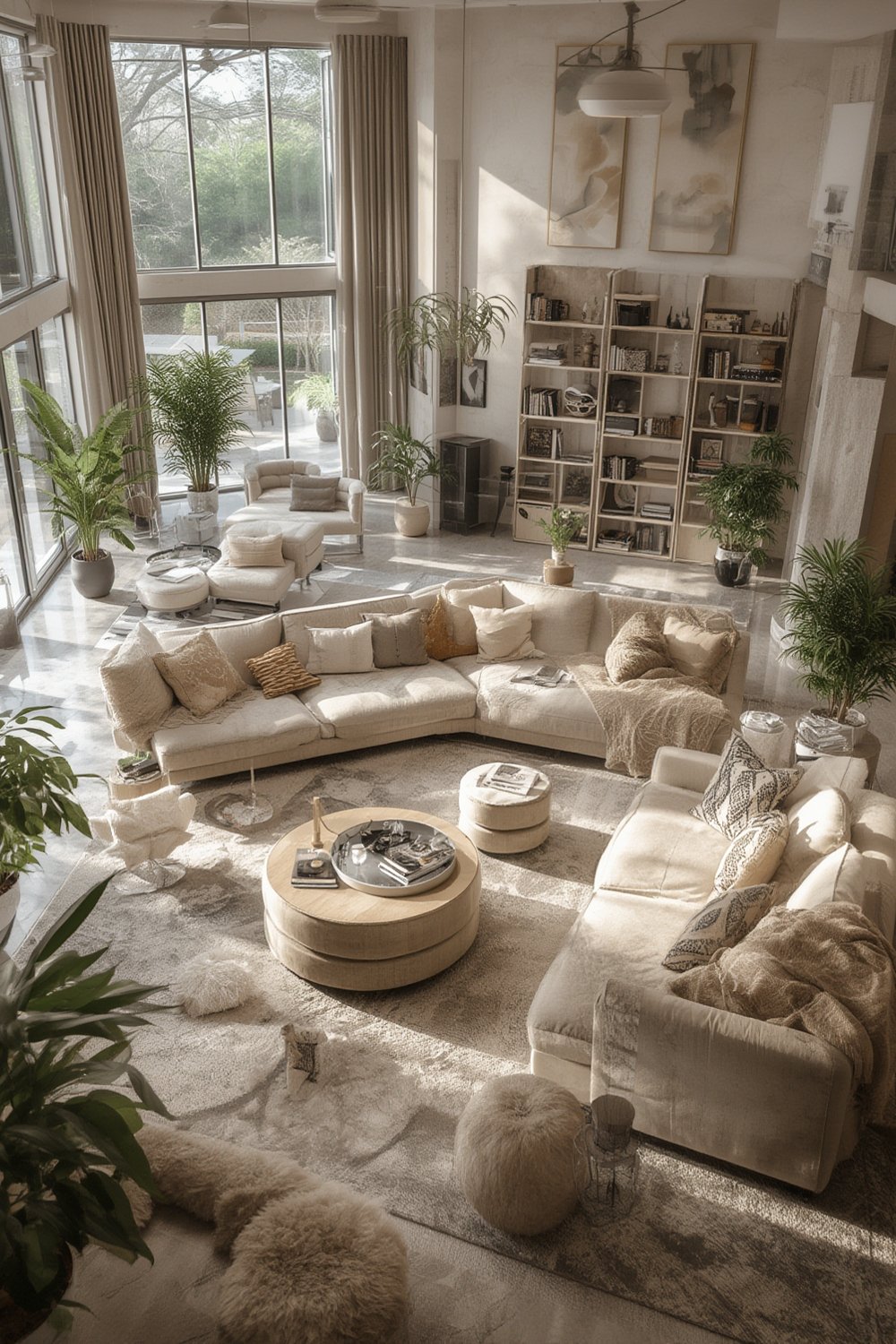
How to Choose and Use Modular Furniture: Actionable Steps
If you want modular furniture to work for your space rather than against it, structure your approach. Here’s a clear, step-by-step guide for 2024:
- Analyze Your Needs and Space: Measure every inch where you want to place furniture—check doorways, wall spans, and traffic flow. Sketch a basic room plan. Think about what’s missing: storage, more seating, or flexible guest space? Prioritize those needs and consider if your living style may change soon.
- Research Features and Innovations: Look for modular furniture with smart upgrades like built-in charging ports, hidden storage, or expansion kits. Eco-friendly materials are no longer niche—they’re mainstream in 2024, and brands are promoting them as a sign of durability and style (market data).
- Set a Realistic Budget—Prepare for Hidden Costs: Factor in not just the sticker price but taxes, shipping, delivery, and if you’ll need professional assembly. Customization (adding extra modules, non-standard fabrics, or finishes) often adds unexpected fees. Budget for maintenance or updates, especially if you plan to reconfigure pieces later.
- Evaluate Quality and Reconfigurability: Don’t just check online photos—if possible, visit a showroom to see how modules connect and feel. Examine construction: do components use solid wood, engineered wood, metal, or recycled materials? Is the hardware (connectors, latches, feet) strong and easy to re-attach? Test a demo by assembling/disassembling a portion on-site if the store allows.
- Read and Compare Real Customer Feedback: Check multiple review sites, but examine careful complaints on issues like comfort, long-term performance, assembly, and wear-and-tear. Look for recent comments, not just old ratings. Check if the warranty has meaningful protection.
- Map Out Configurations for Your Evolving Needs: Use digital room planners or sketch on paper how you’d reconfigure layouts for entertaining, working from home, or maximizing storage. Make sure your choices adapt for future upgrades—or even a move.

For renters, opt for lightweight modules that are easy to move and don’t require drilling or permanent anchors. If you’re renovating a micro space, combine modular seating with wall-mounted fold-down desks or Murphy beds for maximum flexibility—see more multi-purpose furniture upgrades in our dedicated guide.
2024 Analysis: Pitfalls, Stats, and Real-World Watchouts
The modular furniture trend is expanding fast, but there are realistic trade-offs every buyer should know. Here’s what stands out for 2024:
- Hidden Costs: Market data shows reports focus on aggregate sales, but don’t overlook personal add-ons. Shipping modules, especially large or heavy ones, can carry significant costs. Custom fabrics and configurations drive prices up. Some budget brands advertise low initial prices, but charge much more for essential add-ons (external source).
- Assembly Surprises: While modular pieces are designed for flexible setup, complex modules or poorly labeled instructions frustrate first-time users. DIY assembly can take much longer than advertised—ask about video tutorials and phone support in advance.
- Durability Questions: Not all modular furniture uses robust or eco-friendly materials. Cheaper composites or connectors can loosen over time, especially if you reconfigure often. Sustainable choices are increasing (see 2024 trend report), but always confirm the hardware and finish are built for longevity.
- Limited Styles in Some Markets: Smaller furniture brands may have excellent build quality or sustainable materials but limited design options or color choices. International shipping may take longer or be unavailable for some emerging lines.
- Stretching “Modular” Too Far: Some brands loosely use “modular” for products that are only partially customizable. Ensure your purchase offers truly interchangeable sections if you need to change layouts regularly.
| Feature | Potential Problem | How to Avoid |
|---|---|---|
| Shipping & Delivery | Unexpected fees for large items, slow delivery times | Ask for full shipping estimate and timeline before buying |
| Assembly & Instructions | Time-consuming, unclear manuals | Order only from brands with solid video guides and customer support |
| Materials/Hardware | Cheap hardware, connectors fail with frequent changes | Inspect hardware physically or request sample photos/videos |
| Reconfiguration Limitations | Modules don’t fit each other, limited layout changes possible | Read technical specs—only invest if modules offer true interchangeability |
| Long-Term Wear | Finish fades, joints loosen with repeated reconfigurations | Choose materials with a proven durability record; check for reputable warranties |
If you’re upgrading your entire living space, check our guide to home organization & storage solutions and see how tiny home renovation strategies can combine with modular pieces for full-room transformations. Also, stay on trend with DIY home decor ideas to complement your new modular setup.

Conclusion
Modular furniture is redefining how people approach home design—whether you need to make the most of a compact studio, prepare for new family needs, or simply want a smarter, more flexible space for 2024. Growth in global markets, technical advancements, and the demands of smaller homes have cemented its position as an essential tool for modern living. Do your homework, watch out for hidden costs, and choose proven materials and brands. If you want to transform your living space, now is the time to consider modular furniture as your next upgrade. Start measuring, planning, and configuring—your flexible home awaits.
Ready to explore more smart upgrades? Check out our guide to ultimate smart home improvement ideas for even more inspiration.
FAQ: Modular Furniture in 2024
What is modular furniture and why is it popular in 2024?
Modular furniture uses standardized parts or modules that can be configured and reconfigured for different spaces and needs. It’s especially popular as homes get smaller and remote work becomes more common, letting you maximize functionality and adapt to changes.
What are the common problems with modular furniture?
The most common complaints include assembly challenges, connectors or hardware loosening over time, and hidden costs for shipping or custom options. It’s key to check reviews and product warranties before purchasing.
Are all modular furniture pieces eco-friendly and durable?
Not always. While sustainability is a growing trend, materials and build quality still vary widely. Look for brands that use responsibly sourced wood or recycled materials and offer strong warranties for peace of mind.
Can modular furniture really save space in small homes?
Yes. The main advantage is adaptability—sofas can turn into guest beds, shelves can expand vertically, and desks can disappear when not in use. This is especially impactful in studios and apartments where every square foot counts.
How can I make the most of modular furniture in a tiny home?
Combine modular pieces with smart storage solutions. For example, use stackable bins or cabinets under modular seating, and choose foldable or wall-mounted modules to keep the floor open. See our tiny home renovation guide for more ideas.
—