

Solar water heaters have become a hot topic for homeowners looking to cut energy bills while making their homes more sustainable. But does the promise of endless hot water powered by the sun really stack up in 2024?
Key Takeaways
- Solar water heaters cost more up-front than conventional water heaters but can offer long-term savings—if properly maintained.
- Common pain points include higher maintenance, risk of leaks, and climate issues. Annual inspections are a must to avoid costly repairs.
- Lack of updated rebates and integration info means you must research local incentives and system compatibility before investing.
- What Are Solar Water Heaters and Why Consider One?
- How to Choose and Install a Solar Water Heater (Step-by-Step Guide)
- Advanced Analysis & Common Pitfalls
- Conclusion
- FAQs
What Are Solar Water Heaters and Why Consider One?
Solar water heaters use the sun’s energy to heat water for your home, providing an efficient alternative to electric or gas-powered systems. By harnessing free solar energy, these systems can cut water heating costs, reduce your carbon footprint, and boost property value.
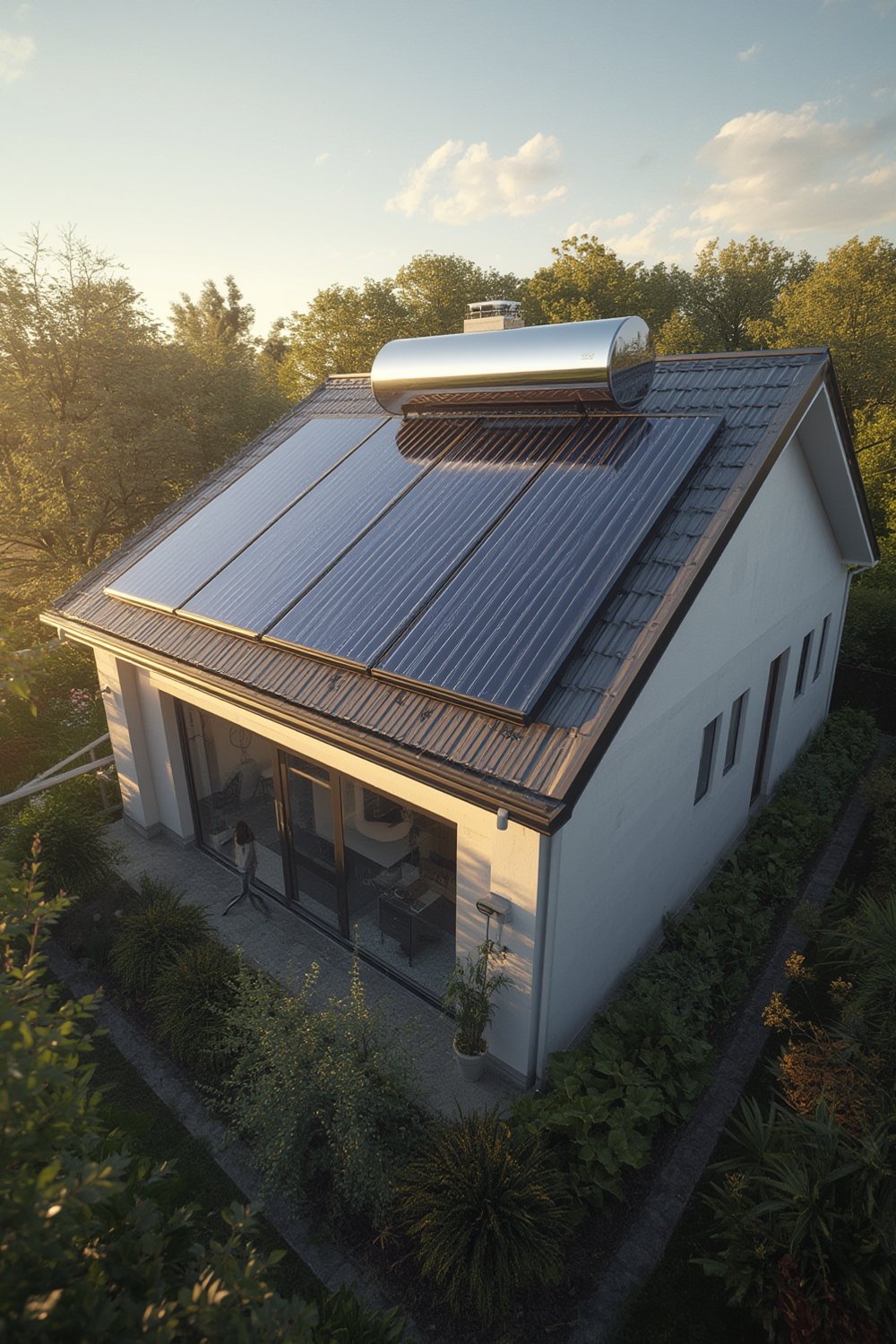
There are two main types: active (with circulating pumps and controls) and passive (simpler, relying on natural convection). While the technology isn’t new, advances in durability and efficiency have made solar water heaters attractive to more homeowners—especially those already investing in smart home improvement ideas or energy-efficient upgrades.
Interest in solar water heaters has grown alongside the adoption of smart home devices that focus on efficiency and automation. If you’re planning a bathroom remodeling project, it might be the perfect time to consider integrating solar water heating for added comfort and style, especially if you’re aiming for a spa bathroom remodel with a green edge.
How to Choose and Install a Solar Water Heater (Step-by-Step Guide)
Switching to a solar water heater isn’t as simple as swapping out a tank. Here’s how to approach the process for the best results:
- Assess Your Household Hot Water Demand
Check current usage patterns. Family size, number of bathrooms, and bathing habits dictate tank size and collector capacity. - Evaluate Sun Exposure and Site Suitability
Use a compass or app to check for south-facing roof or wall space. Consider trees or future remodeling plans (like a bathroom remodel) that could shade collectors. - Select the Right Solar Water Heater Type
Choose between active direct, active indirect (for freeze-prone areas), or passive systems. Know that active systems require electricity for pumps. - Compare Up-Front and Life Cycle Costs
Installation runs $3,000–$9,654 (average $6,000–$6,766), which is 2–4x more than most conventional heaters. Factor in plumbing upgrades and controls. - Review Maintenance Requirements
Schedule annual pro inspections ($100–$250 each, sometimes higher). Account for antifreeze replacement, pump servicing, and periodic flushes. - Obtain Multiple Bids from Certified Installers
Compare warranties (5–10 years standard), installed price, and local incentives (call your utility—online info for 2024 rebates is lacking). - Plan for Installation
Typical installation takes 1–2 days, with added plumbing and electrical work. Discuss potential home automation integration for smart monitoring of system performance. - Register Warranties and Set Up Maintenance Alerts
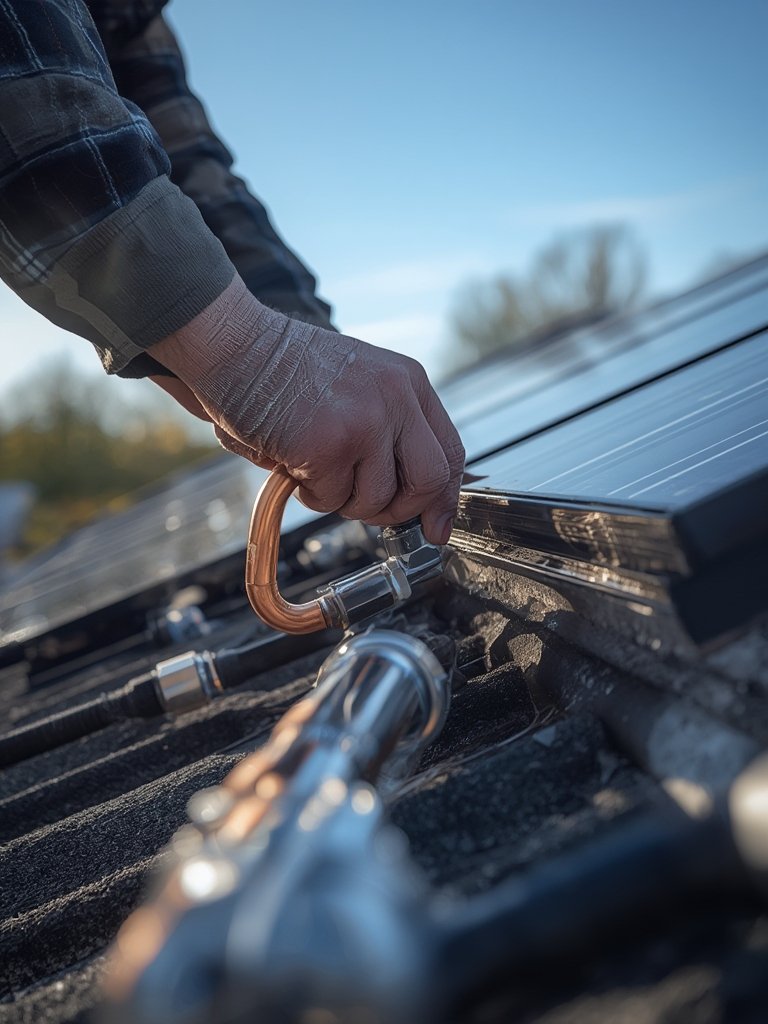
Ensure your installer explains how and when to inspect or service the system, covering both the tank and collector units.
For those planning broader efficiency upgrades or thinking about sustainable bathroom or kitchen renovations, check our energy savings guide for more strategies.
Want to make your system even smarter? Home automation systems can notify you when maintenance is due or if a problem appears. Pair your solar setup with connected thermostats, leak detectors, or tap into our Ultimate Smart Home Improvement Ideas to amplify your savings and homeowner experience.
Advanced Analysis & Common Pitfalls
Solar water heaters aren’t foolproof. Here are the most common pain points that real users face—plus honest tips for minimizing risks:
- Leaks and Water Damage: Pipes, tanks, and collectors are all potential sources of leaks. Repairs average $150–$750, with tank problems reaching up to $2,000. Regular checkups help catch small leaks early. Source
- Pump Failures: Active systems rely on pumps that may fail every 5–10 years (Pump Failures $200–$600 repair). Keep a close eye on noises or reduced flow.
- Controller/Sensor Malfunctions: Sensor and controller issues (Controller/Sensor Malfunctions $100–$350) may cause poor performance or complete shutdowns until repaired.
- Freeze Damage: In cold climates, frozen pipes or cracked collectors ($150–$750 repair) are common complaints, unless you invest in extra protection.
- Scaling, Sediment, and Loss of Efficiency: Poorly maintained tanks and collectors lose efficiency over time. Budget for periodic flushes, especially if you have hard water.
| Cost Category | Solar Water Heater | Conventional Tank Heater |
|---|---|---|
| Up-Front Installation/Replacement | $3,000–$9,654 (avg. $6,000–$6,766) | $1,600–$2,400 |
| Annual Maintenance | 0.5%–2% of initial cost ($100–$300) | Lower (basic element/tank replacement) |
| Common Repairs | $150–$750 (avg. $400) | Element replacement as needed |
Unlike standard heaters, solar units come with more moving parts (pumps, sensors, collectors), increasing the likelihood of needing unexpected repairs. Harsh winters can tip maintenance costs upward for homeowners in northern climates.
Most solar water heaters last around 20 years, which can offset the bigger up-front investment—but you’ll need consistent upkeep for best results. If maintenance is neglected, energy savings may be eroded. For a truly efficient home, consider blending your heating strategy with other smart technology (see our smart home energy ideas).
Want to compare how solar water heaters stack up against other energy-efficient improvements? Our comprehensive guide covers additional options to maximize savings and boost home value.

Conclusion
A solar water heater can dramatically reduce your reliance on grid energy and lower heating expenses over the long term. However, entry costs are high, and routine maintenance is critical for delivering those savings. With a bit of planning and honest cost analysis, you can decide if the solar water heaters route suits your household and regional climate.
Ready to explore other energy upgrades for your home? Check out our energy-efficient upgrades guide and review the latest smart home improvement ideas to make the most of your investment!
FAQs
How much does a solar water heater cost to install in 2024?
Up-front costs range from $3,000 to $9,654 and average around $6,000 to $6,766 for a typical home system. This includes equipment, labor, and basic controls. Costs vary by location and system size. (Source)
Is a solar water heater worth it compared to a regular tank water heater?
It depends on your climate, home orientation, and hot water use. While solar costs more up-front than a regular water heater ($1,600–$2,400 for tank replacement), solar can deliver long-term energy savings if properly maintained. Annual savings vary widely. (Source)
What are the most common problems with solar water heaters?
Frequent issues include leaks, pump or controller failures, scaling, and freeze-related problems. Many of these can be minimized with yearly maintenance and proper system design. Repair costs can range from $100 to $850 depending on the issue. (Source)
Are there rebates or incentives for solar water heater installation in 2024?
No major federal or regional rebate data is confirmed for 2024 as of this writing. Check with your state or local utility for current incentives, as online info is incomplete. Warranties (5–10 years) can help offset repair costs but aren’t financial incentives.
How long does a solar water heater last?
With regular maintenance, most solar water heater systems last about 20 years. Pump replacements and occasional repairs may be required during the system’s life.