

Solar water heaters are quickly becoming a favorite for homeowners who want lower utility bills and more energy independence. Find out what makes them worth considering, how to avoid mistakes, and which incentives can actually help you save money this year.
Key Takeaways
- Solar water heaters offer real long-term savings, but upfront costs remain a barrier for some homeowners.
- Recent technology like AI-enabled optimization and government incentives are increasing efficiency and reducing payback time.
- Not every home is a perfect fit; understanding installation requirements and climate factors is critical for success.
- What Are Solar Water Heaters & Why Consider Them?
- How to Choose and Install Solar Water Heaters: Step-by-Step Guide
- Advanced Analysis and Common Pitfalls
- Conclusion: Is a Solar Water Heater Right for You?
- Frequently Asked Questions
What Are Solar Water Heaters & Why Consider Them?
Solar water heaters use energy from the sun—captured via panels—to heat water for use in your home. They are especially popular among homeowners hoping to save money over the long term and reduce dependence on conventional grid electricity or gas. The core attraction? Free sunlight means lower energy bills for years.
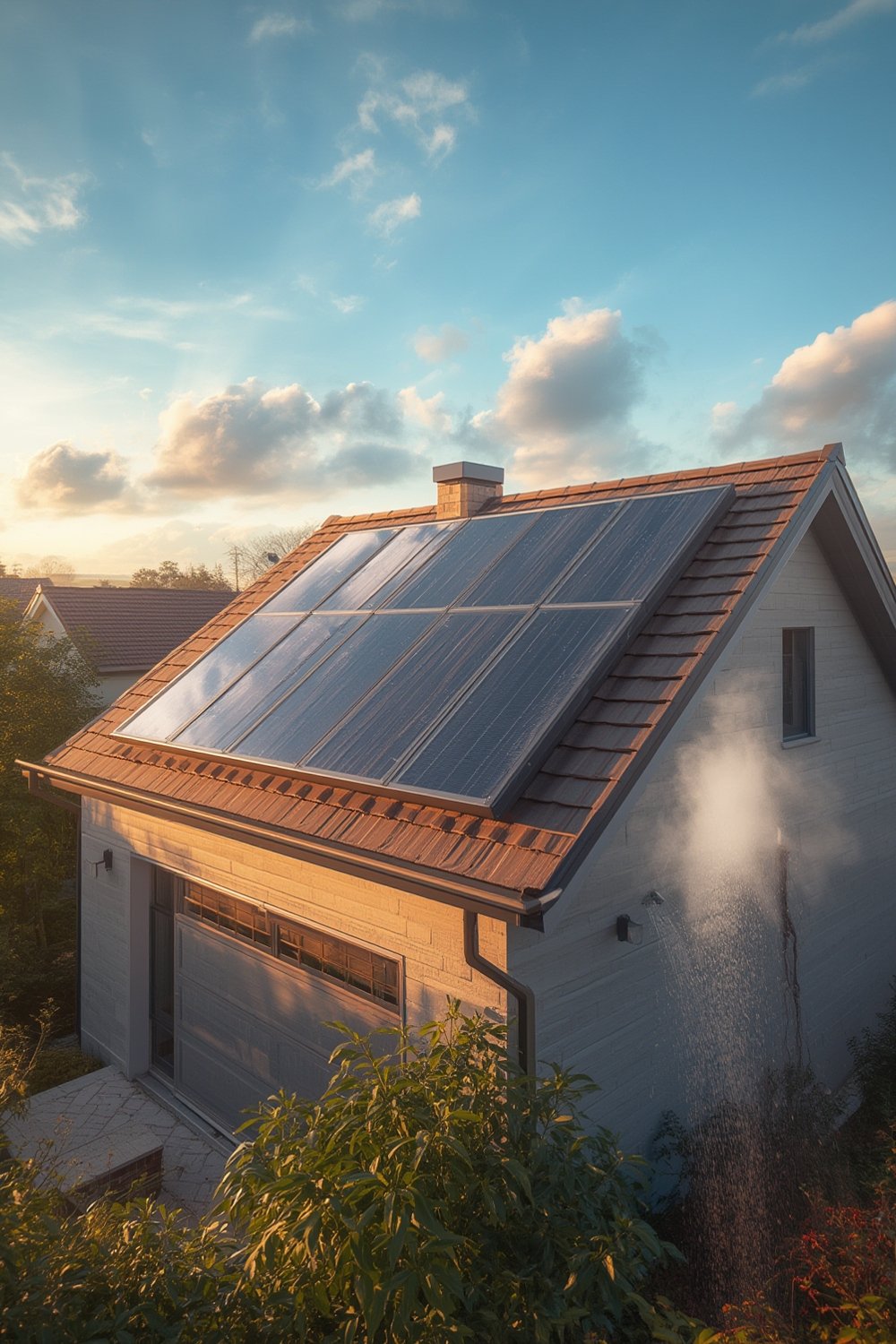
The technology is straightforward: panels (called collectors) are mounted on your roof or yard. Cold water flows through or near the collectors, absorbs heat, and is stored in an insulated tank. There are active systems with pumps and controllers, and passive ones that simply rely on gravity. Recent advances in the solar water heater market—including AI-enabled performance monitoring—have made setup and ownership much simpler for homeowners in 2024. (Cognitive Market Research)
In the U.S. alone, the market is now valued at nearly $900 million, and North America represents about 40% of global solar water heater revenue. Many states and the federal government now offer tax credits or rebates. These systems are ideal for households looking for long-term savings and aiming to future-proof against rising energy costs.
Before jumping in, it’s smart to do your research. You’ll need to weigh your climate, available incentives, and the installation challenges specific to your home. If you’re also considering other energy-efficient upgrades, check out these practical ideas on solar panel home improvements and how they can work alongside solar water heating systems.
How to Choose and Install Solar Water Heaters: Step-by-Step Guide
Ready to cut energy costs? Follow these practical steps for successful solar water heater selection and installation:
- Evaluate Your Sunlight Exposure: Solar heaters work best with strong, direct sunlight. Use free online tools or consult a local installer to check if your roof orientation and space will maximize sun exposure. For those with shaded roofs, consider ground-mount setups.
If you’re planning a broader smart home upgrade, look at guides on energy efficiency and home technology that integrate well with solar systems. - Choose System Type:
- Passive (thermosiphon) systems: Lower cost, fewer moving parts, less maintenance, but less effective in cold climates.
- Active (pumped) systems: Include pumps and controllers, good for colder climates, more efficient but slightly more complex to install.
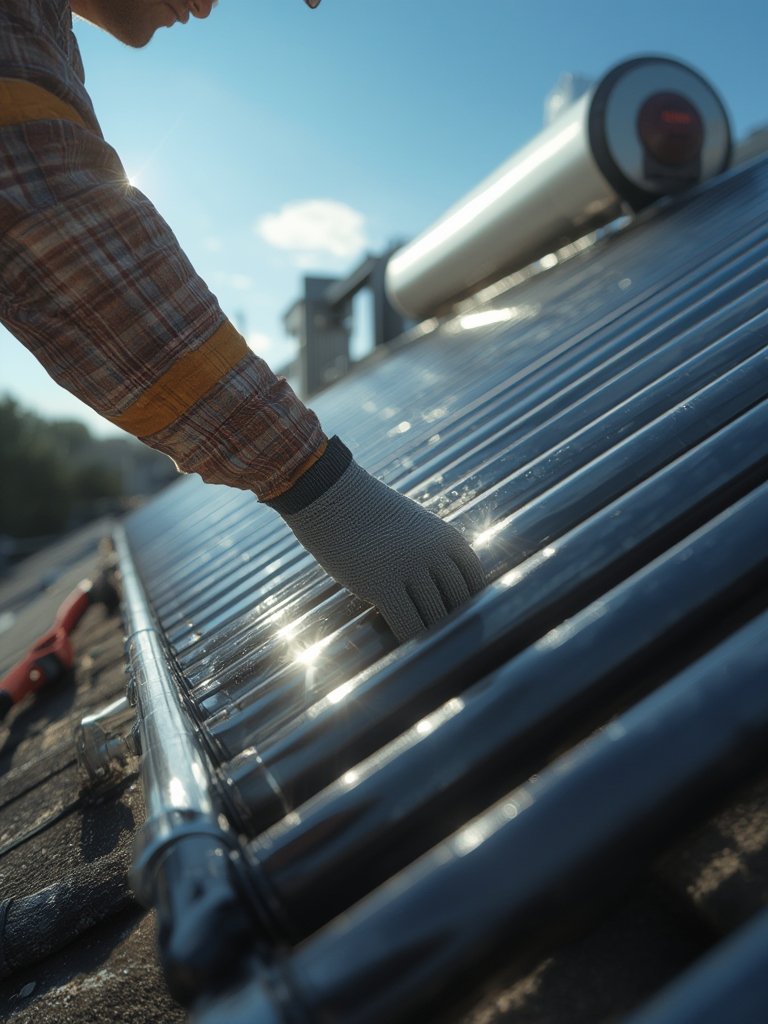
- Evacuated tube systems: Top efficiency and freeze resistance, but often a higher upfront cost.
- Compare Local Incentives: Research government rebates, federal tax credits, and utility programs in your state. Use the federal Residential Renewable Energy Tax Credit resource for a quick lookup. These programs can reduce costs by 30% or more.
- Size Your System: Your water usage (number of people and daily hot water needs) and local climate will determine the optimal tank and collector size.
- Vet Installers Carefully: Find certified and experienced solar installers. Ask for references and check online reviews. Don’t be afraid to compare quotes.
- Plan the Install: Professional installation often takes 2-3 days. Some homes may require structural reinforcement on the roof or changes to plumbing. Ask for a clear breakdown of labor and equipment costs—never accept vague estimates.
- Connect and Test: After installation, your system will be tested for leaks and performance. Make sure you receive a walk-through of proper operation and maintenance requirements.
- Monitor and Maintain: The latest systems allow app-based performance tracking and offer automatic maintenance alerts using AI analytics (Prophecy Market Insights).
Want more practical energy-saving strategies? See this comprehensive solar water heaters guide for extra shortcuts, reliability tips, and alternatives.
Advanced Analysis and Common Pitfalls
Even the best solar water heaters aren’t a silver bullet. Here’s what to watch out for, plus a side-by-side look at key trade-offs:
Common Pitfalls
- High Upfront Cost: Despite incentives, some homeowners find the initial cost hard to justify if they plan to move within 5-7 years. Typical installed systems range from $3,500–$7,500 (Global Market Insights).
- Poor Siting: Shaded collectors or poorly oriented panels underperform. An honest installer will tell you if your home simply isn’t a fit.
- Installation Surprises: Older roofs may require reinforcement, new plumbing, or electrical upgrades, increasing project costs and complexity.
- Maintenance Overlooked: Passive systems are low-maintenance but not maintenance-free. Flushing tanks and occasional inspections are needed. Skipping this can cut efficiency or even void warranties.
- Climate Mismatch: Not all systems perform well in cold or cloudy regions. Active or evacuated tube systems are often required for frost-prone climates.
| Feature | Solar Water Heater | Conventional Heater |
|---|---|---|
| Upfront Cost | $3,500–$7,500 (before incentives) | $900–$2,500 |
| Annual Operating Cost | $40–$150 | $350–$800 |
| Typical ROI Period | 5–9 years* | Not applicable |
| Lifespan | 15–20 years | 8–12 years |
| Maintenance | Low/Annual | Medium |
| Green Incentives | 30%+ Federal/State Incentives | None |
*May vary based on incentives and local utility rates.
Get the most from your system by reviewing energy-saving tips throughout your home. You’ll find relevant advice in our guides on energy-efficient upgrades and remodeling for ROI. Smart device integration can also optimize your water heating and general power use.
Technical Advances: Are They Worth It?
Smart technology is changing the solar water heater landscape in 2024. AI and predictive analytics allow for real-time remote monitoring and self-diagnosis, keeping systems at peak efficiency and catching problems before they escalate. Integration with smart home platforms—for example, the Wiser Home app—lets you track savings and performance from your phone (OilPrice.com).
The right tech upgrades can eliminate guesswork. But beware: not all brands offer the same features, and some “smart” add-ons may raise costs without meaningful payback.
Adoption rates are also driven by aggressive government incentives. In some states, new construction and major remodels must even include renewable energy heating systems. See our walk-throughs for tailoring solar and smart upgrades into major renovations with up-to-date local compliance info.

Conclusion: Is a Solar Water Heater Right for You?
Solar water heaters offer real energy savings, especially for households with high hot water use and good sunlight exposure. The initial investment pays off in lower bills, added home value, and reduced carbon footprint. But successful adoption requires honest evaluation of your climate, incentives, roof condition, and maintenance commitment.
If you’re considering a major home upgrade, don’t just swap water heaters—look into whole-home efficiency bundles, tax credits, and how solar water heaters fit in with other solar panel home improvements. Start comparing local incentives and certified installers today. With smart planning, solar water heaters can help future-proof your home and budget.
Frequently Asked Questions
How much can a solar water heater save me?
Most homeowners see 50–80% lower water heating costs, depending on location and hot water use. Overall savings can range from several hundred to over a thousand dollars per year with the right system and efficient habits.
Are solar water heaters difficult to maintain?
No—annual flushing and periodic professional checkups are usually sufficient. Advanced systems even offer self-diagnostics via phone apps. Passive systems tend to need less attention than active ones.
Can I use a solar water heater with my existing gas or electric water heater?
Yes. Many homeowners set up their solar system to preheat water before it enters the main heater. This reduces the work your conventional unit must do, providing reliable hot water year-round.
Will solar water heaters work during winter or cloudy days?
Modern evacuated tube and active systems still perform well in winter and during cloudy spells. For maximum reliability, choose a system with freeze protection and consider a hybrid setup with a backup heater.
Are there any government rebates or tax credits for installing solar water heaters?
Yes. Homeowners often qualify for a 30% federal tax credit and many states, utilities, and local governments also offer rebates. Check your area’s latest incentives to maximize savings.