

### Blog Post:
Tiny home renovations are quickly redefining how Americans and homeowners worldwide upgrade living spaces, making every square foot count. If you want to transform a micro home into a functional, beautiful, and efficient retreat—without the overwhelm—this practical guide is for you.
Key Takeaways
- The tiny homes market is growing fast in 2024, fueling demand for creative renovation and micro home design solutions.
- Lack of transparent cost data and regulatory clarity means owners must plan ahead, focus on efficient materials, and check local codes.
- Innovations in prefab, 3D printing, and personalized layouts offer new ways to maximize space and sustainability.
- What Are Tiny Home Renovations and Why Do They Matter?
- How to Renovate a Tiny Home: Actionable Steps
- Advanced Analysis and Common Pitfalls in Tiny Home Renovations
- Conclusion: Are Tiny Home Renovations Worth It?
- FAQ: Tiny Home Renovations
What Are Tiny Home Renovations and Why Do They Matter?
Renovating a tiny home means reimagining and upgrading interiors—usually under 500 square feet—to improve comfort, function, and value. While new micro homes often grab headlines, renovations now drive a big slice of the market as more people retrofit existing cabins, trailers, and urban micro-apartments. Smart micro home design brings major benefits: lower maintenance costs, reduced energy usage, and surprising comfort.
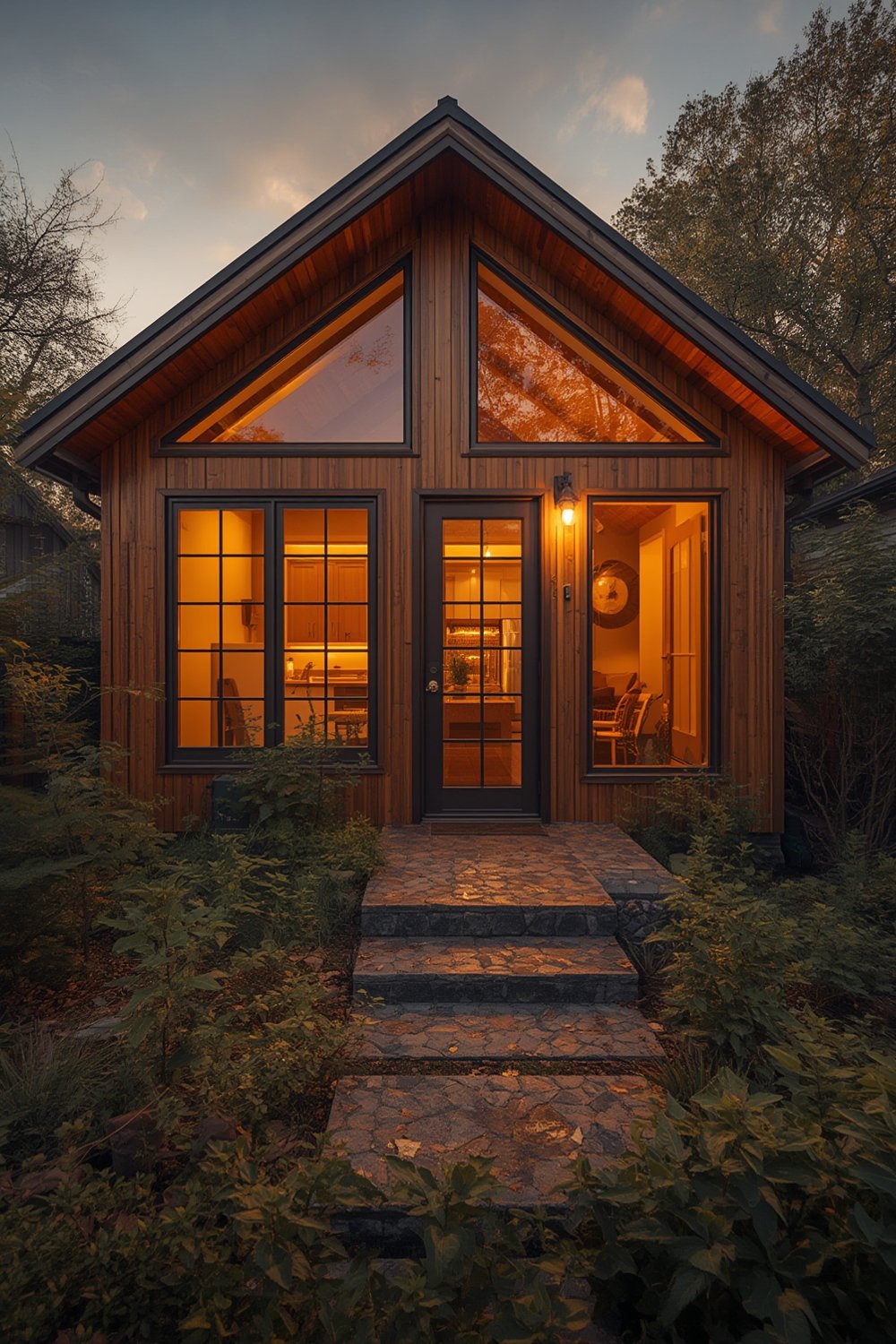
According to recent data, the global tiny homes market reached USD 5.8 billion in 2024, with North America making up over 40% of that total. Interest is spiking not just for new tiny homes, but also for renovations that turn existing spaces into efficient, high-value retreats.
Compared to large-scale renovations, tiny home projects demand hyper-strategic decisions. Every inch counts. Owners must work around possible code or zoning restrictions, rising materials prices, and the unique quirks of small spaces. Why does this matter? Because a poorly planned micro home renovation can be a costly waste, but a smart upgrade brings freedom, lower bills, and even off-grid potential. See also how storage solutions are key in any small-space redesign.
How to Renovate a Tiny Home: Actionable Steps
The most successful tiny home renovations take a methodical, step-driven approach. Here is exactly how to do it:
- Assess Current Structure and Needs — Inspect for damage, leaks, or weak framing. List must-have upgrades—like insulation, windows, or better storage.
- Create a Scaled Floor Plan — Sketch the existing layout and test revised zones for sleeping, cooking, living, and storage. Utilize multi-functional furniture such as those featured in our modular furniture.
- Research Code/Permitting Requirements — Check city, state, or county codes, especially if changing structure, plumbing, or electrical. Requirements for mobile and stationary tiny homes differ and local zoning may impact expansion or additions. Always get written approval before you build.
- Set a Realistic Budget (with Buffer) — Without firm industry prices, expect higher per-square-foot costs for quality, small-batch materials. Add 15% for inflation and surprises. Energy efficiency upgrades (see energy-saving options) often provide quick payback.
- Choose Space-Maximizing Upgrades — Focus on vertical storage, sliding doors, convertible beds, and underfloor heating for compact comfort. For flooring, check out LVP flooring installation tips to select materials suited for smaller, high-use spaces.
- Select Modern, Sustainable Materials — Consider 3D-printed elements and new prefab “Cube Two” concrete modules for eco-friendly, fast builds. Learn more about the market’s latest materials in this 2024 industry report.
- Plan Utilities and Smart Tech Integration — Use compact kitchen appliances, on-demand water heaters, and smart lighting. Gain inspiration from our smart home improvement guide.
- DIY or Hire Specialized Contractors — Skilled DIYers can handle insulation, painting, flooring, and storage builds, but licensed contractors are a must for structural, electrical, and plumbing work.
- Renovate Systematically — Start with structural repairs, then insulation, then surfaces (walls, floors), then fitted cabinets and wiring, followed by appliances and detailing. Stage work so no area is closed up before hidden fixes are complete.
- Optimize for Storage and Daily Living — Use every nook—under stairs, above doors, or in custom closets, as covered in our storage solutions.
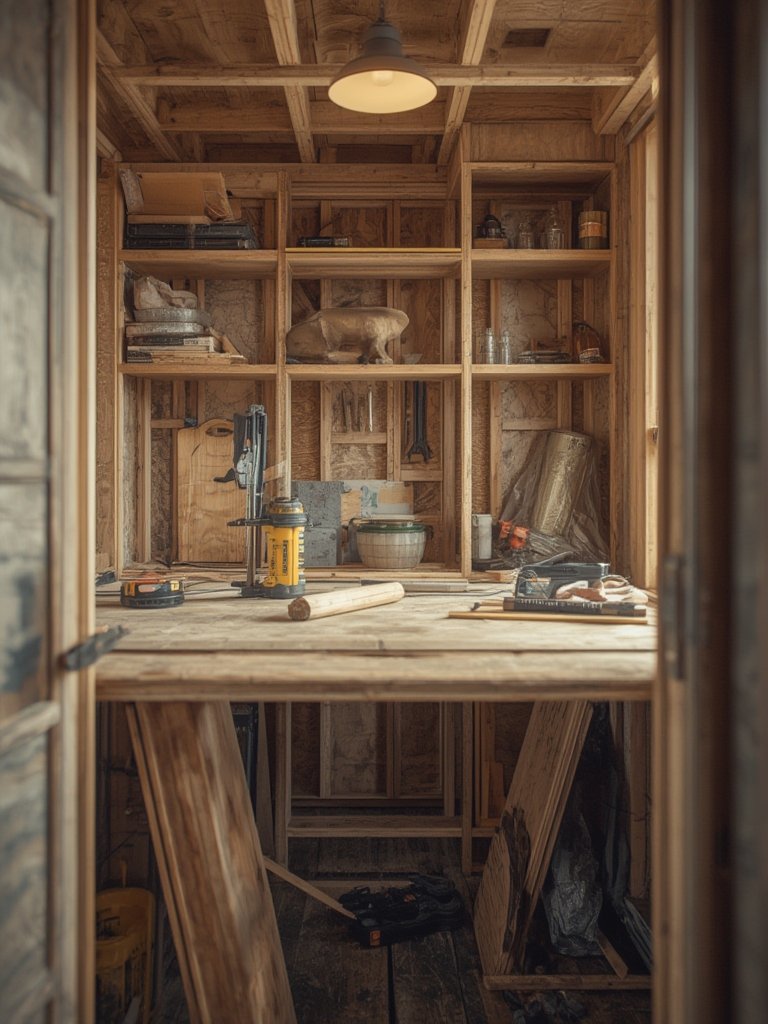
Bonus: Consider smart home automation for lights and energy, as explained in our guide to energy-efficient upgrades. Automation solutions are especially useful in compact living spaces and can help reduce monthly bills further.
Advanced Analysis and Common Pitfalls in Tiny Home Renovations
Good PLANNING is essential. The tiny home sector is booming—projected to reach USD 8.2 billion by 2033—but owners face several recurring issues. Transparent cost breakdowns are rare, and regulations are complex or unclear. Here are the most common and costly pitfalls to avoid:
- No Clear Budget Data: 2024 cost data for tiny home renovations simply isn’t available in detail. Expect higher prices due to material shortages and inflation. Always plan a generous buffer.
- Hidden Code or Zoning Problems: Tiny homes may face unexpected barriers when changing layouts, plumbing, or electrical—even if they’re already in use. Always check with your local authority before making changes and get written approval before building any addition.
- Storage and Usability Shortfalls: Non-functional layouts, bulky furnishings, or poorly integrated storage make tiny homes feel cramped, not cozy.
- Missed Opportunities for Sustainability: Overlooking cutting-edge, eco-friendly materials—like 3D printing or prefab cubes—leads to higher energy use and more future upgrades.
- Lack of Professional Help: Attempting major structural work without contractor experience often results in costly mistakes, safety risks, or code violations.
| Challenge | Why It Matters | Solution |
|---|---|---|
| Raw Material Shortages | Delays, higher costs, limited styles | Order early, be flexible with materials |
| Inflation & Supply Chain Issues | Budget overruns mid-project | Add at least 15% buffer to your budget |
| Zoning & Permit Mysteries | Potential fines or forced rework | Consult your local authority before changes |
| DIY Risks | Safety and code compliance issues | Hire pros for structural/electrical/plumbing |
| Lack of Clear Storage Plan | Lost functionality, cluttered space | Design with custom, modular, or hidden storage |
Want more ROI-boosting tips across all types of home upgrades? Dive into our renovation planning guide for strategies that work across tiny and full-sized projects.
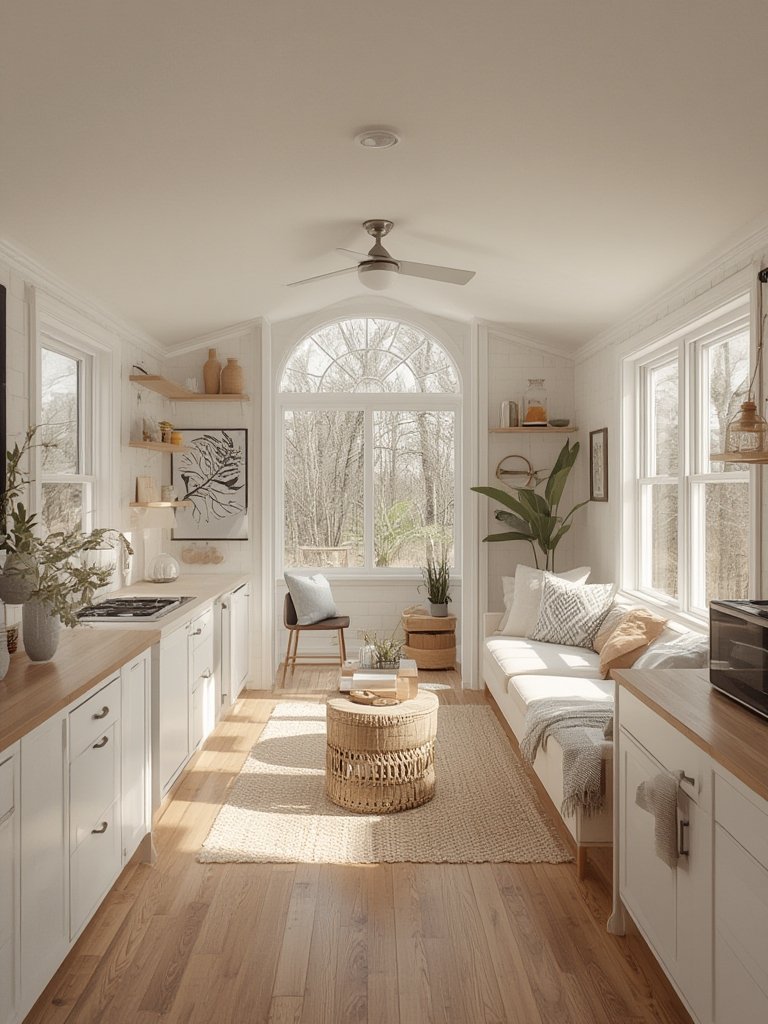
Finally, keep in mind that while data on owner regrets or post-renovation complaints is scarce, skipped planning and unclear goals are leading causes of regret in all renovation sectors. A stepwise approach prevents missed expectations.
Conclusion: Are Tiny Home Renovations Worth It?
The micro home movement is surging in 2024 and the opportunity for well-planned tiny home renovations has never been better. With upfront research, adaptable design, and smart use of new technologies, you can radically boost your home’s value and comfort in less space. If you’re ready to make your next move, start with a wish list, check local requirements, and commit to design efficiency. Don’t wait—transform your tiny space to fit your big dreams today!
FAQ: Tiny Home Renovations
What are the biggest limitations when renovating a tiny home?
Most barriers are physical (space and layout), budget-related (lack of cost data), and regulatory (zoning, codes). Planning and early research are essential to avoid costly missteps or legal issues.
How can I maximize storage in my tiny home renovation?
Use vertical storage, modular furniture, and hidden compartments under stairs or above doorways. Check our storage solutions for more strategies.
Is it better to DIY or hire contractors for tiny home renovations?
DIY makes sense for basic builds and finishing, but hire professionals for structural, plumbing, or electrical work. Tiny homes require more precision—mistakes in small spaces are magnified.
What are the newest materials or technologies for tiny home projects?
3D printing for custom shell and interior elements, new prefab “Cube Two” concrete modules, and streamlined smart home tech all boost efficiency and comfort. Learn more in this global industry report.
How do tiny home renovations compare to new builds for cost or ROI?
There is no reliable, up-to-date cost data for tiny home renovations. Generally, renovations are cheaper than new builds per project but higher per square foot. ROI is higher when upgrades prioritize storage, efficiency, and flexible layouts.
—