

### Blog Post:
Underfloor heating systems are reshaping how homeowners and businesses approach comfort, energy efficiency, and modern renovation. If you’re planning a new build, retrofit, or simply exploring ways to upgrade your space, radiant floor heating offers unique advantages—as well as a few critical realities you shouldn’t ignore.
Key Takeaways
- Underfloor heating systems can improve energy efficiency and comfort but require careful planning, especially for retrofits.
- Hydronic systems suit large areas and offer long-term savings, while electric mats are ideal for quick, smaller upgrades.
- Initial installation costs are higher than traditional heating, but payback can be achieved through lower ongoing energy bills.
- What Are Underfloor Heating Systems and Why Use Them?
- How to Install and Maximize Underfloor Heating: Step-by-Step Guide
- Advanced Analysis, Common Pitfalls, and Comparisons
- Conclusion
- Frequently Asked Questions
What Are Underfloor Heating Systems and Why Use Them?
Underfloor heating systems, also known as radiant floor heating, involve installing either electric heating mats or hydronic underfloor heating (water-based) pipes beneath your flooring. These systems evenly distribute heat across the entire floor surface, resulting in a consistent, comfortable room temperature. The primary appeal: warm feet, even heat, and virtually invisible hardware. Increasingly popular in residential projects, underfloor heating is also gaining traction in commercial spaces due to demands for energy efficiency and flexible integration with modern smart homes and renewable energy sources.

Recent market analysis shows that the global underfloor heating market reached between USD 5.3 and 7.6 billion in 2024, with projected growth up to USD 12.9 billion by 2034. Hydronic systems dominate—holding over 61% of adoption—particularly in Europe and in new construction projects where integration is simpler and less intrusive (source). The residential sector is the key growth driver, accounting for more than half of installations, with trends pointing to increased adoption as energy codes tighten and homeowners seek sustainability.
For a broader look at whole-home upgrades, check out these ultimate smart home improvement ideas and learn about energy-efficient upgrades that complement underfloor heating strategies.
How to Install and Maximize Underfloor Heating: Step-by-Step Guide
- Assess Your Floor Type and Space Requirements: Determine if your project is a new build or retrofit, and evaluate whether electric or hydronic systems are compatible with your floor covering and structure. Tile, stone, and vinyl work best, but most modern systems offer options for wood and laminate as well.
- Choose the Right System:
- Hydronic underfloor heating uses water pipes connected to boilers, heat pumps, or solar. It’s efficient for large areas and new construction.
- Electric underfloor heating relies on mats or cables and is suited for small rooms, bathrooms, or retrofitting projects. Faster to install but with higher running costs per square foot.
For in-depth tips, see our guide on boosting radiant floor heating efficiency.
- Plan Your Layout Carefully: Avoid placing permanent fixtures or large furniture over heated zones, as this blocks efficient heat flow.
- Install Insulation Boards: These minimize downward heat loss and improve response times. Insulation is especially important in older homes.
- Fit the Heating System:
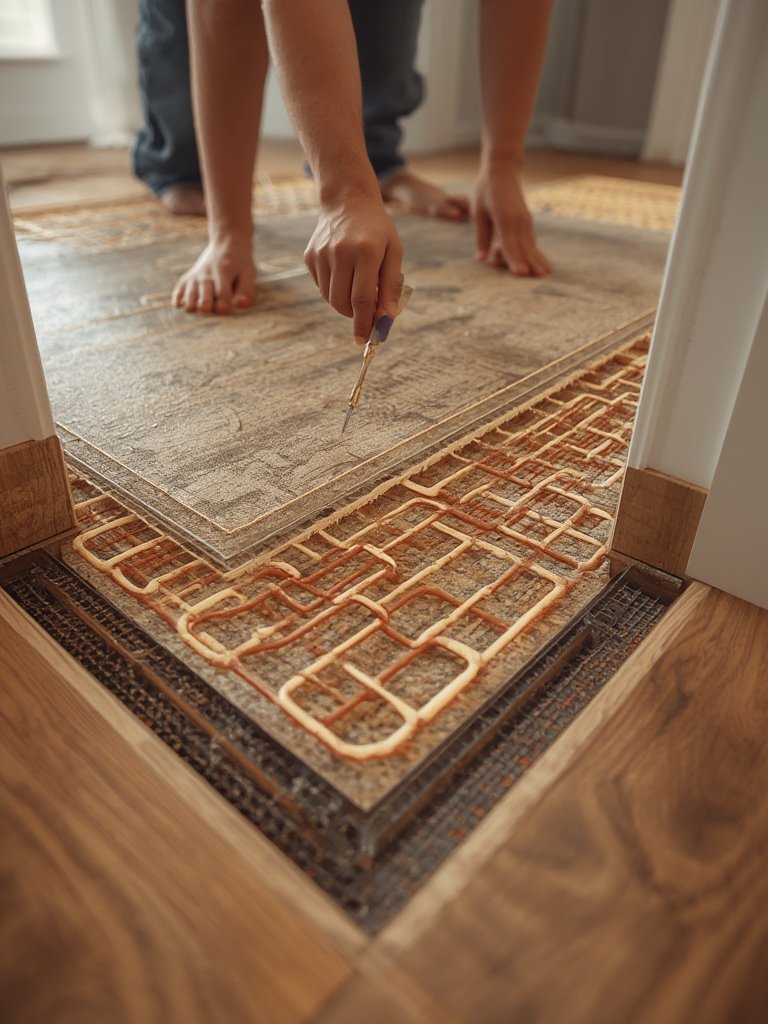
- Lay ultra-thin electric mats or pipes according to the manufacturer’s plan, keeping spacing even throughout.
- Hydronic pipes must be pressure tested before screeding.
- Apply Screed or Flooring: Cover the system as specified. Concrete or self-leveling screed work best.
- Connect Controls and Thermostats: Link each zone to programmable thermostats for optimal energy use. Many systems support smart home integration—learn more about smart thermostats and automation.
- Test the System: Do this before finalizing your flooring. Address any issues early for safety and warranty compliance.
For DIY flooring ideas that work seamlessly with radiant heat, don’t miss our expert luxury vinyl plank flooring installation guide.
Advanced Analysis, Common Pitfalls, and Comparisons
While underfloor heating systems deliver on comfort and can lower utility bills, they come with challenges that you must anticipate:
- Higher Upfront Costs: Materials and installation are more expensive than traditional radiators or forced air. Hydronic setups, in particular, are best justified for new builds or major renovations.
- Retrofit Complexity: Retrofitting can raise floor height and add logistical headaches. Lack of insulation or poor subfloor prep reduces performance.
- Compatibility Concerns: Certain floor types—like thick carpets—reduce efficiency. Ensure the flooring allows effective heat transfer.
- Payback Uncertainty: Actual payback periods can vary widely depending on utility rates, home insulation, and usage patterns. Expect several years before seeing a return on investment.
- Service Access: Repairs (especially for hydronic systems) may require opening up floors.
Quantitative data on operating costs or payback periods is limited, but studies confirm that energy efficiency is higher relative to conventional radiators, especially in systems integrated with renewable sources (reference).
| Heating Method | Initial Cost | Ongoing Cost | Floor Heights | Best For |
|---|---|---|---|---|
| Electric Underfloor | Moderate | Higher (per area) | Minimal lift | Small rooms, retrofits |
| Hydronic Underfloor | High | Lowest with renewables | Notable increase | New builds, large floors |
| Radiators | Low | Moderate | None | Retrofits, budget projects |
| Forced Air | Moderate | Higher (stand-alone) | None | Whole-home upgrades |
New European rules, including the “Fit for 55” directive and Energy Performance of Buildings Directive, are pushing builders toward high-efficiency systems like underfloor heating (source). If you’re planning substantial home changes, see how smart energy upgrades and solar water heating can create even greater long-term savings.

Conclusion
Underfloor heating systems deliver superior comfort, hidden design, and long-term efficiency—especially when paired with proper planning and compatible flooring. While the upfront investment is significant and there are real challenges in retrofits, many homeowners and businesses find the upgrade worthwhile for future energy savings. To maximize results, research trusted installers, consult building codes and local incentives, and always weigh system types carefully for your project.
Ready to explore more on radiant floor heating or connect it to smart energy management? Dive deeper into our radiant heating expert guide and consider pairing your investment with energy-saving home technologies for the ultimate comfort, efficiency, and ROI.
Frequently Asked Questions
How long does it take to install underfloor heating systems?
For new builds, installation can be completed in a few days per area. Retrofits may take longer due to additional surface prep and insulation requirements. Hydronic systems are more time-consuming than electric mats.
Do underfloor heating systems work with all types of floors?
Most systems perform best under tile, stone, or vinyl. Special products exist for engineered wood and laminate, but thick carpets or insulation-heavy floors can reduce efficiency and response time.
Is underfloor heating more energy efficient than radiators?
Generally yes, especially with hydronic systems paired with renewables. Underfloor heating creates even heat distribution and can operate at lower water temperatures than radiators, reducing energy consumption.
Are underfloor heating systems expensive to run?
Running costs depend on system type and energy source. Electric systems are pricier per area, while hydronic setups hooked to efficient boilers or heat pumps cost less in the long run. Good insulation can significantly reduce overall energy use. For a full breakdown, see our energy savings guide.
What regulations impact installation of underfloor heating?
In Europe, directives like “Fit for 55” and updated building codes increasingly require energy-efficient systems in new and renovated properties. Local codes in other regions may apply—always check with your installer or regulatory office.

[…] It’s also becoming more common to integrate smart tech (lighting, thermostats, heated floors) for energy efficiency and convenience. Explore more in our dedicated guides on smart home upgrades and underfloor heating. […]